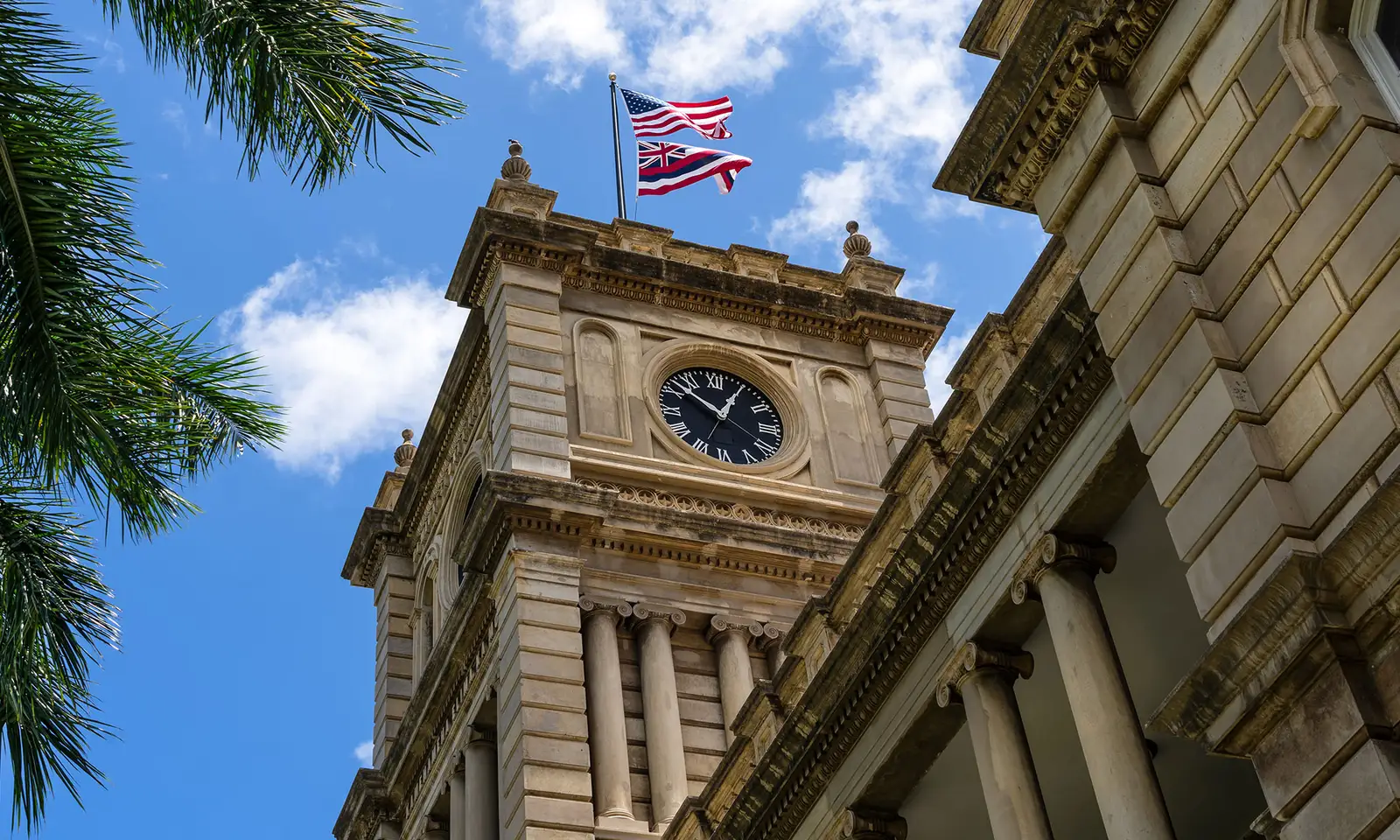
The Hawaii Supreme Court’s recent decision in Granillo v. State should’ve been a straightforward exercise in state constitutional law. The case involved a sexual-assault conviction that rested in part on hair and fiber evidence. The Hawaii court had to decide whether new scientific advances discrediting such evidence rendered it false and thus violated Hawaii’s due process clause. Hawaii, like every state, may interpret its own constitution to provide more protection than the U.S. Constitution. But instead of limiting itself to that independent state law question, the Hawaii court launched a broadside attack on the U.S. Supreme Court, using rhetoric reminiscent of state courts just before the Civil War.
That rhetoric matters. When a court veers into political denunciation of the outcomes reached by higher courts, especially when doing so is unnecessary to its result, it fuels the fire of political division and undermines the very legitimacy that courts depend on.




Comments
On “Hawaii Justices’ Inflammatory Attack on the U.S. Supreme Court”