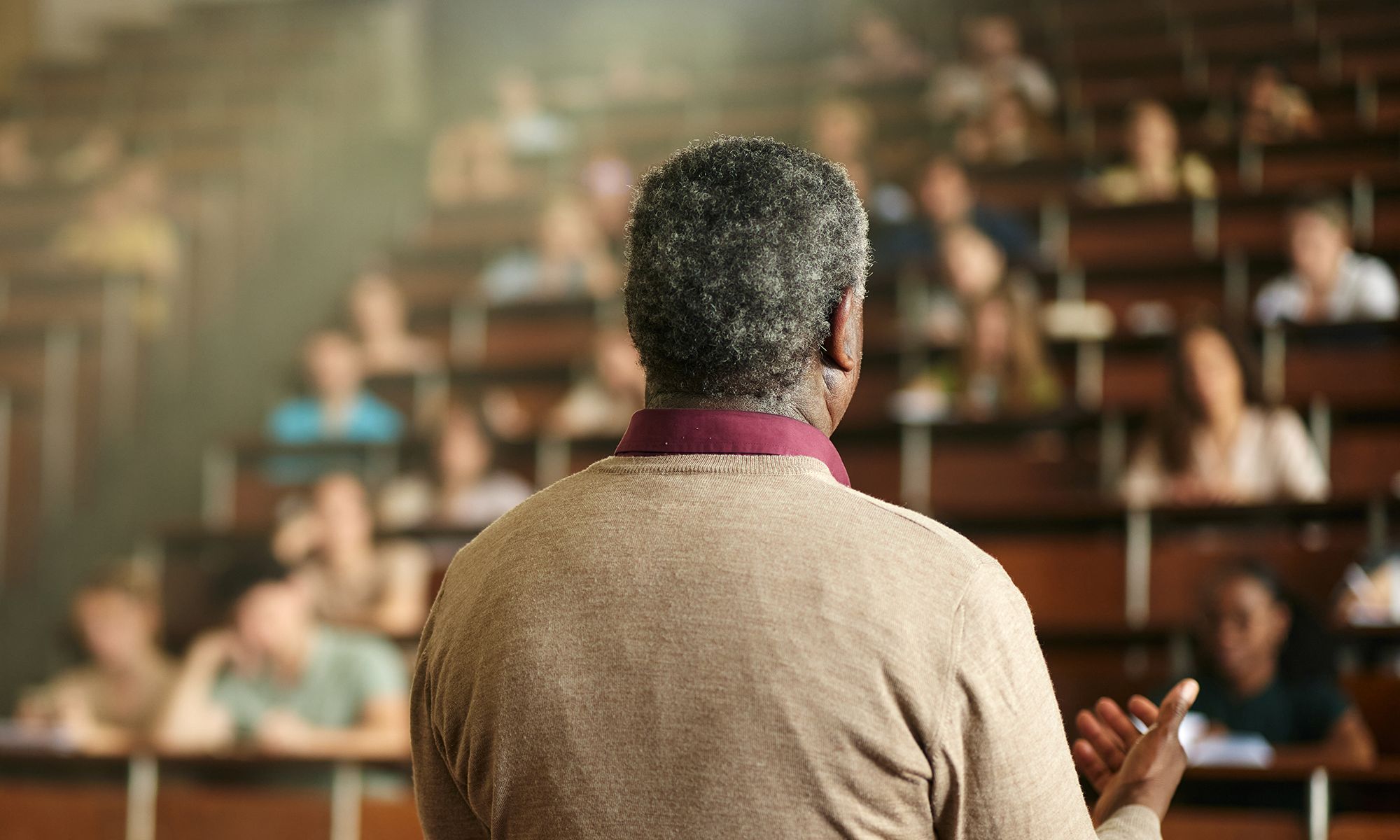
College professors at long last are keeping their political views to themselves. At least that’s what many said in a recent survey of faculty members commissioned by Inside Higher Ed. Of the 1,665 faculty members questioned by Hanover Research, 40 percent said that as a result of the current political environment and/or the situation on their campus, they had changed their syllabi. A quarter said they’re not researching or publishing on certain topics, and 43 percent said they were not communicating with students about certain topics. Almost half said they were holding back on what they’re saying outside of work — including their postings on Facebook. Is this a positive development?
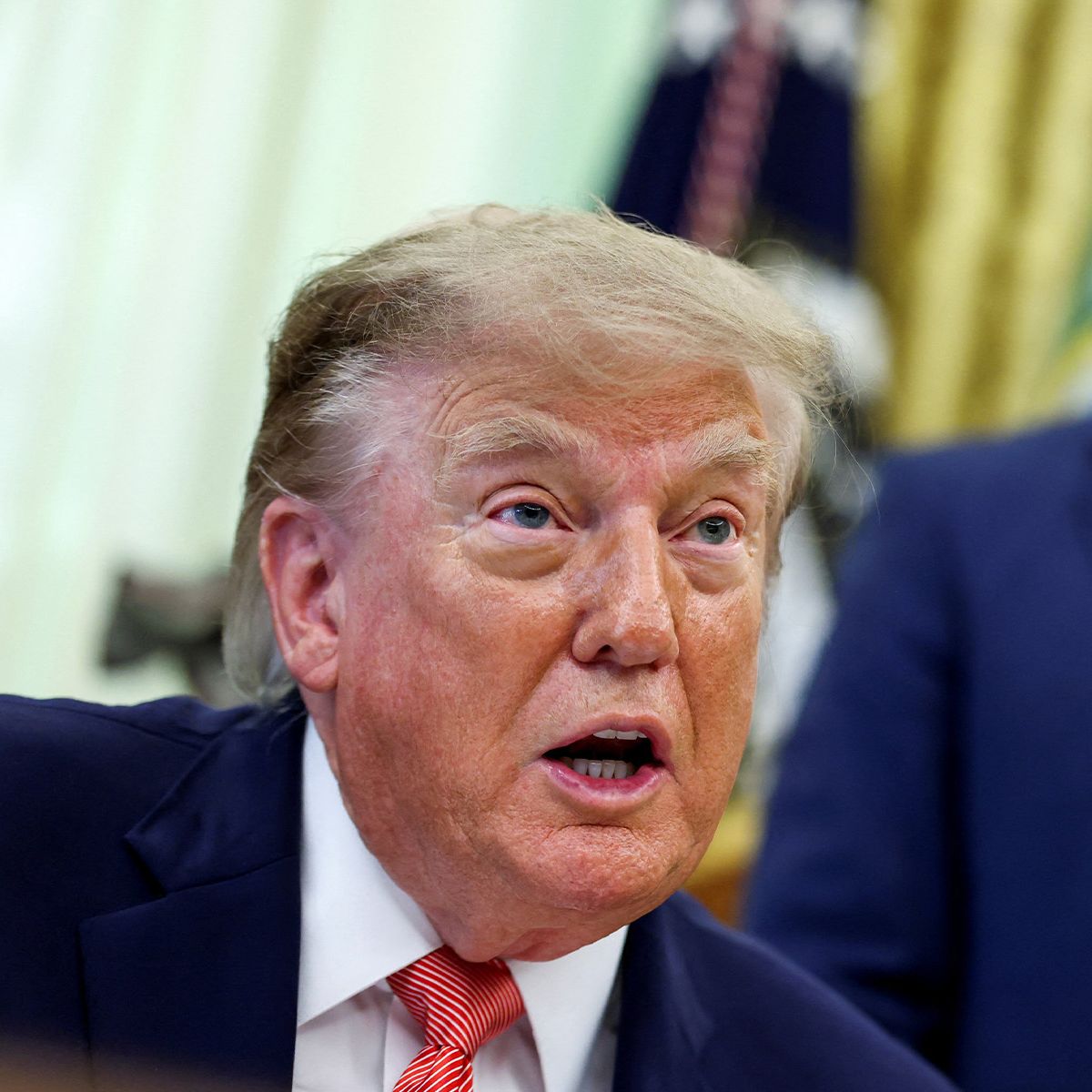
In some ways, it is a sign that academics have joined the rest of America. People who work for corporations or hospitals or elementary schools regularly self-censor both on and off the job. They’re entitled to their First Amendment rights, but they know that saying whatever they want about politics or controversial topics in the news might cost them friendships with colleagues or even their jobs. Although academics have long claimed that academic freedom permits them wide latitude in expressing their views, those in the ideological minority — that is, on the right — have self-censored for fear of losing their livelihood. The Trump administration has shifted the shoe to the other foot: it is now left-leaning faculty who say they are feeling political pressures.
Comments
On “The Quiet Professor”