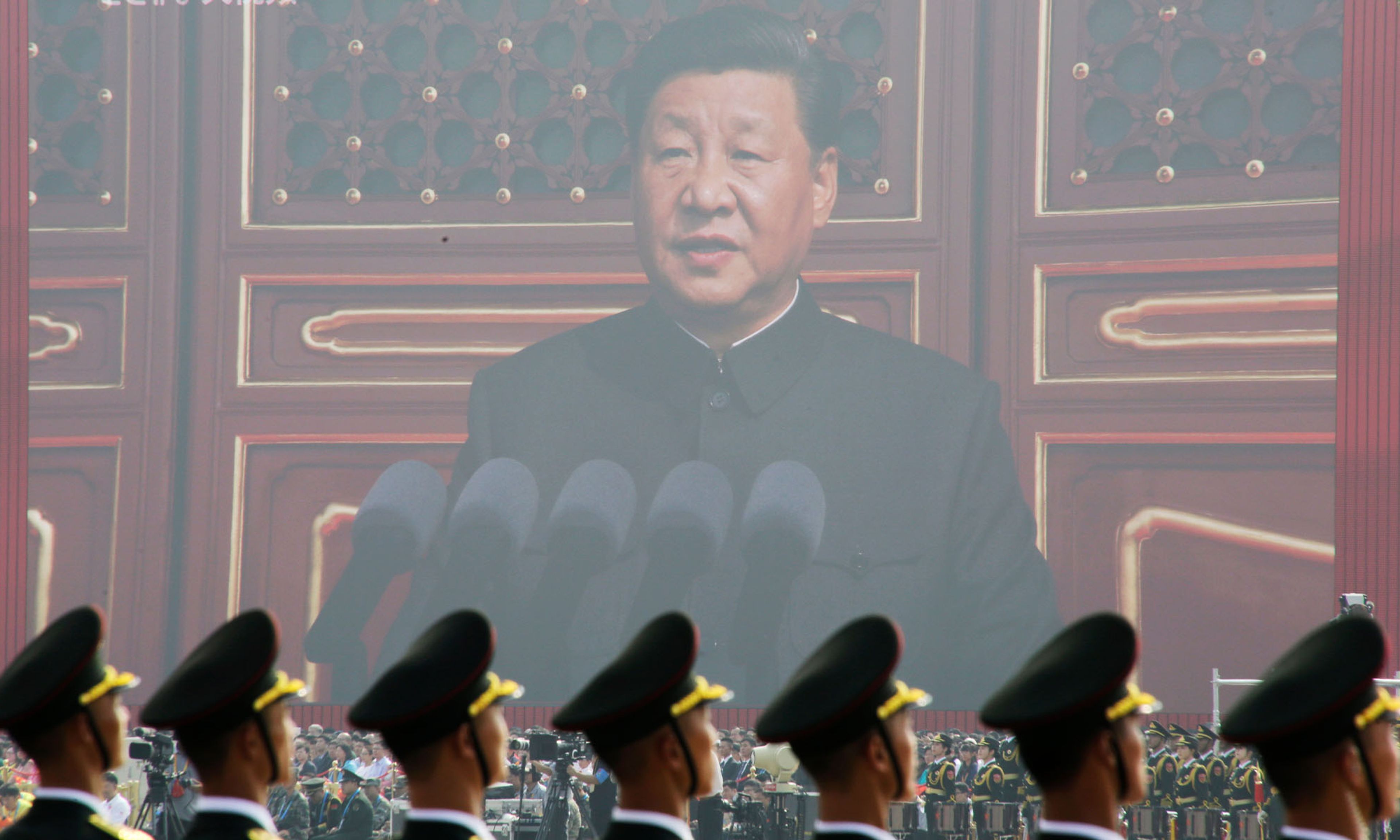
Some U.S. military leaders believe that China could plan an assault on Taiwan as early as 2026. A special committee of Congress is reviewing U.S. preparations for conflict. While the U.S. and like-minded countries should address Beijing’s capabilities and note its stated intentions, we also should acknowledge that the PRC would find it challenging to change the status quo by force. China’s military forces and weapons are untested in war. Taiwan has sophisticated defensive capabilities. And while it is likely that the U.S. and other military powers would render assistance, no powers are capable of meaningful military support to the PRC. Further, the PRC faces daunting economic, social, and demographic challenges that would come under significant stress in war.
As we prepare for a war that might not come, though, we should face down Beijing’s efforts to undermine Taiwan and the western Pacific by other means. The diplomatic framework between the U.S., Taiwan, and the PRC developed over 50 years through a series of communiques and interpretations and is predicated on changes to the status quo by force. What about attempts by the PRC to change Taiwan’s status through actions other than war? Is our diplomacy up to that challenge?




Comments