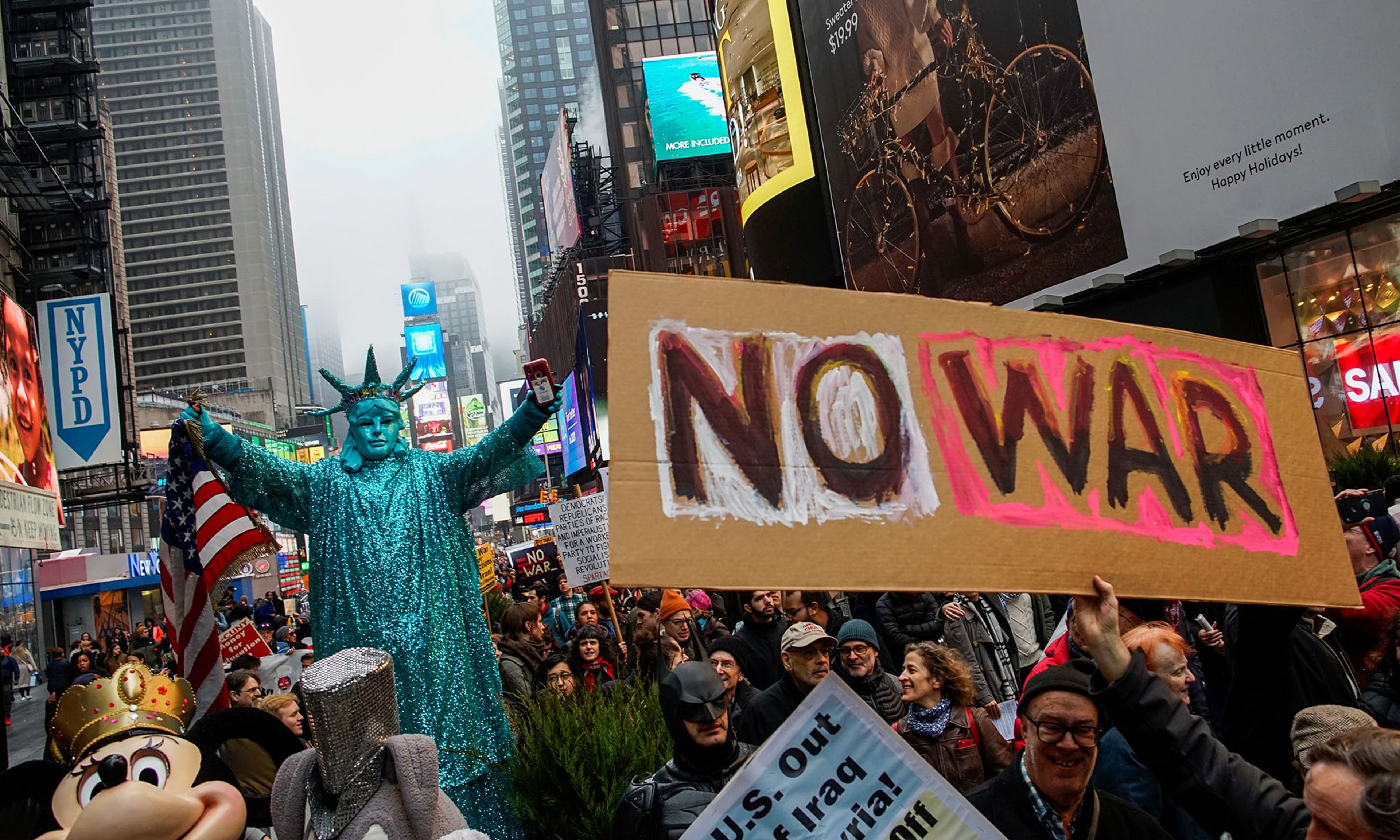
Poof! Just like that, dissent became unpatriotic again. From “#Resist” to “Whose side are you on, anyway?” in just over a year. Who says that Americans have become incapable of innovation?
There are many circumstances in which representatives of the United States government are compelled to put their institutional obligations above their personal political views until they return to private life, but in a free country such as ours, no such rules can apply to the citizenry. Absent specific action, there is simply no circumstance in which it is outré for a private citizen or political organization to criticize the foreign policy, public demeanor, diplomatic competence, or even mental acuity of an elected public official. To do so is not “treason,” as Harvard’s Larry Tribe proposed earlier this week; it does not imply a preference for America’s rivals, as Matthew Dowd believes; it does not suggest confusion about the location of America’s adversaries, as MSNBC’s Kasie Hunt submits; it is not “unpatriotic sh**,” as Representative Ted Lieu contends; it does not indicate a willingness to “rally around the flag — the Russian flag,” as Paul Krugman asserts; it is not “disloyal,” as Bill Kristol claims; and it is not “siding with our enemy,” as CNN’s Joe Lockhart argues. There are good foreign-policy arguments, there are bad foreign-policy arguments, and there are downright stupid foreign-policy arguments, but there must not be such a thing as a seditious foreign-policy argument. In the United States, the military is subordinate to the civil power, the civil power is accountable to the citizenry, and both must suffer their slings and arrows as a result. We have a rich enough political language to object to sentiments such as “On the war in Vietnam, I sing this song / I ain’t got no quarrel with the Vietcong” without resorting to accusations of subversion.



Comments