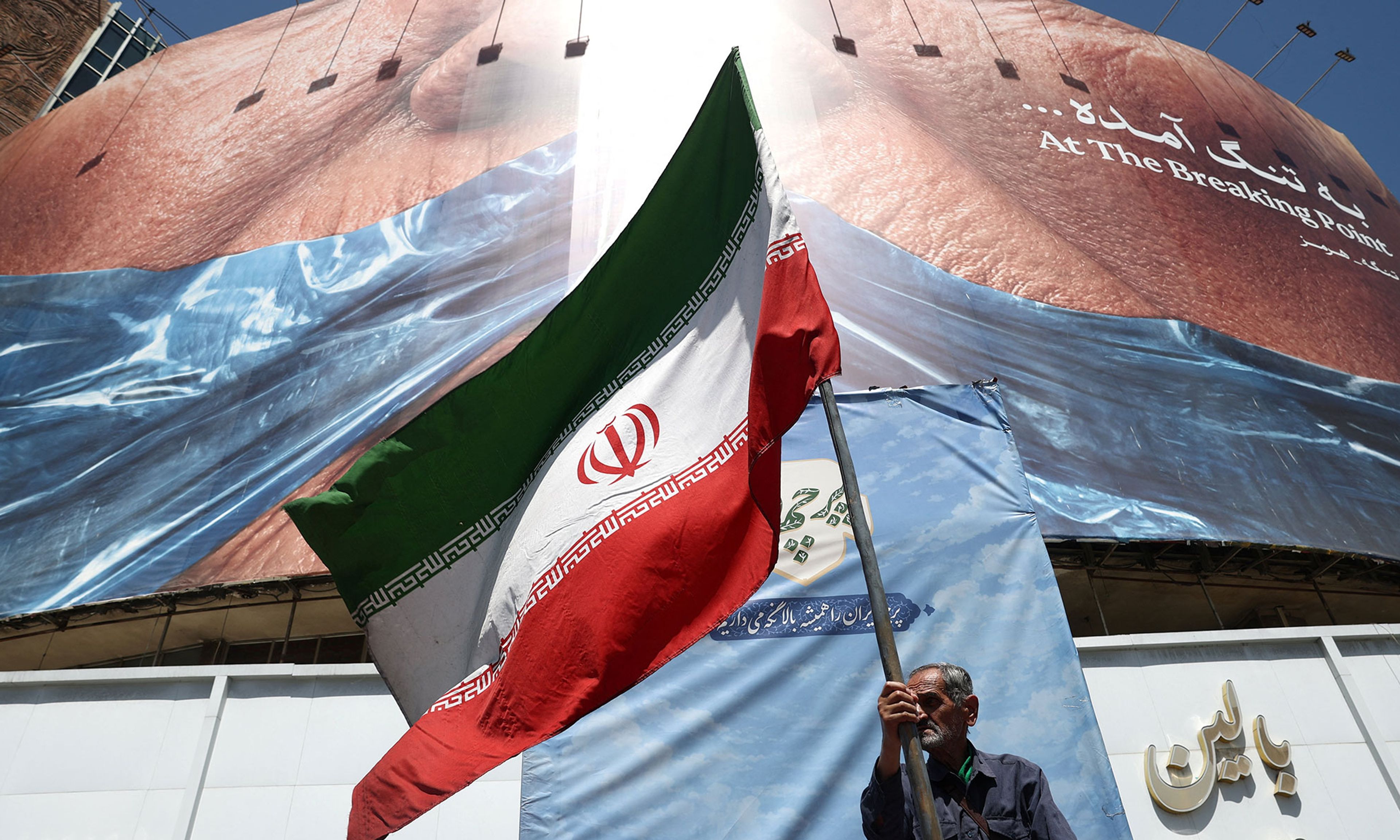
According to the leaders of Iran and the United States, Tehran and Washington have reached a deal to conclude hostilities between the two nations. This memorandum of understanding, the text of which was released on Wednesday by the U.S. at the conclusion of the G-7 summit in France, is an extension and expansion of the current cease-fire — if the still-ongoing, low-level combat between the U.S. and Iran can even be called that — and a step toward a broader agreement to resolve the issues between the opposing sides. The agreement, brokered by Pakistan, would add, at minimum, another 60 days to the cessation of combat, including on the Lebanese front, immediately reopen the Strait of Hormuz to all shipping, end the U.S. blockade of Iran and the Iranian threats to commercial vessels, release frozen funds to Iran, work to reverse American and international sanctions on the regime, and fast-track further talks on nuclear weapons.
Although we now have the text of the agreement, the argument over whether this is a good or bad deal has not abated. In fact, it seems to have just started. The memorandum is short on details and is extremely open to interpretation. No enforcement mechanisms have been discussed, implementation processes are nonexistent, and the 60-day timeline is quite open-ended — something acknowledged by President Trump himself. Despite the fact that there is very little substance to this memorandum, opinions on the deal have already hardened. Critics have labeled it a total American capitulation, arguing that the details we do have are already far worse for American interests than the failed Joint Comprehensive Plan of Action (JCPOA), “the nuclear deal,” under Obama. They focus on the early release of Iranian monies, the inconclusive nuclear clauses, and the failure to address Iranian support for global terrorism. Supporters, including Vice President JD Vance, have countered these claims, suggesting that Iran will only benefit from the deal if it holds up its end of the bargain and accedes to U.S. demands. President Trump, in a press conference at the G-7, stated that this was a “historic deal” that our allies were “thrilled” with, but also that he will not hesitate to resume American bombardment if Tehran fails to comply.





Comments