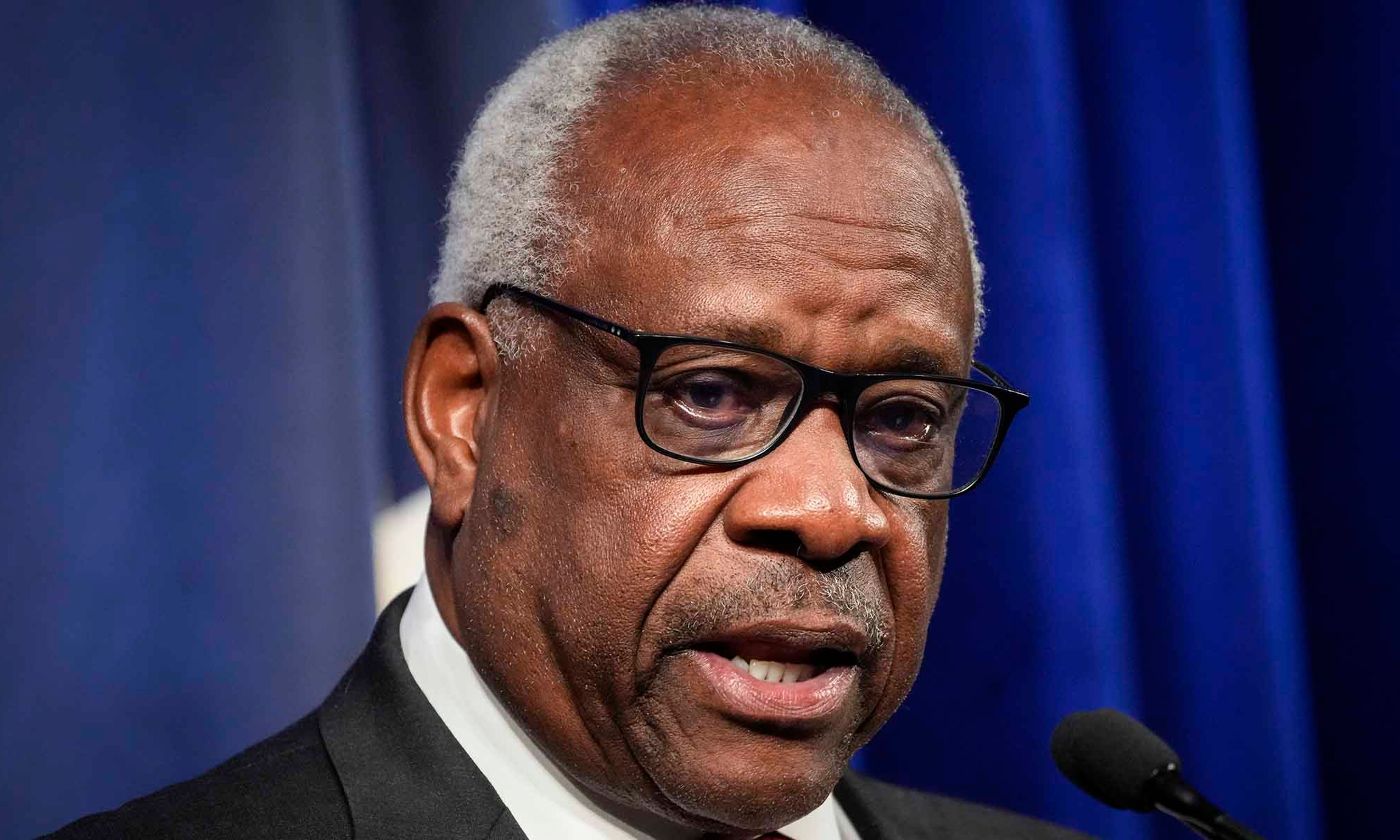
The Supreme Court on Thursday decided Twitter, Inc. v. Taamneh and Gonzalez v. Google LLC, a pair of cases involving the liability of social-media platforms for speech on their platforms: Do they have a responsibility to moderate and restrict it? Do they become more responsible when their user algorithms help drive readers to some speech over others? As I discussed when the Court took the two cases, the Ninth Circuit said yes in broad terms to both questions in both cases:
The Court’s unanimous answer in both cases was no: Even when the content at issue is literally terrorist-recruitment videos, proof of something more substantial than hosting and automated recommendation is required in order for the platforms to be liable for the speech of others. The Court reached that decision, in a majority opinion written by Justice Clarence Thomas in Taamneh, by going back to the traditional principles of the common law in defining civil “aiding and abetting.” Its approach should tell us something about how best to address the social-media giants going forward.





Comments