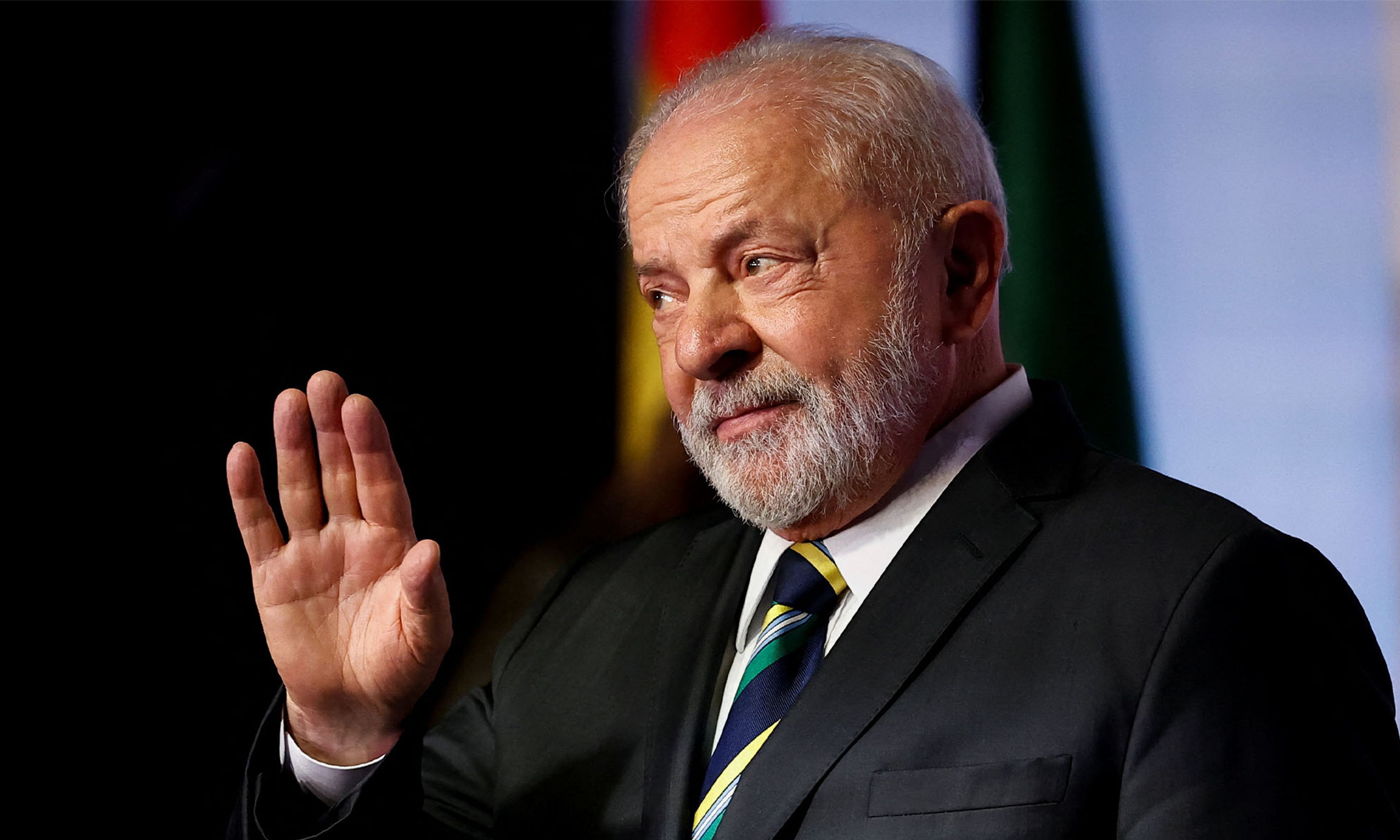
Luiz Inácio Lula da Silva, better known as Lula, won the Brazilian presidential election in late 2022 and was inaugurated as the South American nation’s leader for his third term early this year. His victory over the right-wing incumbent, Jair Bolsonaro, was lauded as a victory for democracy and liberalism against rising authoritarianism. Bolsonaro was widely labeled as a fascist given his right-wing politics and link to former President Trump — an association his supporters cemented when they assaulted government buildings in Brasília after his electoral loss. Media coverage of Lula’s close electoral win was almost universally biased in favor of the progressive, with outlets framing the race in partisan American terms.
Since his inauguration, Lula has been praised, by friendly media and politicians in the United States, as a key cog in the worldwide struggle against authoritarian politics. In “Lula’s Plan: A Global Battle against Trumpism,” a recent puff piece in Politico magazine, he is promoted as the leader of an audacious attempt to stand up a worldwide progressive Left against the “extreme conservatives” who already “think of themselves in global terms.” This movement would directly link policy goals across borders, focusing on leftist hobbyhorses such as climate change, unions, “democratic values,” and anti-capitalism.





Comments