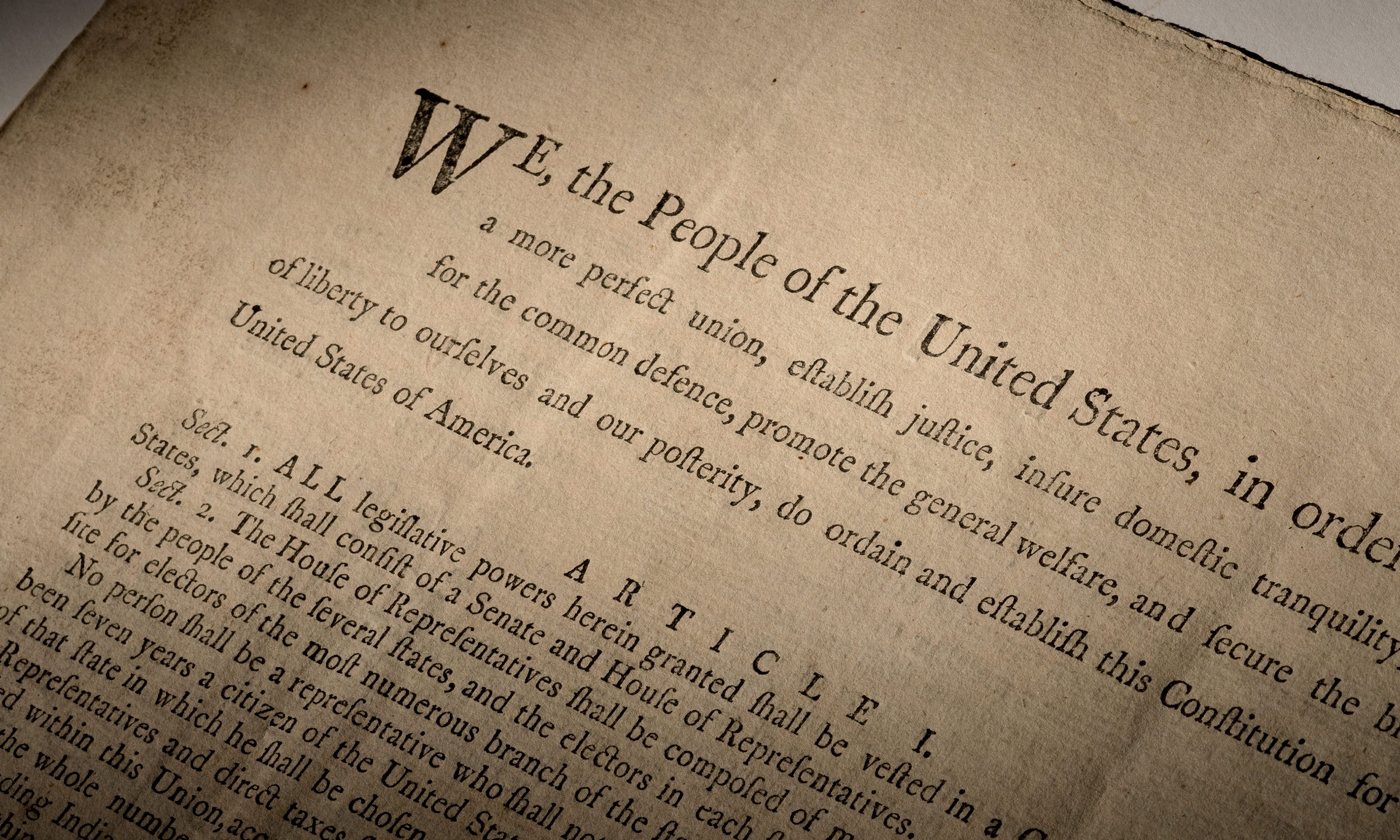
The United States Constitution celebrates its 235th birthday today. It has been an immeasurable blessing to this nation. We were the first country in history to not only have a written constitution, but one that was binding upon the government, ratified by the people, and could not be changed without the latter’s consent. Key founders such as George Washington, Alexander Hamilton, John Adams, and John Marshall emphasized the importance to the American project of fixed, written rules, and warned against changing them; in Washington’s parting words, “the Constitution which at any time exists, till changed by an explicit and authentic act of the whole people, is sacredly obligatory upon all.”
One example of how seriously the Founding generation took the government’s subservience to the law: The First Congress, in the Judiciary Act of 1789, created the position of attorney general as one of the first four Senate-confirmed cabinet-level presidential advisers. As the act recited:




Comments