The Supreme Court’s announcement on Wednesday that it will review some of the prosecutions the Justice Department has brought against over 300 Capitol-riot defendants under a controversial obstruction statute was not unexpected. As we’ve detailed, the statute — Section 1512(c) of federal penal law (Title 18, U.S. Code) — has divided the federal district court in Washington, D.C., where a Trump-appointed judge has bucked his colleagues (mostly Democratic appointees) by finding it inapplicable to the rioters. (See here and here.) Even more illustrative, these obstruction cases so vexed the D.C. Circuit federal appeals court that, in United States v. Fischer (April 7, 2023), a three-judge panel cranked out three opinions so discordant they seemed to disagree even about which one reflected the majority view. (See here.)
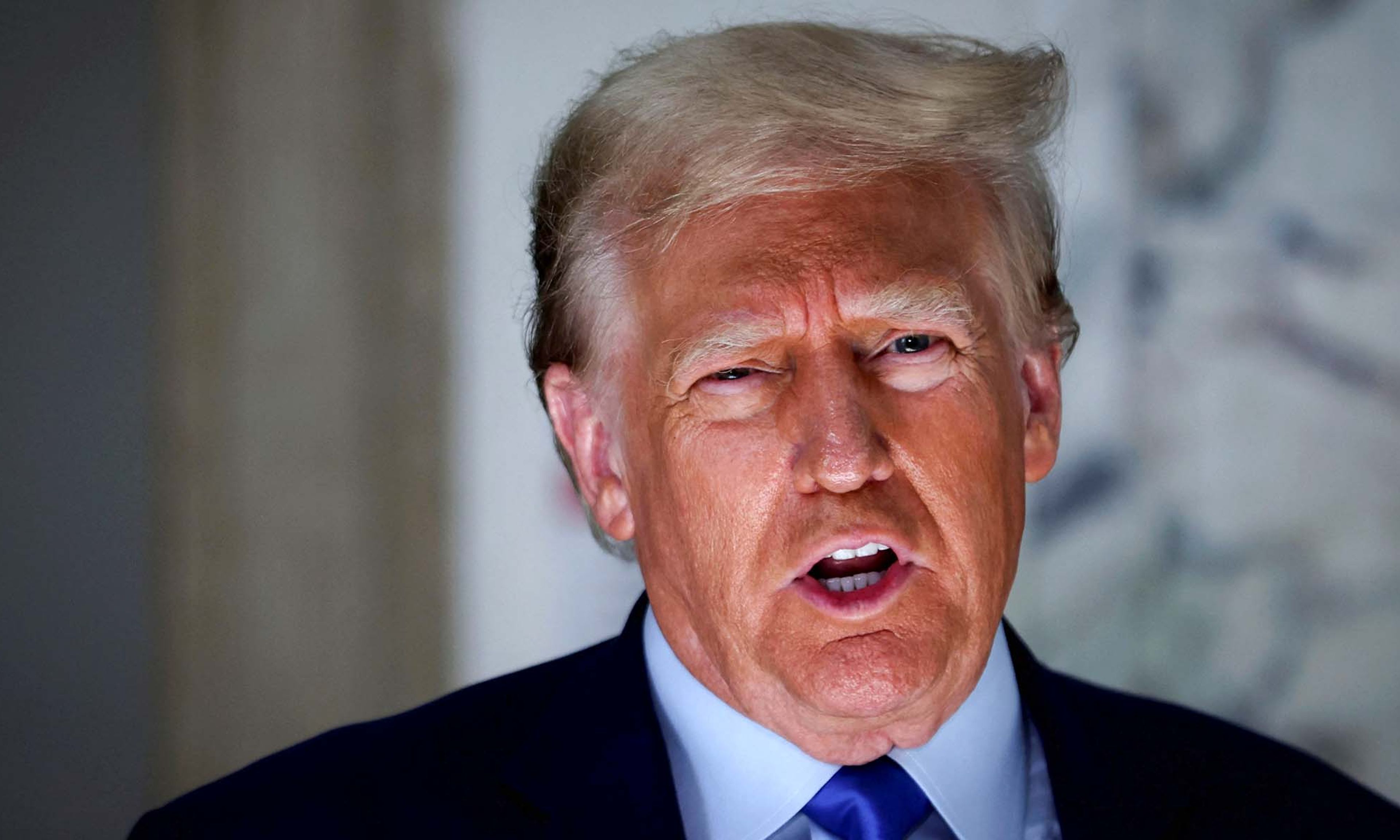
Hence the need for Supreme Court intervention has been clear. When Biden Justice Department special counsel Jack Smith indicted Donald Trump, though, the ramifications of the high Court’s eventual review became profound indeed. The obstruction law at issue is the heart of Smith’s case against the former president, who is also the prohibitive front-runner for the Republican presidential nomination. Starting on March 4 — in the middle of the campaign, on the day before Super Tuesday — Trump is slated to face a two- to three-month trial in Washington, D.C., on a four-count indictment central to which are two felony obstruction charges brought under the controversial statute, each of which carries a potential 20-year prison sentence.




Comments