EDITOR’S NOTE: This article appears in the April 19, 2004, issue of National Review.
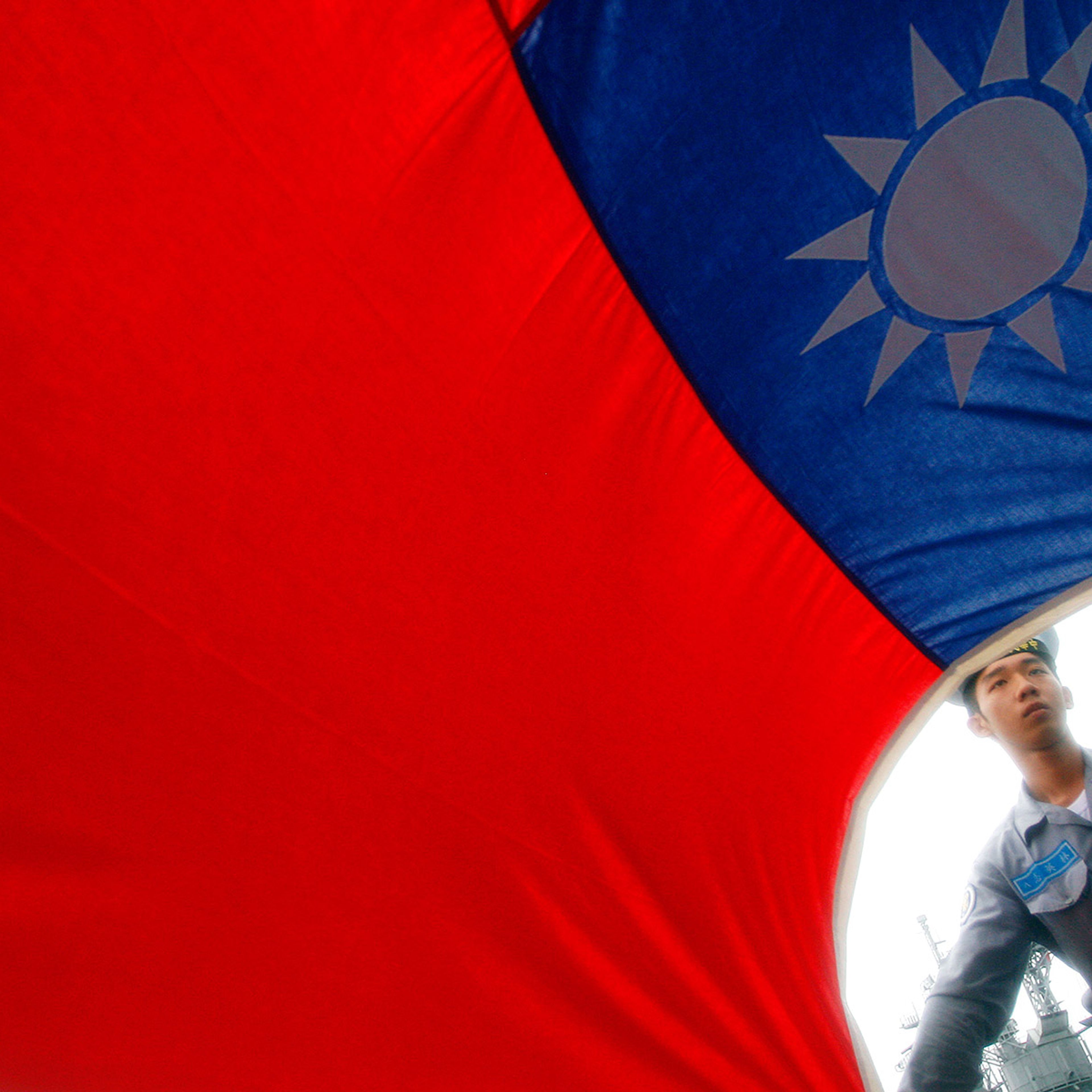
Taiwan’s bitterly fought presidential election in March and its even more bitter aftermath have provided the United States with a daunting glimpse of what could go wrong on the democratic island off China’s east coast. The post-election turmoil demonstrated that the potential for political instability there is much greater than previously thought. That’s good news for Beijing–which will exploit any opportunity to realize its ambition of conquering the island–and bad news for the United States, Taiwan’s best friend and sole military ally (if only de facto).
President Chen Shui-bian’s re-election campaign was marked by a defiant stance toward China and an emotional appeal to the separate Taiwanese identity that has flowered since Taiwan’s first democratic election more than a decade ago. Nevertheless, even his close supporters privately concede that he was headed for decisive defeat at the hands of the Nationalist party (Kuomintang or KMT) candidate, Lien Chan, until the eve of the election, when Chen gained public sympathy after being slightly wounded in a shooting incident.
YOU CAN READ THE REST OF THIS ARTICLE IN THE CURRENT ISSUE OF THE NEW DIGITAL VERSION OF NATIONAL REVIEW. IF YOU DO NOT HAVE A SUBSCRIPTION TO NR DIGITAL OR NATIONAL REVIEW, YOU CAN SIGN UP FOR A SUBSCRIPTION TO NATIONAL REVIEW here OR NATIONAL REVIEW DIGITAL here (a subscription to NR includes Digital access).




Comments