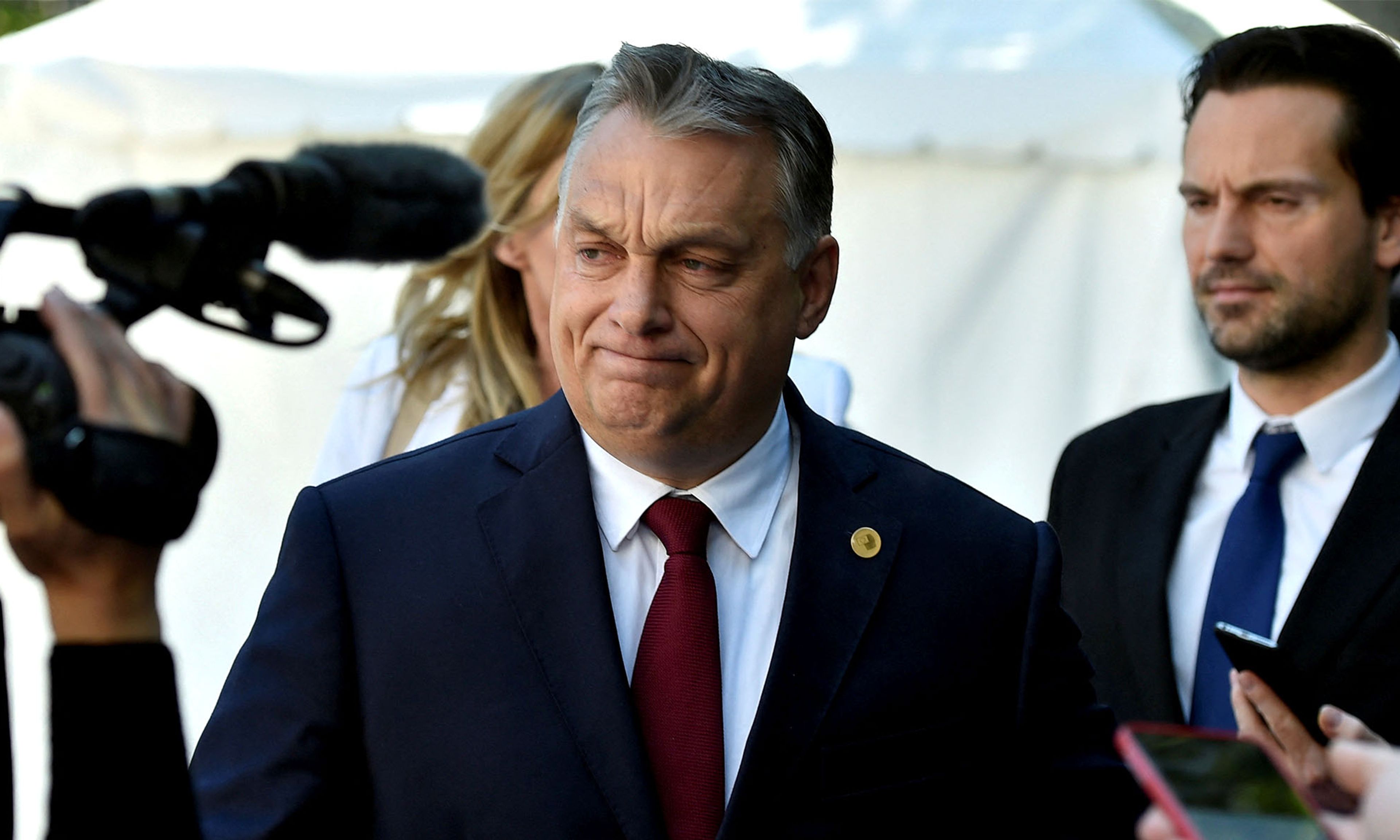
I find many of the American debates over Viktor Orbán to be tiresome. On one hand, Orbán is close to the best leader one could hope for within the parameters of Hungarian politics; consult the history of his predecessors if you disagree. Hungary has the misfortune of having been — as an independent state and, previously, as part of the Austrian Habsburg empires — on the losing side of the Cold War, the Second World War, the First World War, and most of the major conflicts of the preceding four centuries. In the three decades since the end of the Soviet empire, it has often found itself on the losing end of intra-European debates. For good reasons, Hungarians have neither the faith in their leaders nor the trust in their neighbors that Americans or Englishmen have. That also explains much about Hungarian skepticism about the cause of its Ukrainian neighbor. Orbán reflects more of the democratic will of his country than his foreign critics are willing to acknowledge.
On the other hand, any sensible American should see that Orbán is obviously not a good role model for any American politician, partially because he reflects a nation and culture that are not our own. Hungary remains a comparatively poor country, and Orbán has done little to improve its economic standing. The results of his well-meaning social policies have been mixed at best. His foreign policy is often at odds with American interests. He has treated press freedom and other civil liberties in ways Americans would rightly find intolerable. It would be a bad bet for any American conservative to lash himself to defending every aspect of Orbán’s rhetoric.



Comments