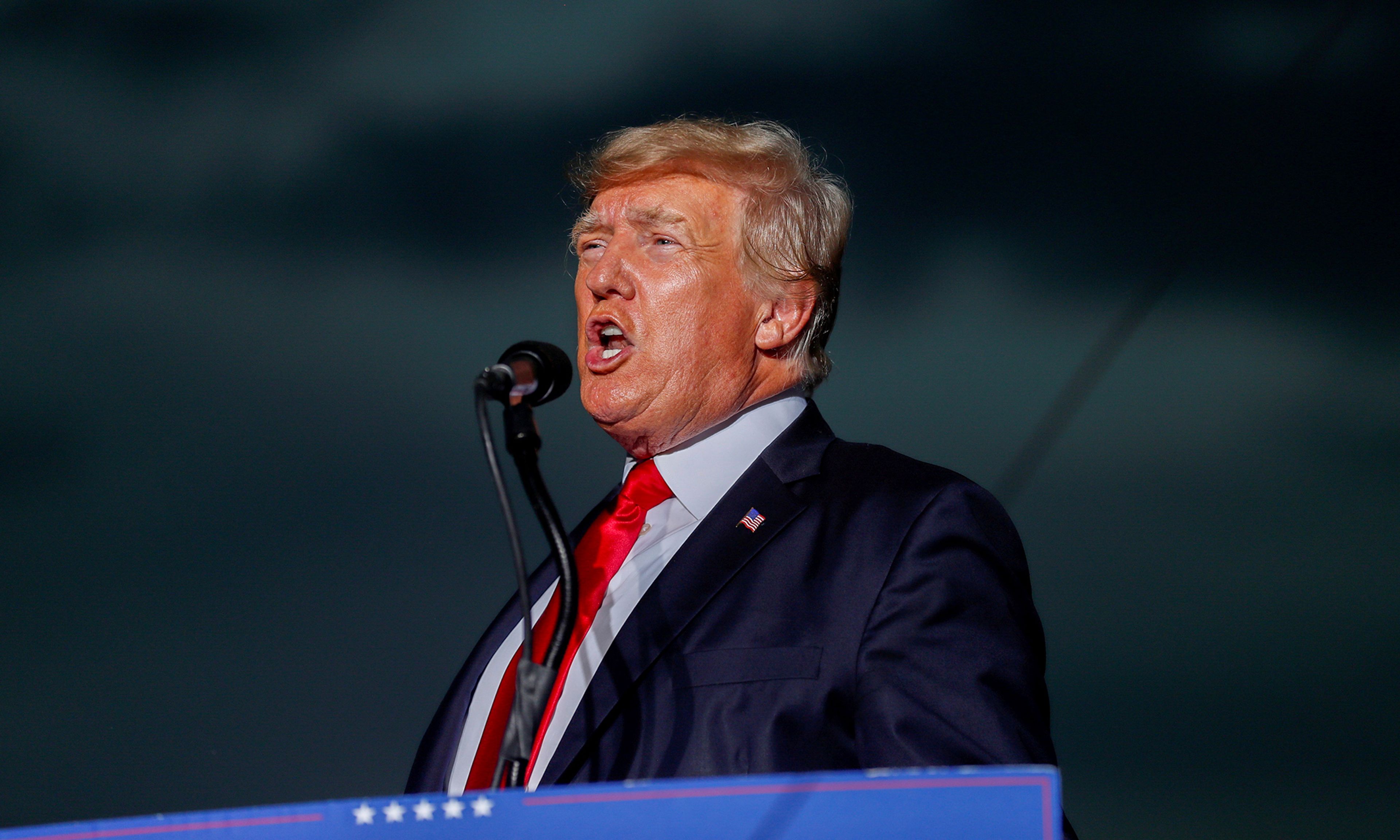
In a short opinion last night, the Supreme Court rejected former President Donald Trump’s effort to block disclosure of records from his tenure in office by asserting executive privilege. The records, which are in the possession of the National Archives, have been sought by the House January 6 committee, which is aggressively investigating Trump’s role in the Capitol riot. The Court’s ruling upheld the unanimous decision of a three-judge panel of the D.C. Circuit Court of Appeals. (I covered the Circuit Court’s decision here.)
Only Justice Clarence Thomas parted company with the Court’s consensus, and he did not elaborate on why.





Comments