
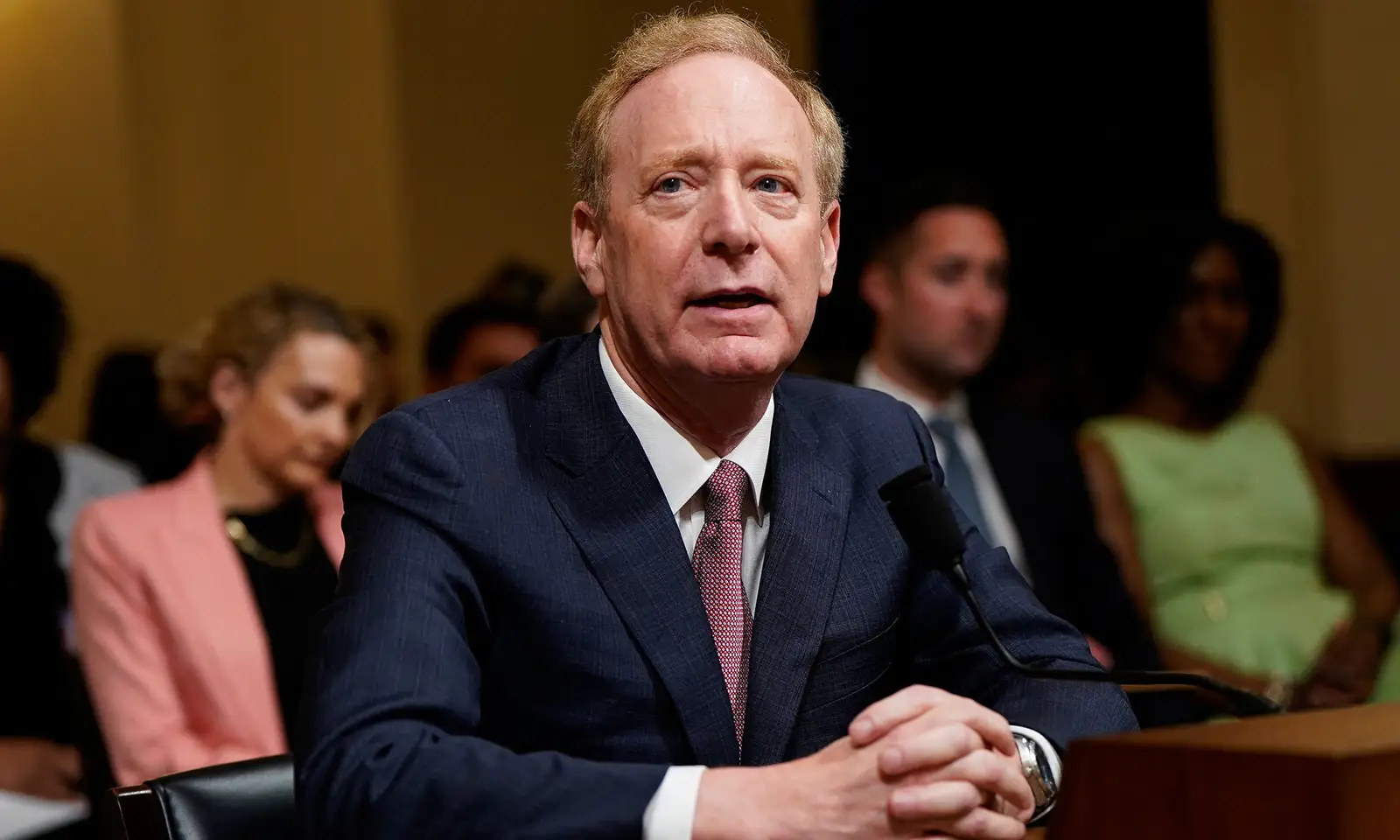
It’s no secret that U.S. companies with a presence in China are compelled, under the country’s 2017 national intelligence law, to cooperate with its intelligence services. The U.S. intelligence community has repeatedly warned American businesses that the law is a risk to their operations in the country. It did so last July, in a bulletin that said the law creates a legal responsibility for business to “provide access to, or collaborate with, the PRC’s intelligence efforts.”
But during testimony before Congress last Thursday, Microsoft vice chairman and president Brad Smith denied that his company is subject to the law. Microsoft has both a presence in China and contracts covering the Pentagon’s cloud computing and other essential government services.



Comments
On “Microsoft Claims It Is Exempt from China’s National Intelligence Law, Echoing Huawei and TikTok”