
Fredericksburg, Texas — In this town, this week, they are celebrities. Over 80 survivors of the attack on Pearl Harbor have gathered here for the bi-annual meeting of the Pearl Harbor Survivors Association. The town greeted them with parades and honors. Today, a formation of F-16s will fly over their memorial event in front of the National Museum of the Pacific War (Admiral Chester W. Nimitz, commander of the Pacific fleet during World War II, was a Fredericksburg native).
One of them, 85-year-old Frank Curre Jr., agrees to talk to me. His story is harrowing. He was only 18 when his ship, the U.S.S. Tennessee, was bombed in the attack. He saw the U.S.S. Arizona explode when a bomb ignited its ammunition magazine. He describes the resulting carnage as “like someone threw up a box of popcorn into the air, the popcorn was the men coming off her.”
Curre lived through hell, but today he has an easy smile and a doting daughter. He speaks about his experience at schools, and this week people have asked for his autograph. At the same time, he knows that Pearl Harbor Day isn’t as widely observed as it used to be. His hometown of Waco, Texas, stopped holding official memorial events long ago. “Usually it’s just him and three other guys” who get together to observe the day, his daughter tells me.
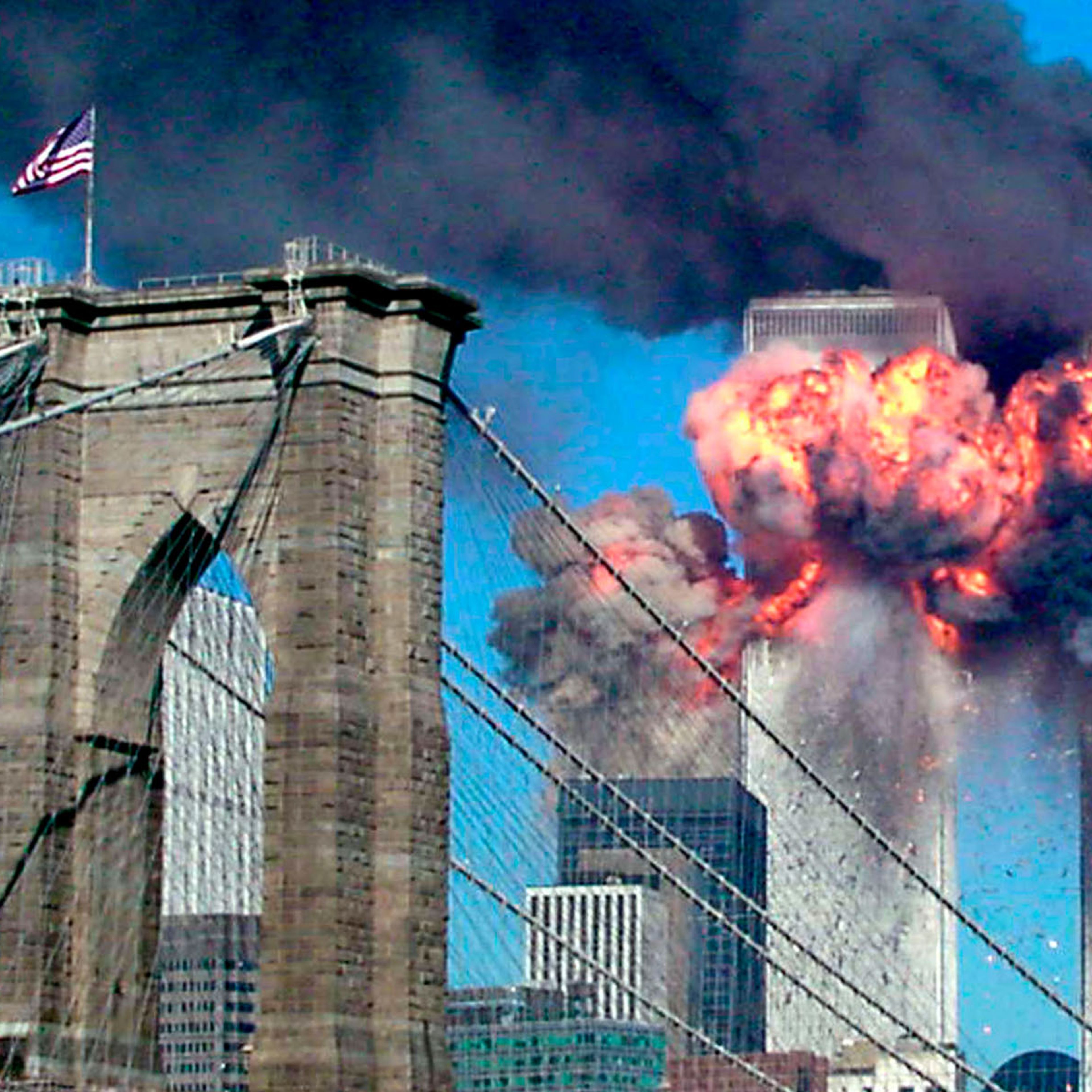
This bothers him. “If we forget Pearl Harbor and all that we went through, we’re doomed in the future,” he says. He draws parallels between Dec. 7 and Sept. 11. “If we go so long without being attacked, we let our guard down,” he says. “That’s when they hit us.”
Helen McDonald, a historian with the Nimitz Foundation, sees an even more disturbing parallel between the late 1930s and the present. “The U.S. was still in a deep depression” in the years prior to the attacks, she says. Even with a war raging overseas, “we were really more focused on our own problems.”
It’s a question worth pondering this Pearl Harbor Day: How can we adequately remember heroes of past wars when we can’t even focus on the two wars we’re fighting now? As the surge strategy in Iraq brought about a sharp decline in U.S. military deaths — from around 80 a month to 17 in November — first the campaign, then the economic crisis crowded the war off the nightly newscasts and front pages.
All eyes are on President-Elect Barack Obama’s new New Deal, but the world remains as dangerous as it was when FDR was passing the old one. The Department of Homeland Security has warned that the transition between presidents presents an inviting opportunity for terrorists to strike, and an offshoot of al-Qaeda has unveiled a devastating new strategy in Mumbai. “We forget about Pearl Harbor and then we’re surprised about what happened in India,” Frank’s daughter says, referencing the recent attacks.
But even if we pay closer attention to the threats, how do we prevent them from manifesting themselves as surprise attacks on Americans? Before the Bush Doctrine became a cheap punchline at Sarah Palin’s expense, it was offered as a sincere answer to that question. It is not clear whether our struggles in Iraq have discredited the idea of preventive warfare for all time, but one wouldn’t expect to find it in Obama’s foreign-policy toolkit. This is a real concern. Clearly, the intelligence community is not capable of keeping America safe or even of properly guiding the use of preventive force. Obama will have to think creatively about this question if we are to have no more dates that live in infamy.
It’s good to see the heroes of Dec. 7 honored here in Fredericksburg. They deserve it. But paying tribute to them serves another important function. It reminds us to honor the heroes of today, and to think deeply about ways to keep them out of the wars of tomorrow.



Comments