
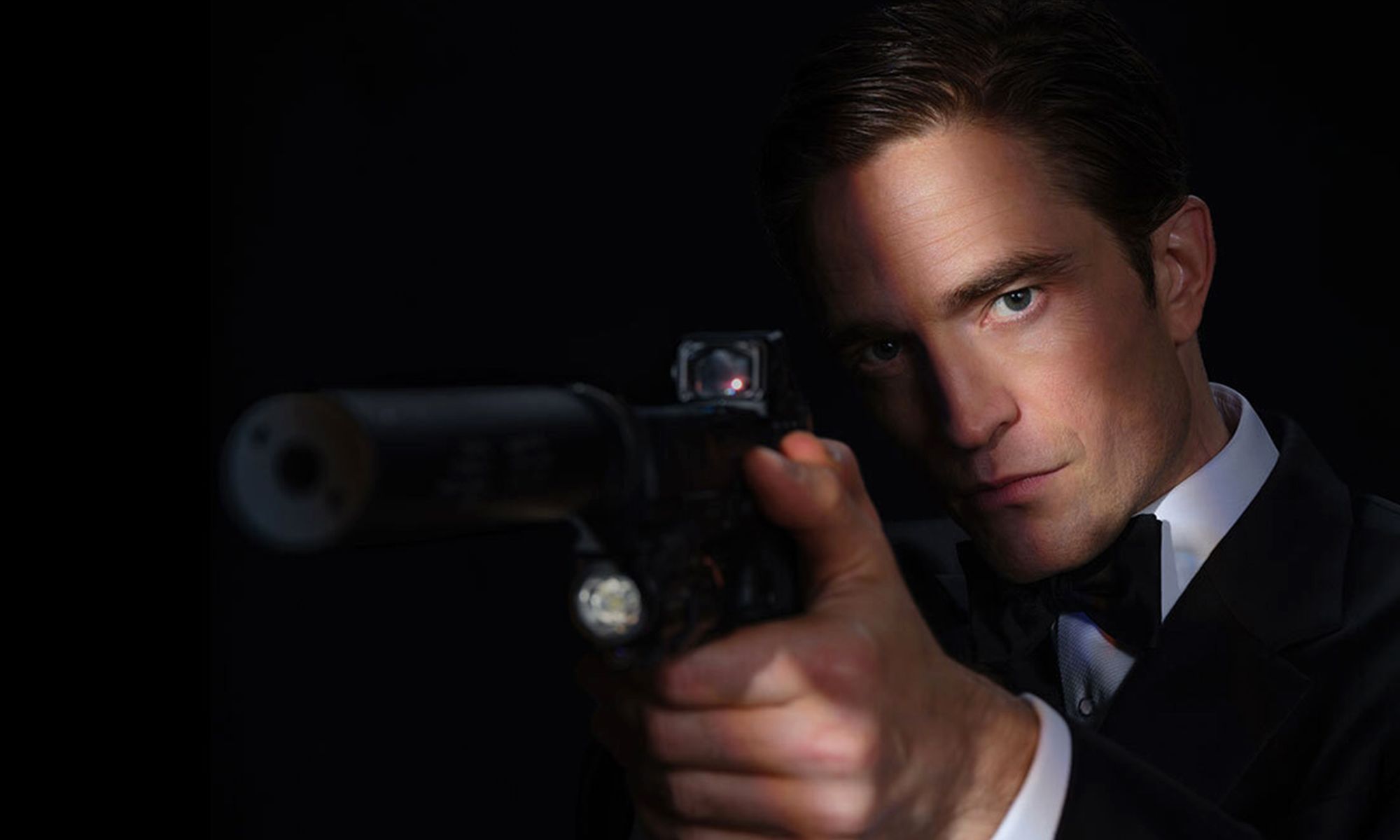
It’s official: is the new . The Englishman known for his roles in such varied films as Twilight, The Lost City of Z, The King, The Batman, and The Odyssey will take on the role of Ian Fleming’s world-famous British spy.
Back in February 2025, when took a big stake in the production of forthcoming Bond films (in the intervening years, Amazon has wrested creative control from the Broccoli family, the franchise’s longtime producers), I gave some unsolicited advice that I still stand by: Put James Bond Back in the Cold War.
There’s a lot of talk that Bond films must be set in the present era, that part of Bond’s charm is that he’s always “timeless” as he moves through the decades. That’s a lot of crock. The Sean Connery Bond movies have no sense at all that they’re timeless. No one meant them to be so. They’re set during the Cold War, and discernibly in the ’60s.
If Amazon set the new Robert Pattinson films in the Swinging Sixties, “Bond could return to fighting Soviet Commies, always glorious cinematic baddies, and international terrorists but in an earlier, more elegant age. And there’d be no need to pay any heed to the previous canon or write in artificial fan service.”
Also — one of the worst things about the post-2000 Bond films is that Bond is constantly on his cellphone.
James Bond should not be texting! James Bond should not be sending emojis! James Bond should not be downloading the Waze app on his Nokia smartphone!
Even worse, in recent movies, Bond is practically always being surveilled, tracked, and watched over by friends and foes alike. Setting the films back in the Cold War would put Bond back in an era in which MI6 can’t track him with the push of a button and where he’s truly on his own. Let James Bond use his wits to get out of a jam, instead of simply calling up the cavalry to come help out.
I also explained how and why I thought James Bond’s backstory could be told — but just not all at once in the first “reboot” movie.
But you can read the whole thing here.


Comments