
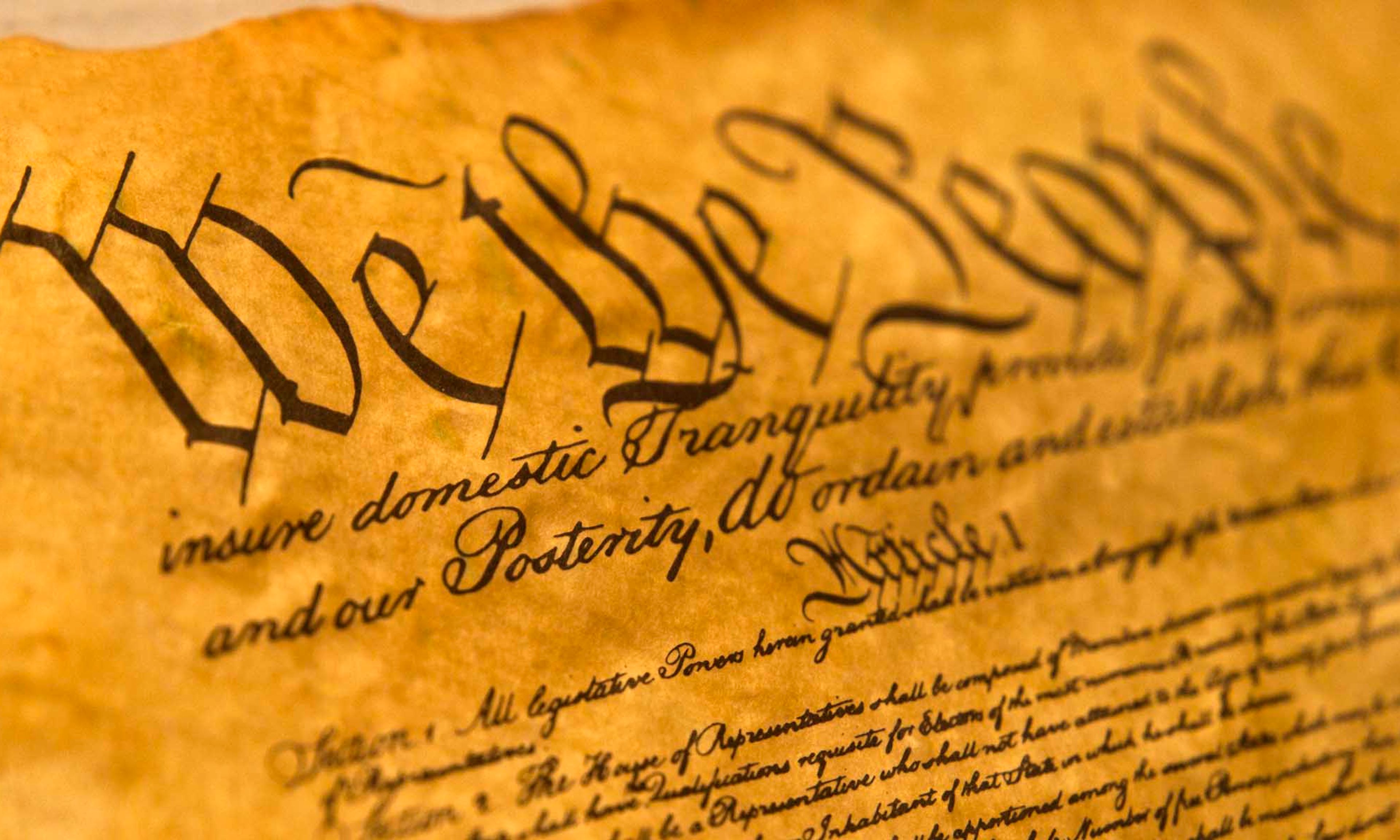
The New York Times is at it again. Book critic Jennifer Szalai published a long essay with the inflammatory title and subhead of “The Constitution Is Sacred. Is It Also Dangerous? One of the biggest threats to America’s politics might be the country’s founding document.” It’s the usual collection of gripes about the functioning of the Electoral College and the Senate, of the sort that feature regularly in Democratic and media tantrums when they don’t get their way; willful misunderstandings of the motivations and methods of originalism; and arguments that the Constitution is hopelessly tainted by slavery — arguments that rest on a fair amount of mythologizing about how we got the Electoral College. Yuval Levin’s pro-Constitution argument in American Covenant is given halfway-respectful treatment, but Szalai makes some key mistakes, such as taking as a critique of originalism his entirely reasonable point that legal originalism in the courts isn’t enough by itself to make our constitutional system work if the political branches don’t also do their jobs.
Critics such as Szalai and those she cites lack the perspectives of time, comparative government, and practical philosophy. Sure, we don’t elect the head of our government by national popular vote. But few modern democracies do — if Canadian elections worked that way, Justin Trudeau would have lost his last two elections. The French, the most conspicuous counter-example, have had trouble from the beginning with the power of their presidency. Sure, our federal government often deadlocks — but that’s OK because, in the absence of a clear, national consensus, we’re supposed to be governed by state governments.




Comments