
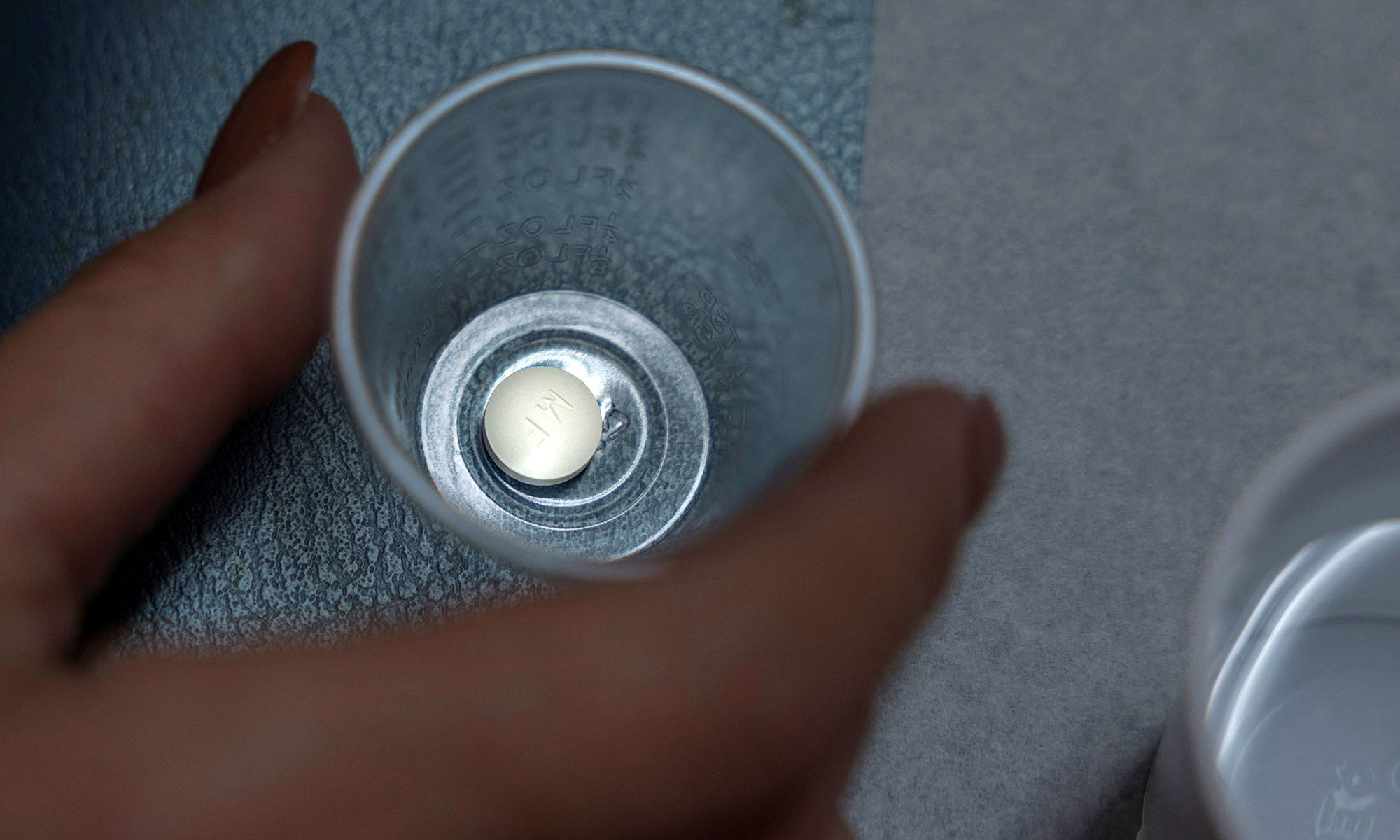
This morning, the Ethics and Public Policy Center released the results of a new study on the health risks of chemical abortions. Obtaining data from a private health insurance registry, they were able to analyze health outcomes from over 800,000 women who obtained chemical abortions between 2017 and 2023. They found that over 4 percent of these women visited an emergency room and that nearly 11 percent suffered a serious adverse event. These risks are far greater than the health risks reported by the Food and Drug Administration (FDA).
This study is important for several reasons. First, it considers relatively recent data on the health outcomes of women who obtained chemical abortions. Most of the previous research on the safety of chemical abortions analyzed older data. Prior to 2016, women obtaining chemical abortions had to make multiple in-person visits to a medical professional. Additionally, only pregnant women at less than seven weeks’ gestation could obtain chemical abortions.





Comments