
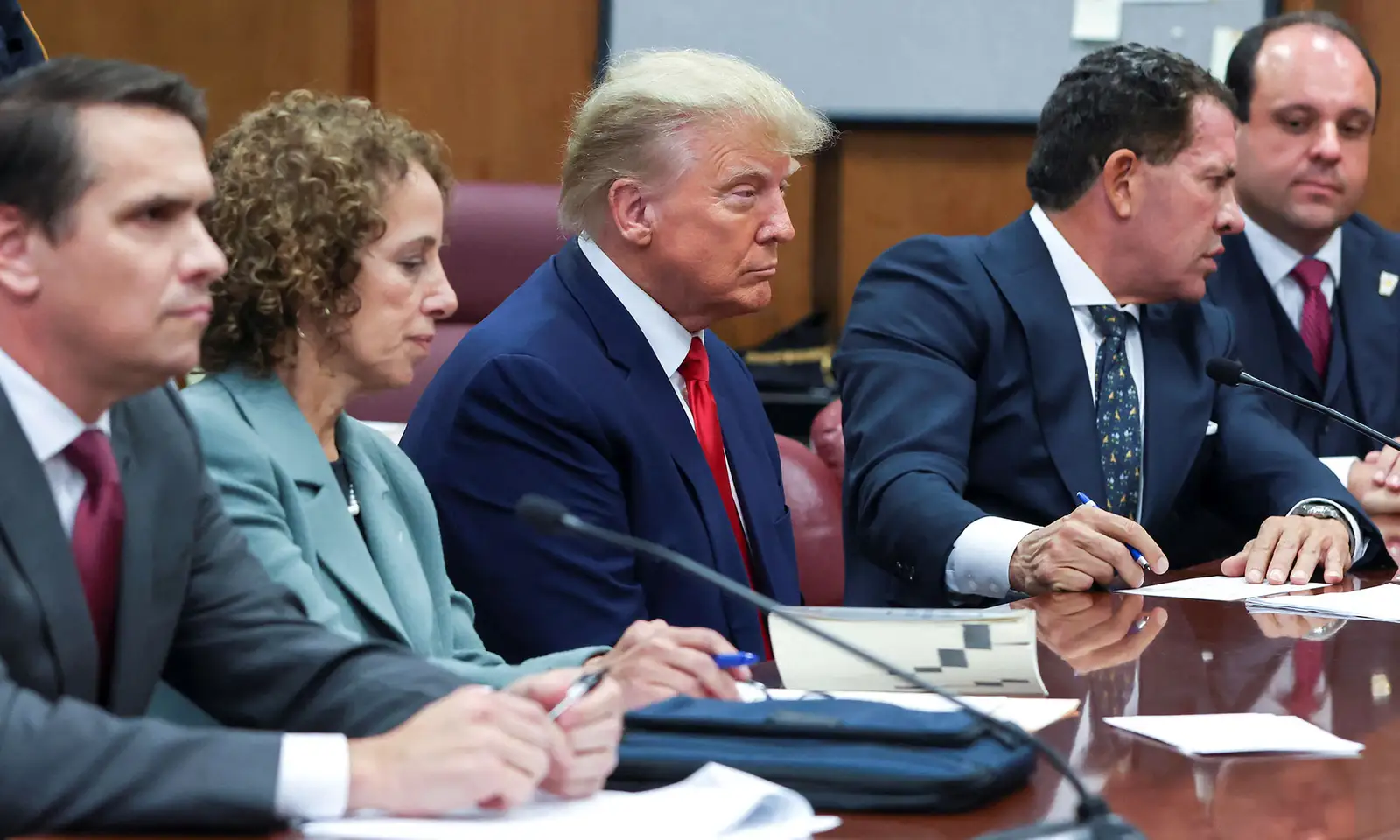
We now have the Donald Trump indictment, and we also have a Statement of Facts laying out the prosecution’s theory underlying the bare-bones allegations in the indictment. For all of the huffing and puffing about how we ought to wait to see the indictment before judging it, it turns out that there is nothing here beyond what was reported in the press in advance. This is exactly what we expected; if anything, it is worse. To call this thin gruel is an insult to thin gruel.
In a nutshell, Manhattan district attorney Alvin Bragg’s theory is as follows. First, Donald Trump had his lawyer, Michael Cohen, pay off porn star Stormy Daniels to keep quiet about her alleged affair with Trump in advance of the 2016 election. Second, it was agreed all along that Trump would reimburse Cohen for the payments, which he did by writing a series of checks between February 2017 and December 2017. Third, Trump wrote on the checks that these were for legal fees pursuant to a retainer agreement, and the Trump Organization and its various business entities recorded them in their books as such. Bragg alleges that these business records were false. He has charged Trump with 34 instances of falsely recording these payments, each of them charged as a separate felony.

Comments
On “The Ridiculousness of the Trump Indictment, Part One: The Statute of Limitations Problem”