
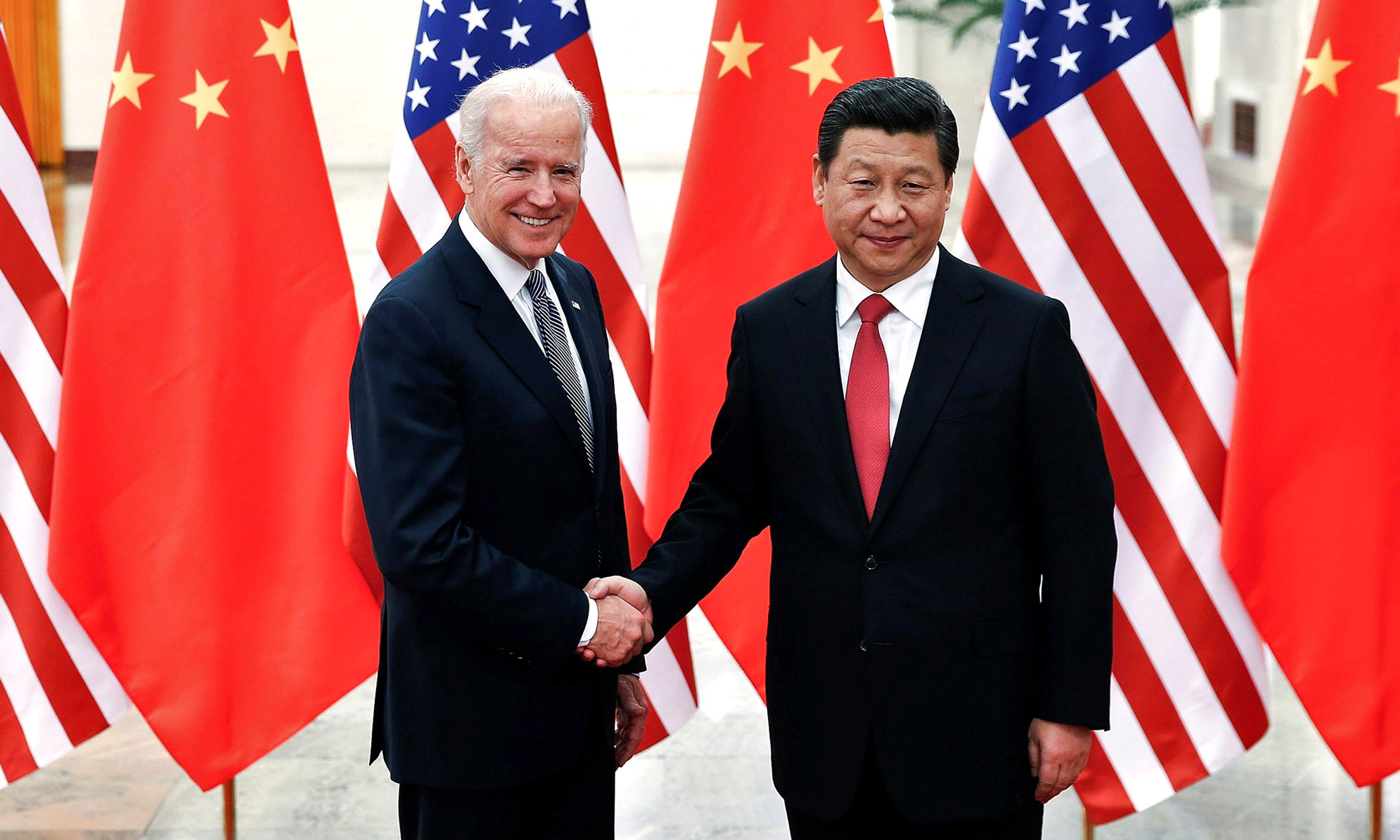
All eyes are on Europe this week, as Secretary of State Antony Blinken is meeting top EU, NATO, and European leaders. The focus of the meetings has already been China — and just yesterday, the U.S., EU, U.K., and Canada unveiled a coordinated sanctions campaign targeting Chinese Communist Party officials for their role in the Uyghur genocide. Blinken’s goal is to bring America’s transatlantic partners around a unified transatlantic approach to China.
Now, the Financial Times is reporting that Blinken and his EU counterpart Josep Borrell are expected to relaunch the U.S.-EU Dialogue on China, which started last fall but was paused just before the 2020 election. The piece quotes a curious comment by a senior U.S. administration official regarding the summit in Anchorage last week:
One senior US official stressed that Blinken’s sparring with Yang Jiechi, China’s top foreign policy official, did not mean Washington would not co-operate with Beijing. “The theatrics around the opening remarks did not reflect the civil, candid and substantive discussions that followed,” she said. “We’re clear with other nations that they shouldn’t feel the need to choose between the US and China and that we will work with China when we assess it’s in the interests of the American people.”
“The theatrics around the opening remarks did not reflect the civil, candid and substantive discussions that followed,” she said. “We’re clear with other nations that they shouldn’t feel the need to choose between the US and China and that we will work with China when we assess it’s in the interests of the American people.”
If anything, the Chinese side’s carefully calibrated histrionics should have disabused top Biden administration officials of any desire to cooperate with Beijing. The most recent round of Xinjiang sanctions — though not as far reaching as they could have been — reflect a united approach to China, and Beijing’s decision to impose its own sanctions on European researchers and politicians in response should be a wake-up call to those who still favor cooperation with the Chinese party-state. With any luck, the CCP’s latest outburst killed any prospects of the European Parliament voting to ratify the Comprehensive Agreement on Investment, the trade deal in which European leaders ignored calls to take a stronger stance on human rights.
In other words, Beijing has handed Washington the diplomatic advantage on the continent this week. The administration ought to continue to build on that position of strength, not squander that advantage by telling U.S. allies that they shouldn’t feel compelled to make a choice.





Comments