
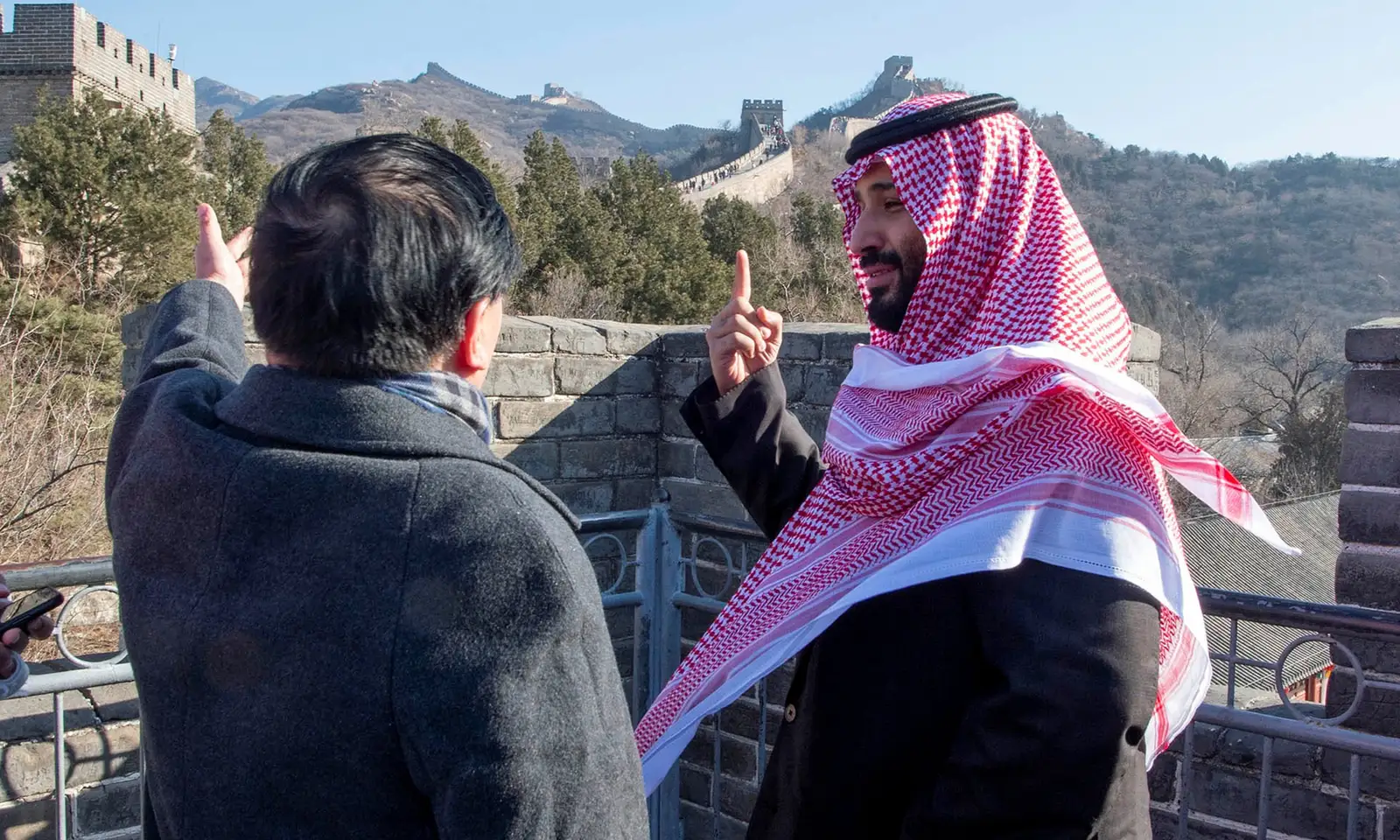
The Wall Street Journal has an attention-catching scoop on an apparent Saudi trial balloon indicating that the Kingdom might price some of its oil sales in yuan, instead of the U.S. dollar. It’s entirely possible that the Saudis won’t go through with this move, but the news that this is under consideration is jolting nonetheless.
The reason for this is fairly straightforward, as the Journal laid out in the story’s opening paragraphs. Declining trust in U.S. security guarantees as the administration negotiates a return to the Iran deal and distances itself from Riyadh:
The talks with China over yuan-priced oil contracts have been off and on for six years but have accelerated this year as the Saudis have grown increasingly unhappy with decades-old U.S. security commitments to defend the kingdom, the people said.
The Saudis are angry over the U.S.’s lack of support for their intervention in the Yemen civil war, and over the Biden administration’s attempt to strike a deal with Iran over its nuclear program. Saudi officials have said they were shocked by the precipitous U.S. withdrawal from Afghanistan last year.
China buys more than 25% of the oil that Saudi Arabia exports. If priced in yuan, those sales would boost the standing of China’s currency. The Saudis are also considering including yuan-denominated futures contracts, known as the petroyuan, in the pricing model of Saudi Arabian Oil Co. , known as Aramco.
There’s more at play here, as the story notes, including stepped-up Chinese diplomatic overtures intended to win over the Saudis. A Saudi official told the WSJ: “The dynamics have dramatically changed. The U.S. relationship with the Saudis has changed, China is the world’s biggest crude importer and they are offering many lucrative incentives to the kingdom.”
But above all else, this distancing, which could also be seen in the Saudi refusal to take a call from President Biden to discuss the Ukraine crisis, is a response to the current administration’s policies, which feature a rhetorical emphasis on human rights with half-hearted follow-through on the president’s pledges to turn Saudi Arabia into a pariah over the horrific killing of Jamal Khashoggi. And Beijing stands to benefit from this indecisive policy that still manages to alienate a key Gulf ally.


Comments
On “What Moved Saudi Arabia to Embrace China”