
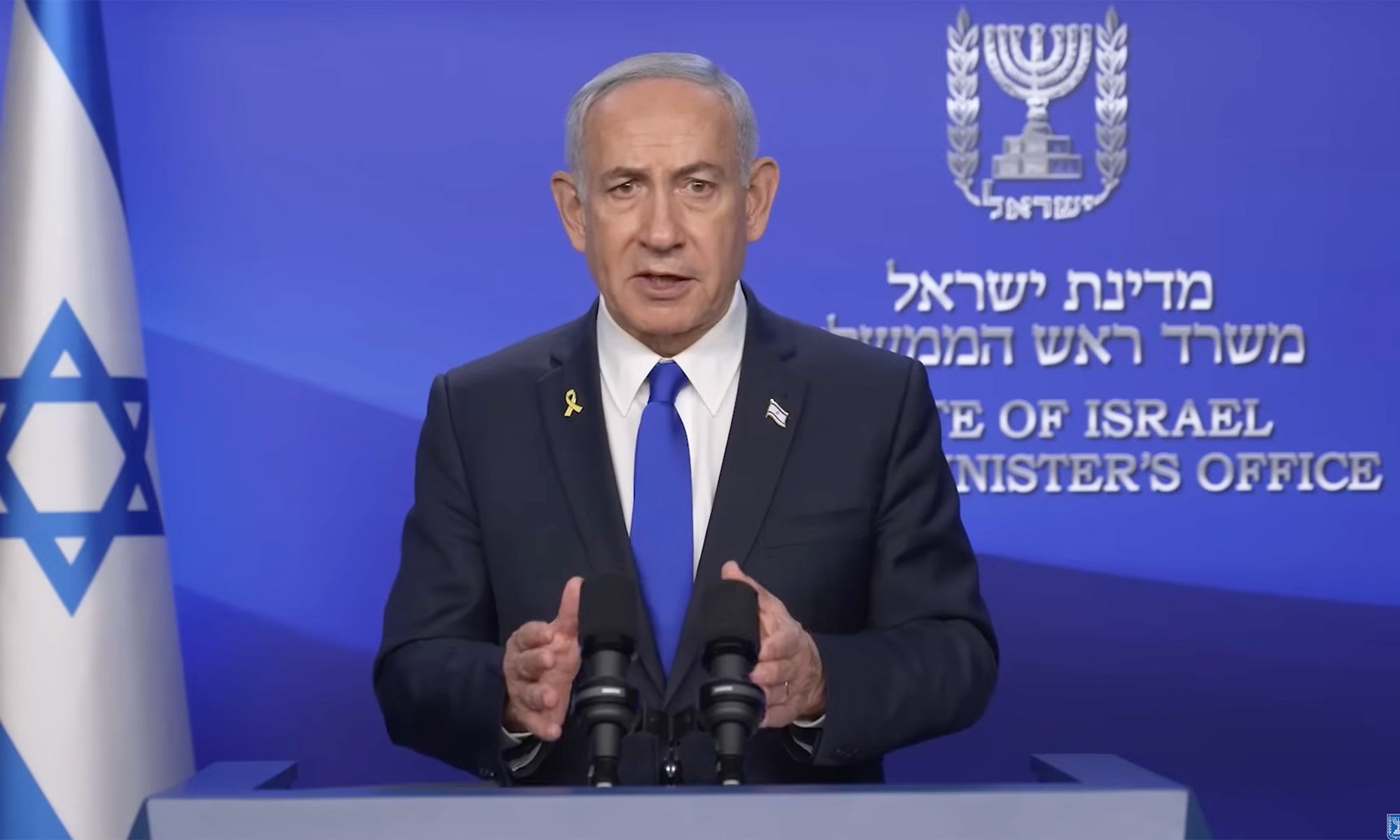
Over the past several decades, we’ve read so many stories about the possibility of an Israeli strike on Iran’s nuclear program that it’s almost hard to believe that it is actually happening. There are lots of reports flying around right now (including reports that Israel may have taken out top Iranian military leaders and nuclear scientists), so it’s best to wait until a more official damage assessment to say more about the details. But what we can tell at this point is that this is the big one — an extensive attack on Iran’s nuclear program that Israeli Prime Minister Benjamin Netanyahu said would continue for “as many days as it takes.” The question is, what made things different now from all the other times we read about potential Israeli strikes? I think there were several factors.
One, Iran is more vulnerable than ever, and so this was a unique window to act. Last October, Israel did significant damage to Iran’s air defense systems without losing a single pilot. This not only demonstrated Israel’s ability to attack Iran and get back, but also made them an easier target going forward. Additionally, on two separate occasions, Iran launched hundreds of drones and ballistic missiles at Israel and could not penetrate the joint air defenses of Israel and the U.S. Perhaps most significantly, Israel neutralized Hamas and Hezbollah — Iran’s terrorist proxies who were supposed to be in a position to launch tens of thousands of missiles at Israel from the north and south while Iran attacked. The terror groups are no longer capable of such an assault.





Comments