Having It All
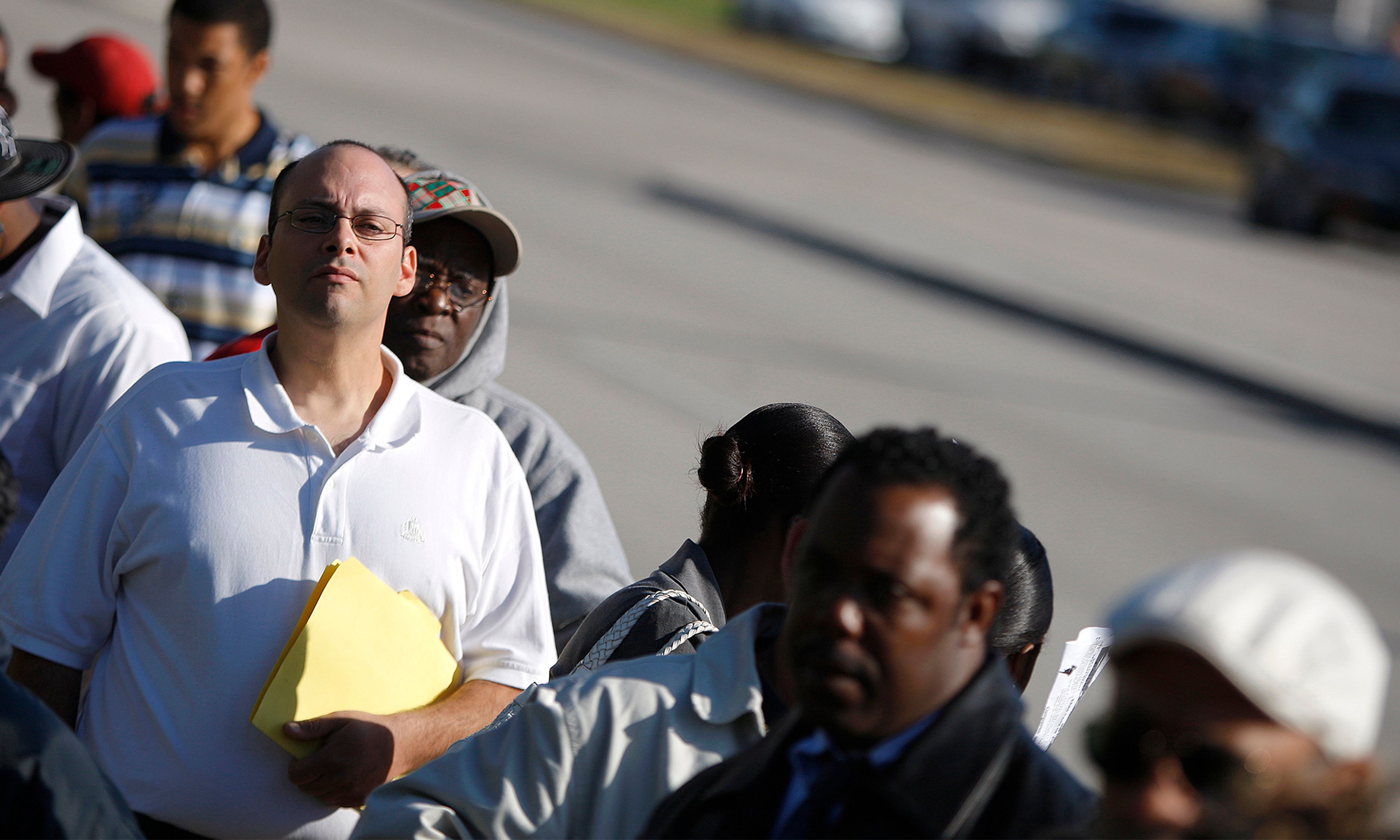
Kevin A. Hassett recently opined that racial differences in layoff rates between white and black employees probably indicate ongoing discrimination (“Racial Recession,” March 22). I find both his premise — that this pattern is caused by discrimination — and his conclusion — that there are solutions — unsatisfactory.
It is nearly impossible to arrive at unbiased conclusions when you try to consider “all” possible explanations, or take into account “all” variables. The reason is simple: That is an impossible task. In this case, for example, Hassett ignores at least one plausible explanation for the racial gap — that on average, some groups perform more poorly than others in their jobs. (If this is so, it could reflect many factors; it is not a simple question of innate ability.)
Mr. Hassett is accusing countless employers of acting against their economic self-interest and violating numerous laws. Conservatives especially should be very wary of accusing millions of nameless people of such behavior.
Furthermore, as an employed member of the public, I find that Mr. Hassett’s remarks simply do not ring true. Bending over backwards does not begin to describe the efforts I have seen to hire, retain, and promote minority employees. And firing minority employees comes with the risk of a lawsuit.
Mr. Hassett contends there are conservative solutions to the problem. But we live in a country that now exalts cultural differences and praises ethnic distinctions. To believe that despite these distinctions we will arrive at some employment balance where all groups are equally represented is naïve.
Patrick M. Flynn
Scottsdale, Ariz.
Kevin A. Hassett Replies: The problem is, there are differences that cannot be explained by anything we can measure. Try as we may, economists cannot explain black/white labor-market differentials in a satisfactory way, no matter how many variables we use. Discrimination is one unobservable that may explain the different outcomes. There may be others as well, but discrimination remains the simplest and most plausible explanation.
He Was a Survivor
In “Rowing Upstream” (March 22), Jay Cost identifies key differences that help explain why the 40th president succeeded where the 44th president did not. I was surprised, though, that the article made no mention of one major factor in Reagan’s first-year success: He survived an assassination attempt, and popular support for him during his recovery blunted his foes’ political weapons.
Mitch Kokai Raleigh, N.C.
Jay Cost Replies: In the Gallup poll prior to the attempted assassination, Reagan’s job approval stood at 55 percent. He enjoyed about a ten-point bounce following the attempt — but most of that was gone by the end of the spring. By late July, Gallup found Reagan back where he was prior to the attack. Reagan signed the Economic Recovery Tax Act in mid-August.












Comments