
California did not invent direct democracy. For that honor, we must look at the New England town meeting, the Swiss cantons, and ancient Athens.
But California is surely at the center of direct democracy today. Its 40 million people make it easily the largest entity to experiment with direct legislation. Californians have proven themselves willing to take on their legislature and either override it or transcend its gridlock. Over the last two generations, California has captured the nation’s attention with initiatives such as Proposition 13 (a property-tax cut) in 1978, Proposition 140 (term limits) in 1990, Proposition 187 (benefits for illegal aliens) in 1994, Proposition 227 (ending bilingual education) in 1998, Proposition 8 (prohibiting gay marriage) in 2008, and Proposition 20 (creating an independent redistricting commission) in 2010.
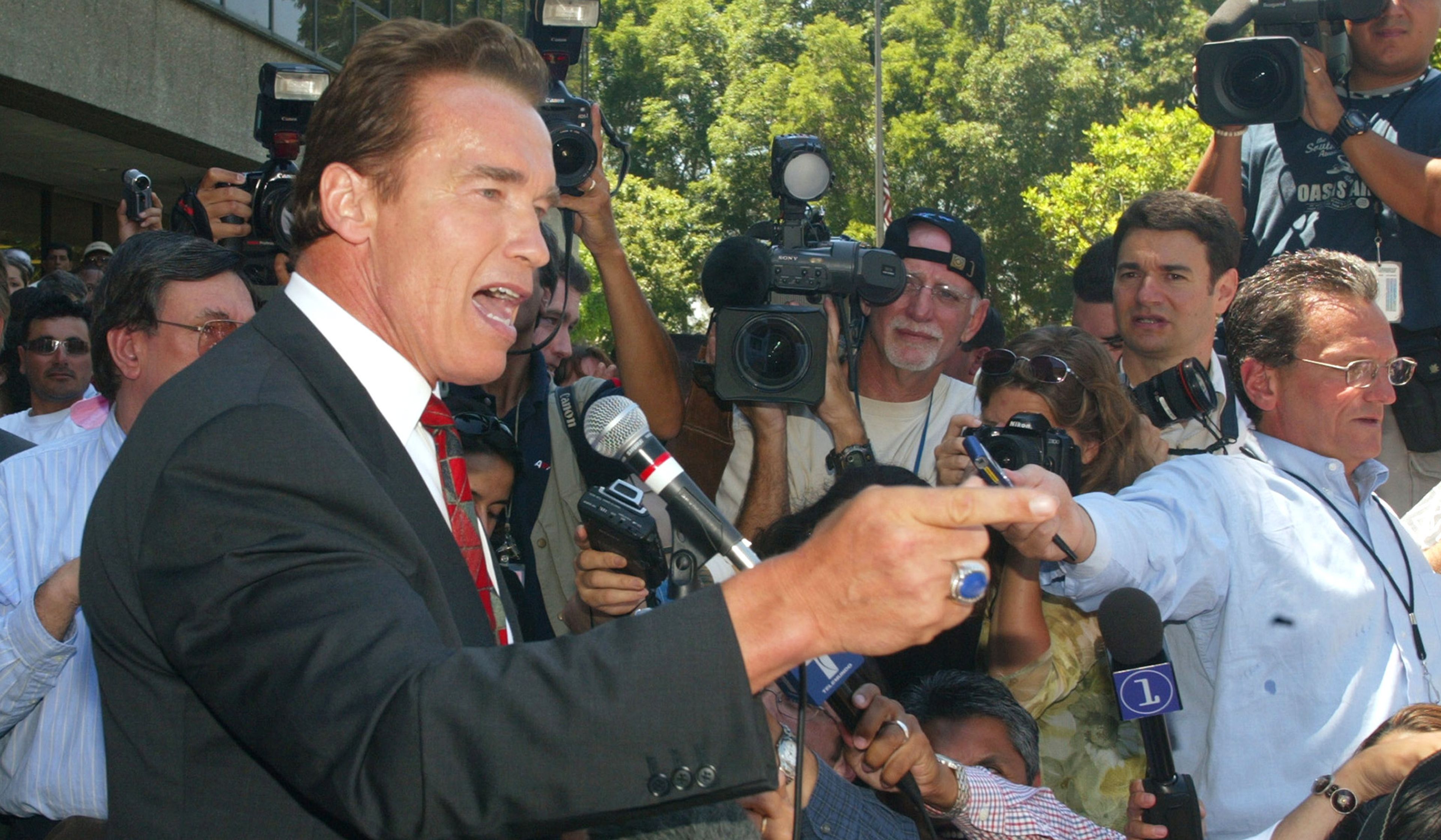
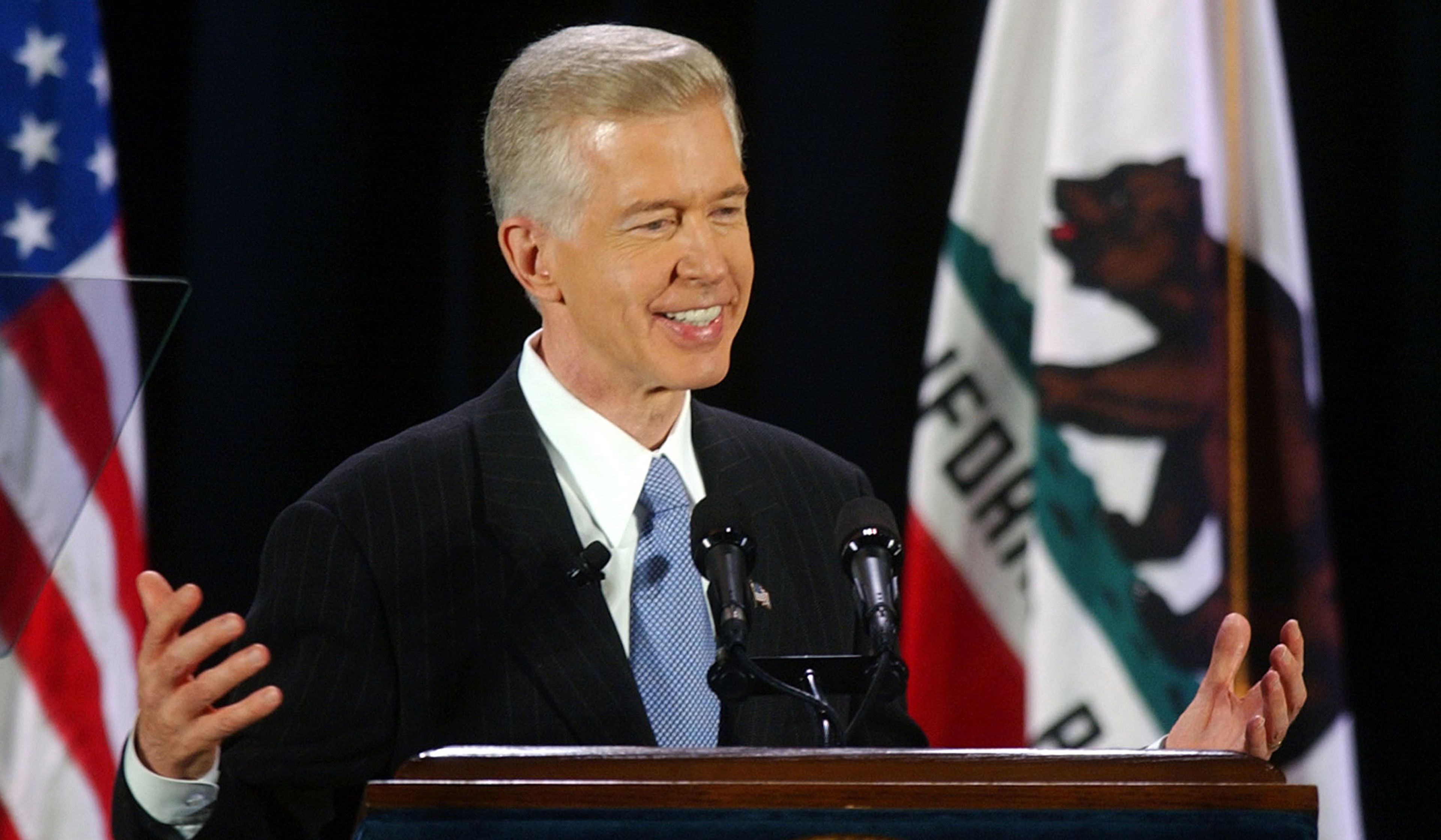
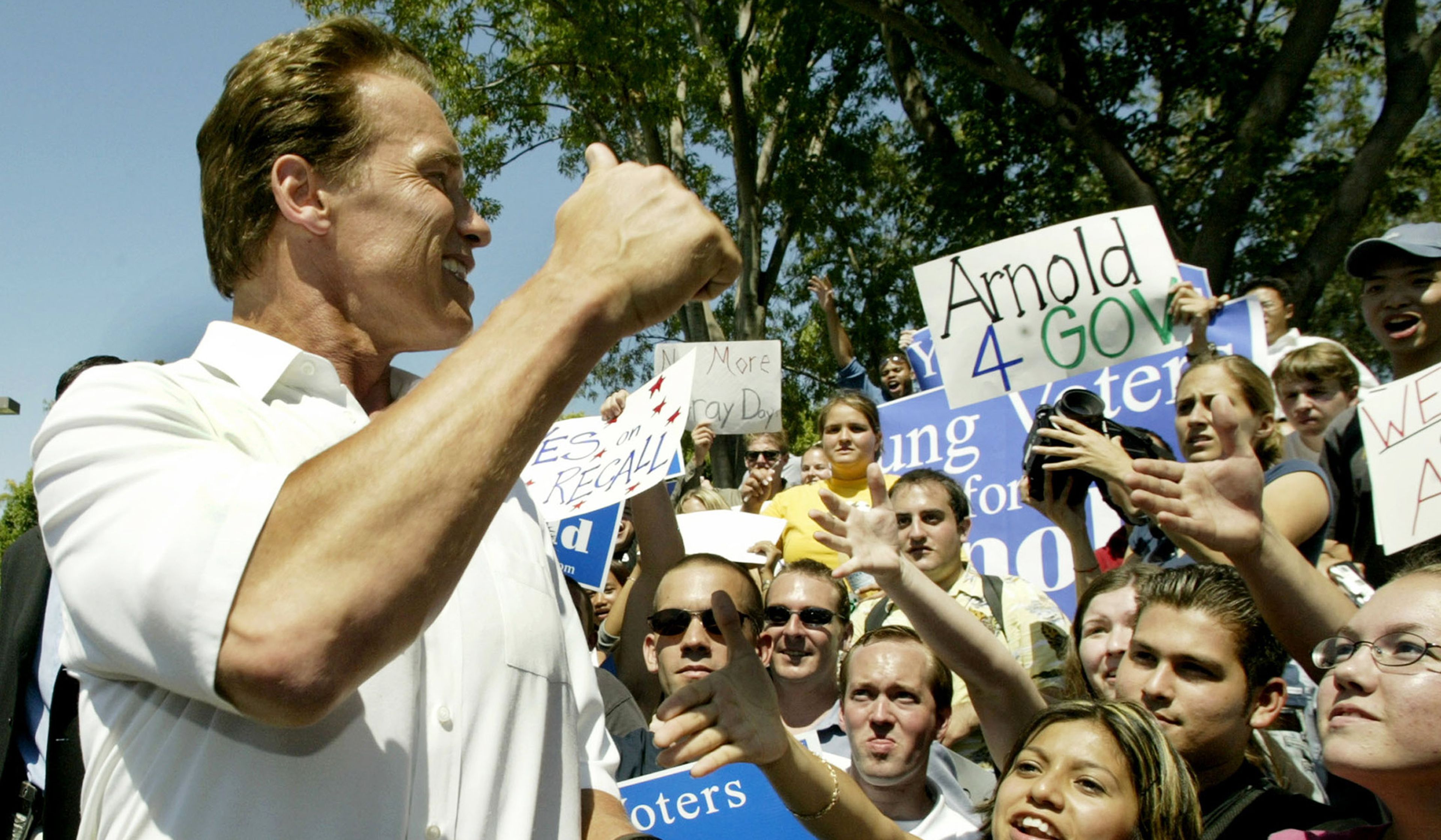
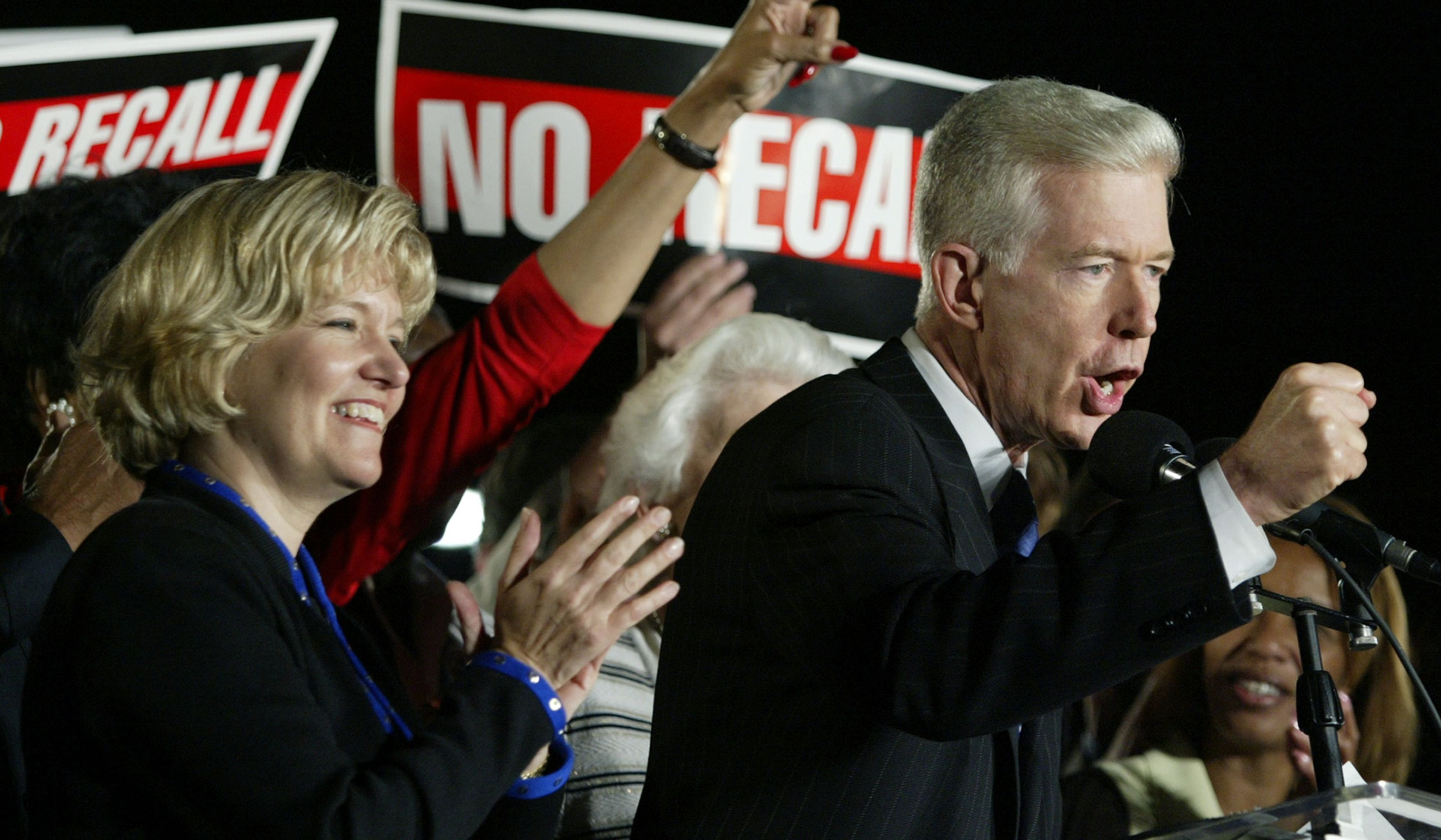
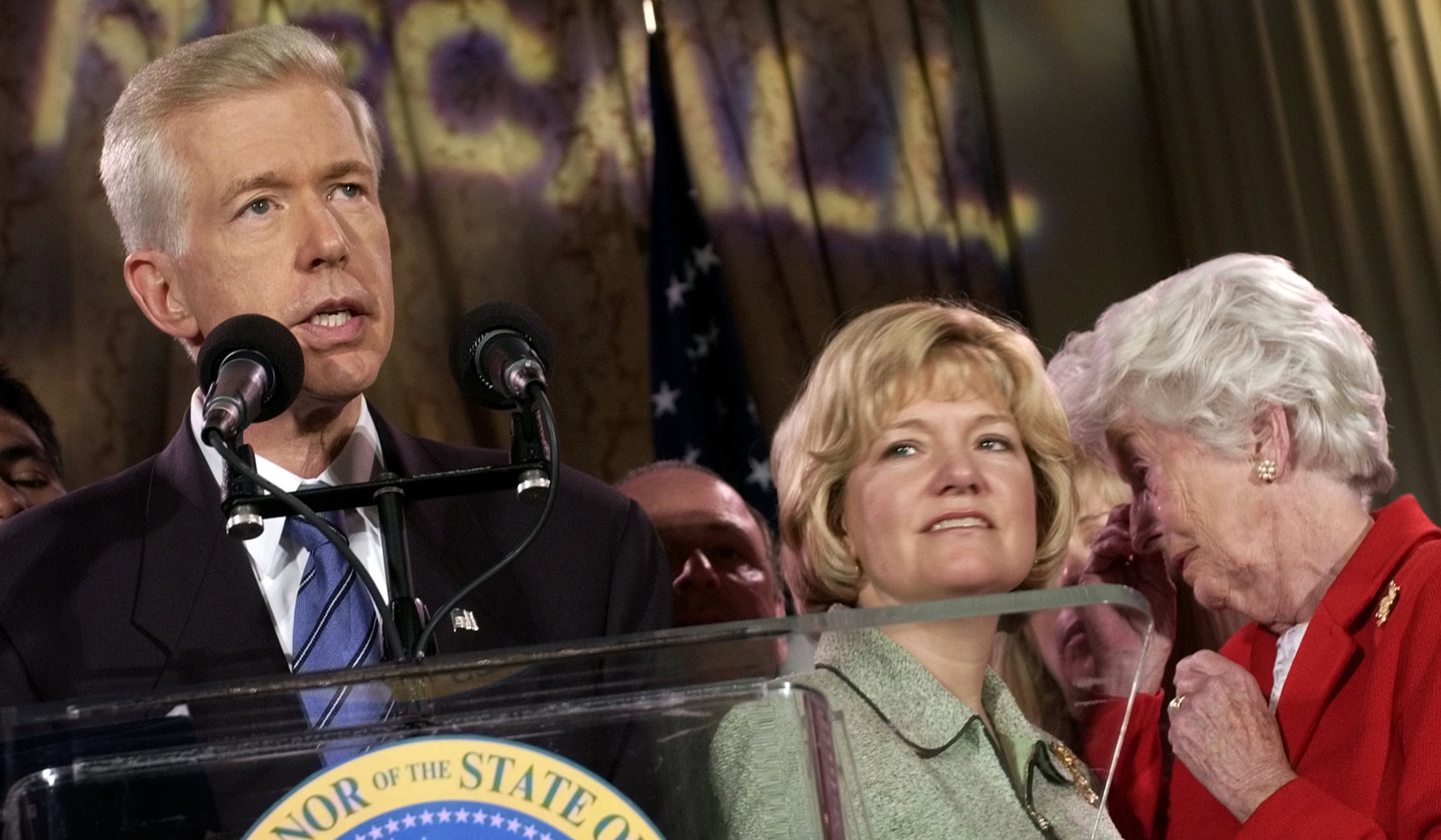
Of course, the Golden State is also famous for recall elections. When he was replaced by Arnold Schwarzenegger in 2003, Gray Davis became only the second governor in a century to be recalled. This November, a gubernatorial recall (of Gavin Newsom) will likely again be on the ballot.
Newsom should have known he was in some trouble after the November 2020 election. While Joe Biden crushed Donald Trump in California and Democrats retained their legislative supermajorities, there were warnings that the one-party state that the Left thought it had created was on shaky ground.
The Left suffered serious policy reversals in the votes on twelve ballot measures last fall. California voters rejected watering down the 1978 Proposition 13 property-tax cut, rejected union efforts to regulate the dialysis industry, opposed allowing local rent control, and rejected a law designed to unionize app-based delivery and ride-share drivers. On crime, they approved a referendum that overturned a bail-reform law recently passed by liberal legislators.
But the most interesting result was the defeat of Proposition 16. That ballot measure would have stripped from the state constitution a provision that makes it illegal for the government to “discriminate against, or grant preferential treatment to, any individual or group on the basis of race, sex, color, ethnicity, or national origin.” That language was added to the California constitution in 1996, and last year, identity-politics Democrats in the legislature mounted a sneak attack on it by placing a repeal proposition on the ballot at the last minute.
Without exception, every leading state officeholder in California supported Proposition 16, and its supporters raised $19 million and outspent opponents by some 15 to one. They even inserted skewed and deceptive ballot language that claimed the measure merely “allows diversity as a factor in public employment, education, and contracting decisions.”
But on Election Day, the opponents of Proposition 16 won by 14 points, winning every county outside Los Angeles and the Bay Area. A third of African Americans opposed it, along with a majority of Asians and a plurality of Latinos.
A post-election survey conducted by pro–Proposition 16 groups found broad skepticism about allowing government officials to use race, ethnicity, or gender in making decisions. But the overwhelming majority of state legislators who put it on the ballot were captive to special interests or unaware of much of the public’s persistent hostility to playing the race card.
Voters often exercise far more common sense than legislators. Indeed, distrust of the legislature turns up in polls showing support for direct democracy. The Public Policy Institute of California found that 72 percent of voters support the initiative process. Sixty percent said that decisions made through it are probably better than those made by the governor and legislature.
In sharp contrast with today’s progressives — who worship rule by elites and “experts” — many of the Progressive era’s leaders a century ago felt that special interests were freezing ordinary people out of decision-making. In 1910, Hiram Johnson, a crusading San Francisco prosecutor, was swept into the governor’s office and ushered in the powers of initiative, referendum, and recall at both the state and the local level.
Many conservatives point out that the initiative process hasn’t held back the tide of big government in California. They point to Proposition 13’s property-tax limits, which haven’t restrained the overall growth of taxes. But the steeply progressive personal income tax — the highest top rate in the nation — was imposed by the legislature. As were the stifling regulations that prompted CEOs, in a survey by Chief Executive magazine, to rate California the nation’s worst business environment.
Voters have often blocked things from getting worse. Business was the target of a new ballot measure in 2020, which would have created so-called split rolls, with commercial properties getting assessed based on market value while homeowners continued to be protected from rate hikes. Steven Malanga of the Manhattan Institute estimated that the measure would have meant a $12 billion tax hike on business properties.
Teachers’ unions and other backers were confident that they would win with demagogic arguments. At rallies, supporters carried signs proclaiming, “Taxing the Wealthy Keeps the Economy Healthy.” Despite an overwhelming spending advantage, the measure to water down Proposition 13 was rejected.
Critics of the initiative process also note that ballot measures often don’t deliver their advertised benefits. In the wake of Proposition 13, voters also passed the “Gann Limit,” which restricted the growth of California’s budget by keying it to inflation and population growth. It clearly hasn’t worked.
But the Gann Limit functioned as promised until 1990, when Republican governor George Deukmejian wanted an infrastructure program. He teamed up with unions to narrowly pass a measure that rewrote the spending formulas, effectively emasculating the limit. Voters were left with the illusion that they still had a curb on spending.
In the future, California’s decline will have to be addressed with tax reform, spending limits, and curbs on regulation. “There’re lots of ideas,” says Chapman University’s Joel Kotkin (who writes about the state’s wealth inequality elsewhere in this issue of NR). “But they all must start with California stopping policies that seem determined to wage war against its own economy.”
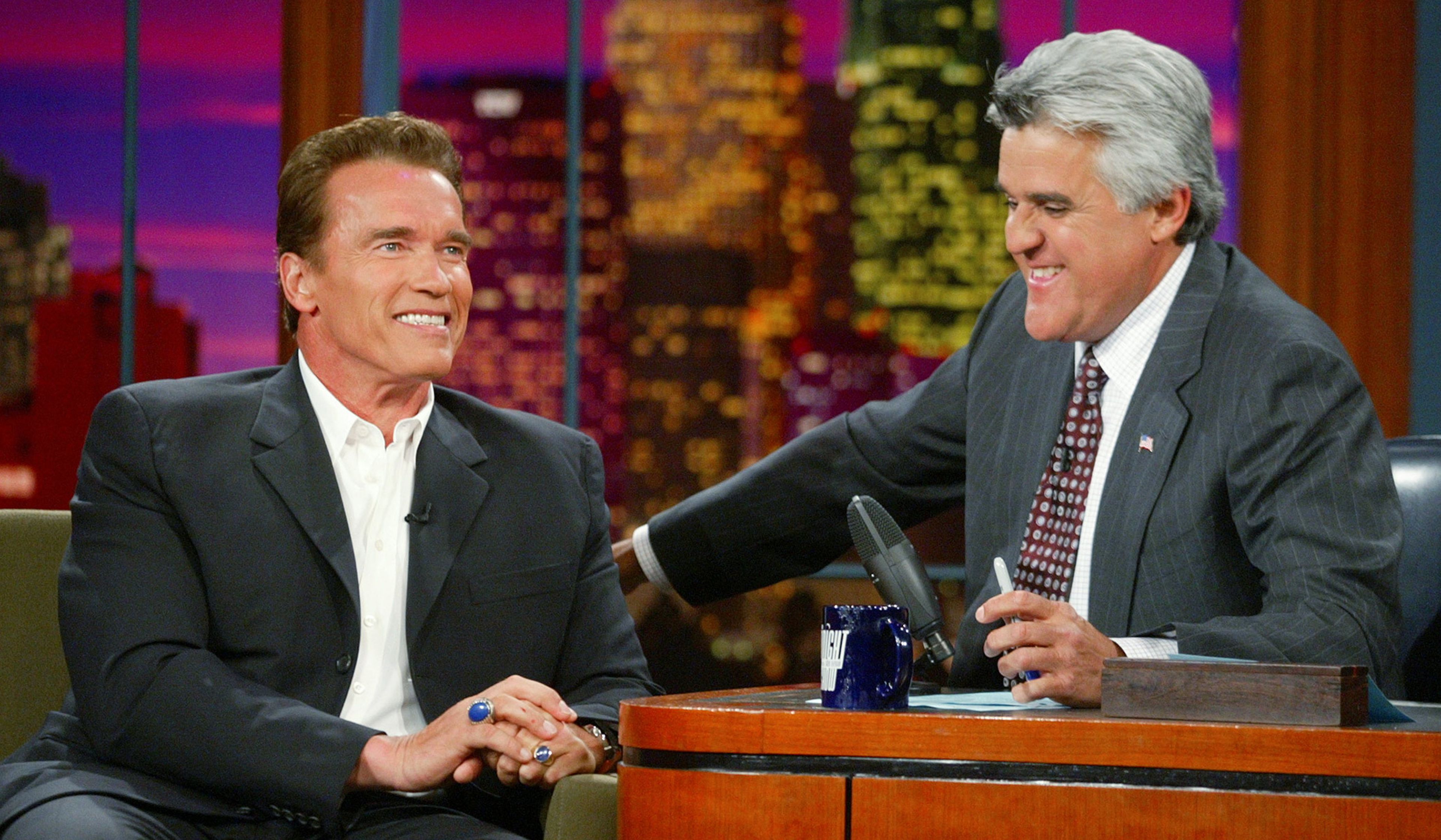
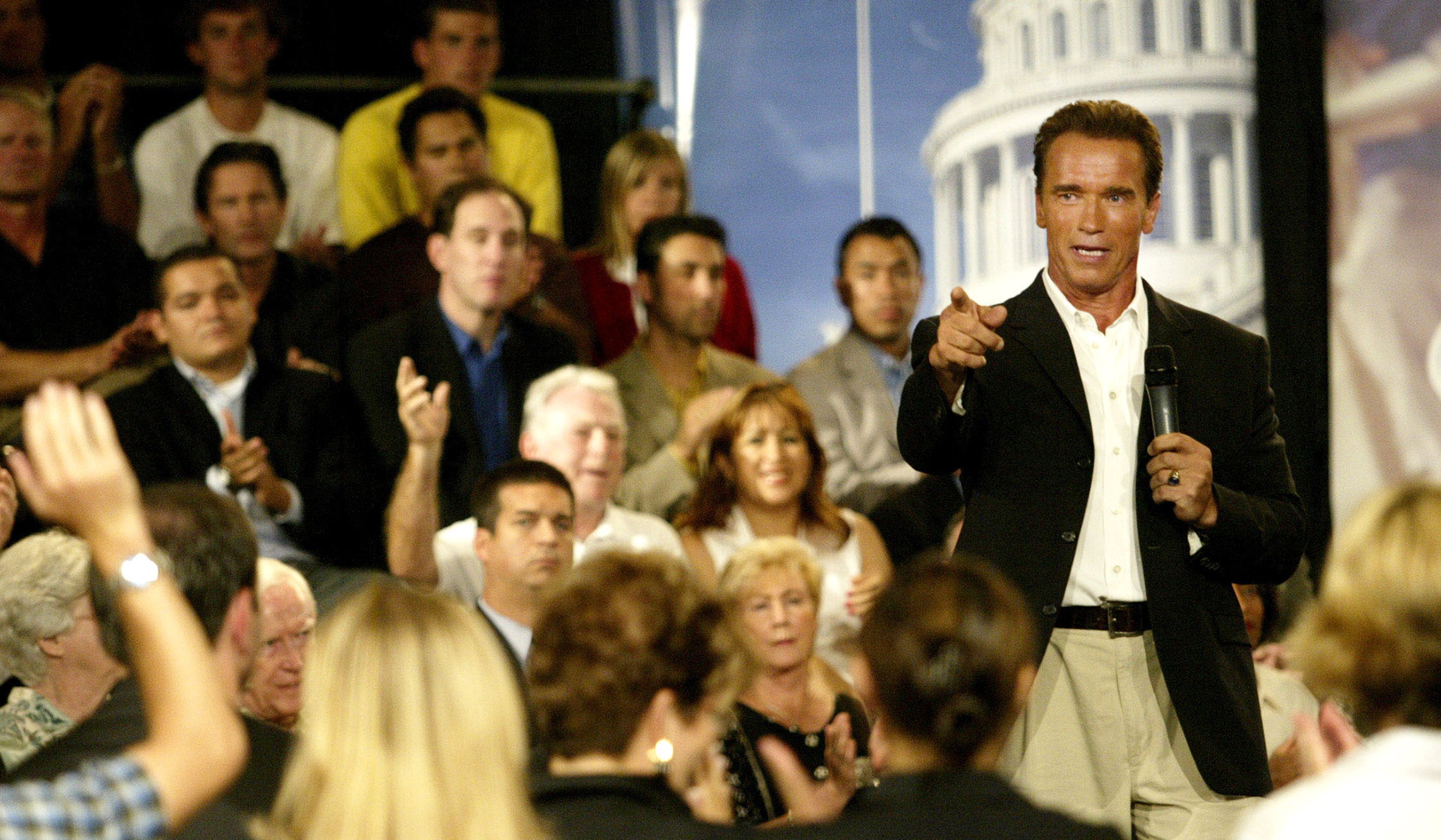

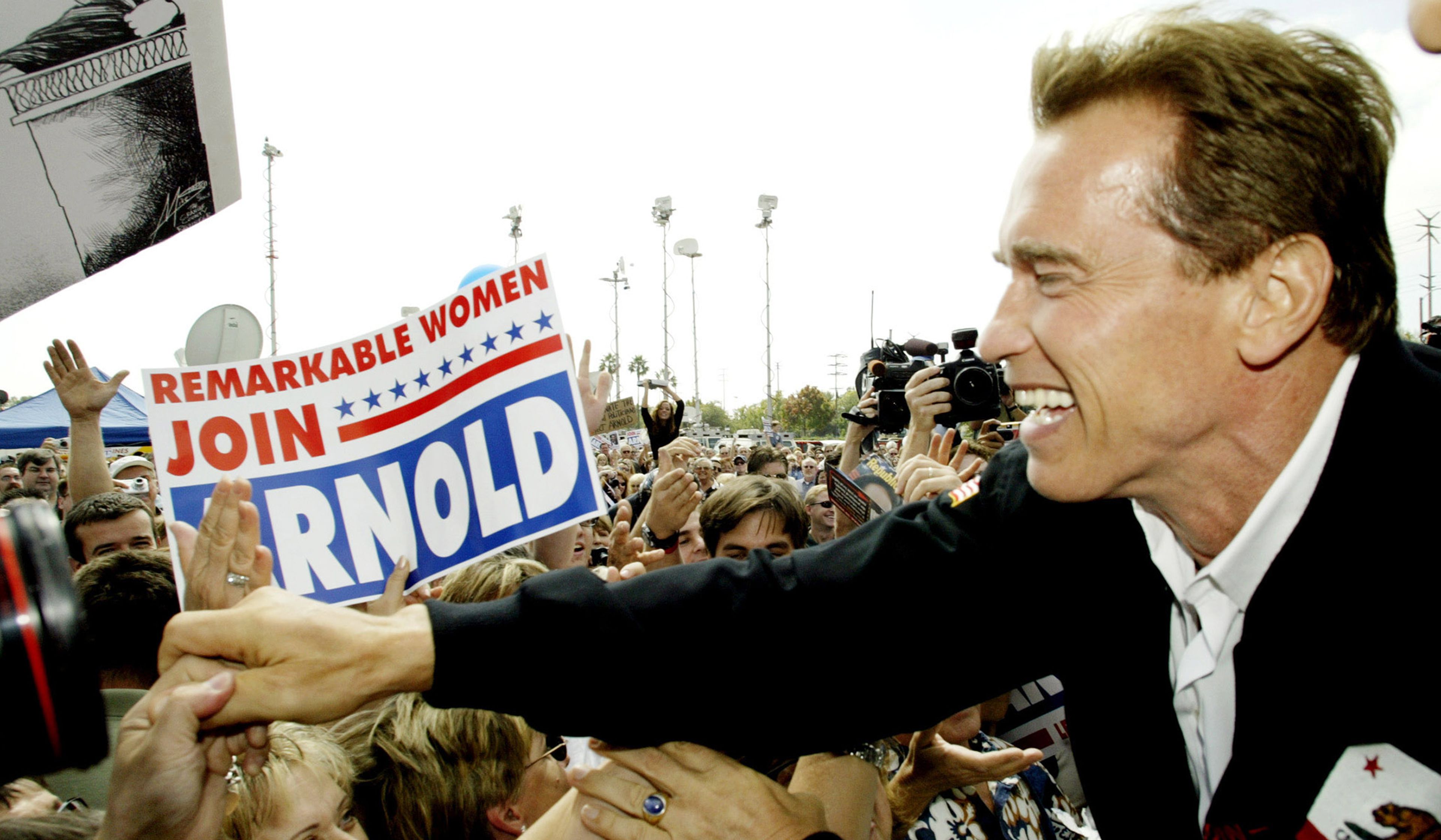
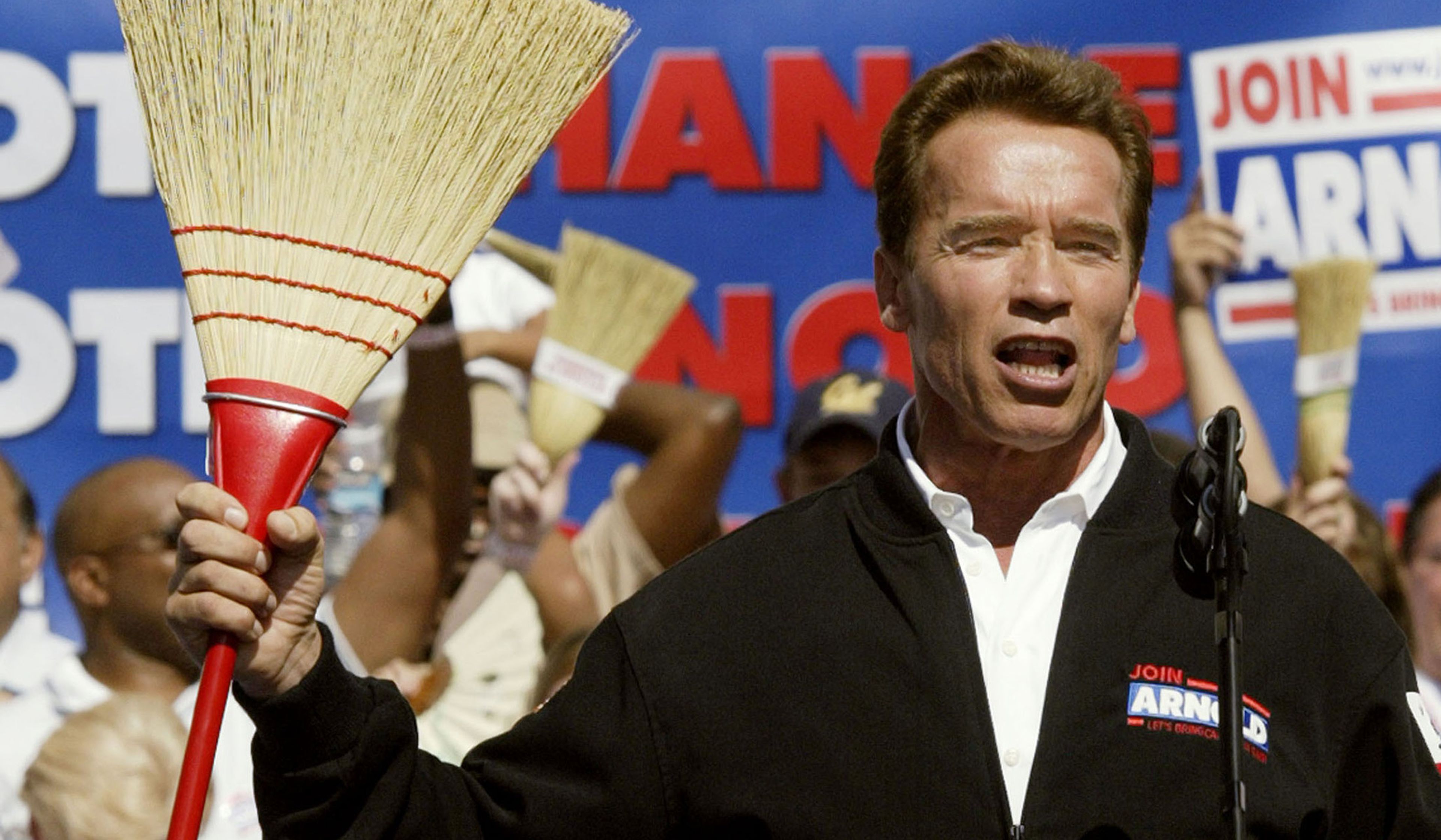


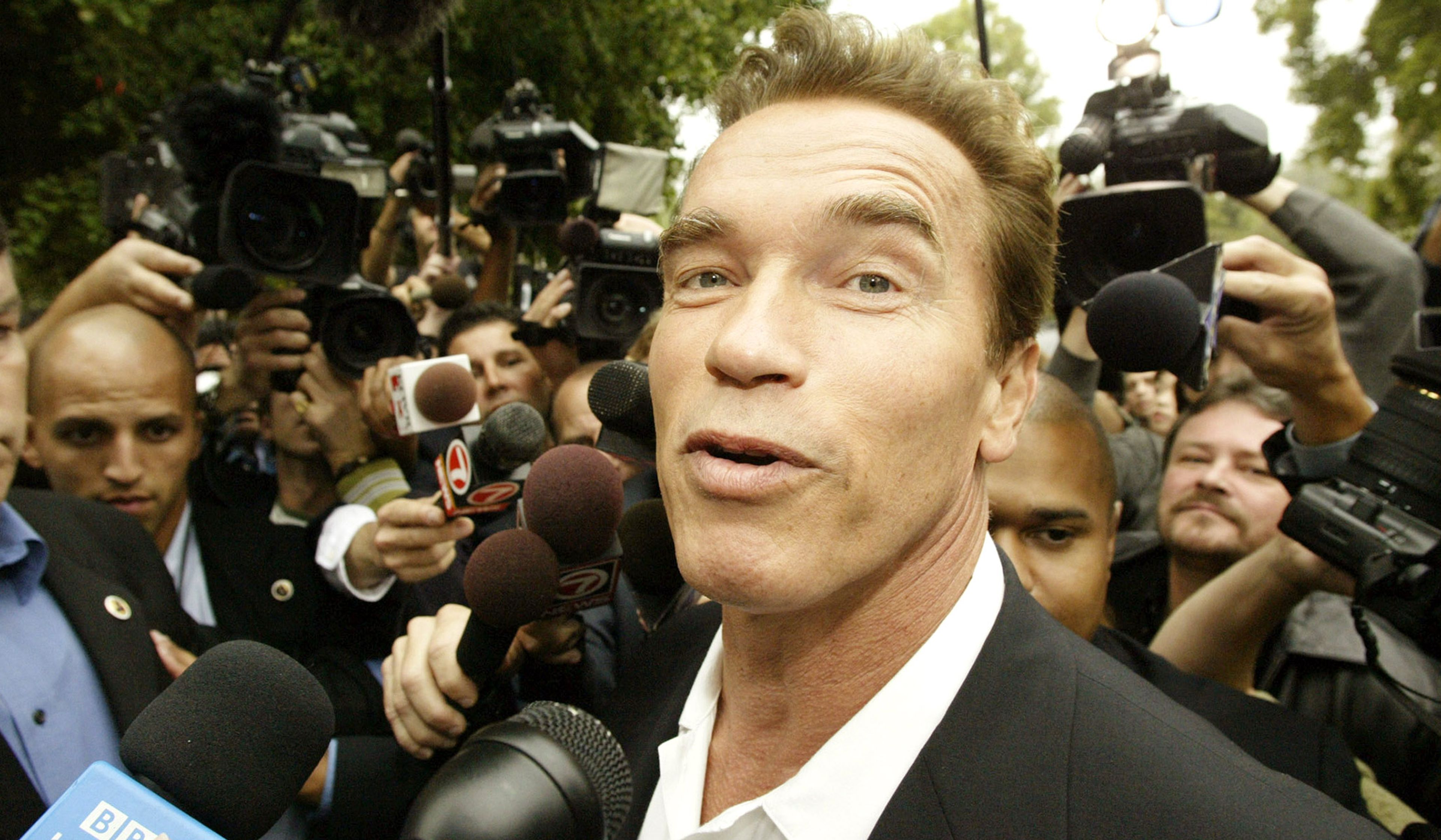
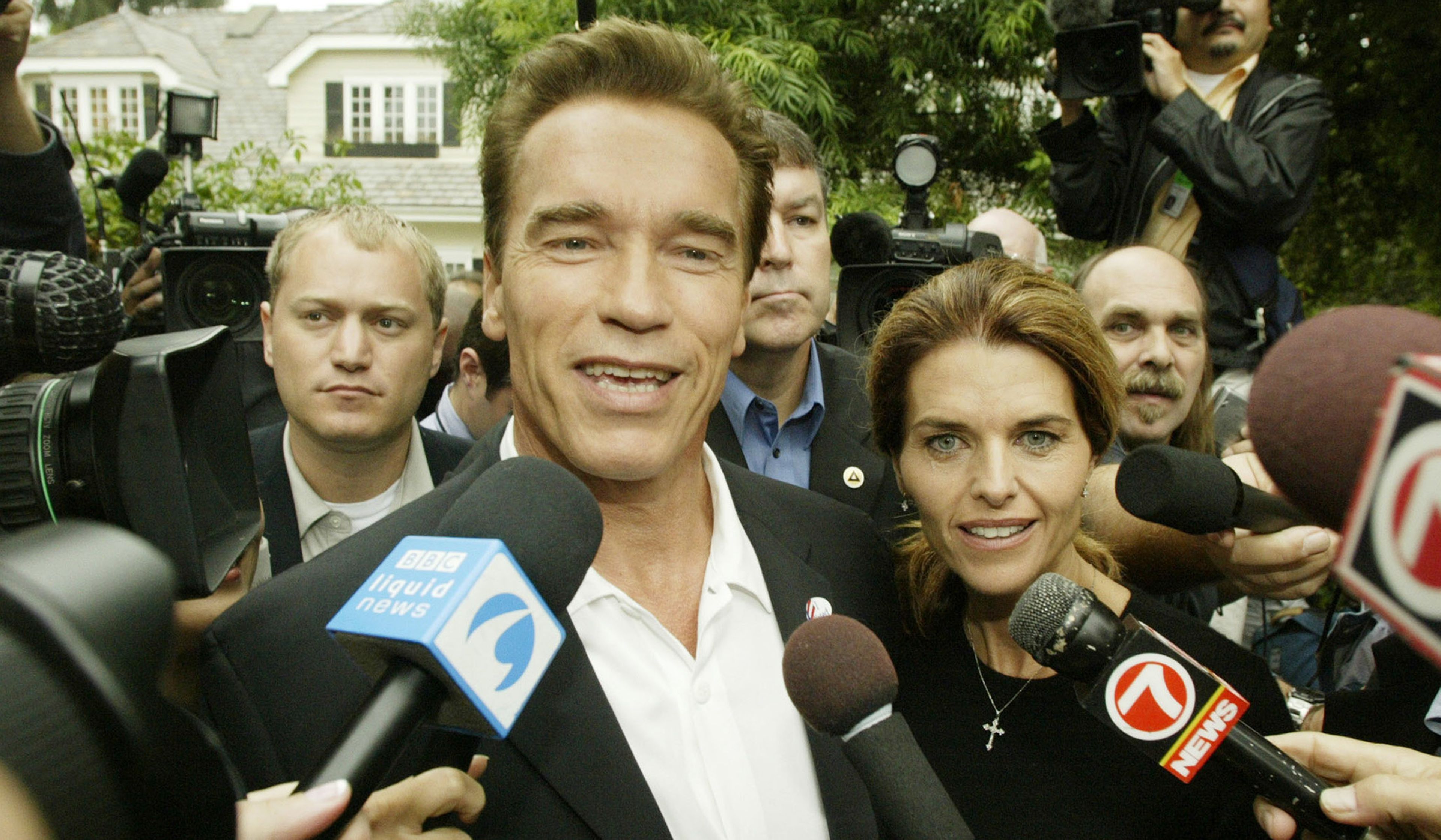
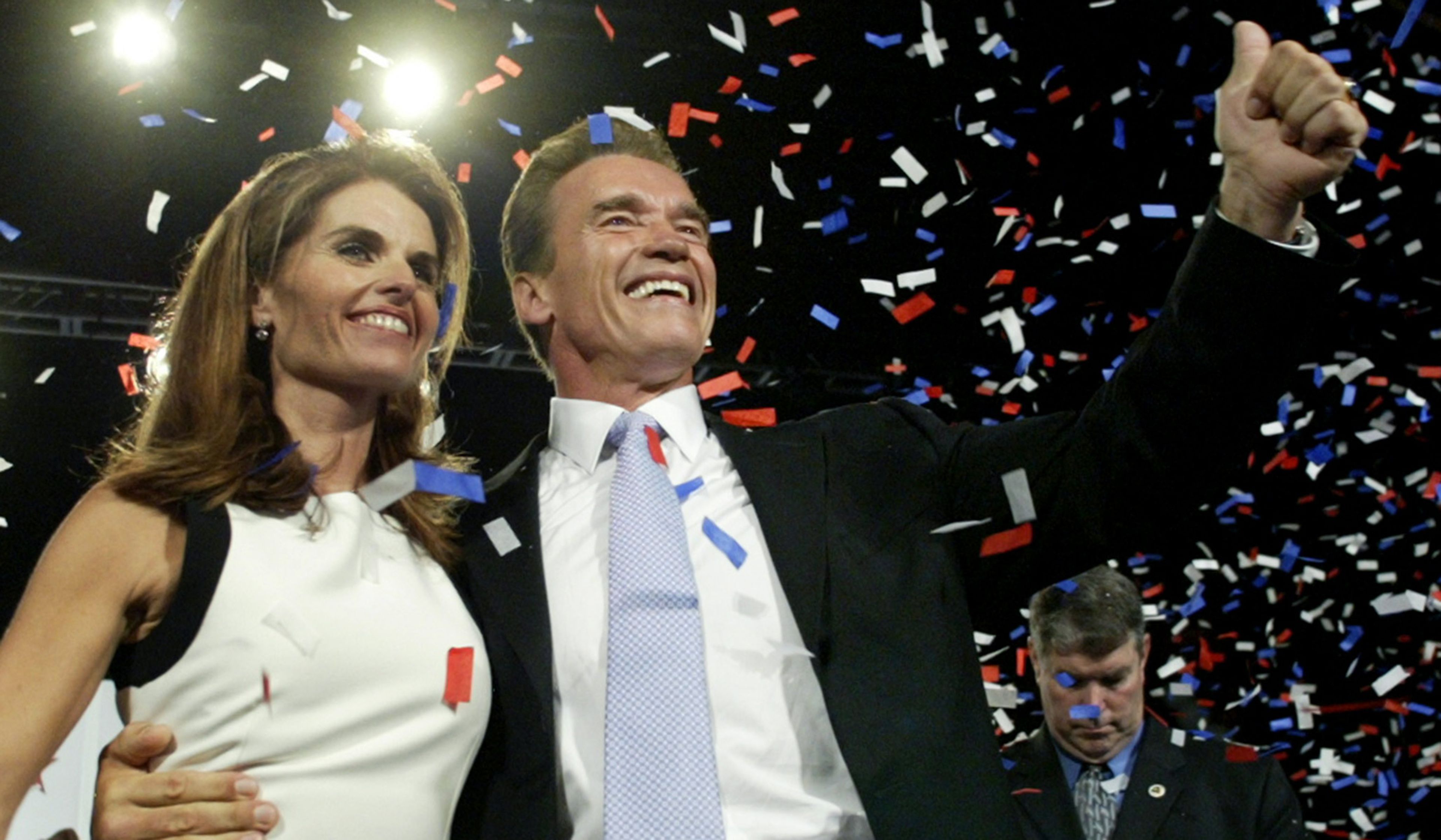
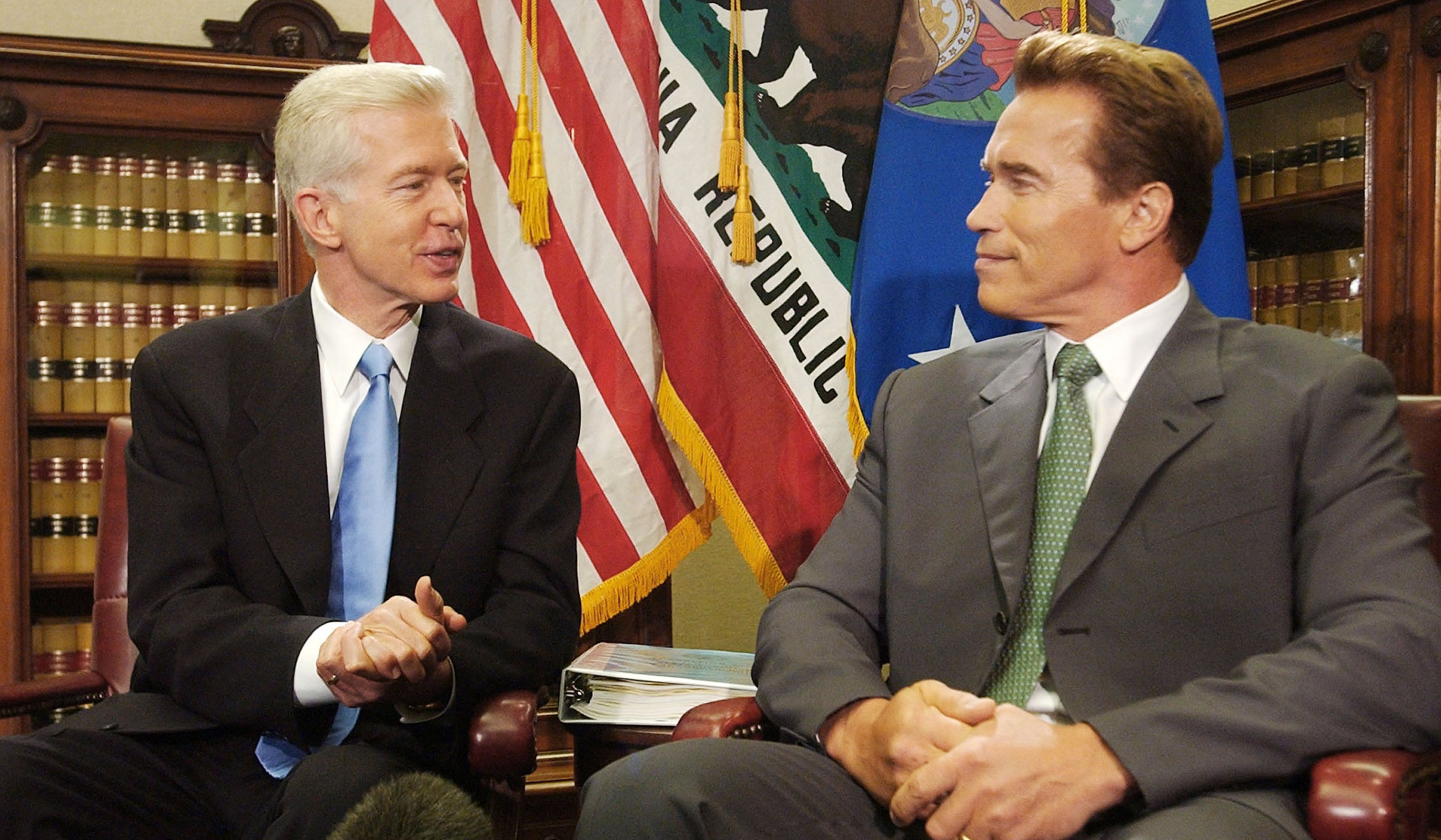
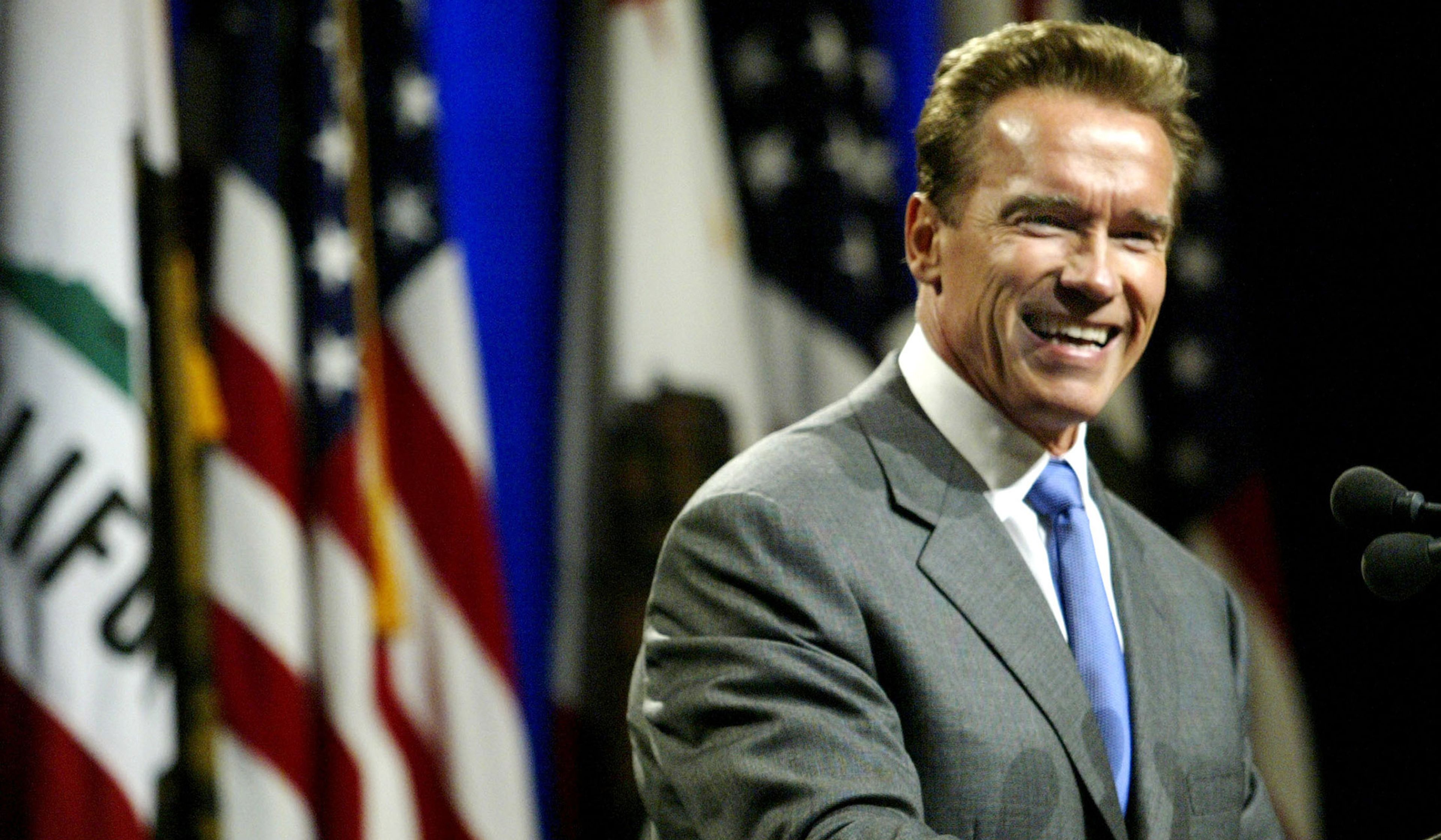

Arnold Schwarzenegger discusses his plans for his campaign with host Jay Leno after he announced that he will be a candidate for governor during an appearance on The Tonight Show with Jay Leno at NBC studios in Burbank, Calif., August 6, 2003.
Fred Prouser/Reuters
For anyone waiting for a moribund Republican Party to take power, however, those ideas simply won’t come fast enough. They will likely have to come through the initiative process.
Representative government will remain the foundation of Golden State democracy, but the initiative process is a valuable safety valve. So long as Democrats make it nearly impossible for reform-minded voters to oust them, the initiative process is the only near-term option.
That’s why you can expect the legislature to step up efforts to curb the initiative process and intimidate people who want to make use of it. Under Jerry Brown, who was governor until 2019, those attempts largely failed — other than to bar initiatives from appearing on the primary ballot. (Primaries usually feature a more conservative electorate.) Brown was a backer of the process: “Consulting the people directly is one of the most legitimate expressions of self-government.”
Gavin Newsom is no Jerry Brown. He has called the recall against him a “stunt” and a “trick” to seize power by right-wing forces that oppose “California’s values.” The stakes in the expected recall will be high. If Newsom survives it, you can expect the governor and his legislative henchmen to renew their efforts to take back the initiative and strangle direct democracy.










Comments