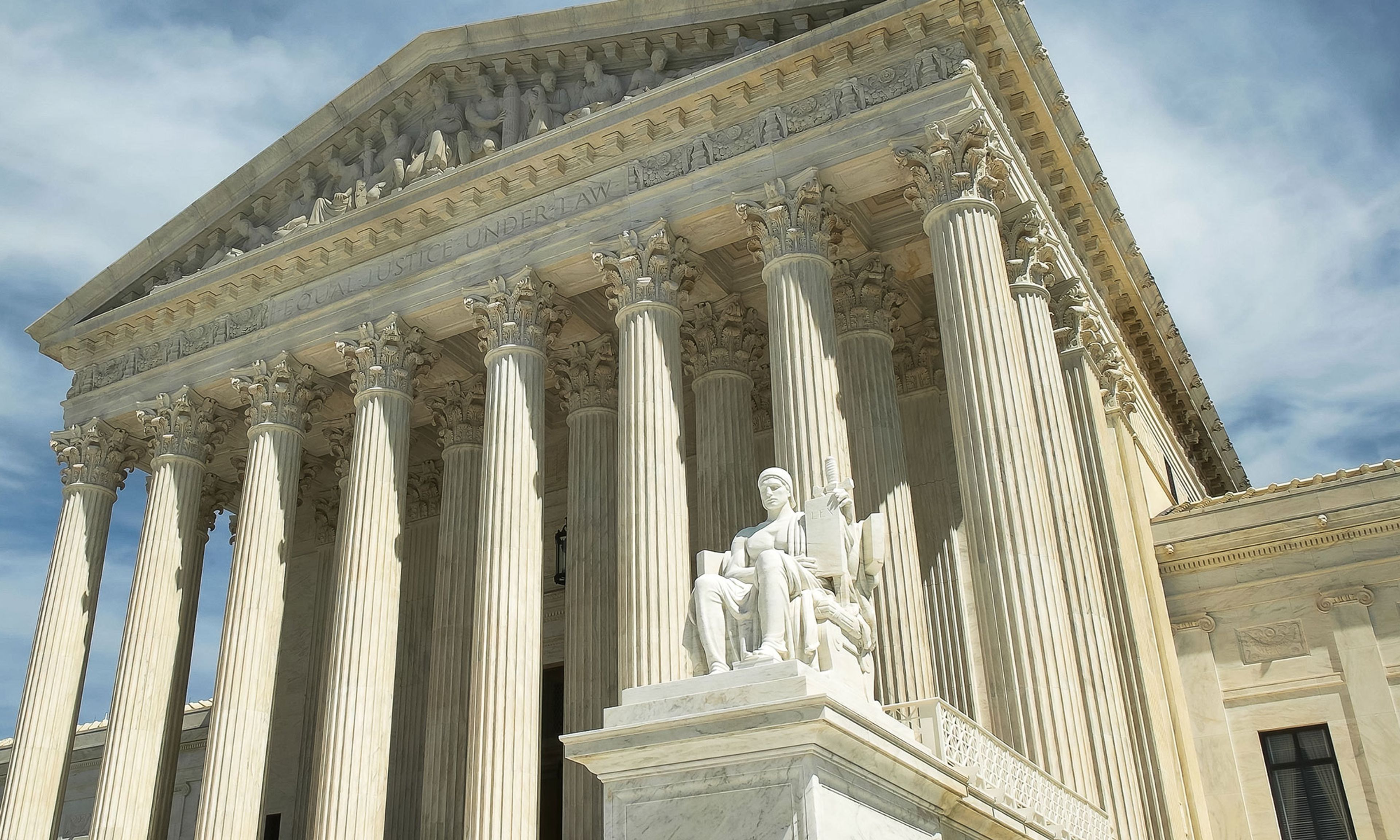
Minority-voting-rights activists are all aflutter over the possibility that the Supreme Court will soon hold an important section of the 1965 Voting Rights Act unconstitutional — or at least in need of drastic modification. Section 5 is the provision whose life may be on the line. It gives federal authorities the power to veto proposed new methods of voting in what are called “covered jurisdictions” — almost all of them in the South — if they see them as racially suspect. That constitutionally extraordinary power may not survive a new round of close judicial scrutiny — although the Court’s view of Section 5 may end up being quite irrelevant to the long-run fate of the provision.
When a districting map, newly drawn after a decennial census, does not meet with federal approval (and is thus not “precleared”), state legislators must start again and draw lines that increase the odds that minority voters will have the ability to elect the candidates of their choice. Courts have described the revised, racially gerrymandered districts as resembling a “Rorschach ink-blot test” or a “bug splattered on a windshield.” Justice Sandra Day O’Connor, among others, has labeled them “segregated.” Their race-conscious contours are designed to separate whites from blacks or Hispanics in an effort to protect minority candidates from white competition in contests for legislative office. The result is that seats are reserved for minority officeholders: De facto racial quotas are created on legislative bodies, on the assumption that only black and Hispanic legislators can authentically speak for minority interests.










Comments