Parenting and the General Welfare
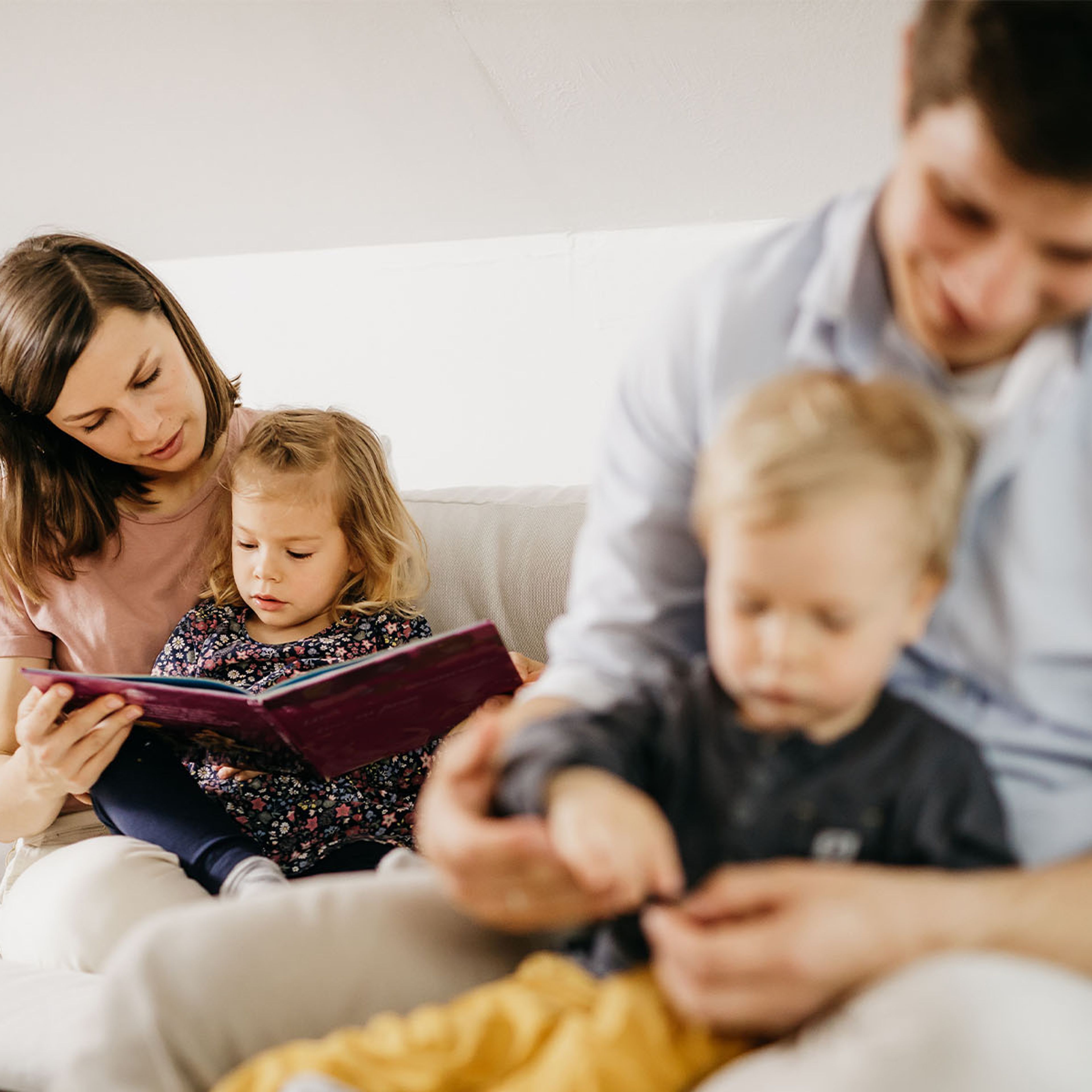
Thank you for Patrick T. Brown’s “Leaning Out” (March 11). I would add that stay-at-home parents build not only healthy and stable families but healthy, connected communities as well. Stay-at-home parents do not stay at home. They reach out to neighbors in need and form the backbone of school volunteer organizations. Our communities are suffering from the glaringly obvious hole created by the disappearance of these practitioners of relationship-building — all the more reason to support these parents. I’m encouraged by Mr. Brown’s work!
Ann Brooks Durham, N.C.
Patrick Brown’s piece (March 11) was statistically well informed. The only serious statistic ignored is the effect of fraud on every single government social program.
Instead, Mr. Brown concentrates ad nauseam on the impossible task of equal treatment for all clients (318 million), which in reality is a utopian dream. As we have lived through 60 years of government societal-management programs, we have decided that, other than government budgetary corruption of Social Security and Medicare policy, the method of both is a “fix” for all social policy to follow. That is, both are contracts with the government to shield us from retirement poverty that are applied across the citizenry equally, at roughly 15 percent for our entire working career.
Mr. Brown’s fixes will only yield more of the same corruption, because the citizen response to any reform will be (as always) to enlighten the street-wise to acquire the means to fraud. The policy of “qualifications to receive” has proven to be a can of worms for all government programs.
I like the contract idea if only to promote legitimate work. Or better yet, promote the general welfare as opposed to controlling it. I wonder what Mr. Brown’s piece would have been using that premise.
Frank Sardina Unionville, Va.
Patrick T. Brown responds: Mr. Sardina critiques both the means and the ends of supporting stay-at-home parents through policy. Practically, the program could perhaps be more efficient (and less open to his concerns of fraud) by the institution of a large, universal child benefit instead of the plan I sketched. But the libertarian-inspired skepticism of virtually any public program beyond defense, though perhaps consistent, is consistently wrong. Any effort to “promote the general welfare” that does not take into account the burdens families face, and their role at the heart of society, is based on a very thin understanding of “general welfare” indeed, as Ms. Brooks points out in her excellent letter. The “positive externalities,” as economists would say, of stay-at-home parents are widespread and under-recognized and therefore especially worthy of our support.
An Illustrative Observation
The illustration used for Jack Fowler’s otherwise fine article, “Mark Janus: The Man Who Ended Compulsory Union Dues” (March 25), I found puzzling. The stone-chiseled face and rolled up sleeves were evocative of determination but, but, the Union Pacific Railroad emblem? Obviously a railroad employee is represented! Mr. Mark Janus, hero of the article, had no reported employment with the UPRR, indeed with any railroad. His fight was with a public-sector union and his public-sector government employer. Why bring a private-sector railroad into this fray?
Regards from a long-time subscriber.
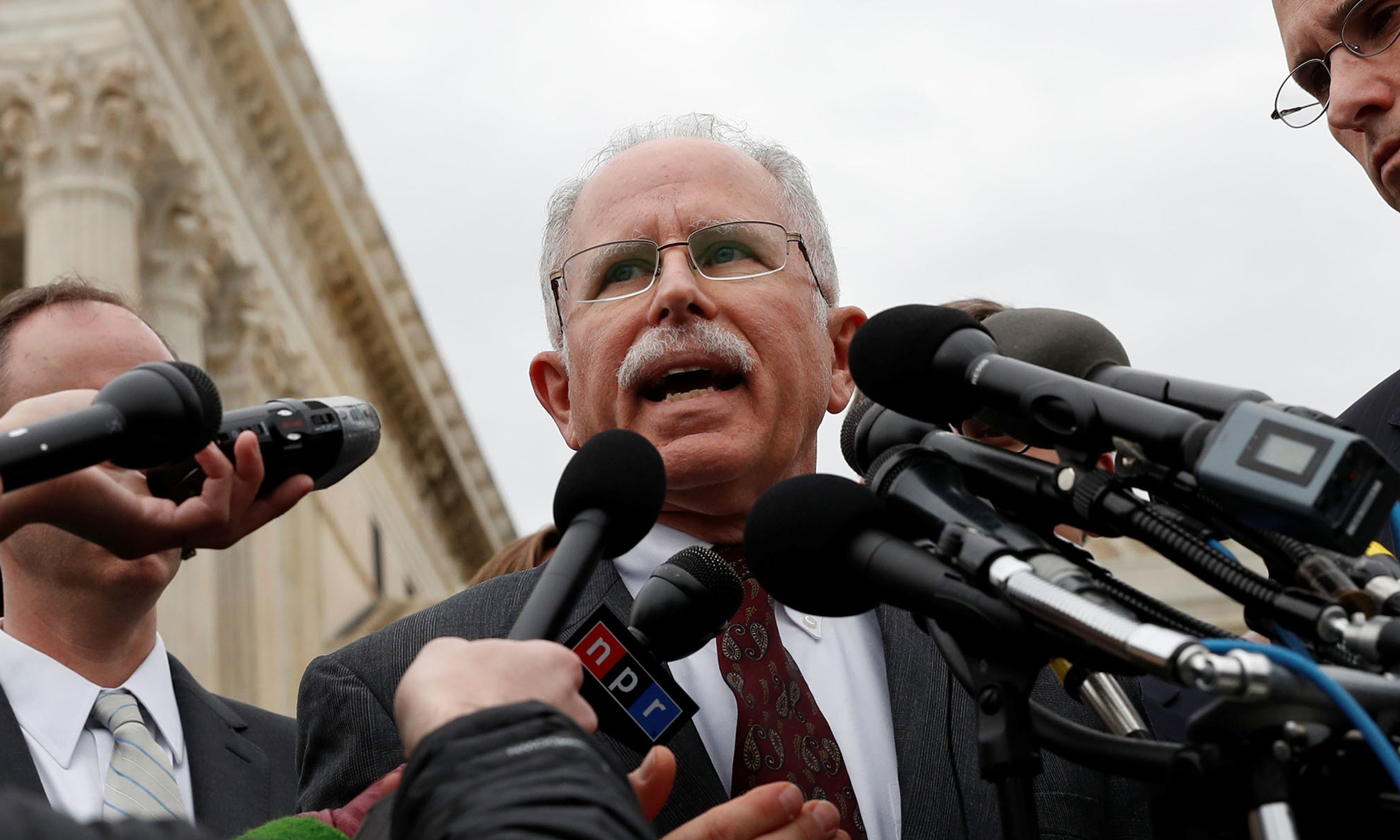
Michael Schleigh Grove City, Pa.









Comments