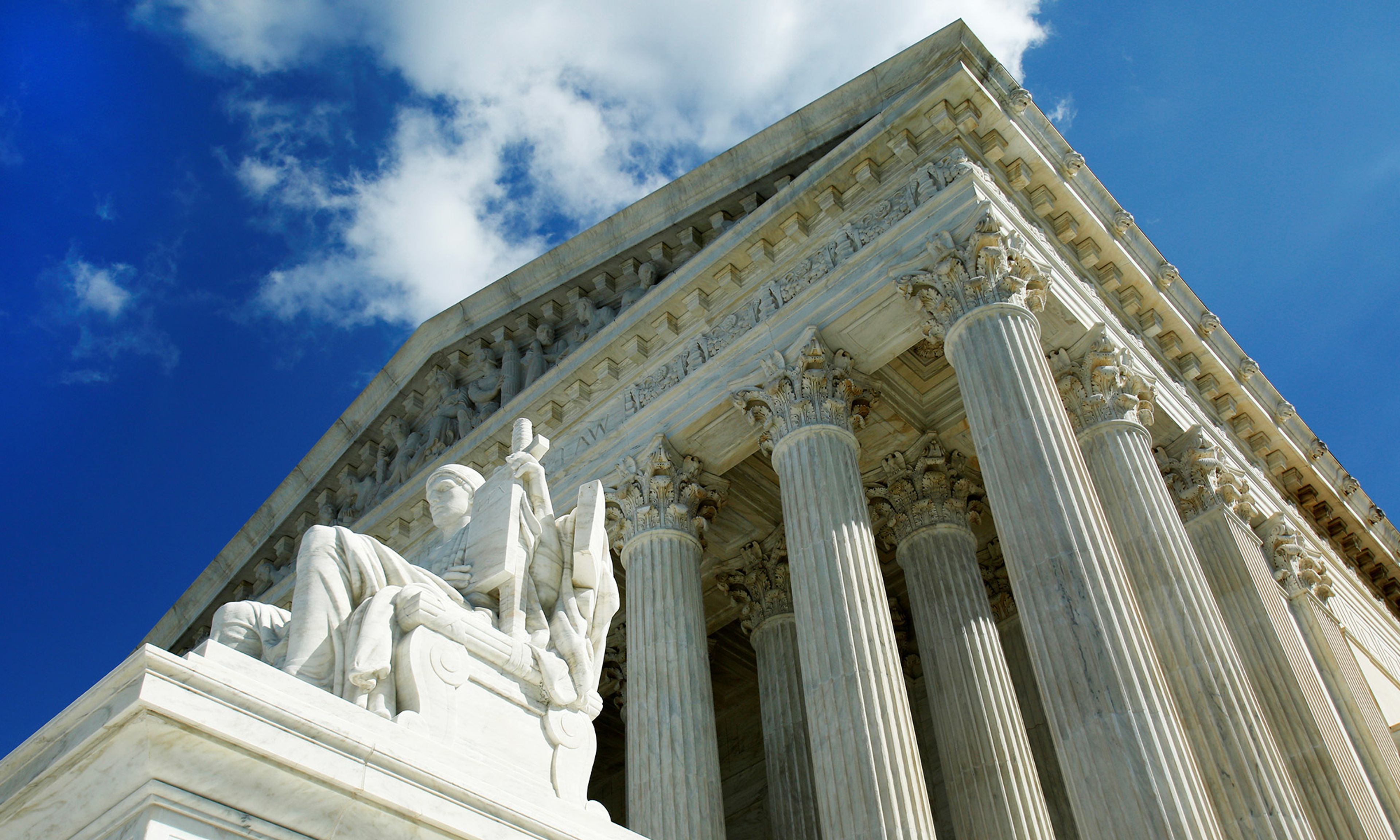
Pornography and Free Speech
Madeleine Kearns, in her piece on pornography (February 24), prescribes two approaches to the problem she identifies, one that celebrates constitutional values and one that rejects them. Her first proposal is for pornography’s opponents to engage in a campaign of persuasion against pornography modeled on the public-health response to tobacco use. She seeks in this way to compete in the marketplace of ideas, advancing empirical and moral arguments against the arguments of the pornographers and the “misguided” civil libertarians in favor of free access to pornography. So far, so good.
Her second prescription betrays the first: She would use the coercive power of the state to make it harder for consumers to access pornography. That is to say, she would have our politicians play the role of censor. In District of Columbia v. Heller, Justice Scalia explained that “the enshrinement of constitutional rights necessarily takes certain policy choices off the table.” Conservatives celebrate this principle when applied to gun rights, as they should. But conservatives should not be so quick to abandon it when it comes to policy choices that would infringe on free-speech rights, however distasteful the speech at issue. State restriction of speech because of its content is a policy choice that has simply been taken off the table by the First Amendment.
Conservatives should adhere to constitutional principles and forgo efforts to limit Americans’ access to protected speech of any kind. Instead, stick to competing in the marketplace of ideas. May the best idea win.
Sam Landes
Tampa, Fla.
Madeleine Kearns responds: I must assume that, in suggesting that pornography is mere “speech” competing in the “marketplace of ideas,” Mr. Landes has never encountered it. As I said in my piece, pornography has been well established by objective researchers as a menace to public health. That more people do not see it as such is explained, in part, by an overemphasis on the debate’s moral component, though mostly by the massive influence granted to porn lobbyists and producers.
An outright ban on pornography is neither constitutionally viable nor desirable. But I did not argue for that. Instead, I recommended mirroring the success of the anti-tobacco movement. Mr. Landes should be reassured by this. Cigarettes are still legally available for those who want them. Why could we not have a similar approach to Internet porn? Even the decision in Reno v. ACLU in 1997 (in which the SCOTUS found anti-porn efforts to be overreaching) did not rule out such a possibility. Indeed, Justice Sandra Day O’Connor and Chief Justice William Rehnquist indicated that “the creation of [porn-free] zones can be constitutionally sound.”
The parallel with tobacco is ultimately the correct one. The regulatory element must be timely, strategic, proportionate, and constitutional. But is it a danger to the republic that a person can no longer smoke in planes, trains, or public buildings? Is it a threat to individual liberty that smokers can no longer light up inside restaurants, bars, and private clubs? Many a right-winger said so in the 1990s. They look awfully silly now.












Comments