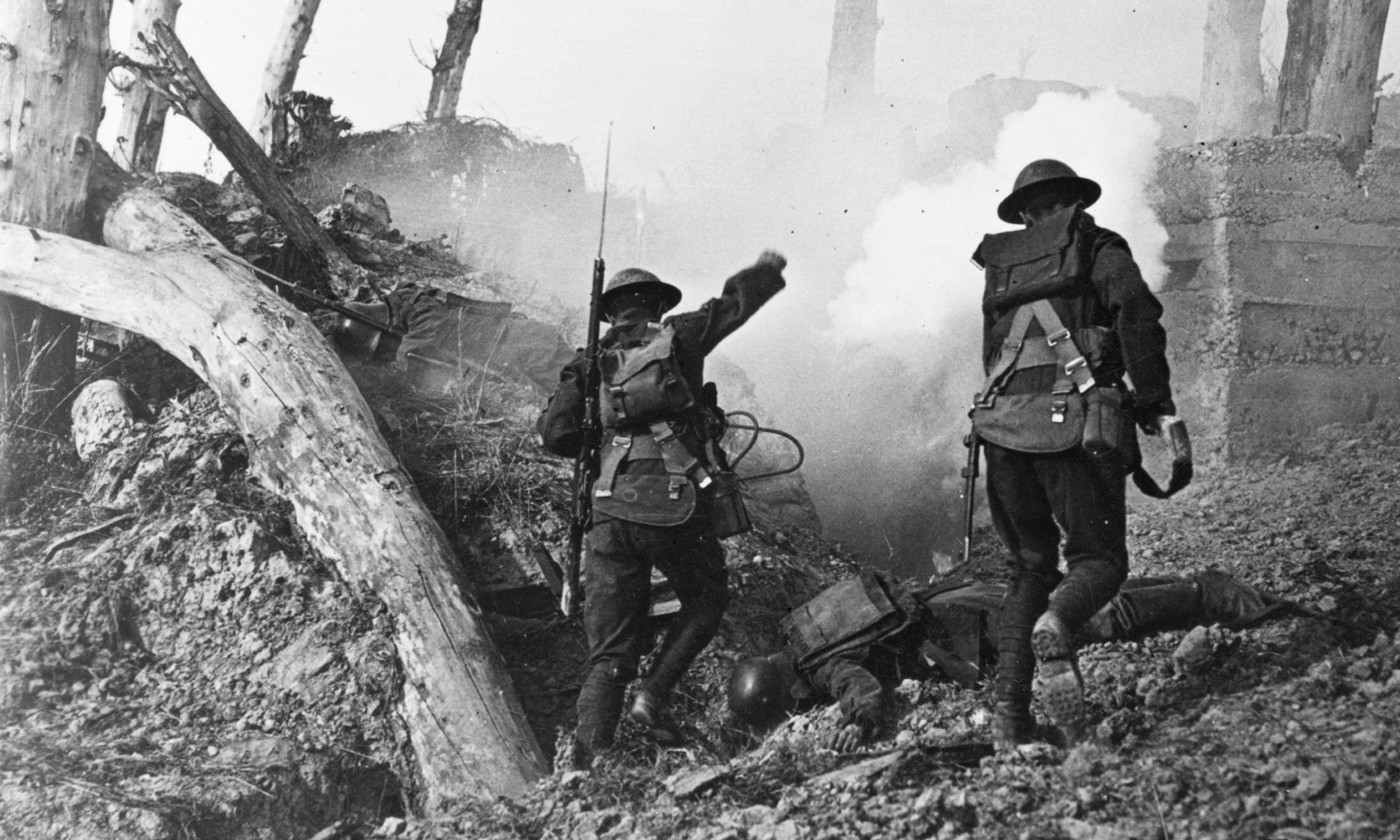
Can we give definitive meanings to great historical events? If we can’t, does it mean that we are condemned to moral and political relativism? The centenary of the outbreak of the Great War will be the occasion of an outpouring of historiographical reflection on the war’s true meaning and significance. (A minor subsidiary question is why some anniversaries — the tenth, fiftieth, hundredth, and so forth — so capture the human imagination. Why not the seventeenth, the thirty-first, the hundred and eleventh anniversary?)
Thirteen years after the end of the war, in 1931, Noël Coward, an unlikely radical, wrote a deeply anti-war play called “Post-Mortem.” In it, a soldier killed in 1917 comes back to his family in 1930. His father, Sir John Cavan, is a press magnate who had a good war in the sense that he made a great deal of money during it by the mass sale of his jingoistic publications. On his return to the living world, the son discovers that forgetfulness of the suffering of the soldiers during the Great War is general, and that what one of the characters calls “all that mealy-mouthed cant [about patriotism and heroic sacrifice]” is still “being shoved down people’s throats.”











Comments