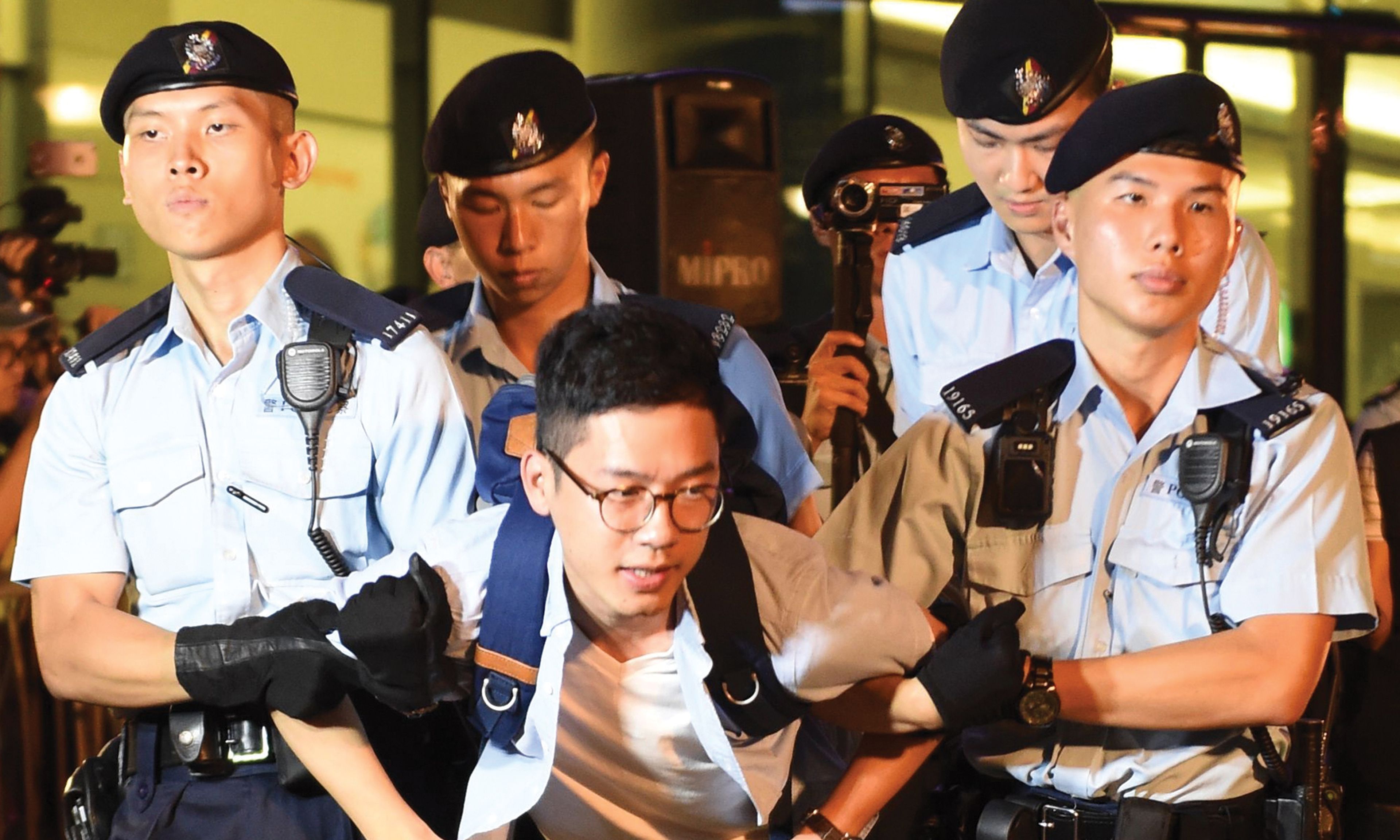
Simply put, “2047 has arrived.” These are the words of Nathan Law, a Hong Kong democracy leader, now in exile. Hong Kong was supposed to have 50 years, starting with the “handover” on July 1, 1997: 50 years of democratic life, 50 years of autonomy. The relevant slogan was “One country, two systems.” Hong Kong would be a little exception in vast, Communist-ruled China.
Cruelly, however, Hong Kong got half its allotment — not even that. Hong Kong is now a Chinese city like any other, more or less. In other words, it is unfree, and horrifying.
At the end of June, Vivian Wang and Alexandra Stevenson of the New York Times filed a dispatch from Hong Kong. The subheading of their dispatch read, “Neighbors are urged to report on one another. Children are taught to look for traitors. Officials are pressed to pledge their loyalty.” Here was one detail, among many — not the most horrifying, by a long shot, but striking all the same: “Police officers have been trained to goose-step in the Chinese military fashion, replacing decades of British-style marching.”
Question: Did they have to do it? Did the British have to hand the city over to the Chinese government, which is to say, the Chinese Communist Party? Yes, answers Nathan Law, and almost everyone else. The handover was inevitable. For one thing, the party could have sent the PLA — the People’s Liberation Army — into Hong Kong. What could Britain, and the “world,” have done then?
Remember, too, that many people, all over the world, expected China to liberalize — to become more like Hong Kong. This was not a stupid expectation, given the flow of things. Maybe Hong Kong would not need the full 50 years, because the rest of China would come Hong Kong’s way. “One country, one system” — Hong Kong’s! Today, however, Xi Jinping is presiding over the nastiest, most oppressive period since Mao’s Cultural Revolution.
In any event, the handover was inevitable. There is no cause to burn Mrs. Thatcher in effigy, or even curse the lady’s memory. But as Nathan Law and all of Hong Kong’s friends say: The civilized world could have done much more to hold China to its promises, made in the Sino–British Joint Declaration, which was signed by Thatcher and Zhao Ziyang in December 1984.
A light went out on June 24, 2021, when Apple Daily was forced to close. This was the newspaper founded by Jimmy Lai almost exactly 26 years before — on June 20, 1995. It was always a champion of democracy. Jimmy Lai is in prison, and many of the paper’s editors and directors have been arrested. Hong Kongers rushed to buy copies in the final days.
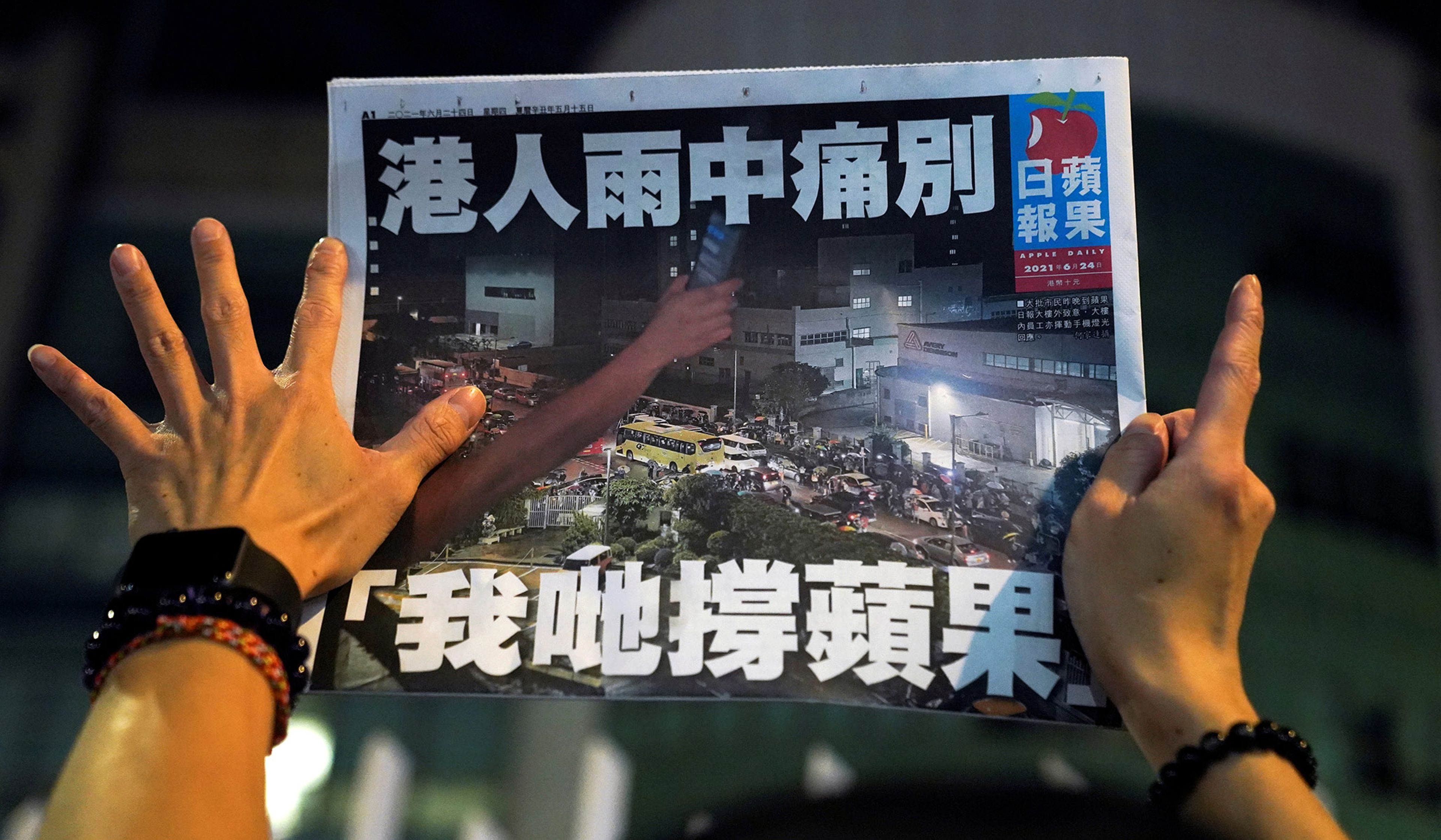
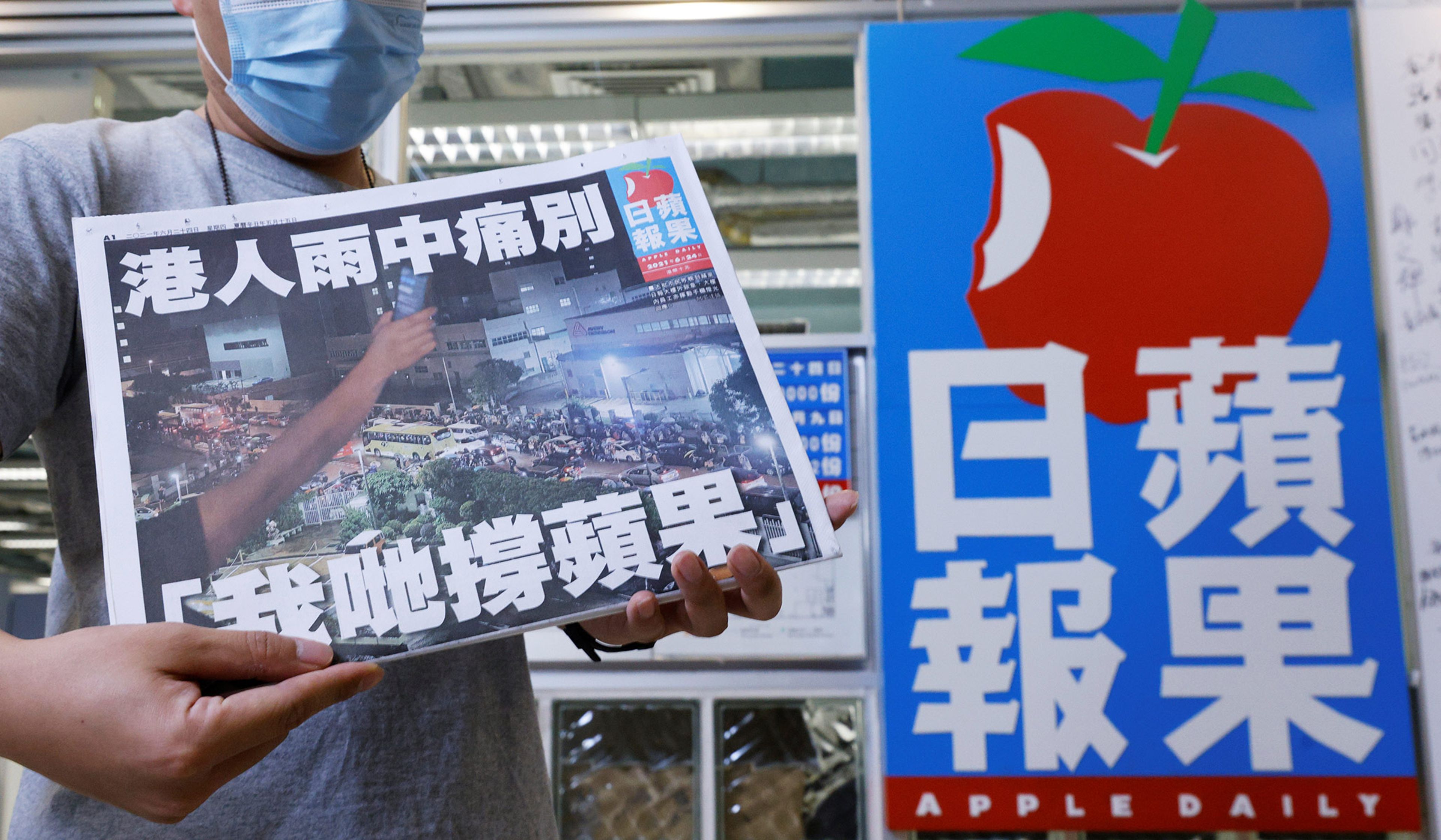
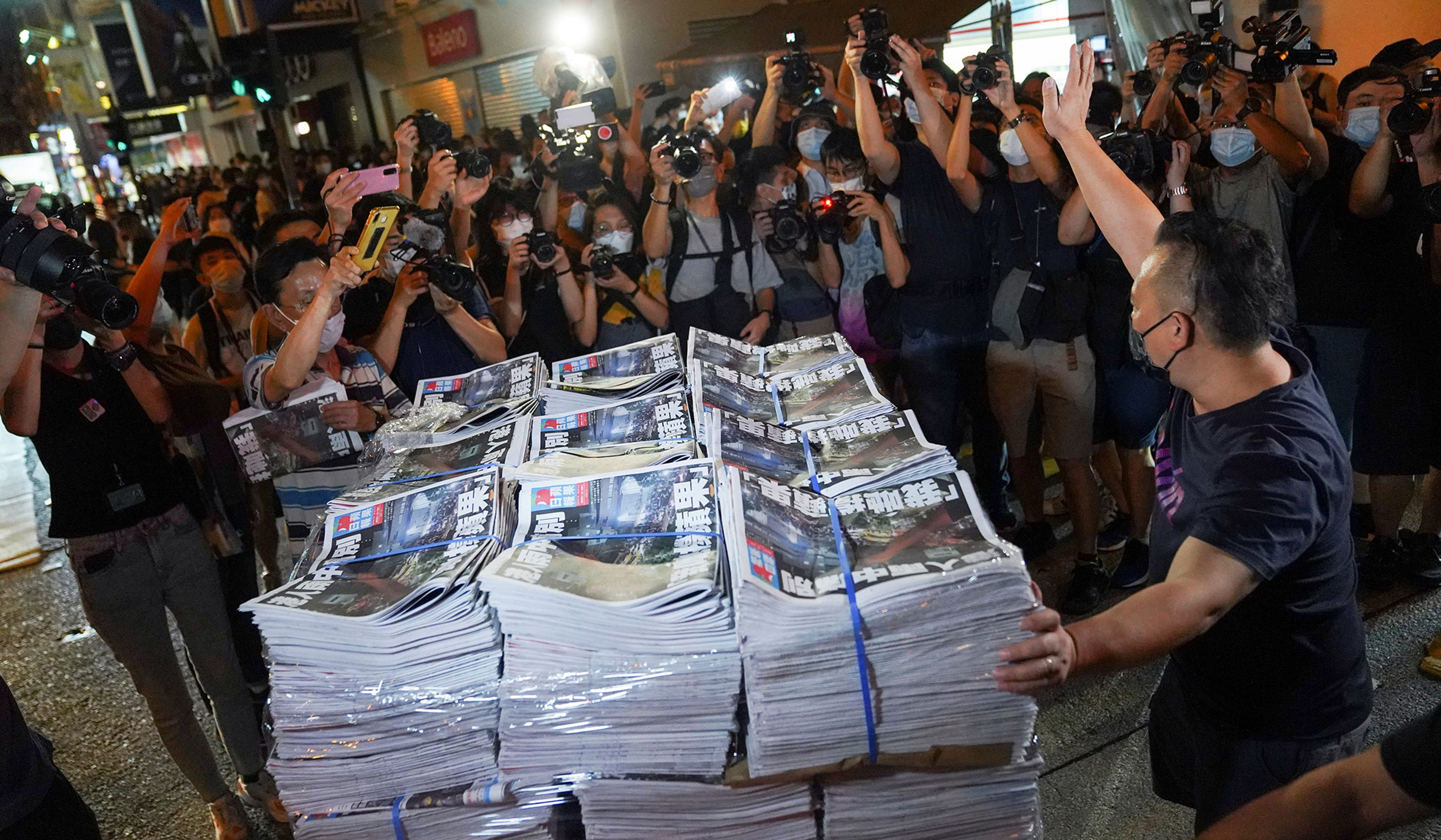
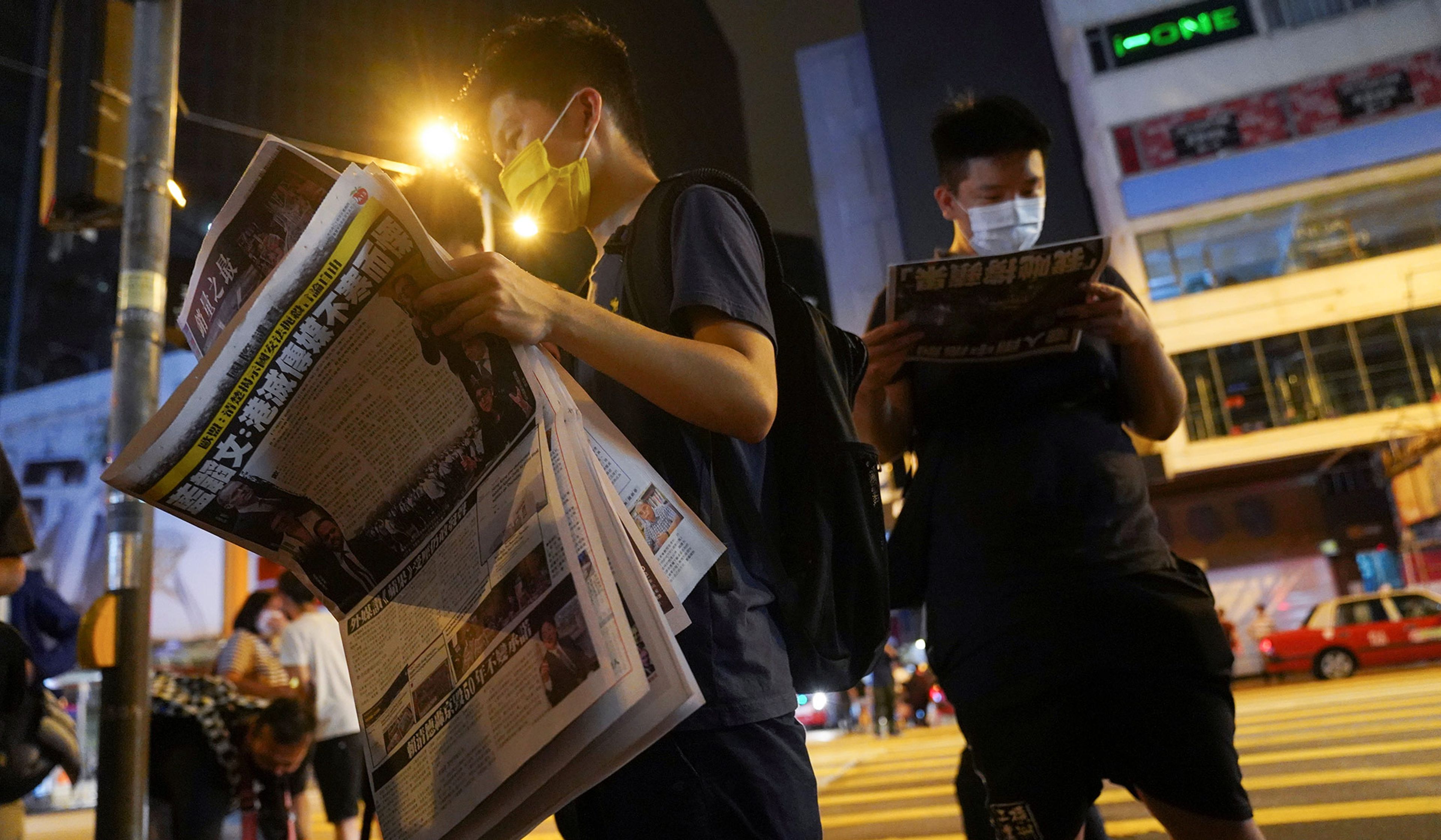
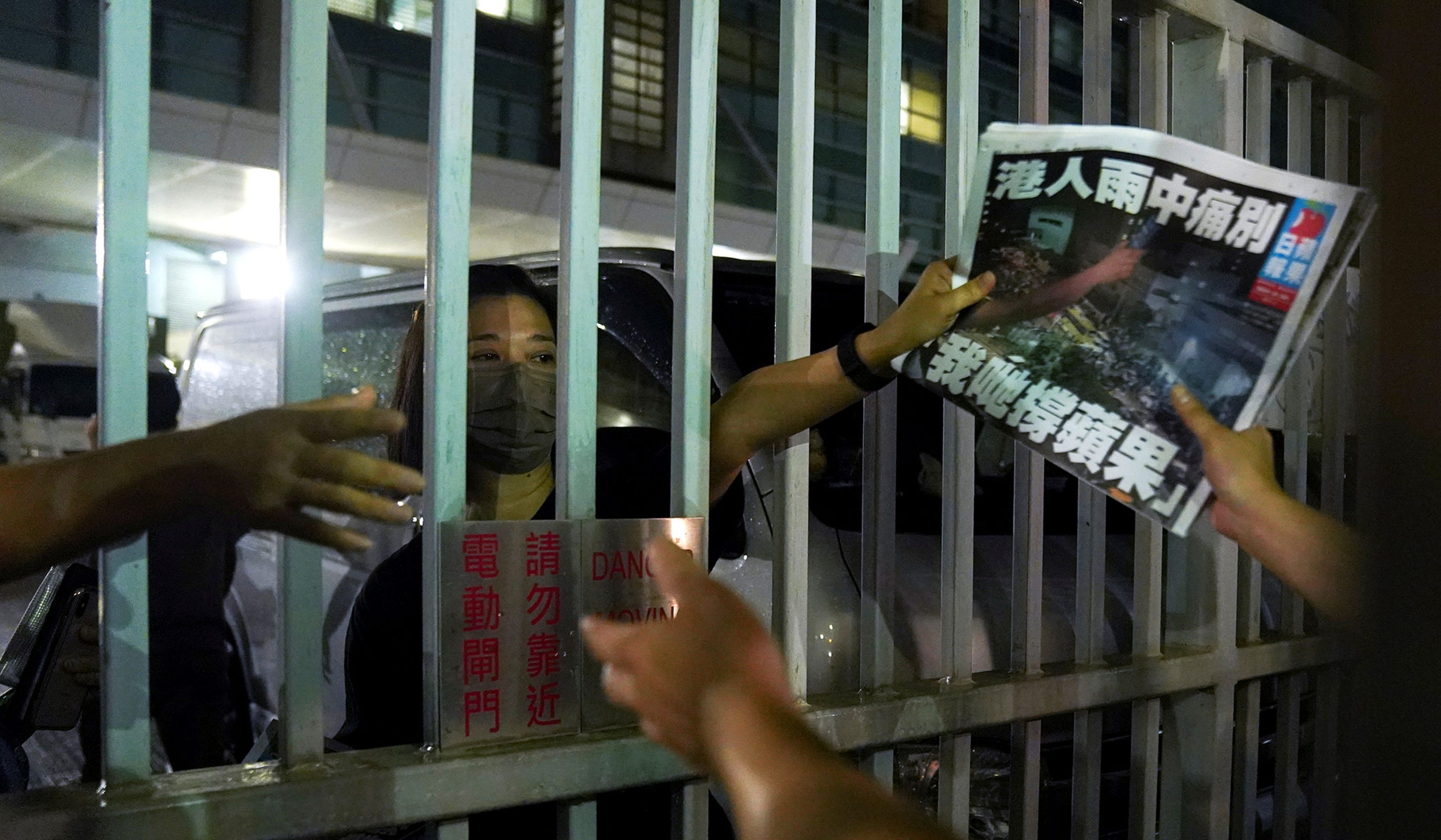
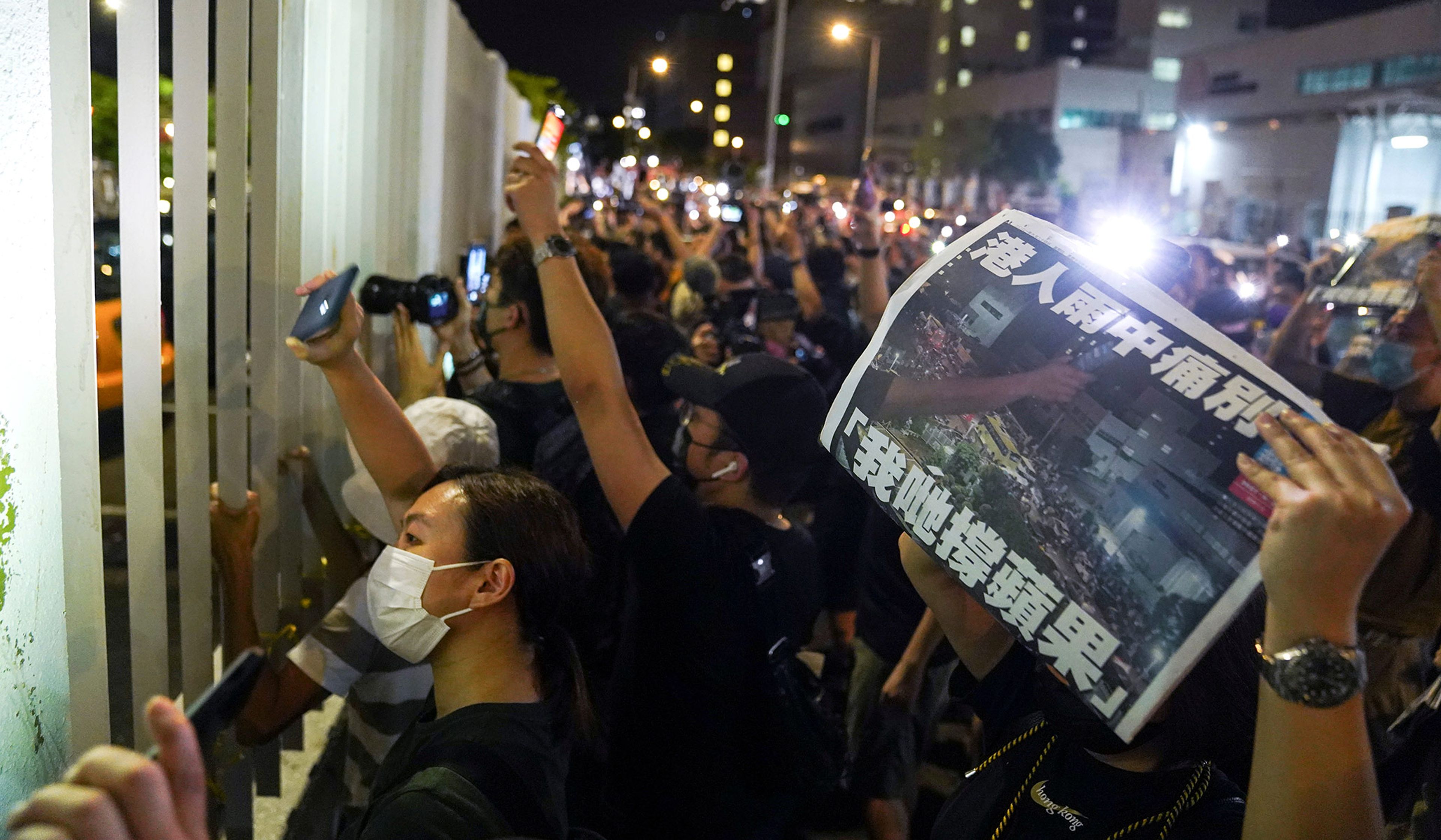
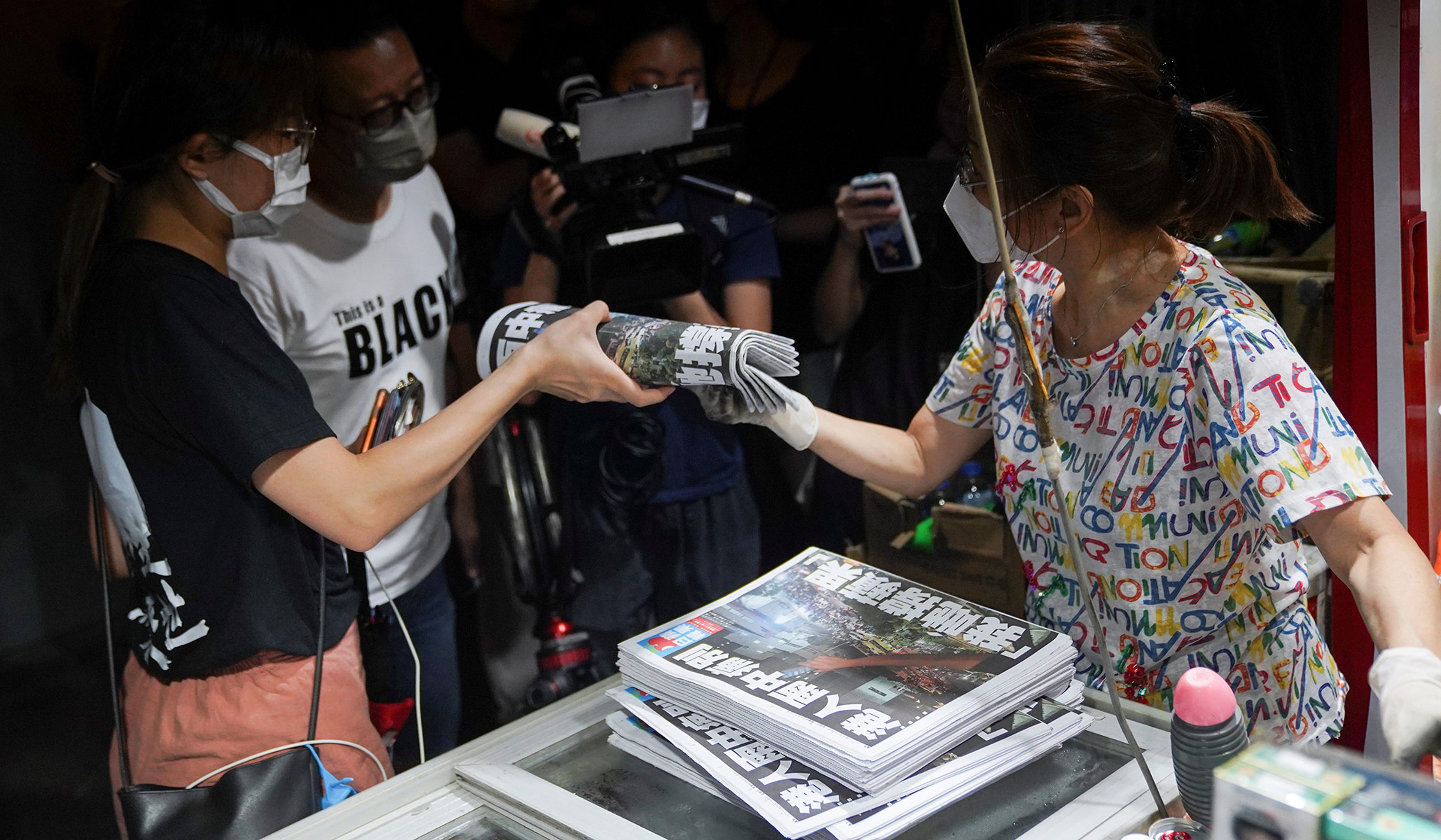
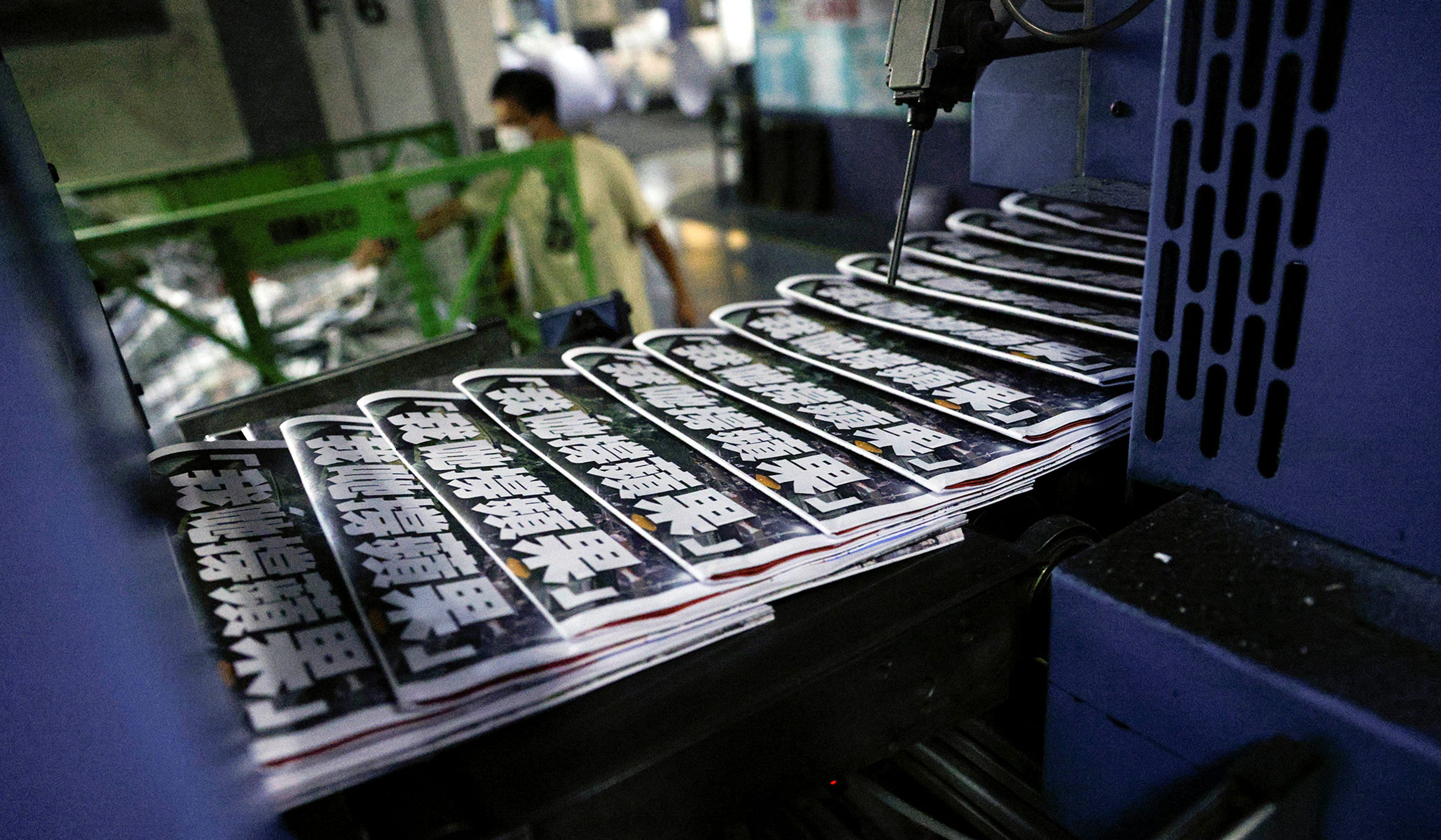
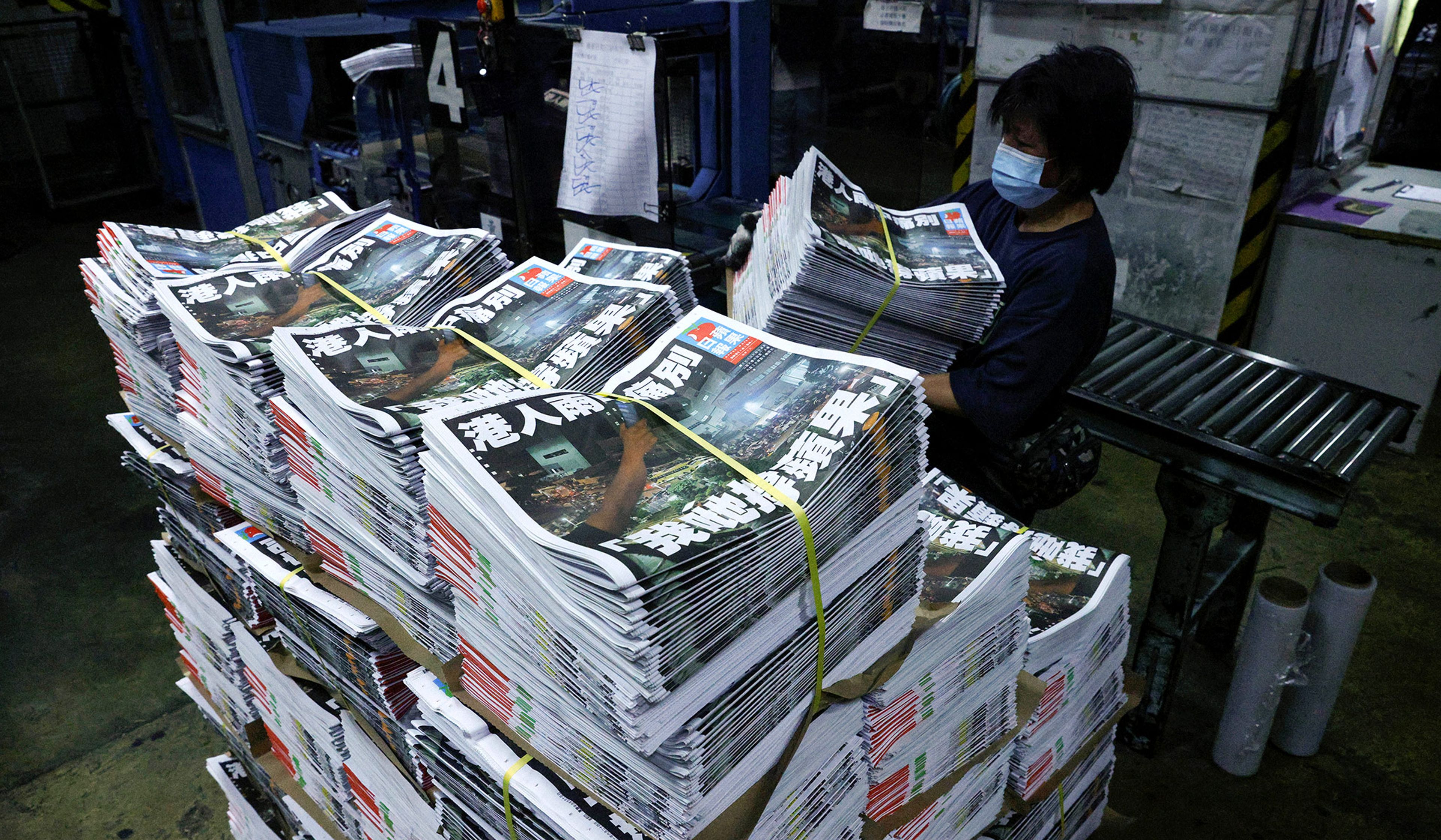
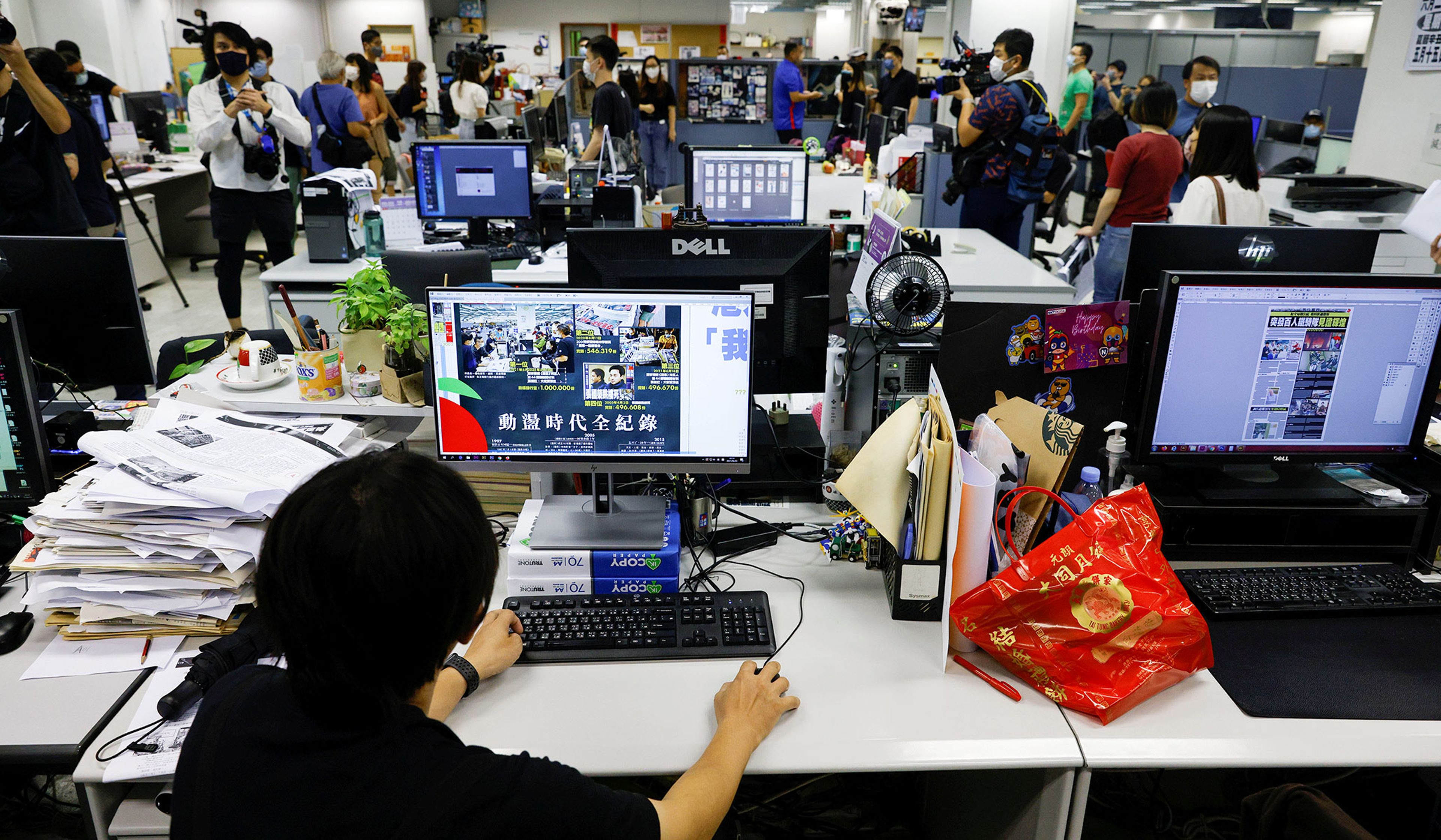
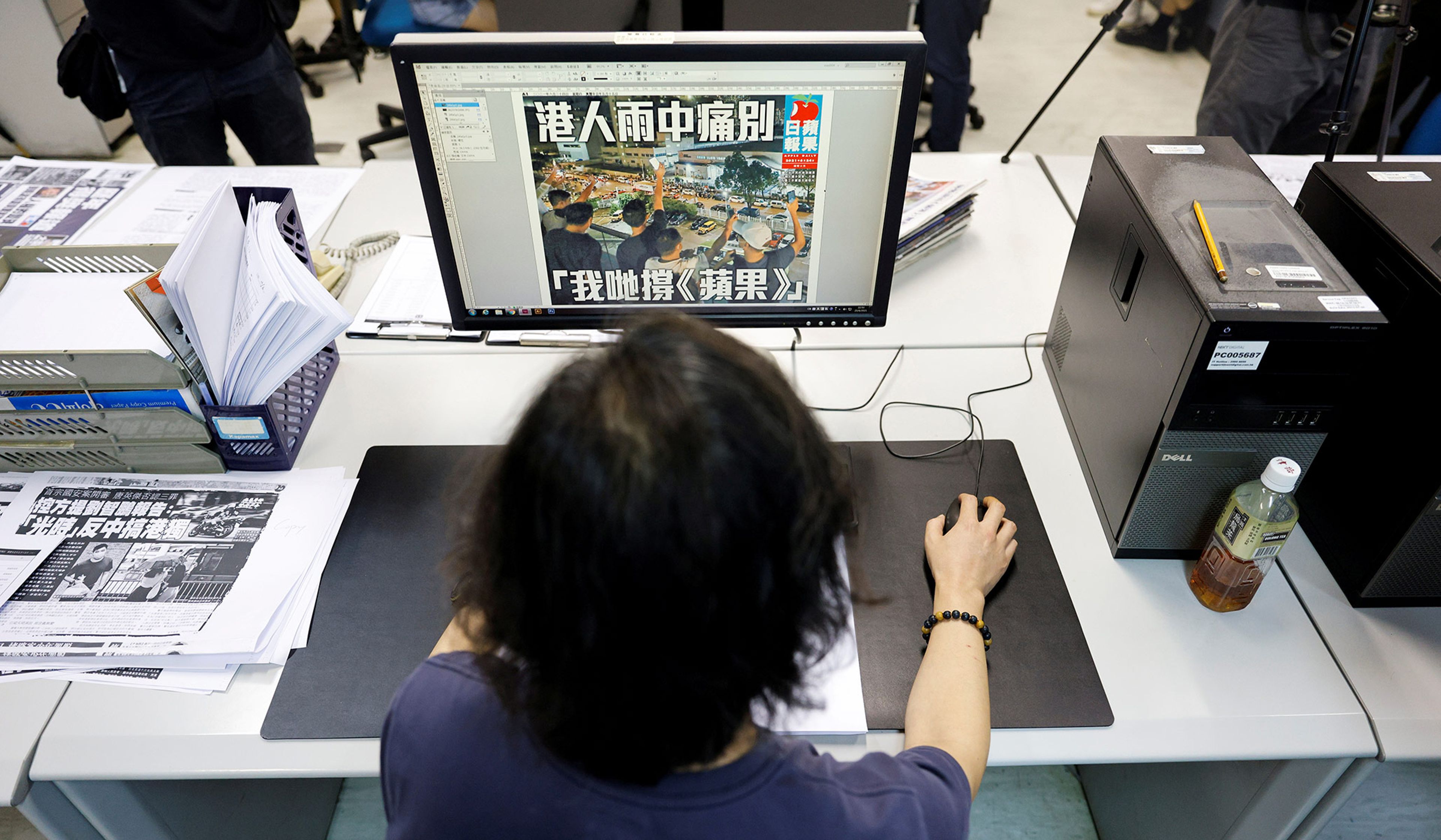
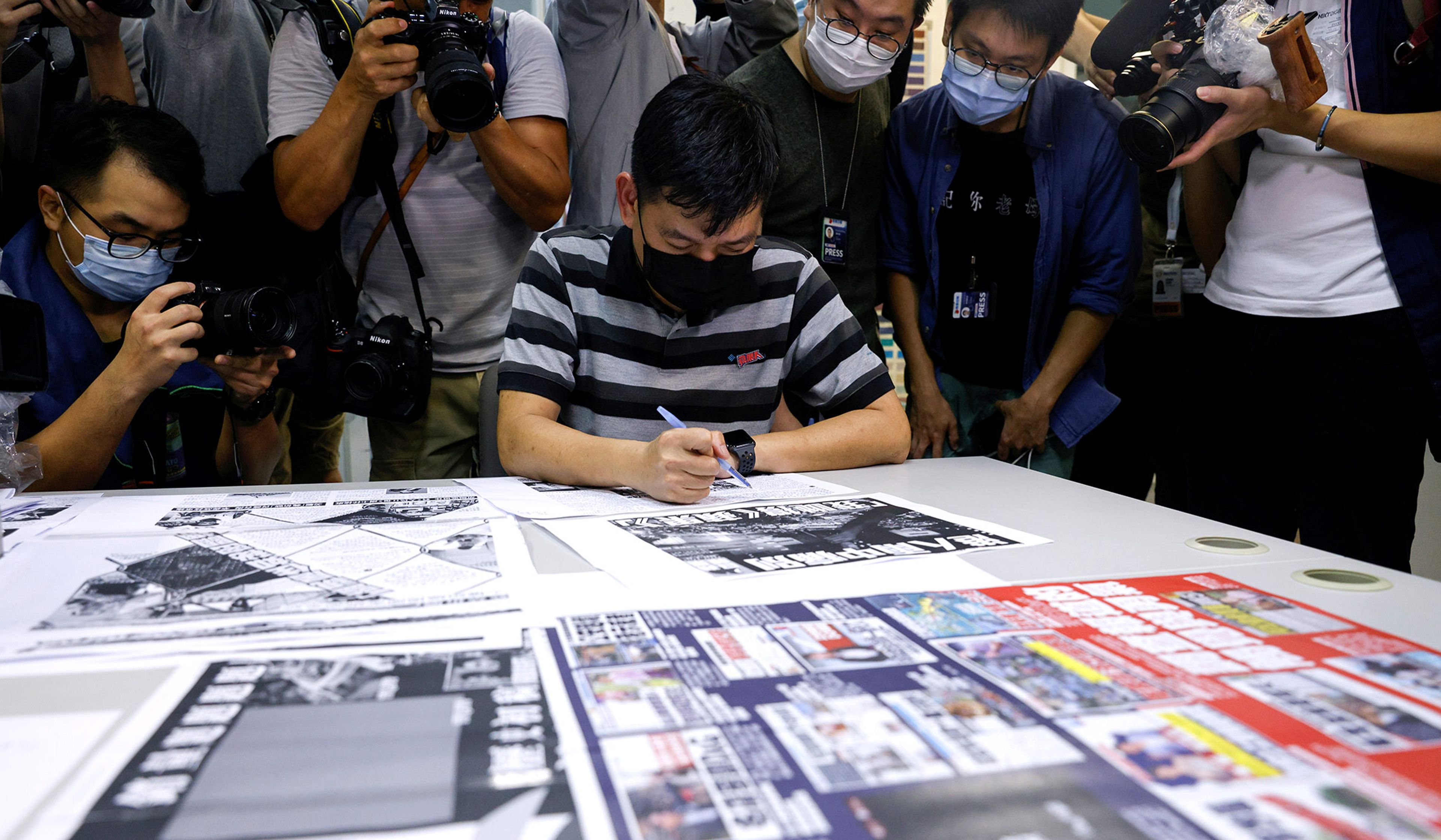
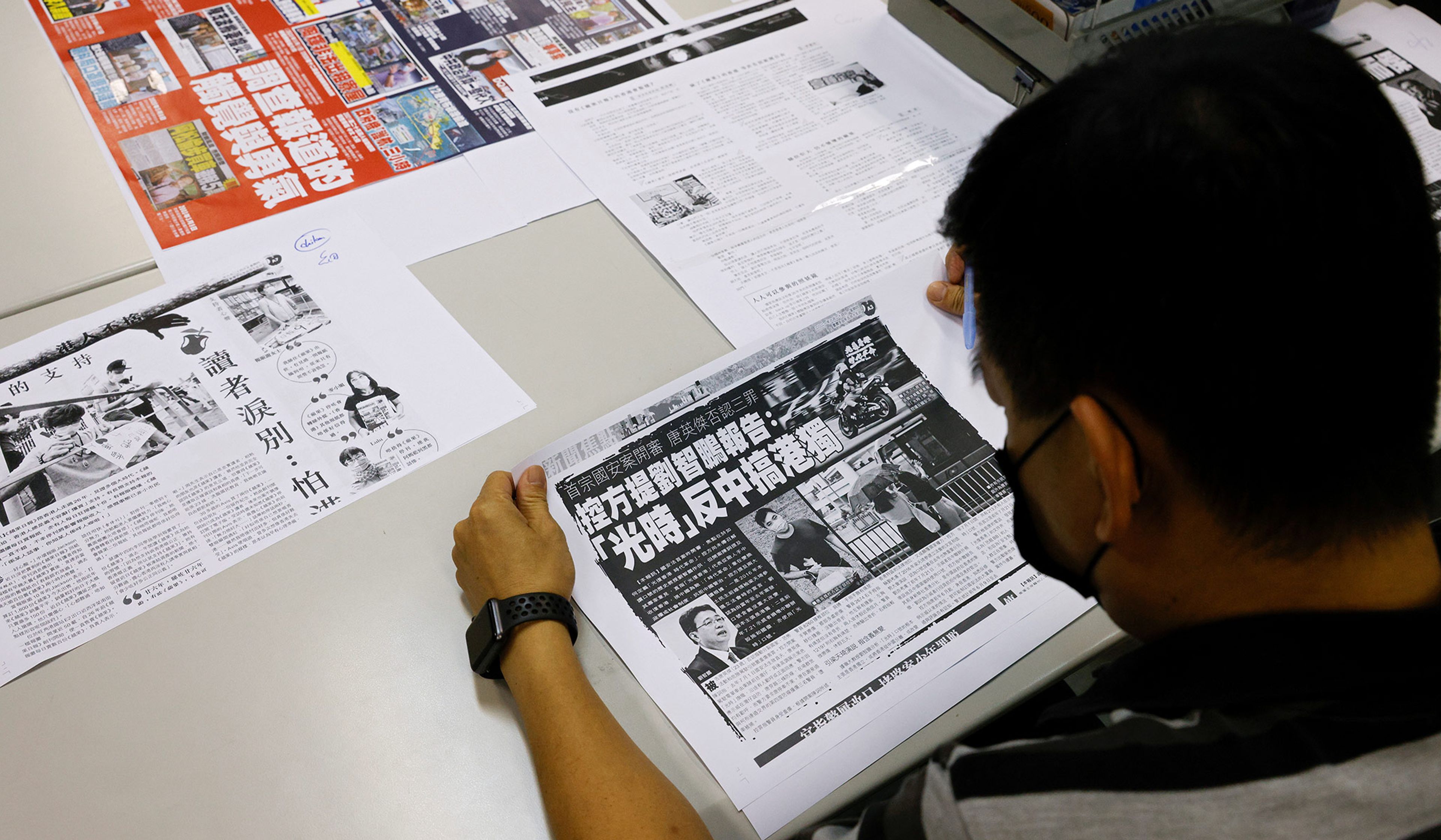
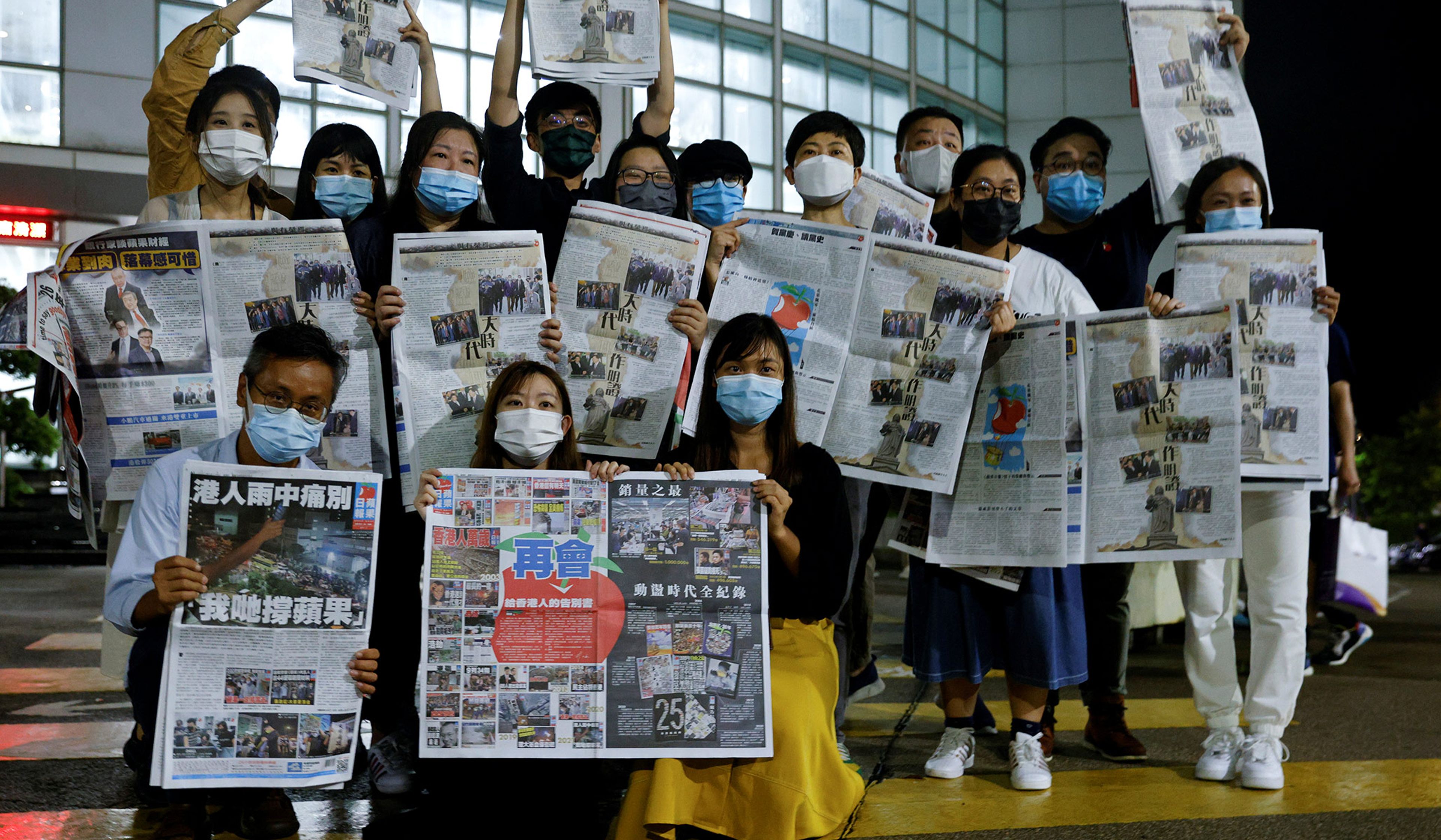
A supporter gestures while holding the final edition of Apple Daily in Hong Kong, China, June 24, 2021.
Lam Yik/Reuters
There is still a Taiwanese edition, online. Taiwan is a free China, unlike the China in which Hong Kong unfortunately sits. In 2012, I visited the paper’s offices in Taipei. In the lobby, I smiled to see a bust of F. A. Hayek, the great classical liberal whom Jimmy Lai so admires.
Consider questions of identity: Is a Taiwanese person Chinese? Is a Hong Konger Chinese? These questions are both very interesting and important.
Nathan Law, for one, feels 100 percent Hong Kongese. He was born on the mainland in 1993. He went with his mother to Hong Kong when he was six. For a while, he was “very nationalistic,” as he says — very Chinese. The high point was 2008, when he was 15. Beijing hosted the Summer Olympic Games, meaning that China was on the world stage. This made a great many proud, understandably.
Since then, matters have been more complicated. The Chinese government has equated Chinese-ness with support of themselves — the government. To be truly Chinese, according to the propaganda line, you have to line up with the CCP. The party has “increasingly weaponized identity,” says Law. If you cherish universal values, such as freedom and democracy — this makes it hard to feel at one with the nation.
In Hong Kong, Law attended pro-Beijing schools. He was never a political kid, but things changed when he was 17, two years after the Olympics. Liu Xiaobo, the scholar, democracy leader, and political prisoner, won the Nobel Peace Prize (in absentia). He was the first Chinese to win this award, regarded by many as the world’s most prestigious prize. Law and his classmates got an earful the next day at morning assembly. Onstage, the principal denounced Liu Xiaobo as a bad character, a troublemaker, who was anti-Chinese. This got young Nathan Law very curious.
He looked into the laureate’s work. “It was like opening a gate for me,” he says. “It was a waking-up moment.” He learned about democracy, human rights, the Tiananmen Square massacre — a lot.
At Lingnan University, he became a student political leader, something he never expected to be. The times — events — made the decision for him. “I thought I had a responsibility to answer the calling of the era, the calling of our society.” With so many other Hong Kongers risking so much, how could he stand aloof? He took a leading role in the “umbrella movement” of 2014. Democracy protesters, in the streets, used their umbrellas as shields against pepper spray and tear gas.
In 2016, Law co-founded a political party, Demosistō. The name was a concoction of Greek and Latin, conveying the idea of standing up for democracy. Later that year, Law was elected to Hong Kong’s legislature, becoming the youngest person ever elected to that body — he was 23. They did not let him stay for long, however.
By “they,” I mean the Chinese government. The government “reinterpreted” the constitution so as to disqualify Law and five others. The six of them, as democrats, were undesirables. Beijing forced them from the legislature. On top of that, the authorities sentenced Law to prison, in August 2017. The charge: illegal assembly, back in 2014, during umbrella-movement protests. Law was sentenced to eight months but was released on appeal after two and a half.
It was in 2019 that Hong Kong people took to the streets in massive numbers. At their peak, they numbered 2 million, in a city of just 7.5 million. They would not give up their way of life — their freedoms, their rights — without a loud, brave struggle.
Martin Lee, known as the “father of democracy” in Hong Kong, was then in his early 80s. He was among those arrested. In a poignant statement — and typical of him — he said, “Over the months and years, I’ve felt bad to see so many outstanding youngsters being arrested and prosecuted, but I was not charged. Now I’ve finally become a defendant. I feel proud that I have a chance to walk this path of democracy together with them.” (Lee was given a sentence of eleven months, suspended.)
The Hong Kong experiment, if you will — one country, two systems — seemed to come to an end on the night of June 30, 2020. That was when Beijing imposed its National Security Law on the city. The law, in effect, renders opposition to the government illegal — just as on the mainland. The first arrests under the new law were made the next day, July 1, exactly 23 years after the handover.
Nathan Law had gone into exile, just before the law was imposed. The next year, in April, he announced that Great Britain had granted him asylum. A spokesman for the Chinese foreign ministry denounced Britain for “harboring a criminal suspect” and for “gross interference in Hong Kong’s judicial affairs.”
Law fled for his personal safety, yes. He also fled so that he could speak — speak for a city suddenly silenced. He could, for example, call for international sanctions against Hong Kong officials who violate human rights. He could call on democratic governments to remind China of its pledges in the Joint Declaration. If you do that now, in Hong Kong, you could spend the rest of your life in prison.
In the first week of July this year, Law published an open letter to Viktor Orbán, the leader of Hungary, who is Beijing’s closest friend in the European Union. Law said, in sum: Stand with us — stand with freedom, stand with Hong Kong — instead of Xi Jinping.
Sometimes, a government, like an individual, has to choose. In November 2019, the U.S. president, Donald Trump, said, “Look, we have to stand with Hong Kong, but I’m also standing with President Xi. He’s a friend of mine. He’s an incredible guy.” This kind of position gets hard to sustain.
Perry Link says, “Hong Kong is not just Hong Kong on the world stage.” Link is an eminent American scholar of Chinese and Chinese literature, and a longtime friend of dissidents. No, Hong Kong is a “battleground” of a “larger confrontation,” he says: between democracy and dictatorship, freedom and unfreedom. A great, energetic, free city is being murdered before our eyes. “That’s a big fact wherever in the world it happens.”
Above, I spoke of Apple Daily as a light, gone out. In conversation with Nathan Law, I recall the words of Sir Edward Grey, the British foreign minister, in August 1914: “The lights are going out all over Europe.” Have the lights gone out in Hong Kong, or is there a flicker or two left? Law considers the question with great care.
The people of Hong Kong are now walking through a dark tunnel, he says. Each person is a spark of light. They have no idea how long the tunnel is or what they will find at its end. But the rest of the world could “walk in that tunnel with us and implement policies that hold China accountable, and that make us feel that we are supported and encouraged to walk one more mile.” He concludes, “I think that’s the least we can all do.”












Comments