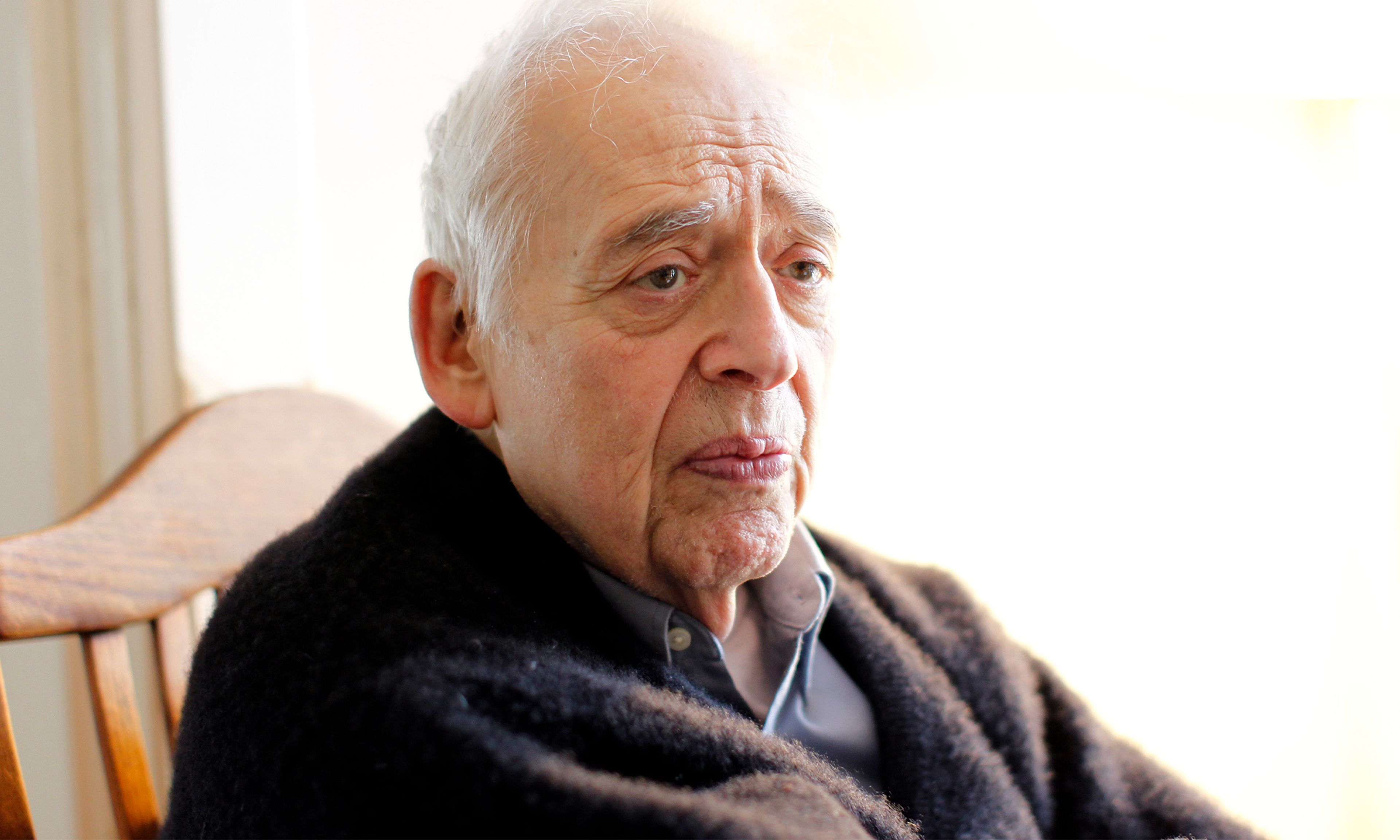
‘I’m fated to remain an unknown critic,” Harold Bloom wrote in May 1970, age 39, to his friend, the poet A. R. Ammons. Two weeks later: “I am a failure, by my figuring, whatever even my friends tell me.” In 1973, he wrote to the poet John Hollander, who would later be his colleague at Yale: “End of classes finds me ascetic, suicidal, and in general the usual sense of failure.” It is a common theme of Bloom’s letters of this period. Two years later, again to Hollander: “Lord knows what I am — not a poet, critic, scholar, historian, psychoanalyst, philosopher, or theosophist — but a worthless mélange of the gang of it.”
When he died in 2019, age 89, Bloom had long since been the best-known literary critic of his generation. Romanticism’s romantic champion, Dr. Johnson-as-voluptuary, Sterling Professor of the Sorrowful Countenance, Blakean-Emersonian-Nietzschean oracle of American gnosis — Bloom was “multi-landscaped, rugged, wide,” Ammons wrote to him in June 1970: “in short, continental.” He sought and won the bubble reputation.










Comments