In The Fractured Republic, my colleague Yuval Levin argues that conservatives suffer from a paralyzing nostalgia for the 1980s, in which they detected an echo of the moral certainty and economic dynamism of the 1950s. But some remember the 1980s rather differently: The U.S. divorce rate peaked in 1980, and children in elementary school in the Reagan years were the first generation in which the question “Are your parents still married?” was both common and of intense interest. (“Were your parents married . . .” with the implicit “. . . at all?” came later.) The maudlin term “latch-key kids” became commonplace; “day orphans,” from the 1984 documentary on the subject, never quite caught on. The murder rate in 1980 was exactly double what it had been in 1960. The great cultural holdover from the Eisenhower years was that schoolchildren were still being taught to cower under their desks in the event of a nuclear attack. It was, in reality, a terrifying time to be a child.
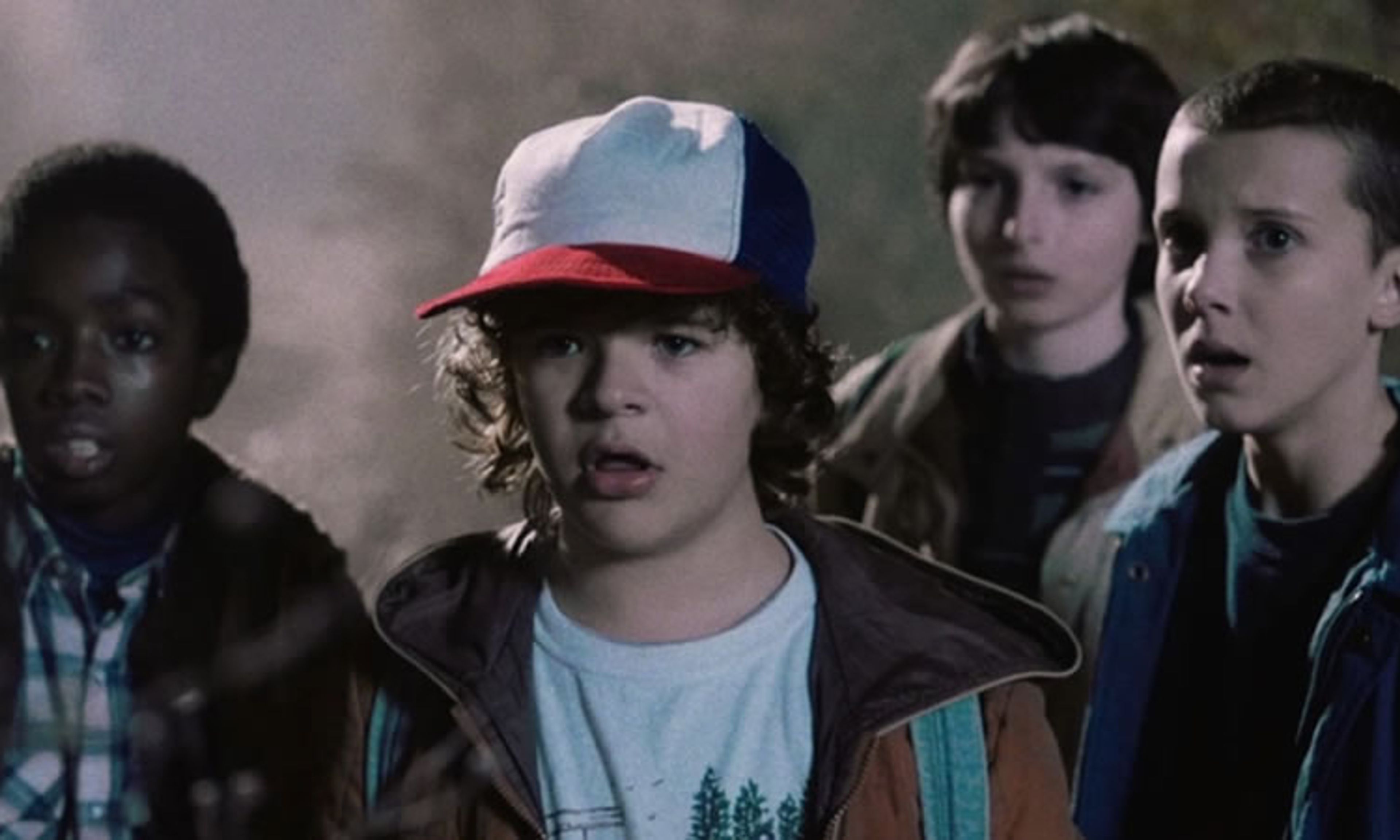
Stranger Things, the immensely popular new Netflix series that has just concluded its first season, is an exercise in 1980s nostalgia done right: From the frazzled, feckless, chain-smoking single mother played by Winona Ryder (in case your Eighties buttons weren’t being pushed hard enough) to the beat-up 1964 Ford Galaxie 500 driven by her older son, Stranger Things is set in the 1980s as they actually existed — which is to say, it is set in the wreckage of the 1960s.











Comments