Gopher Frogs and Prairie Dogs
Regarding Shawn Regan’s article “Consider the Dusky Gopher Frog” (October 1): From its beginning, in 1973, the Endangered Species Act was founded on the mistaken idea that successful conservation is about promoting the survival of charismatic wild animals — often predators at the top of food chains. Notice that Representative Don Young is quoted as complaining that congressmen were originally told the law “was meant to save ‘leopards,’ not ‘mussels and snails and turtles.’”
Those charismatic species high in the food chain will not survive unless most of the other creatures and vegetation are thriving, from the bottom up (e.g., beetles and bees, termites and turtles, dusky gopher frogs and prairie dogs, grasses and sassafrases). In order to conserve healthy ecosystems, the focus must be on maintaining or reestablishing suitable habitats, not on the survival of one or a few specific species. The creatures, up and down the food chain and throughout the ecosystem, will do just fine if their habitat is in good shape. So, land use is necessarily the primary policy concern.
I suggest that the Endangered Species Act be rechristened the Natural Habitat and Species-Preservation Act.
And, by the way, Shawn Regan writes a good article. We should hear more from him.
Steve Bartlett Portland, Ore.
Shawn Regan responds: Habitat is indeed a crucial ingredient for species recovery. Most endangered species rely partly on private lands, which is why recovery efforts must find ways to reward landowners who provide habitat, not punish them with regulations. That’s where the case of the dusky gopher frog went wrong. By designating 1,500 acres of private property as critical habitat for the frog — a designation that comes along with burdensome permitting requirements and reduced property value — the feds made enemies of the very landowners most critical to recovering the species. Making matters worse, the frog hasn’t been seen there for 50 years and cannot inhabit the land without significant (and expensive) modifications.
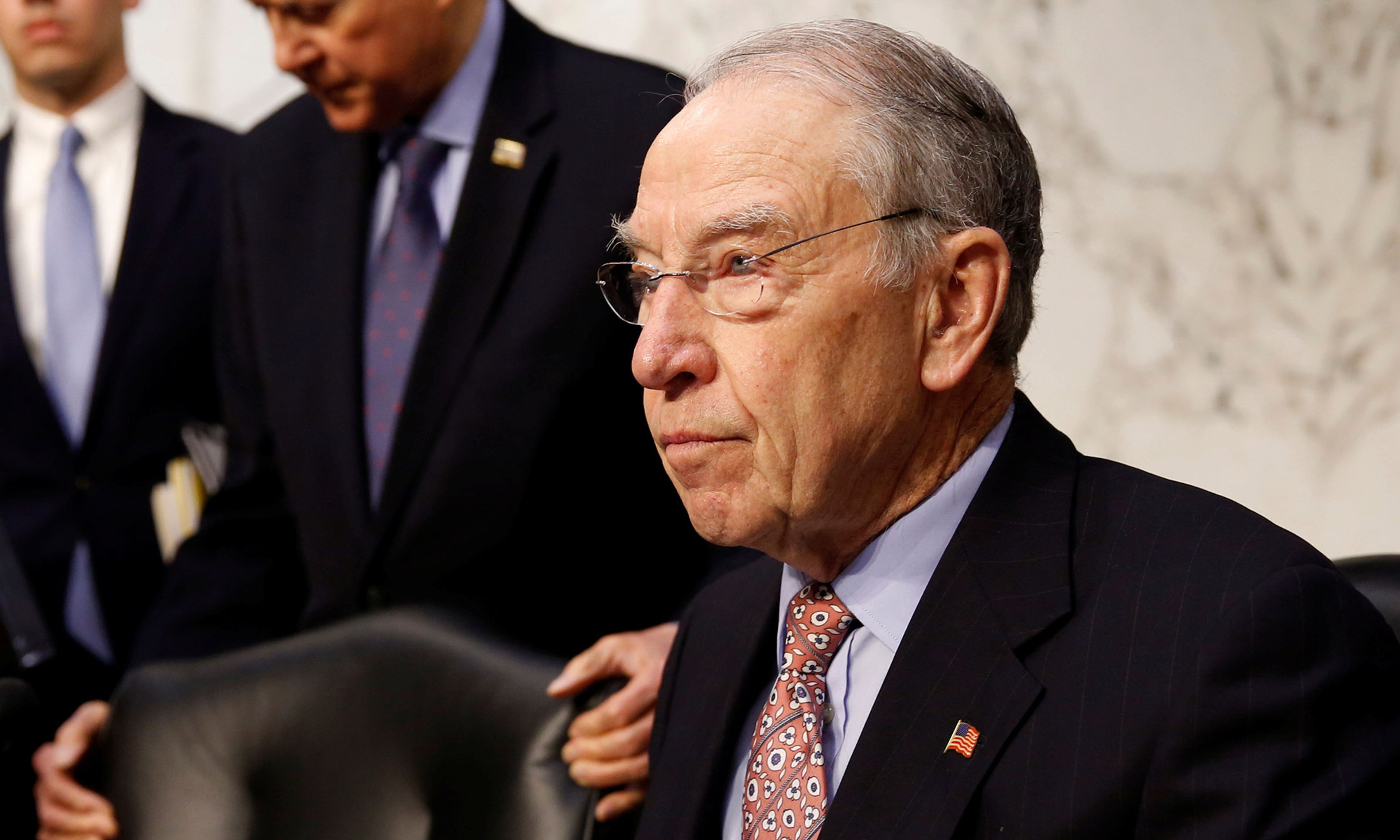
Chairman Chuck
You properly afford Senators Mitch McConnell, Lindsey Graham, and Susan Collins praise for their role in confirming Judge Brett Kavanaugh to the Supreme Court (the Week, October 29). You inexplicably omitted, however, expressions of admiration for the essential role of Senate Judiciary Committee chairman Chuck Grassley.
He shepherded the Kavanaugh nomination through the committee and the Senate floor with grace, grit, and determination in the face of united Democratic opposition on the committee and disruptive acts by protesters. The Senate has already confirmed 84 judges during Trump’s first two years, including two Supreme Court justices and 29 circuit-court judges. The circuit-court figure is the most for the first two years of any presidency. All of this despite the Democrats’ routinely using Senate rules to slow down the confirmation process. Thirty-three more federal judges have been approved by the Judiciary Committee and await floor action — an extraordinary output.
Mark Disler Rockville, Md.
The Editors respond: You are right, and very well said.











Comments