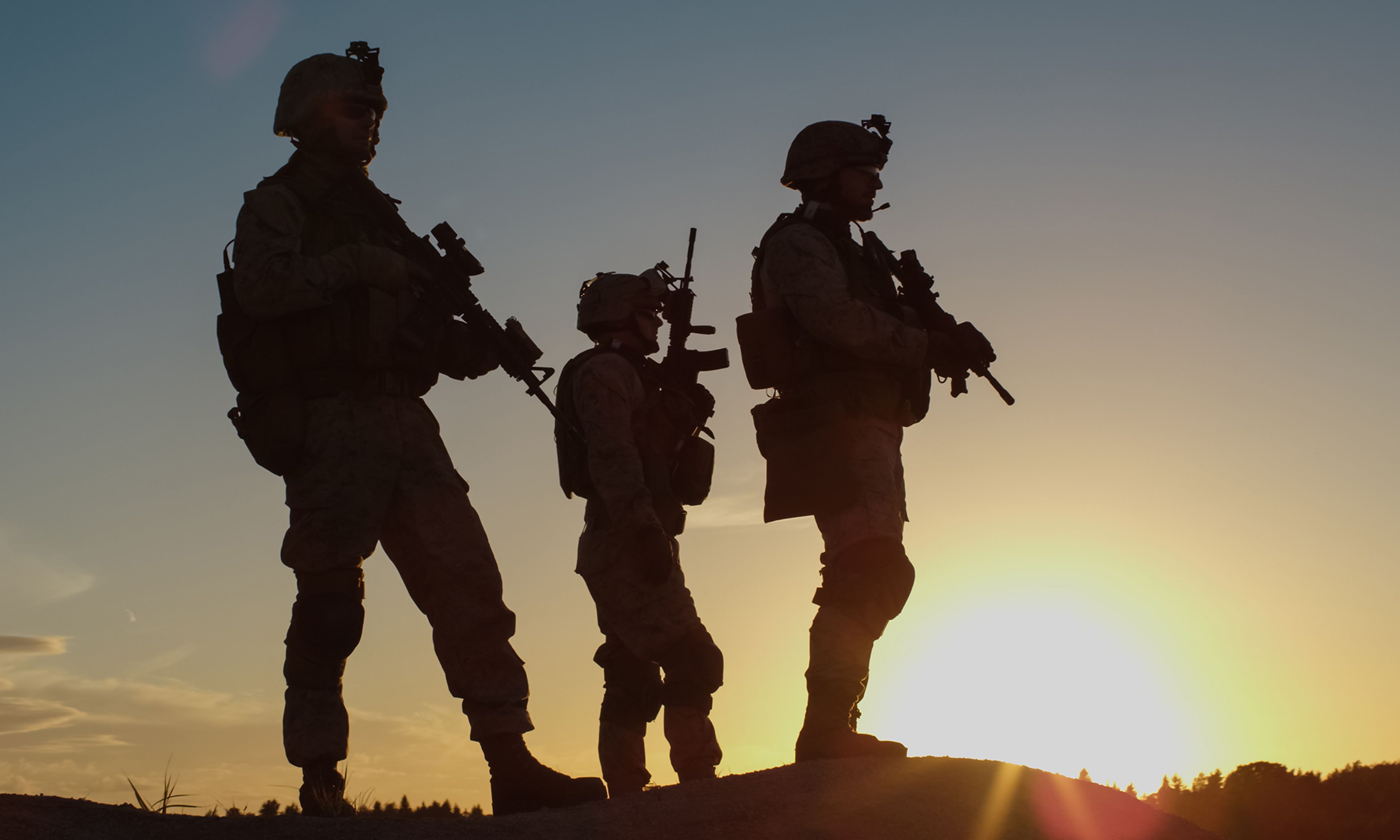
There’s a conversation a third of the way through The Last Platoon that gets right to the heart of the matter. Marine captain Diego Cruz has been deployed on short notice to command a rifle platoon in Afghanistan’s Helmand Province. Busby Stovell, a CIA operative on the hunt for a high-value target, has persuaded a wary Cruz to let Stovell’s team join a patrol outside the wire. “Skipper, you know you’re going to get hit,” Stovell tells Cruz. “Our team makes no difference.”
Cruz kept his eyes fixed on the laborers.
“I hate the Green Zone,” Cruz said. “Lost too many good devil dogs in these fields. We thought we could change these people, win them over.”
“Did you really believe that?” Stovell said.
“The generals believed it,” Cruz said. “I’m just a grunt.”
That “just a grunt” stoicism has a long and venerable tradition, common to all veteran infantrymen. Lord Tennyson understood it when he wrote the famous lines “Theirs not to make reply, / Theirs not to reason why, / Theirs but to do and die.” Through the past 20 years of often fruitless war, American grunts have been more than willing to fight and to bleed. Indeed, the combat infantryman has shouldered the nation’s load so faithfully that his sacrifice has almost been taken for granted. So what do the nation’s political and military leaders and — in a republic — the people themselves owe the grunts? What reply can we make for them?
In this bracing novel, Bing West bluntly answers that question.
West, who saw heavy combat leading Marines in Vietnam and later served as a Reagan-era assistant secretary of defense, writes briskly, and the novel takes place over just seven days. We follow Captain Cruz from Camp Pendleton to the poppy fields of Helmand as 350 Marines scratch out a hasty perimeter. The 155 mm artillery cannons at the newly established Firebase Bastion have been sent to provide devastating, around-the-clock precision fires in support of a battalion of the Afghan National Army as it advances on the provincial capital, Lashkar Gah. The operation is to take no more than a week and will serve as a warning, a brushback pitch, to the Taliban — at least that’s the Pentagon’s and the politicians’ theory. “The Taliban promised to reduce the violence,” the SecDef tells the president. “Instead, they’re trying to capture a major city. They’re breaking the deal they cut with you.” (Where have we heard that before?)
If you want to know what it’s like to join a squad of leathernecks on patrol, this book gives you a taste. The weight, the sweat, the weariness — the boredom broken by sudden terror and close combat. The dread feeling that, for all our technology, no infantryman at the sharp end of the spear can see through the fog of war. Unlike many works of historical or military fiction, West’s prose isn’t weighed down by useless jargon. Yes, the lingo is woven in, and there are lines that may mystify civilians while bringing a wry grin to veterans, but the novel is not impenetrable to a layman.
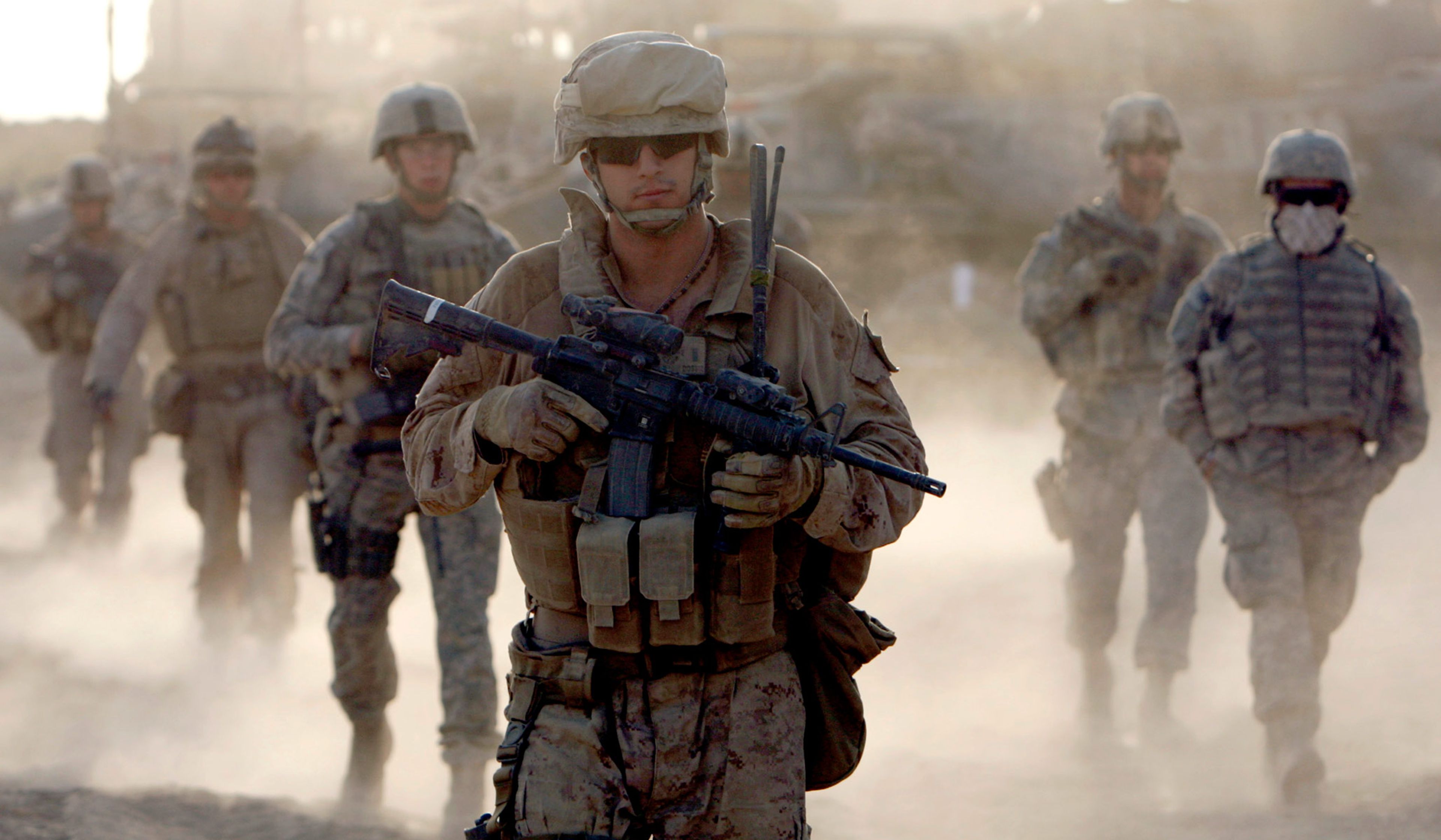
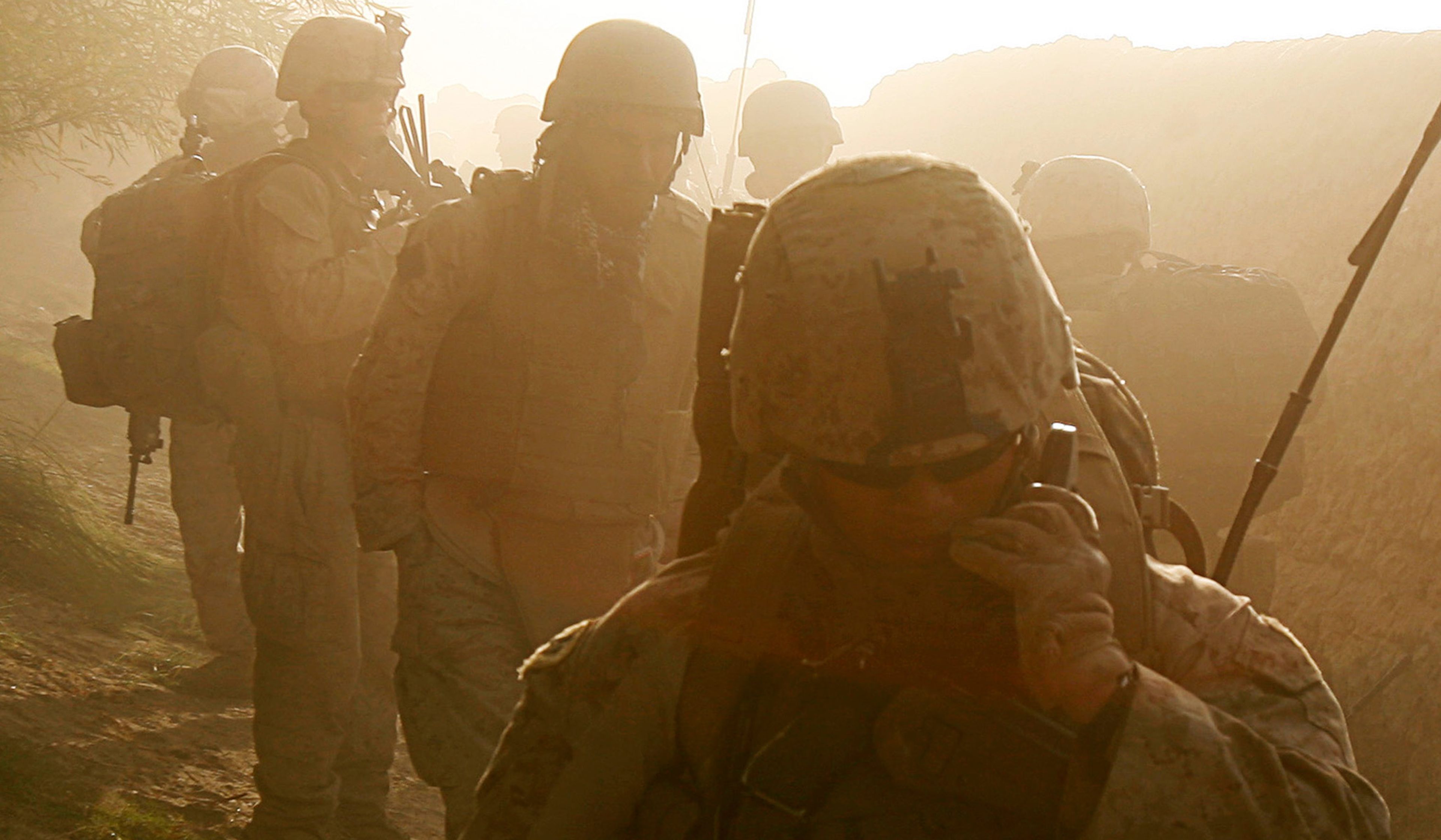
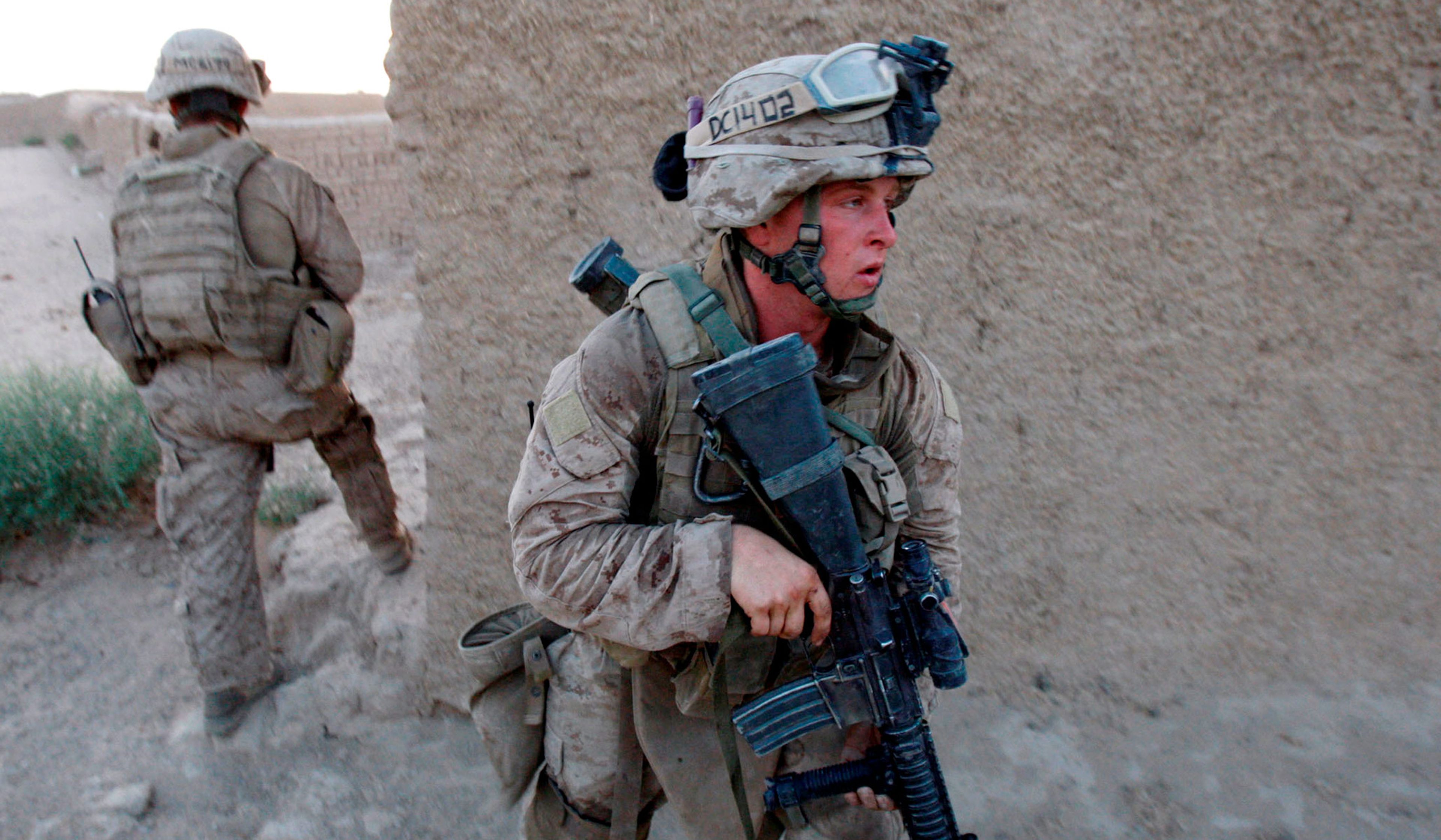
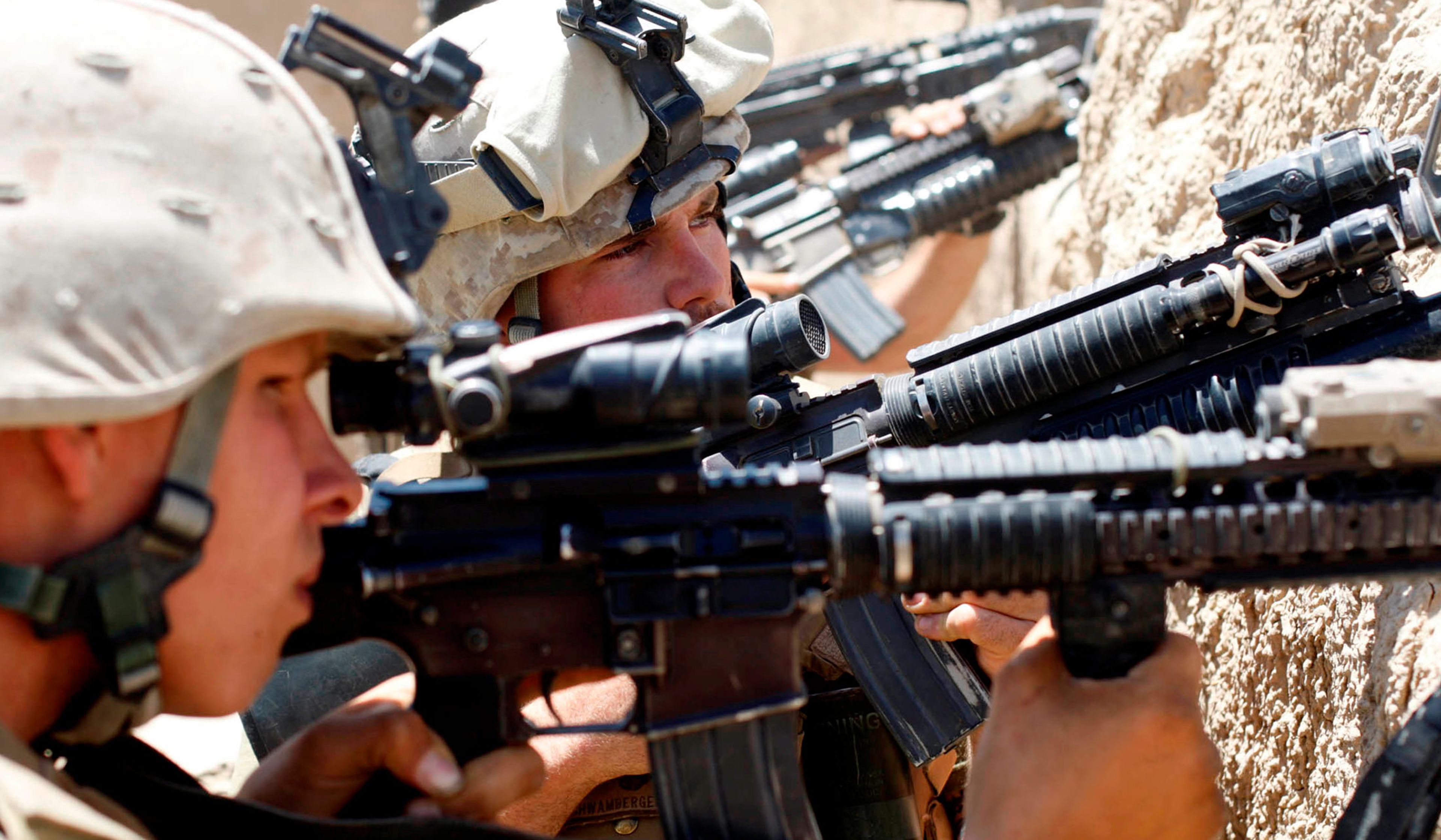
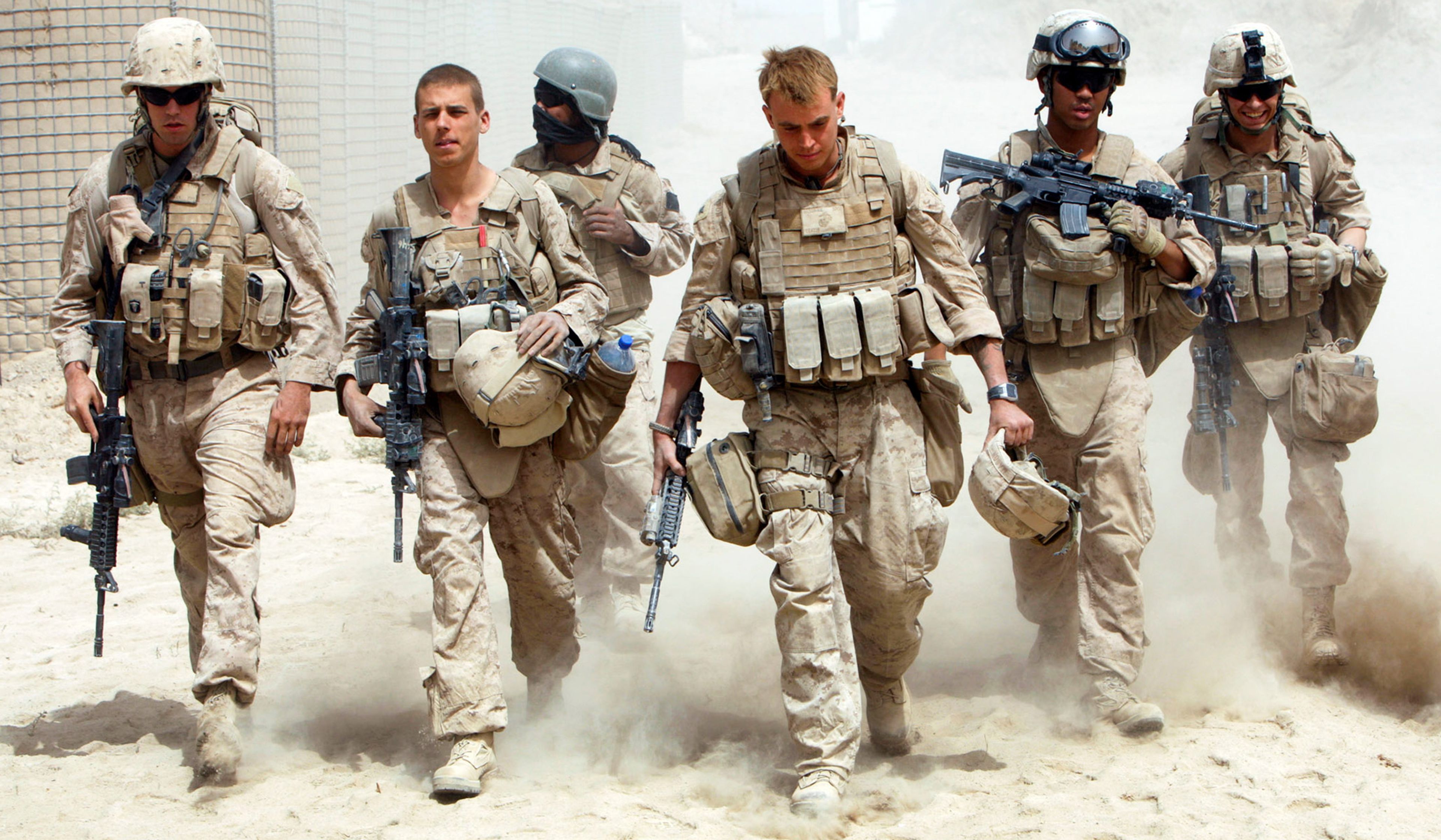
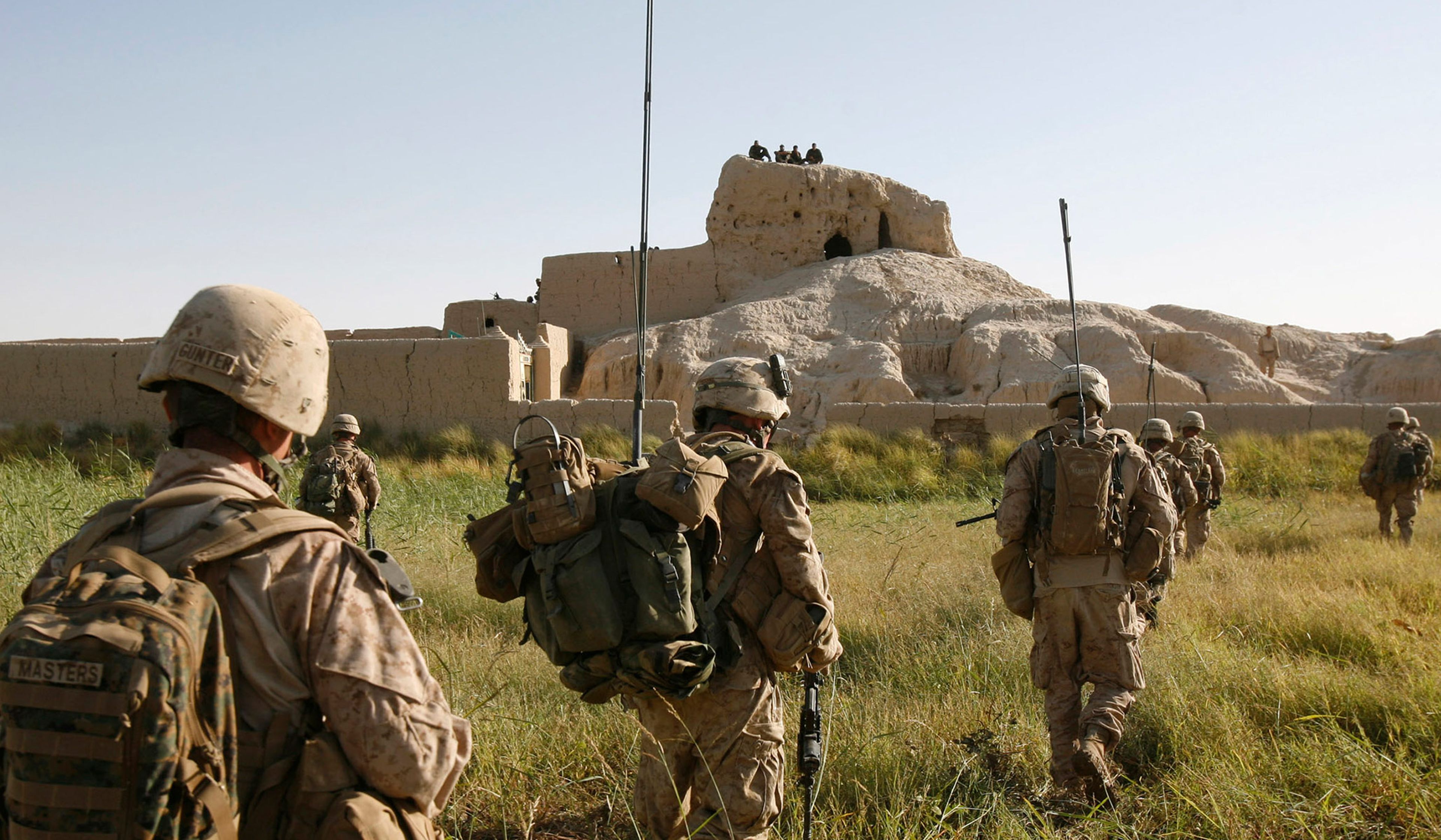
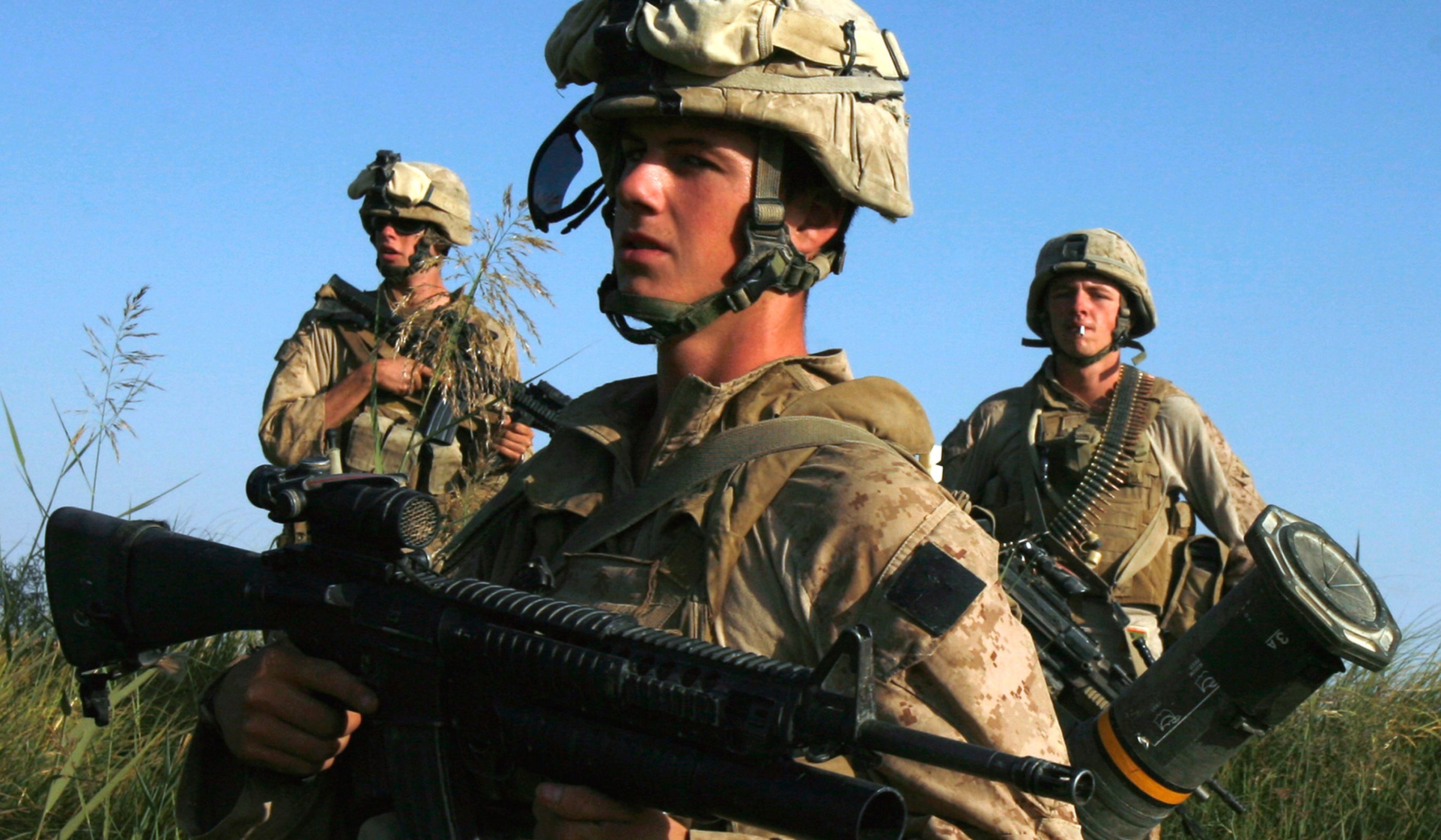
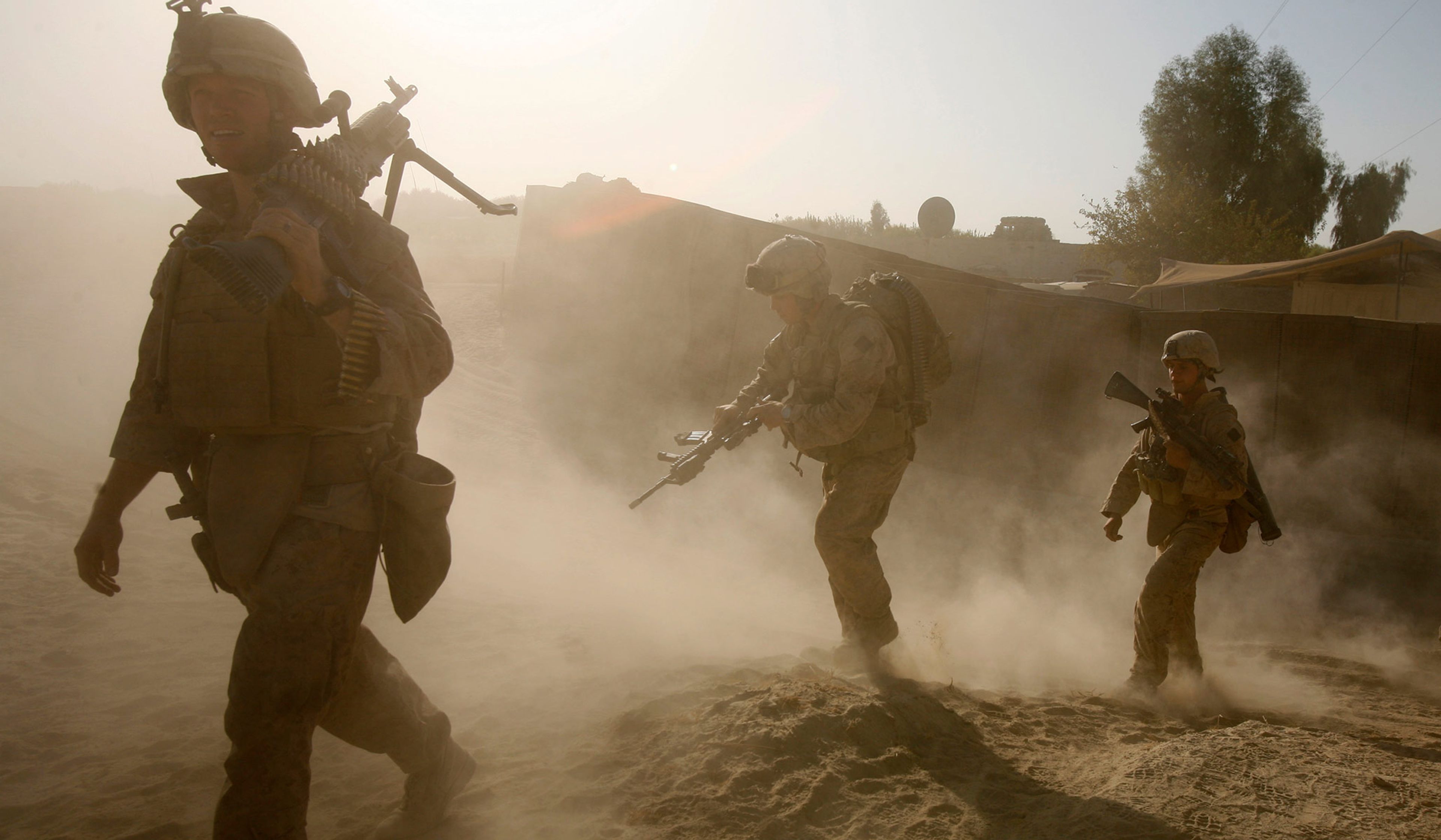
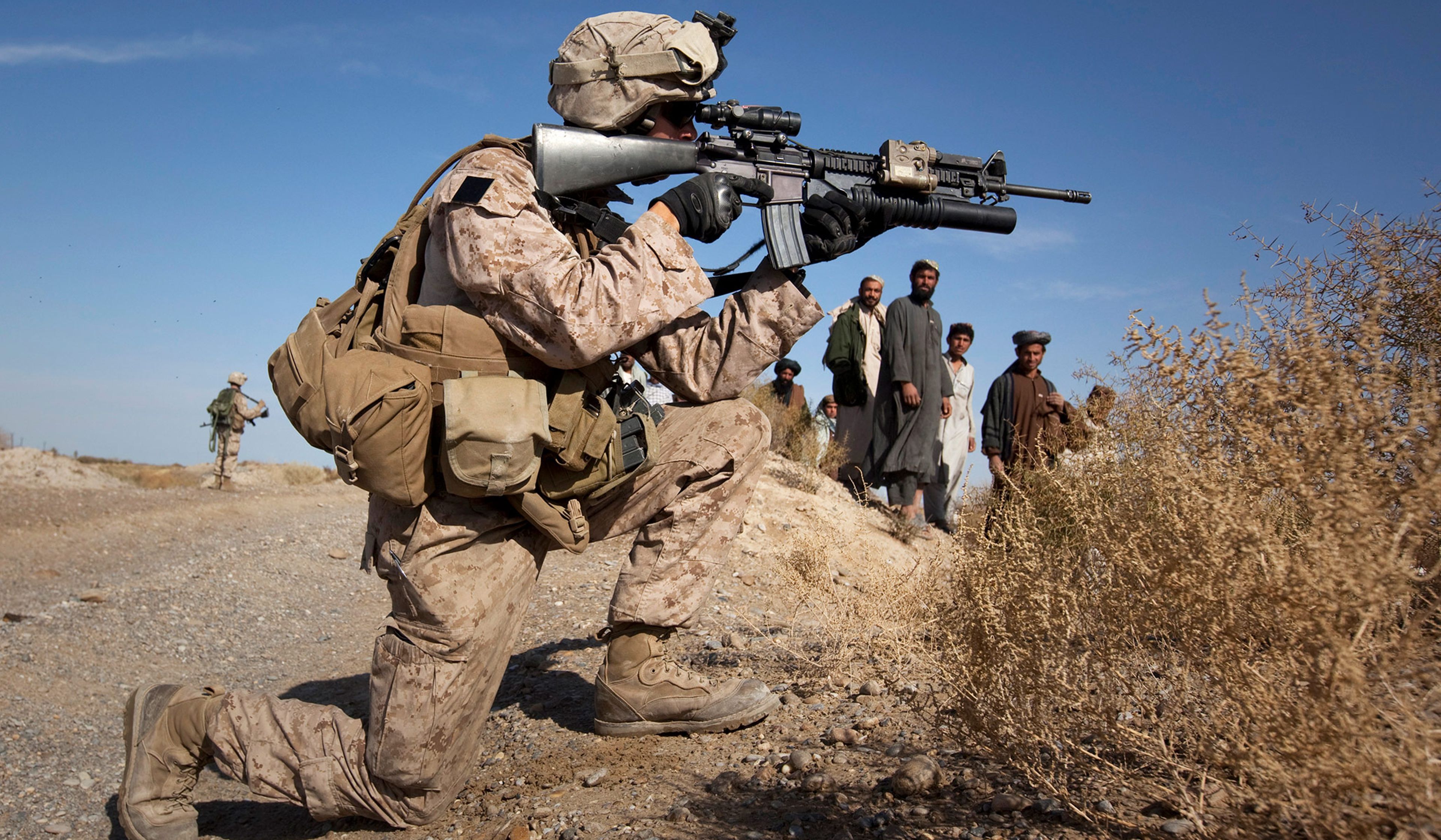
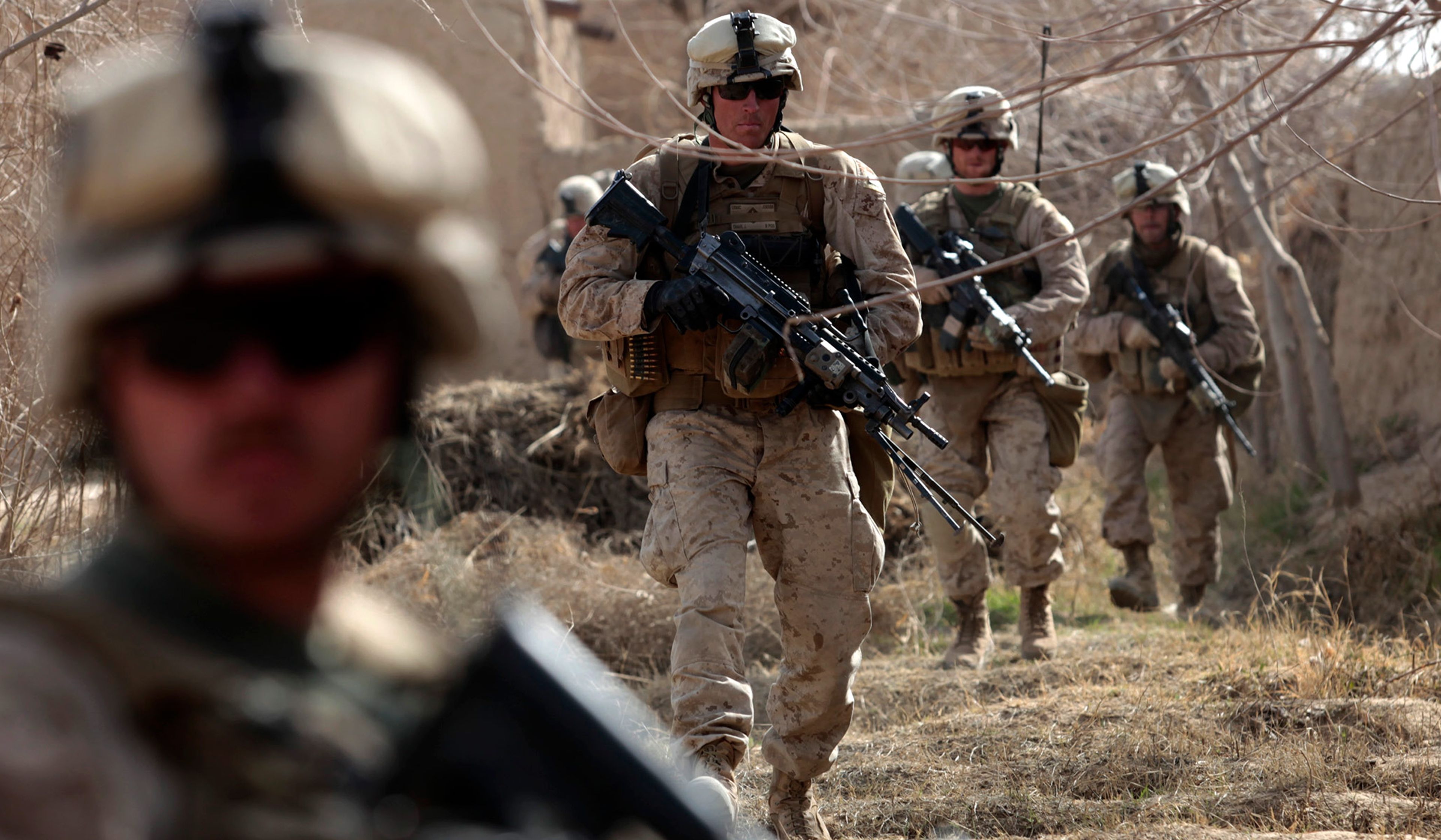
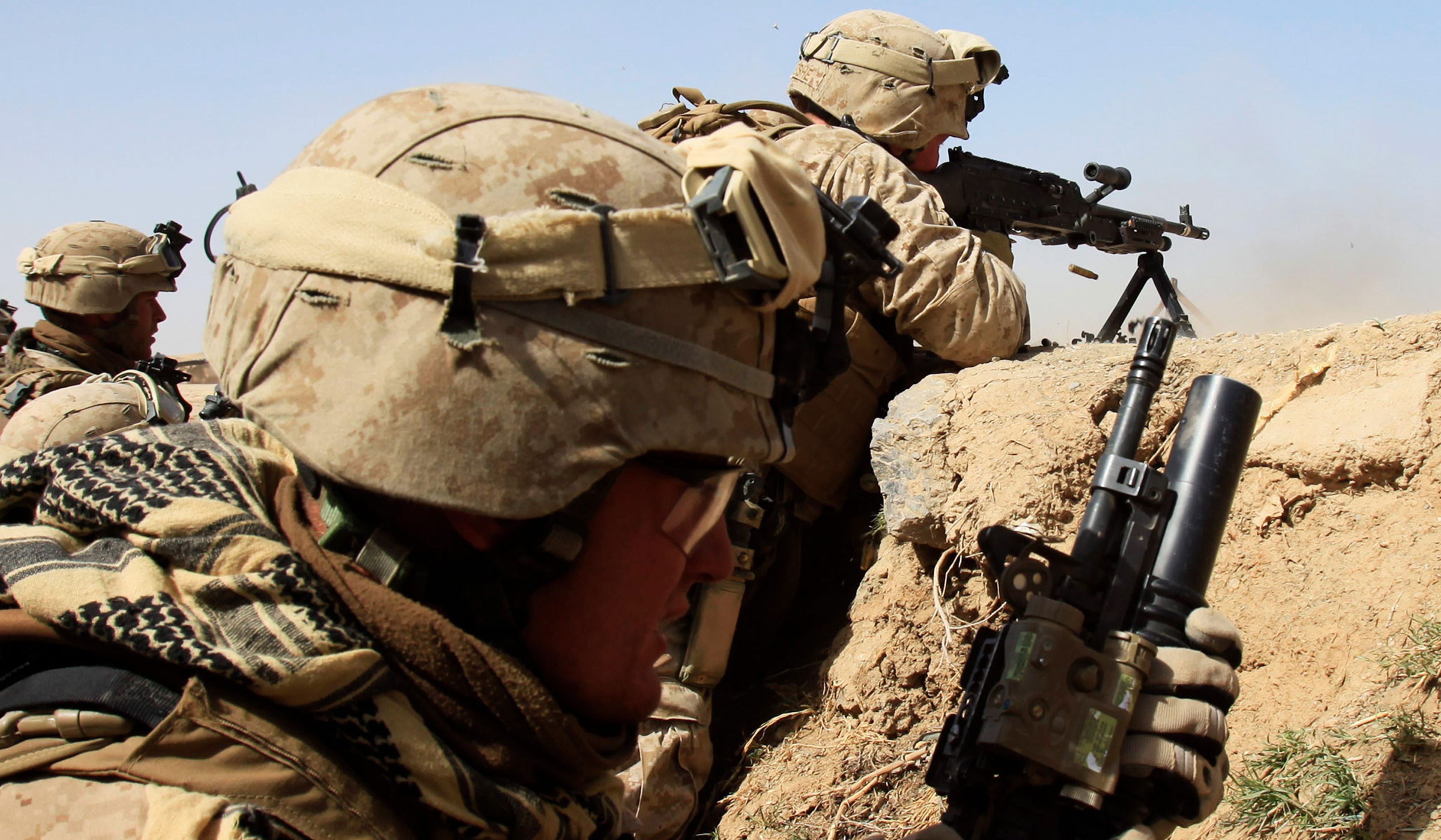
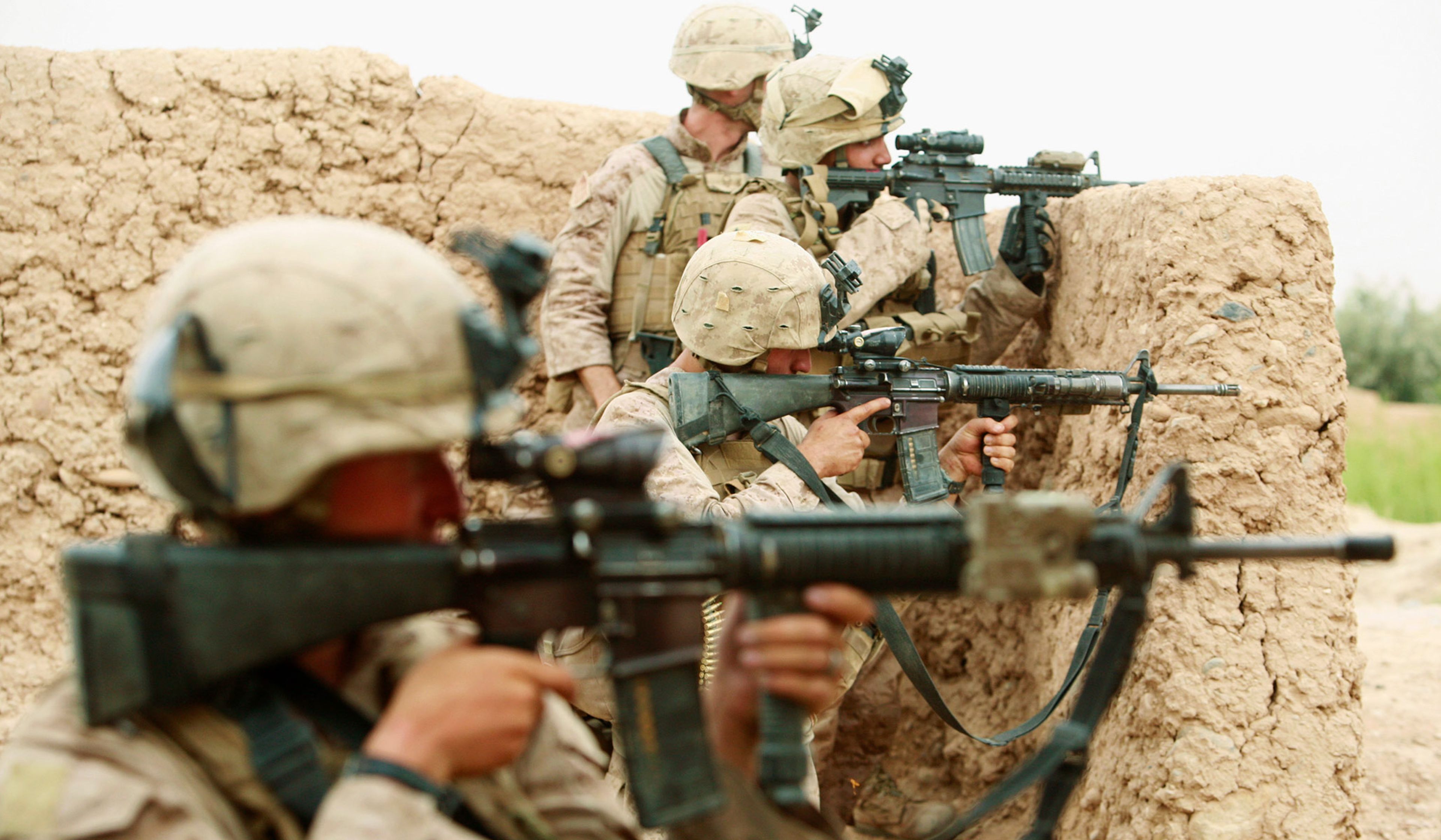
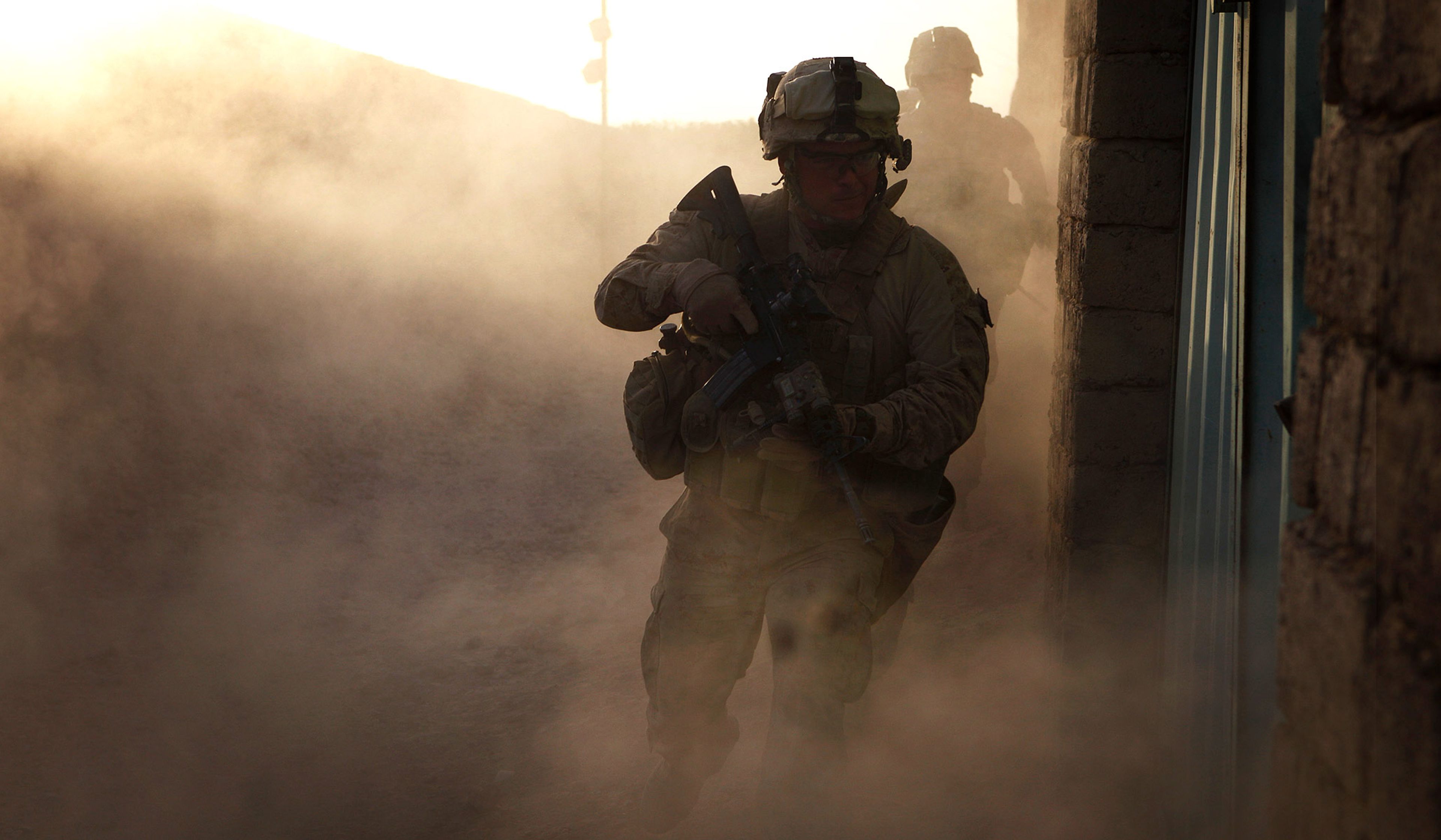
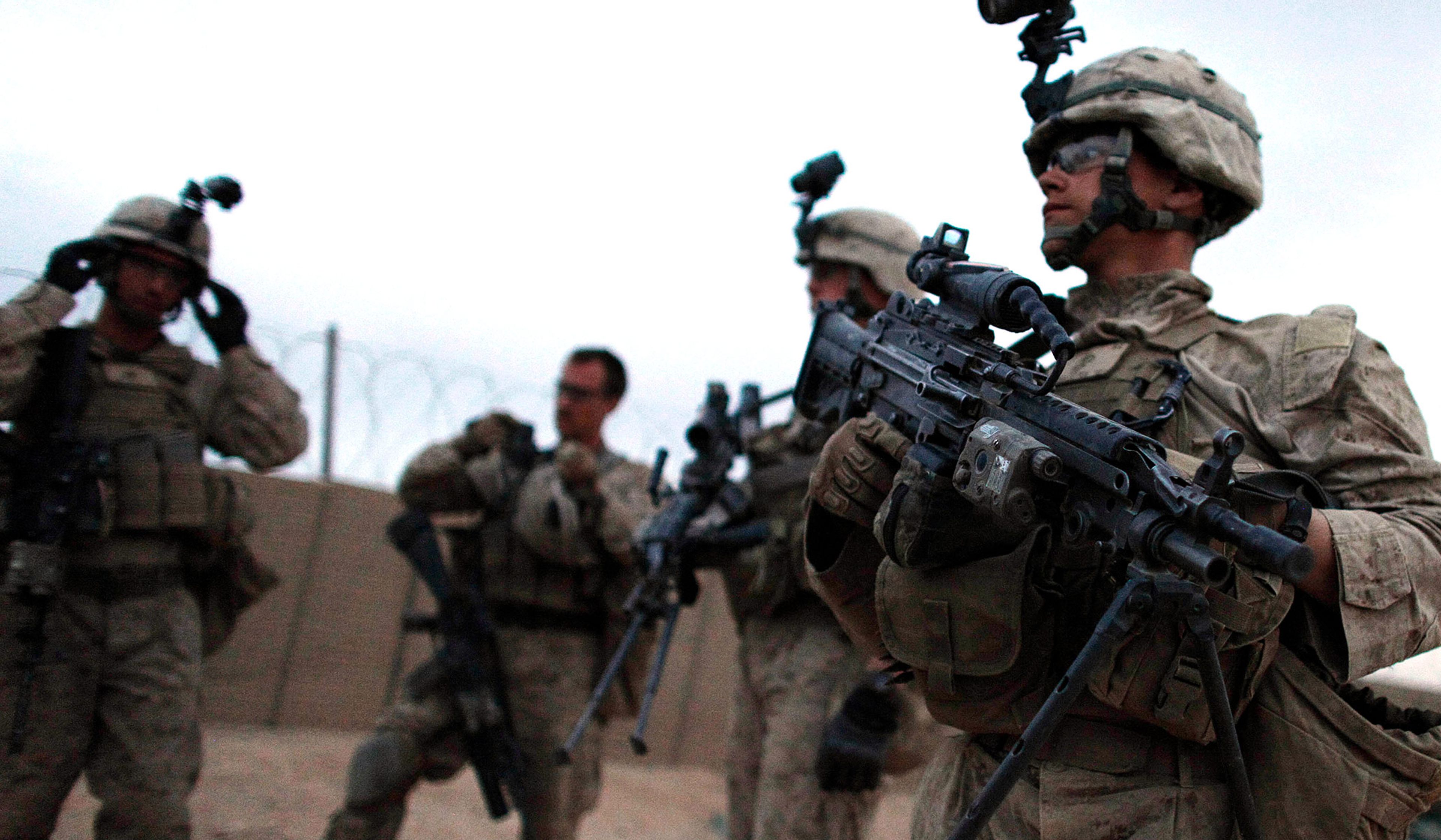
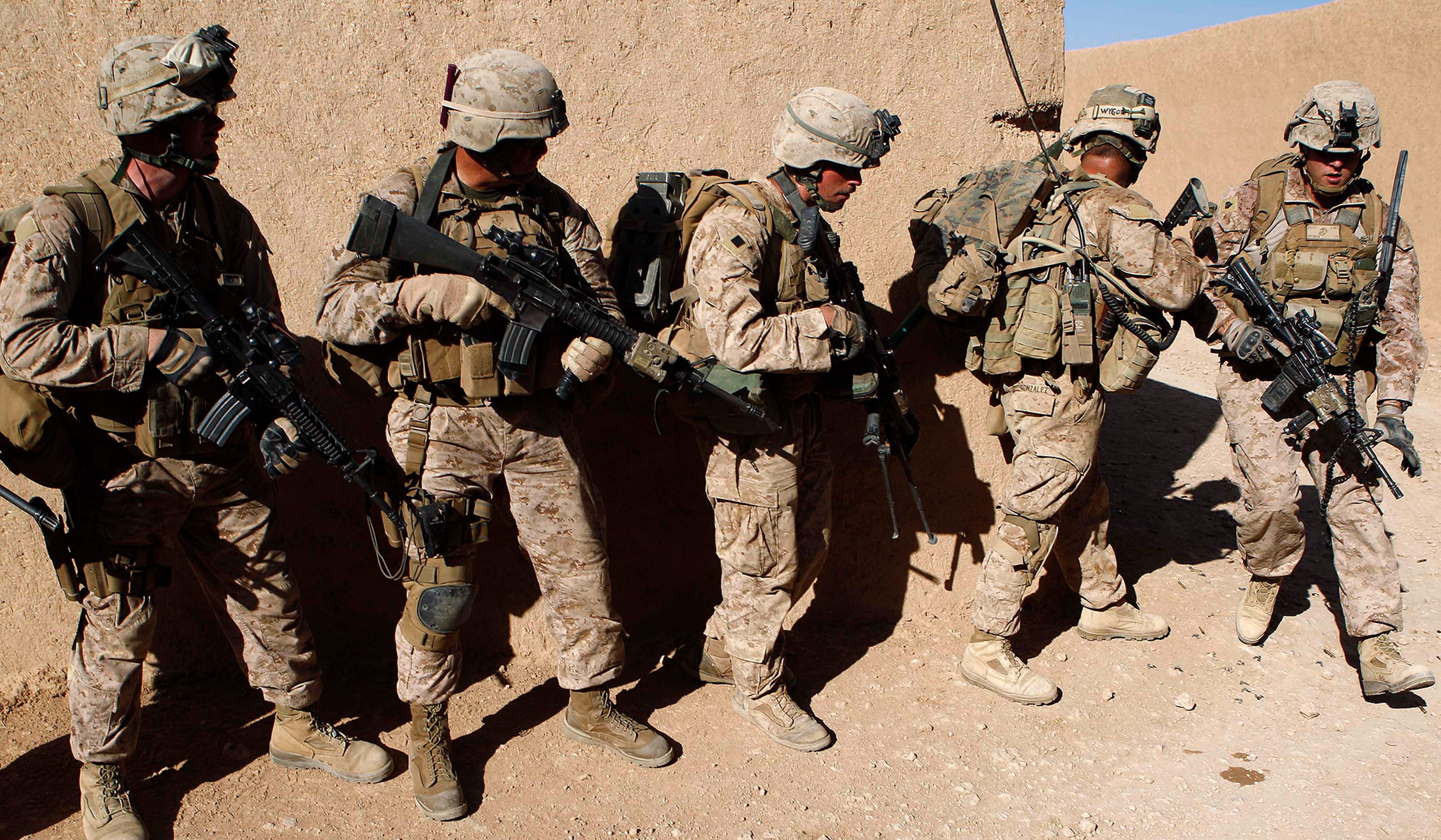
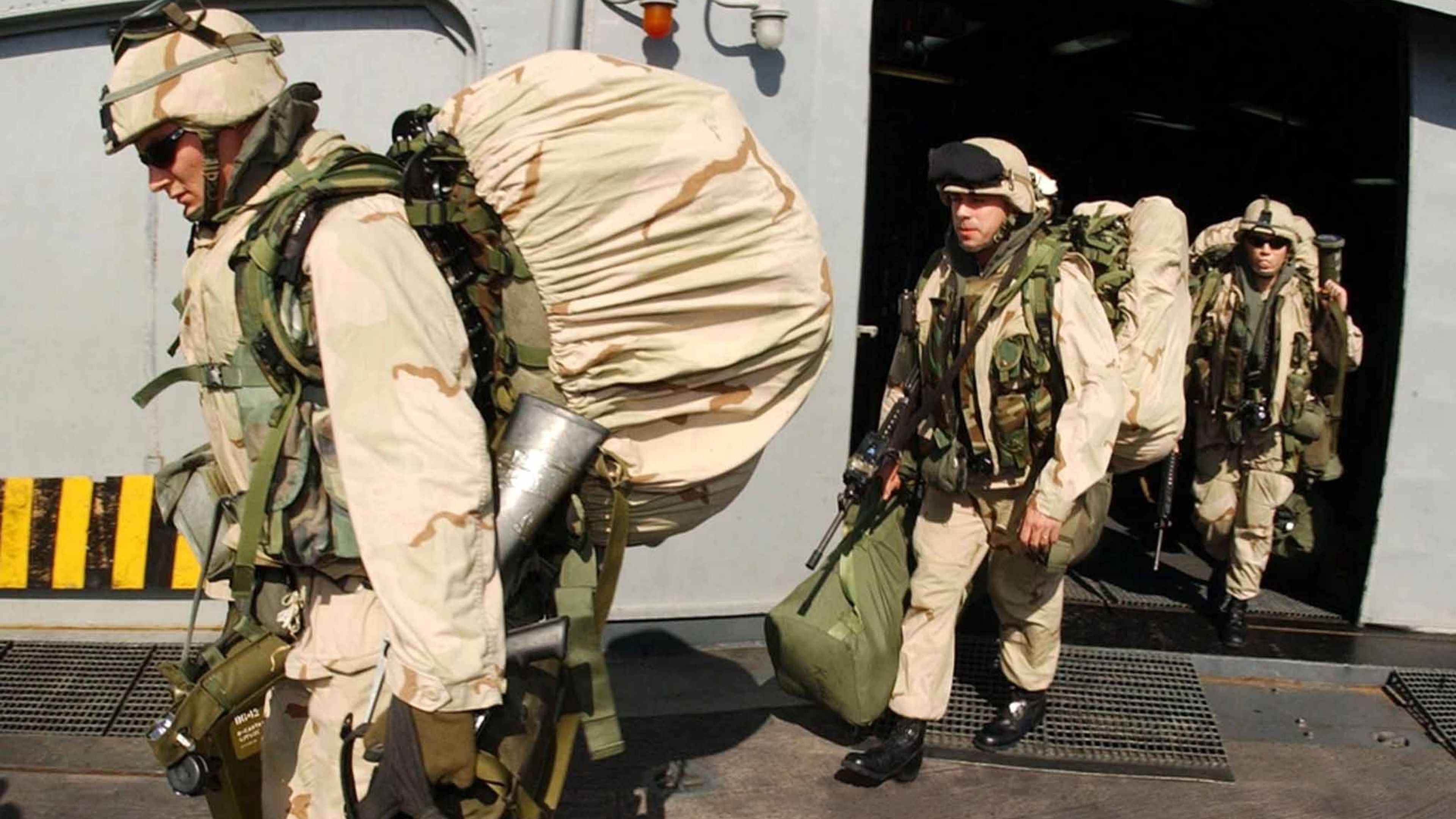
Marines from Delta Company, Second Light Armored Reconnaissance Battalion, patrol near Khan Neshin, Rig District, Helmand Province, Afghanistan, September 9, 2009.
Goran Tomasevic/Reuters
The book stands on its own, but of course it can’t be ignored that it was completed and published before the sudden collapse of the U.S.-supported government in Kabul last summer, before the disastrous American withdrawal, when defeat was only one possibility of several instead of a humiliating reality. The novel winks at our current political dysfunction — President Paul Dinard is a mercurial, vain, Trump-like figure who alternates between smug self-confidence and anxiety that the generals are trying to roll him; the national-security adviser, chairman of the joint chiefs of staff, and secretary of defense share a mutual distrust; the Congress seems to care more about the bad press that casualties cause than that no one seems to know what the mission is — but it’s not a partisan novel. The book can’t be reduced to a mere political tract, though it’s clear that West has an opinion. Its power, and its tragedy, is in its prophecy.
In West’s novel, careerism, rivalry, and short-term thinking pervade the halls of Congress, the Pentagon, and the West Wing, while the infantry live in the dirt and launch patrol after patrol, taking casualties day after day. It’s easy to see where the author’s sympathies lie.
After two decades of war in Afghanistan, have Captain Cruz and his Marines been deployed to facilitate the Afghan government’s security efforts or to punish the Taliban and bring it back to the negotiating table? Both? Neither? Is the point simply to try to win the news cycle? A weeklong, time-limited, semi-symbolic deployment, ill equipped and incapable of affecting the war’s final outcome, is obviously the stuff of fiction. West is making a hyperbolic point about America’s listless, schizophrenic strategy in Afghanistan. No savvy reader would mistake his story for reality . . .
Until, that is, the events of last summer — complete with a premature abandonment of the vital airbase at Bagram, the American decision to turn over the responsibility for local security outside Kabul’s airport to the Taliban and its terrorist allies, and the incompetence and dishonesty displayed at the highest levels of our government — reminded us that fact can indeed be stranger than fiction. Even the stoic Captain Cruz, the infantry Marine’s infantryman, would have blanched at our August debacle.
The grunt is used to being maltreated, forgotten, and abused by the politicians and the public. He’s used to it and can take it, even if he knows the cost. Steven Pressfield, a Marine veteran himself, has written eloquently about this detachment, this weariness:
The soldier is foot-weary. He treks, ever upon the march, advancing toward some object which draws near only to be superseded by another, equally bereft of meaning. The earth endures beneath his tread, and he himself stands ready to drop upon it, if not in death, then exhaustion. The soldier never sees the landscape, only the burdened back of the man trudging in column before him.
What do we owe our foot-weary grunts fighting these savage wars of peace? In the end, we owe them the truth.











Comments