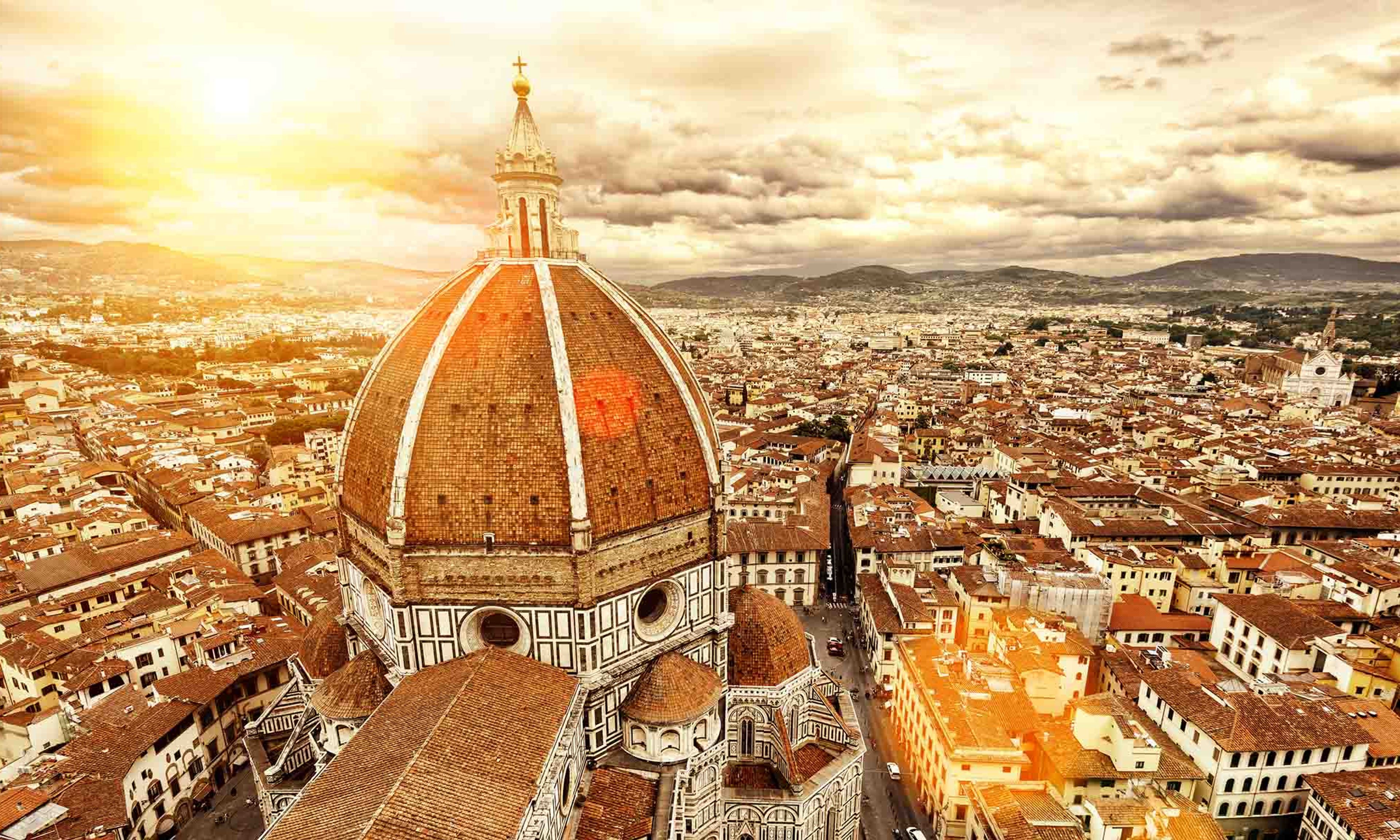
Alexander Lee’s well-researched, nicely written, pleasantly illustrated book on the Italian Renaissance — especially the Florentine Renaissance — makes a very useful if not very original argument: The glorious products of Italian visual art in the period from 1380 to 1560 were created in a sociopolitical environment of extraordinary moral corruption and often for viciously self-interested and self-serving motives. Rightly taking Florence as the center of the Renaissance, he shows in detail how artistic patronage by families such as the Medici, and by popes and cardinals in Rome who were frequently their relatives, was almost always corrupt in its motives and to some extent even in its effects. Patrons were glorified, or otherwise falsely depicted, by propagandistic artists who had little choice but to serve as hired architects, sculptors, and painters. Civic and religious institutions and buildings were constructed or adorned as part of a basically hypocritical and often criminal campaign to disguise the realities of political, economic, and religious power, and to serve its behind-the-scenes masters, who were more comparable to gangsters than to the noble or pious roles in which they were depicted.
Lee gives a sobering view of the filth, disease, poverty, hardship, inequality, and injustice that were the lot of the great majority of inhabitants of Italian Renaissance cities such as Florence, Rome, Venice, Genoa, and Milan. He has harsh words for the elitist Renaissance literary Humanists, whom he depicts as serving as intellectual lackeys for an emergent oligarchic order of merchant bankers of growing and sometimes fabulous wealth, a wealth based on usury, hypocrisy, manipulation, and networks of stealth, chicanery, and bribery. His picture of the Church is equally unflattering — thoroughly corrupt popes and cardinals at an infinite remove from the humility, sanctity, and sincerity of Saint Francis of Assisi, Saint Thomas Aquinas, Saint Dominic, or Dante.











Comments