There are about as many debates concerning Christmas trees (artificial vs. natural, multicolor strobe lights or soft yellow, stars vs. angels) as there are about how best to prepare a turkey for Thanksgiving (bake, broil, or the IED-adjacent deep fry). I will undoubtedly convince you of a fresh-cut fir’s or white pine’s superiority, but let us first appreciate the wonder of having a common tradition that makes the debates worth having. In an age of atomization and retreating social norms, a warm hearth to laze in front of as we exchange airtight arguments and good-natured ribbing should be all the more welcome.
The origin of Christmas trees is the first item of debate, one of religious parochialism. The pagan lot, unrelated to Big Lots, claims the modern Christmas tree is but Christian supplantation of the tree worship and winter-solstice observations that were common practice throughout Northern Europe, the Levant, and into China millennia ago. Rome’s Saturnalia employed evergreen branches in celebration. Christmas trees are therefore pagan, declares the secularist with that peculiar staccato nasal exhalation so common among people who know best.
Traipsing to a copse and telling the nearest tree how much a fellow appreciates the noble bratus for providing the year’s bounty, however, is hardly the same as whacking down a conifer, erecting it in one’s parlor, and then gussying it up in religious symbols. That custom comes from medieval Germany, with the creation of the “paradise tree.” A conifer festooned with apples, the tree starred in dramatic reenactments of the Fall of Man. In representing this biblical event, it rejected the pagan promises of eternity and served instead as a reminder of mortality’s introduction as sin took root. Celebrants decorated the trees on December 24, Adam and Eve’s feast day, and Protestant tradition suggests it was Martin Luther who, upon seeing the stars sing between the branches of trees one dark night, began placing candles on the tree.
America’s relationship with the Christmas tree is relatively young, dating to the reign of Queen Victoria (1837–1901), when such décor was popularized in the Anglosphere. Although 17th-century German immigrants to Pennsylvania are credited with being the first Americans to have Christmas trees, many of Puritan strain thought the practice akin to pagan mockery. It wasn’t until the “Defender of the Faith,” the English crown, made the practice both fashionable and acceptable that most Americans incorporated trees into their Christmas observations. It’s possible that, without Victoria, the Christmas tree would have remained a regional oddity, with the descendants of Germans in the Upper Midwest and Great Lakes regions decorating trees while all others went without.
So, as with many historical controversies, there’s room for everyone to be at least partially correct. One can grant that there are broad similarities between the pagan and Christian traditions while also seeing the modern Christmas tree as planted in Christian religious observation — it’s not a pagan hootenanny with a Jesus veneer, but neither is incorporating evergreens into worship an entirely novel idea.
With the “why” established, we can debate best practices. First, any tree is better than no tree. But a live tree is many times better than an artificial one — without qualifiers. All of the arguments in favor of an artificial tree in fact present the very reasons a live tree is superior. Mess, annual purchasing, and ongoing care are the primary disadvantages, but they should be explored in a celebration of life’s strictures and glory.
In confronting the messiness of a live tree, with its sap, falling needles, and organic otherness, one grapples with the splendor and fallenness of creation. Ours is a world of sanitized experiences and surfaces, especially after the pandemic years, and to bring something natural and raw into our otherwise unnaturally heated and insulated homes is a splendor all its own.
When grumbling about the need to pick and transport a new Festivus shrub every year, one is missing the forest for the tree. The acquisition may be a momentary chore, but every year is another opportunity, a different memory. So much of Christmas is spoken for already as the week approaches. We know whom we’ll see, what will be the priest’s message, which kinds of gifts will be given, and the portion of Aunt Brunhilda’s lutefisk casserole that is large enough to forfend accusations of ingratitude while small enough not to corrupt the cheesy potatoes elsewhere on one’s plate.
While establishing and maintaining a tree does involve some labor, it’s nothing that cannot be done by a child or a Roomba. Instead of assembling the soul-immiserating polyvinyl chloride-and-metal monstrosity of an artificial tree — which, apart from the eventual failure of the lights, changes only in the amount of dust it accumulates from January to December — one can deliberate with loved ones over the merits of Fraser and balsam firs compared with Norwegian spruce, or entertain the possibility of a serious switch to the Leyland cypress. Such expression offers change without the downside.
After all, most change at Christmas is unwanted, be it an empty chair of the recently deceased, a deployment, or a consequence of family division. A different tree with new characteristics? That’s only joyful, something for others to remark upon as they enter the house. “Oh, how darling! Wherever did you find that? Oh, down at Santa’s Tree Lot? Did you know my sister from the big city . . . yes, yes, the high-powered lawyer. Well, you won’t believe it. She’s now dating the young widower who owns that lot! Oh yes, they’re quite the match. It was the craziest thing — her car broke down on the way to an important meeting, and now she never wants to leave. Ah, Christmas magic.” Hallmark movies aren’t made about young widowers and city lawyers meeting at the Menards artificial-tree displays.
Location doesn’t matter. While I was stationed in San Diego, my wife, living and teaching in Oklahoma then, flew out to spend Christmas with me. Staying in a petite Airbnb, we secured permission from the owner to put up a tree so long as we removed it afterward. Having purchased it for $20 at the Navy Exchange, I surprised her with a trussed, dried-out Southern California tree. It was a pitiful thing, Charlie Brownish in its humility but a source of delight throughout the week, even as a constant drizzle of needles fell like rain in the Carbon River Rainforest.
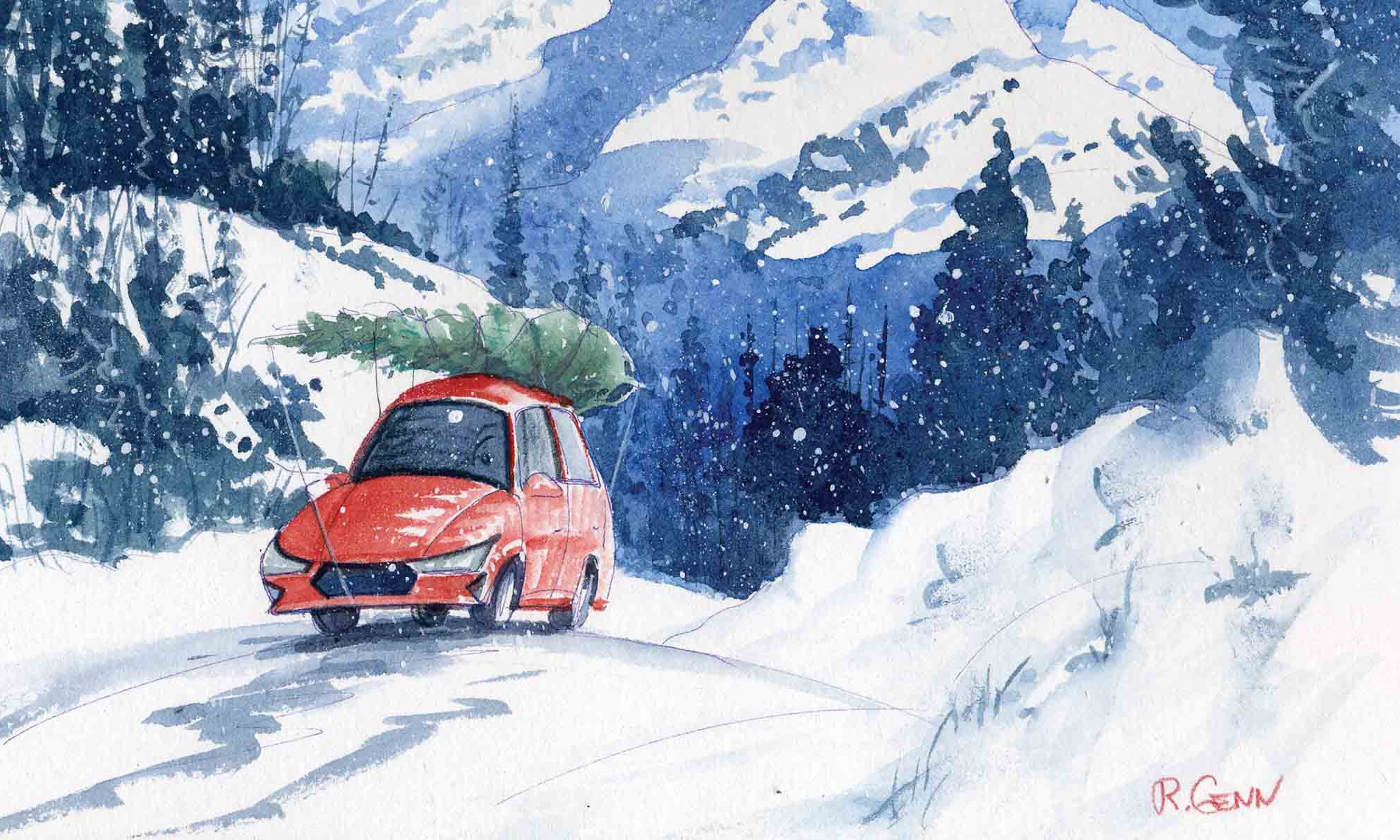
When it came time to check out, we realized that recycling it would be expensive. So we jammed the now-filled-out tree into our 2002 Honda Accord. With trunk and branches between us, my wife told me of cars and hazards on her side while I looked after my own meridian. Together we managed to approach Naval Air Station North Island, on Coronado, without incident. The gate guards had a good laugh at the little green car with branches sprouting out the windows, and we were waved through with mirthful gratitude. We then proceeded to observe funerary rights for foliage and ditched the tree in the rubbish bin at Breakers Beach. For the next month, as I deployed and she returned to teaching, we’d find needles attached to our clothes and items. Sharing life with the tree — it’s a reminder of Christmases past, a chronicler.
Christmas trees are silly. We thock down young growth, put it on life support in a bowl of water, and dress it up in popcorn and lights. And yet. And yet, when all the lights but those on the tree are out and the house has quieted, is there not a magnetism to them? A mystery? My mind does not rest easy. But in the presence of that living creature garbed in a glimmering glow, it can. To me, the tree is the promise of the Crucifixion manifested in an object that, like us, is passing away. It’s the brilliance of the heavens, the sap of the deepest earth, and the scent of the world to come — wrapped up with a bough.
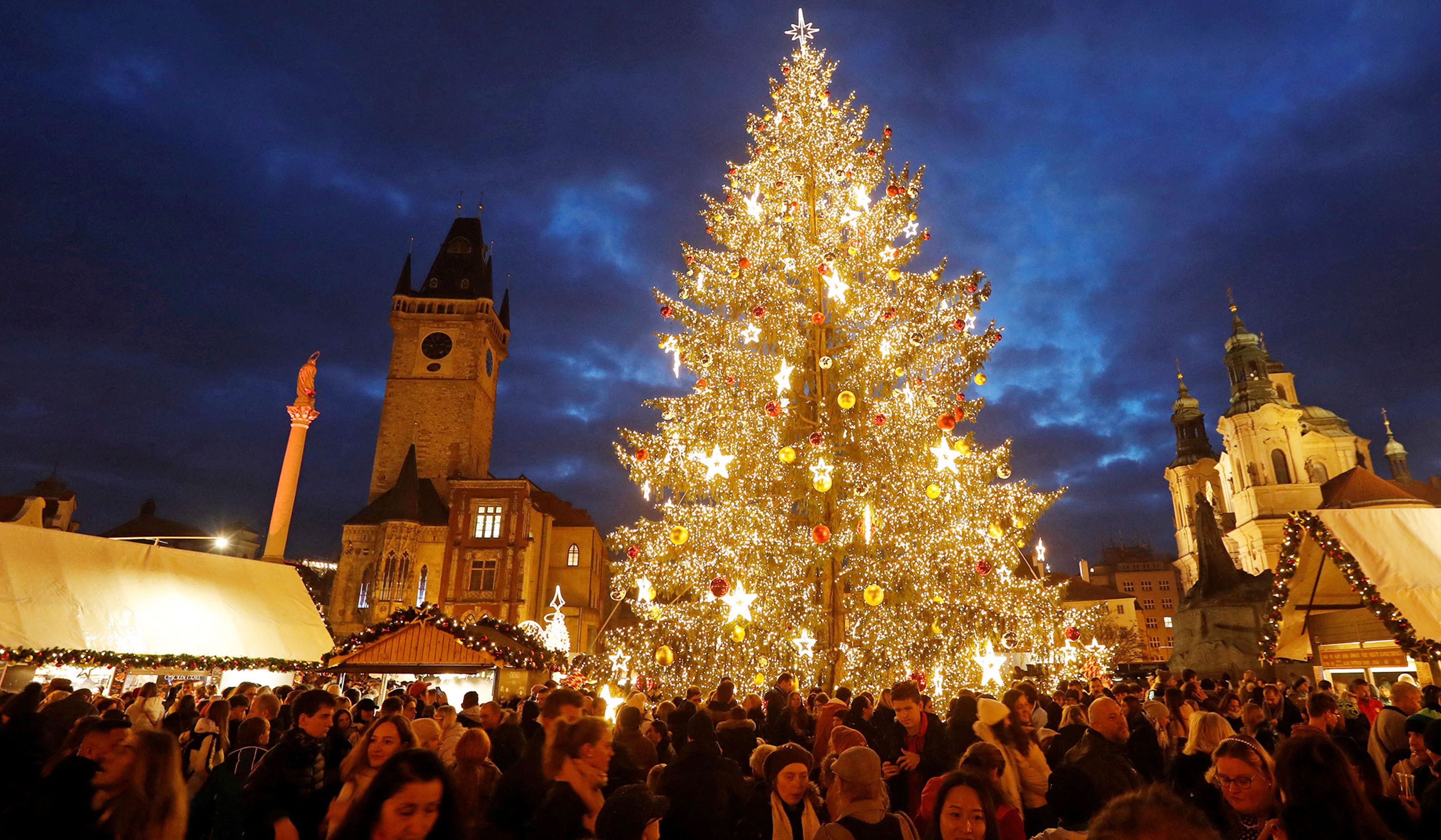
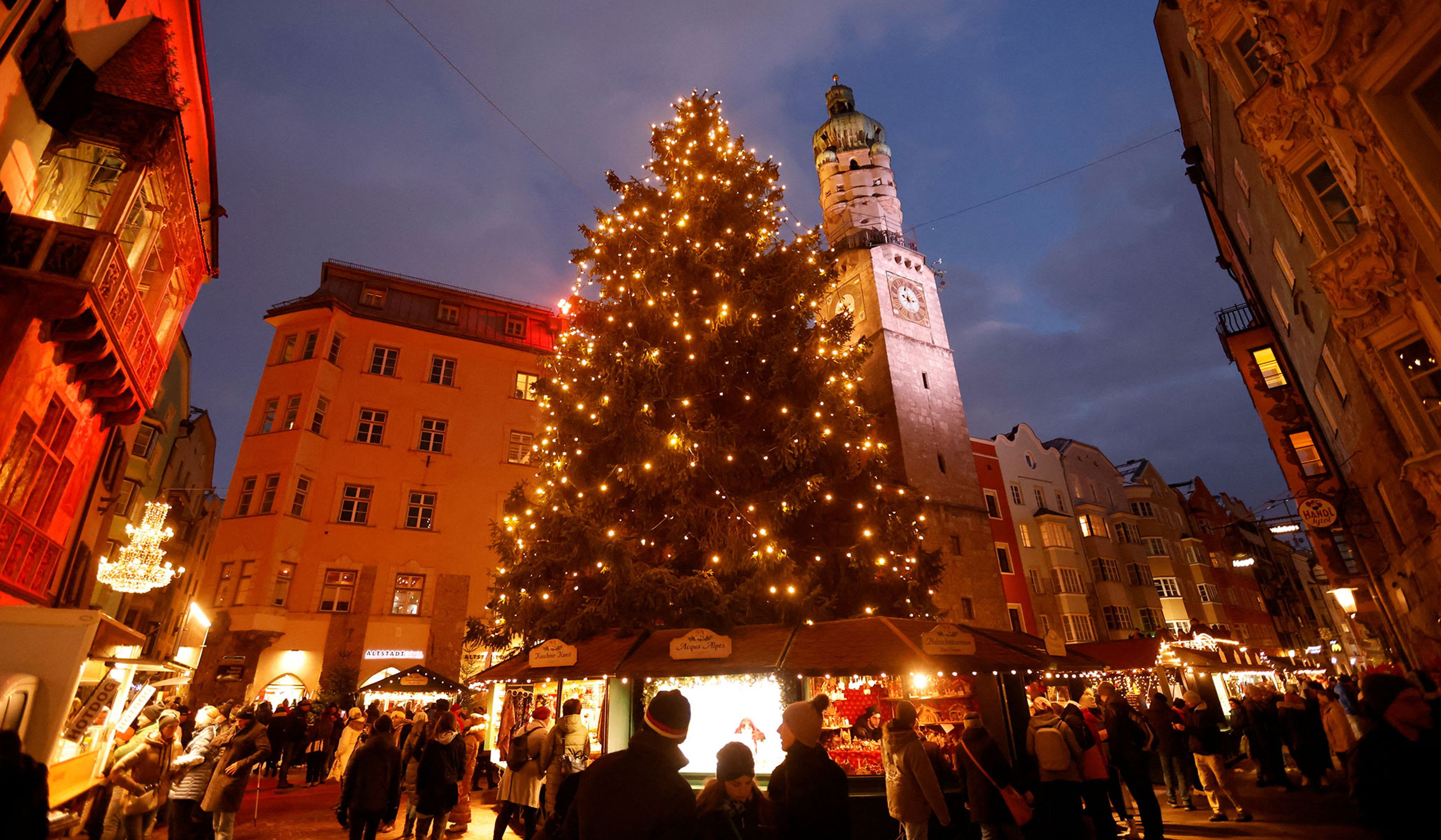
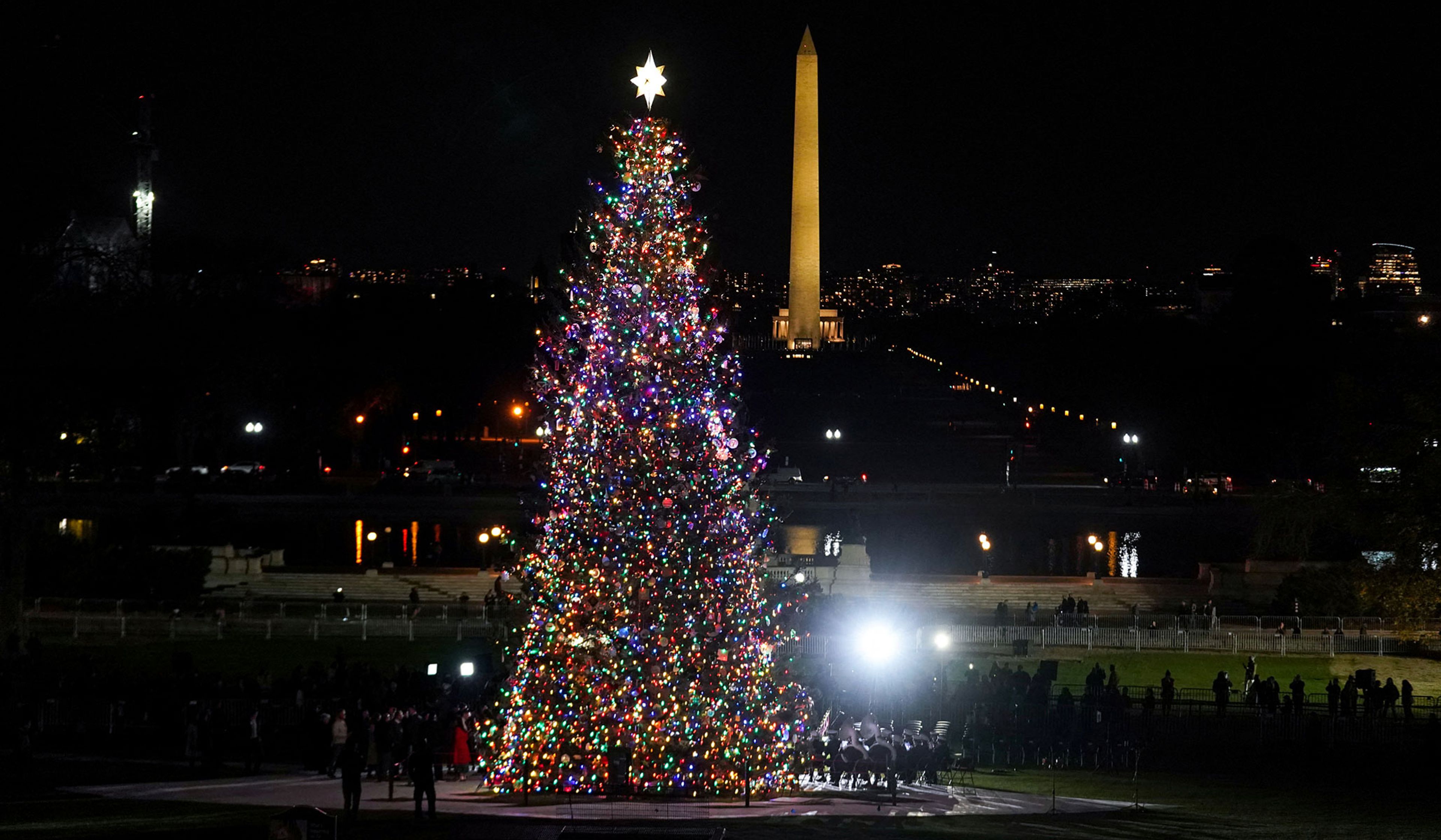
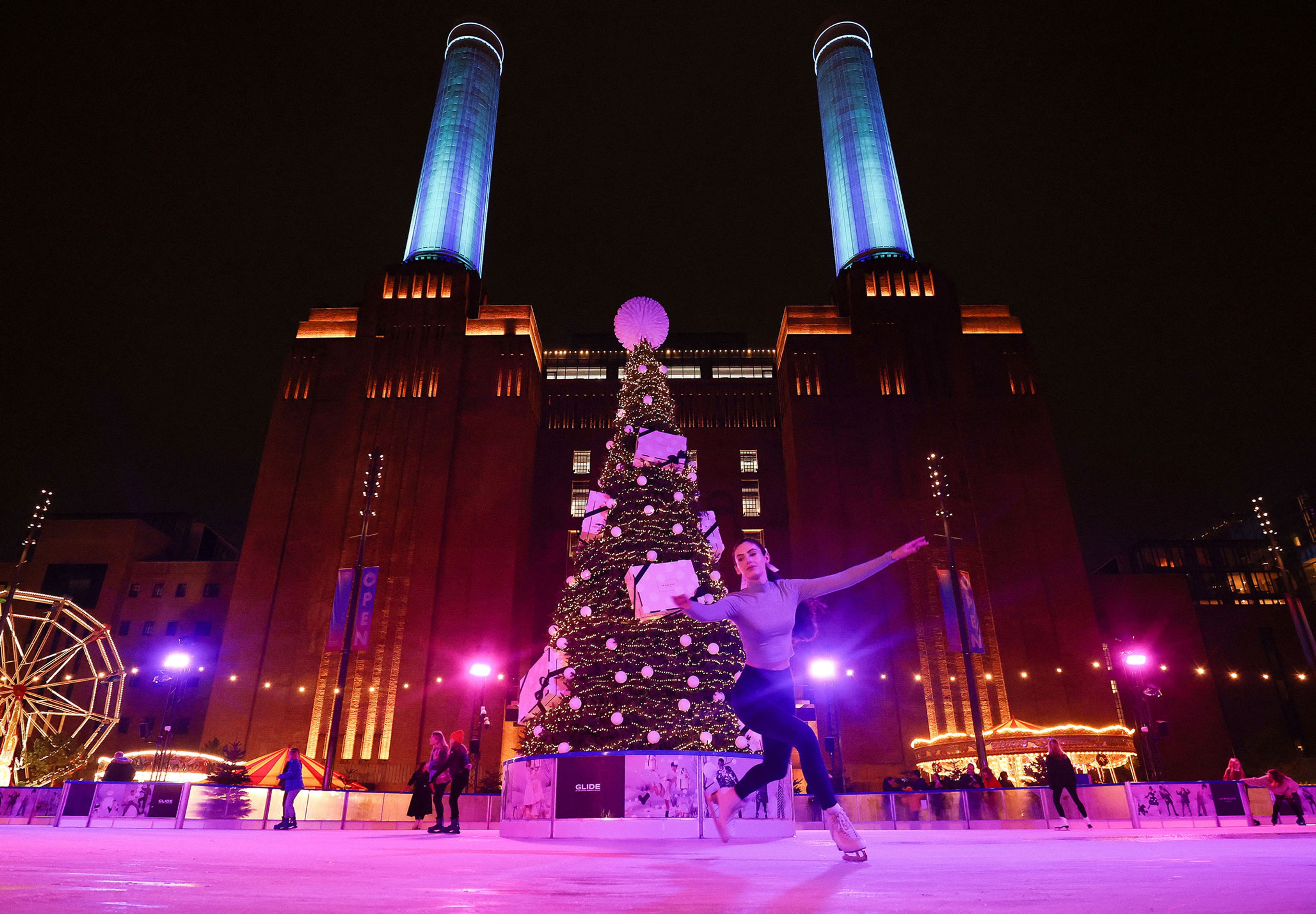
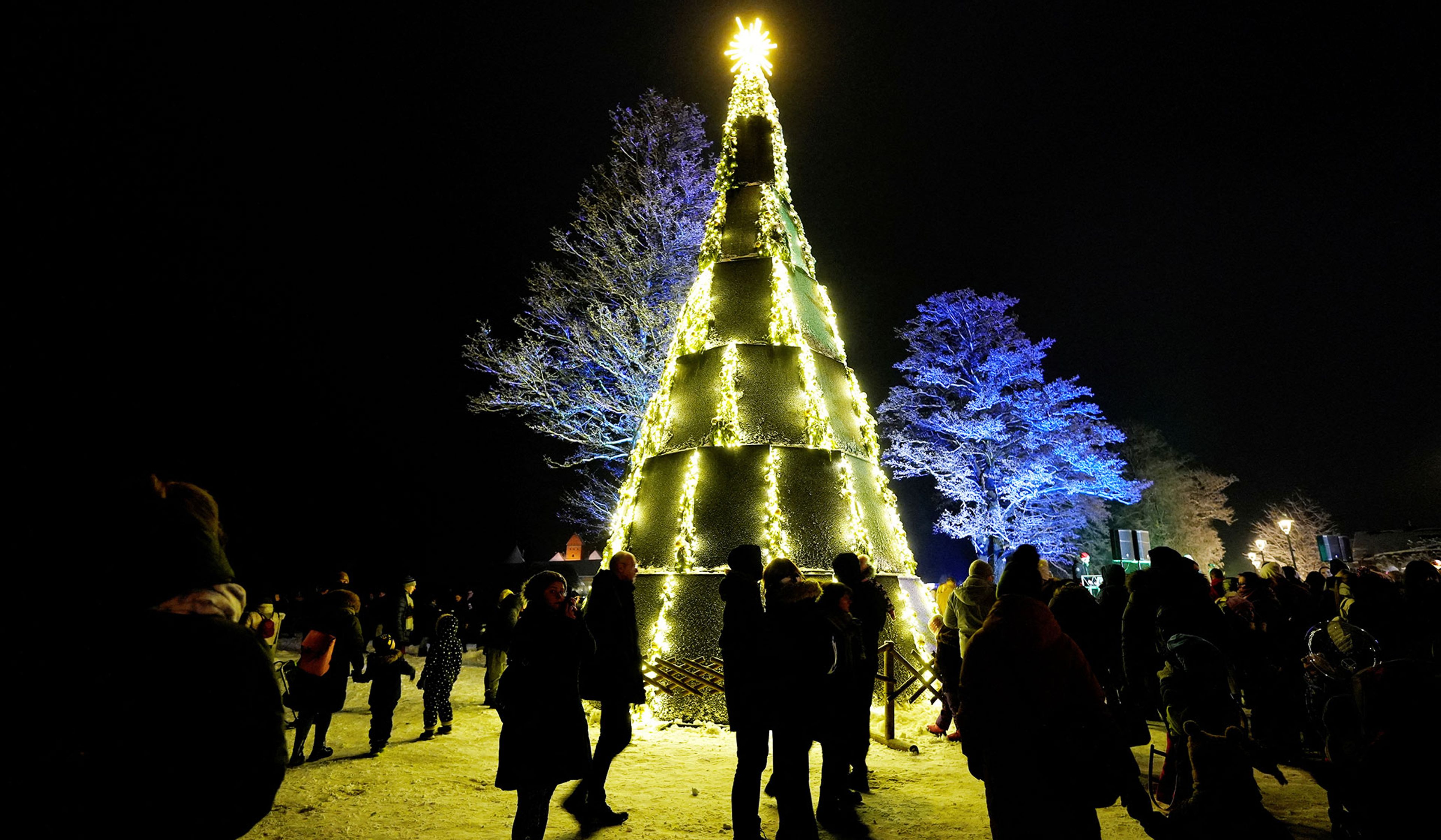
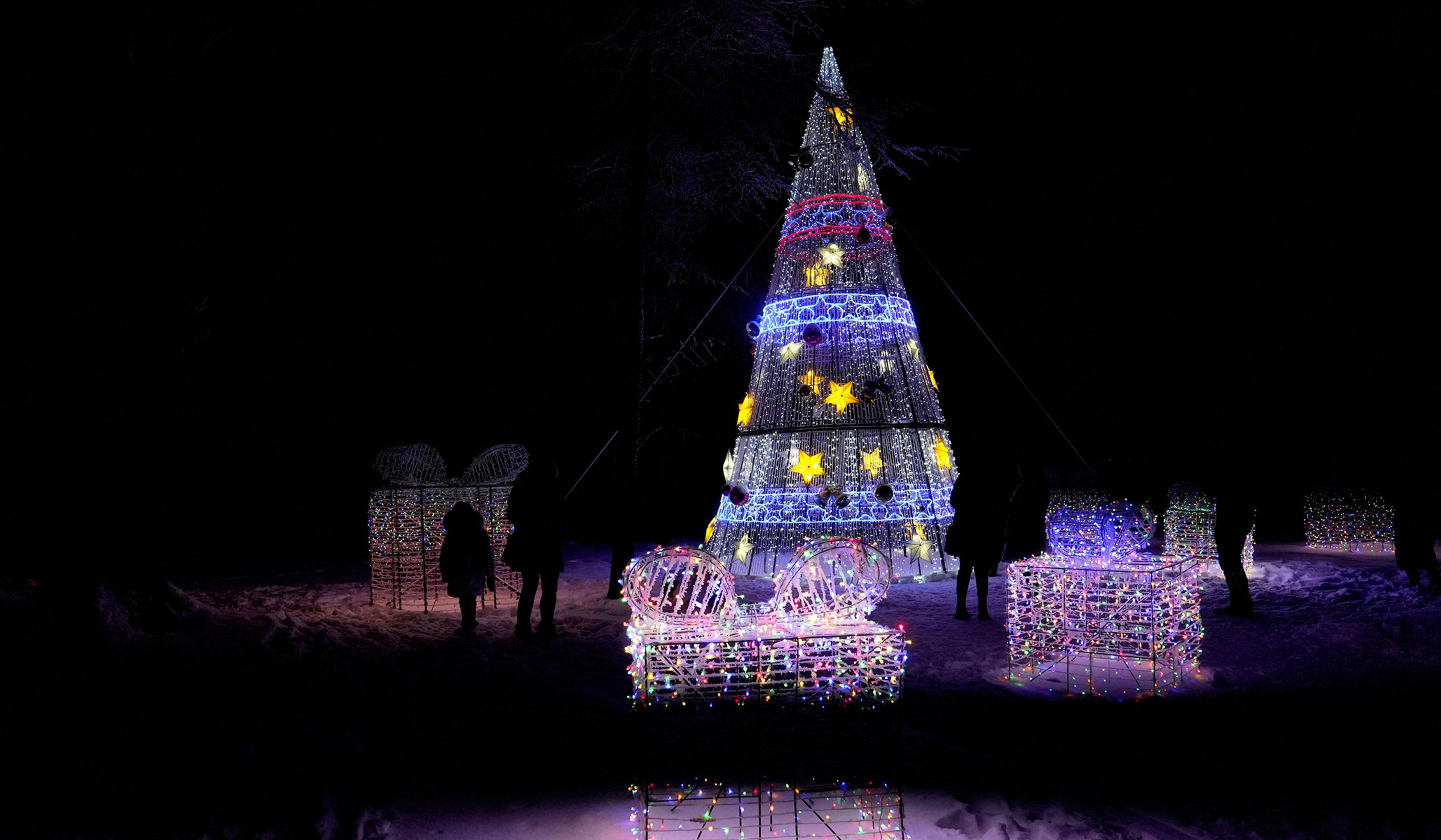
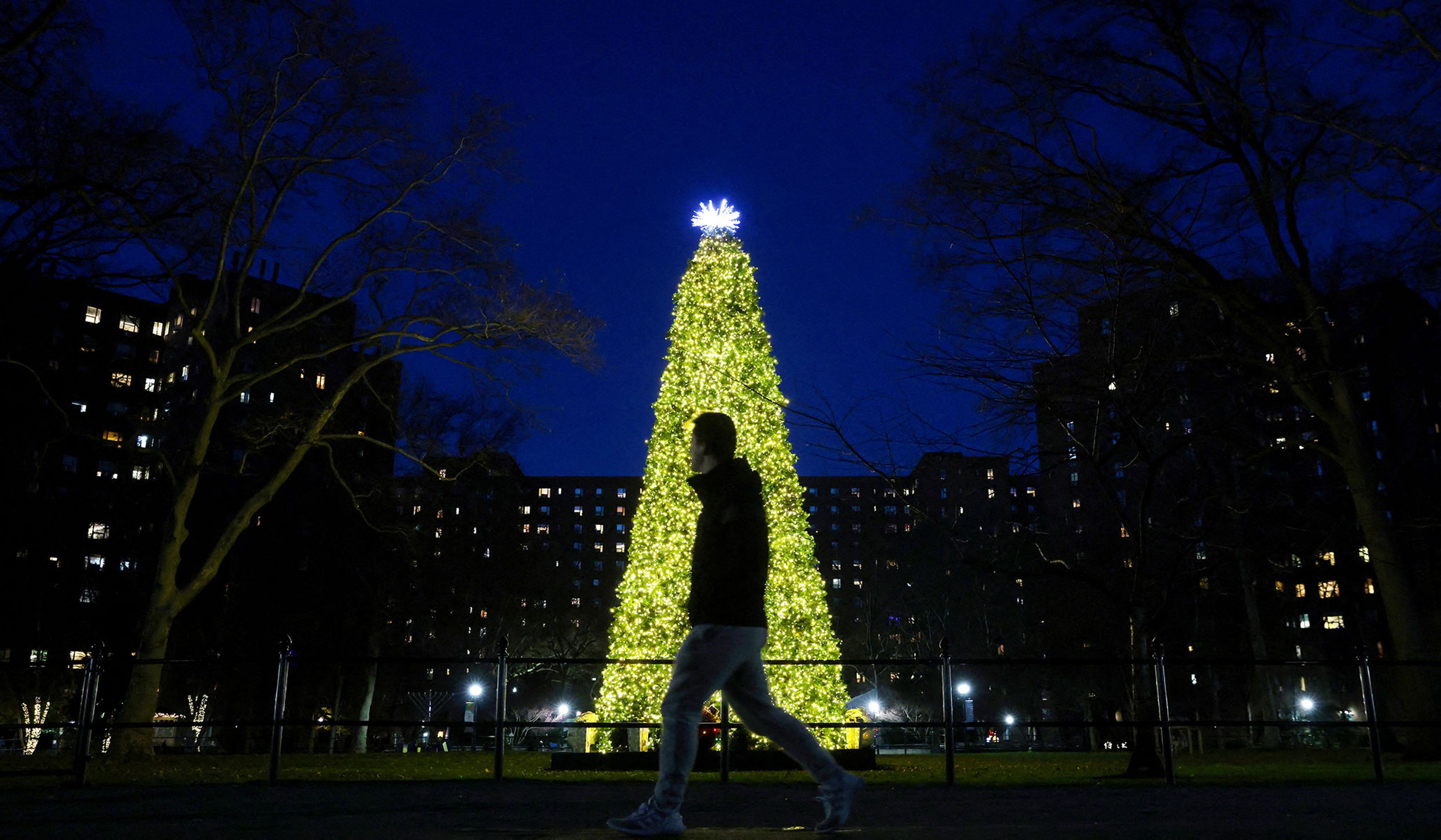
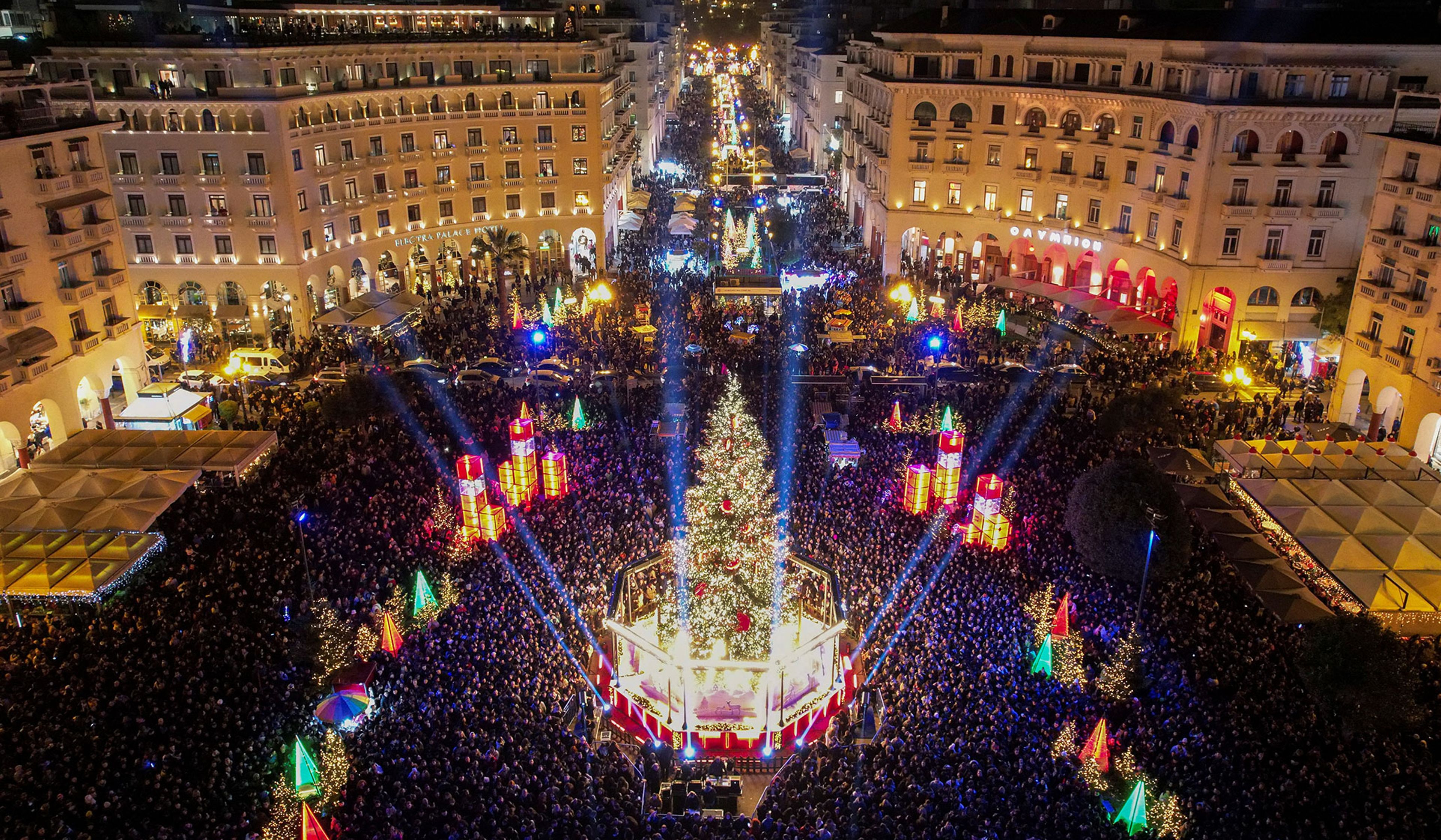
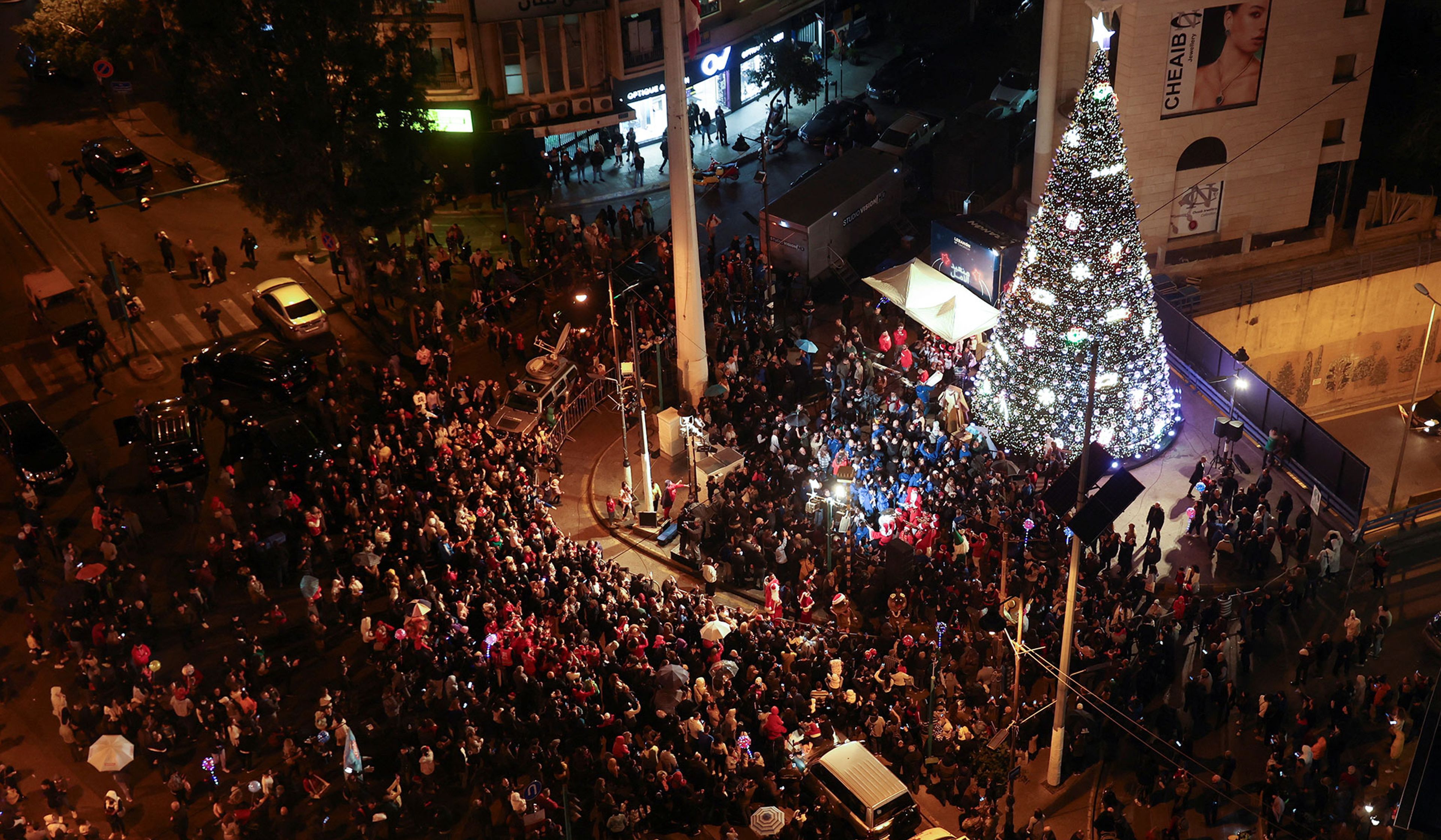
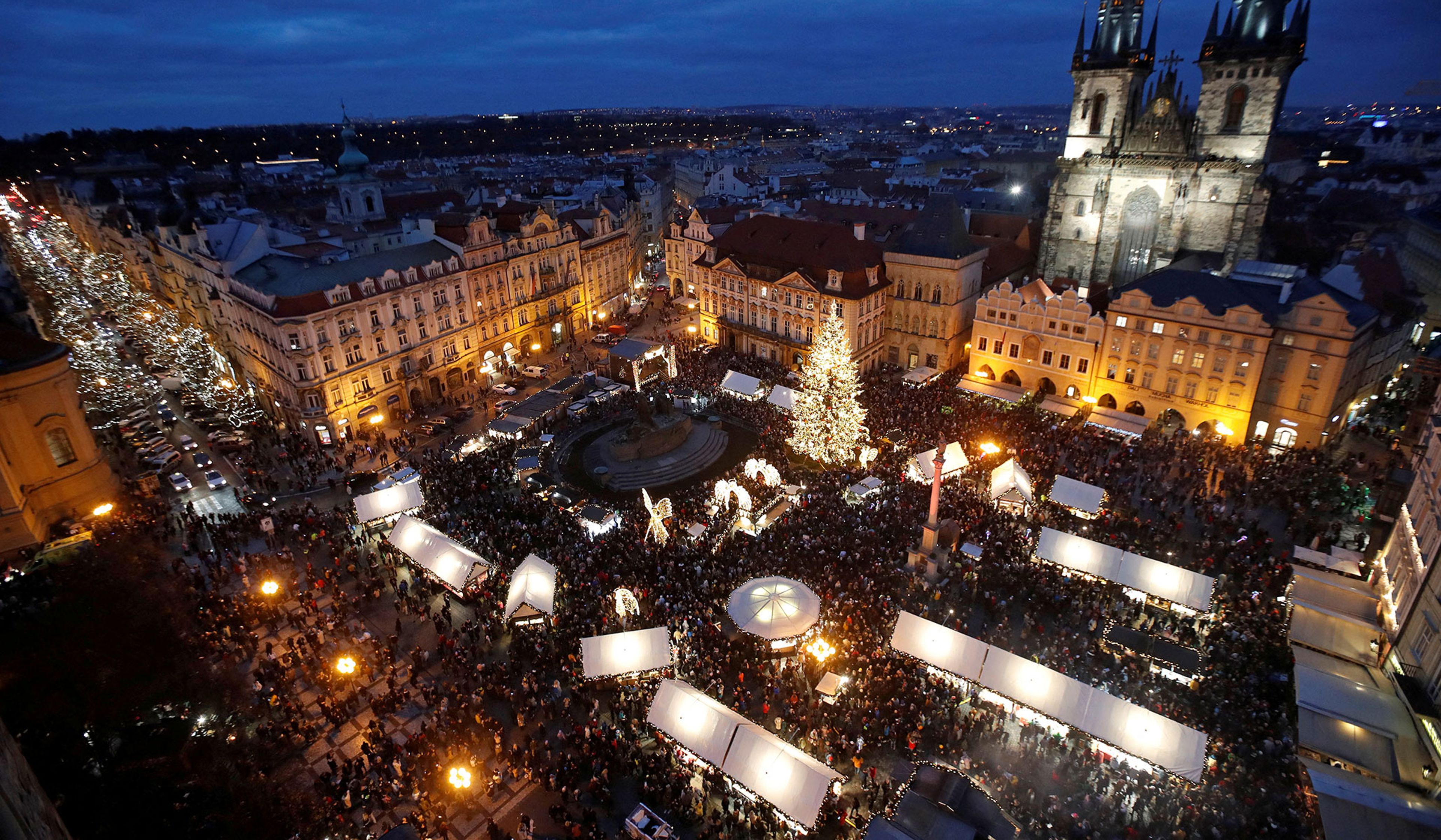
A Christmas tree is illuminated as the traditional Christmas market opens at the Old Town Square in Prague, Czech Republic, November 26, 2022.
David W Cerny/Reuters












Comments