Why Kansas City?
In a recent letter to the editor following Allen C. Guelzo’s informative piece “The Great War’s Great Price” (November 12), Colin Calhoon pointed out that a memorial does exist in Washington, D.C., honoring District of Columbia residents who bravely served during the war. In his response, Mr. Guelzo commented that a national World War I memorial also “oddly” exists in Kansas City, Mo. To briefly shed light on this fact: The National World War I Museum and Memorial is located in Kansas City because the citizens of this region possessed the willingness to build it.
Shortly after the Great War’s conclusion, residents made a commitment to build a museum and memorial to those who served — similarly to residents in thousands of cities and towns across the world. In this case, the difference was that in a span of ten days, more than 83,000 residents contributed to a fund totaling about $2.5 million (more than $35 million today). Following two years of construction, in 1926, President Calvin Coolidge addressed a crowd of more than 150,000 people at the opening ceremony of this majestic museum and memorial.
Since then, the National World War I Museum and Memorial has amassed the most comprehensive World War I collection in the world and has been designated by Congress as the official U.S. World War I museum and memorial. A self-sustaining nonprofit organization that receives no federal funding, the museum and memorial annually welcomes more than 500,000 people from all 50 states and more than 80 nations in its mission to remember, interpret, and understand the Great War and its enduring impact.
Matthew Naylor President and Chief Executive Officer National World War I Museum and Memorial Kansas City, Mo.
Santa Rita No. 1
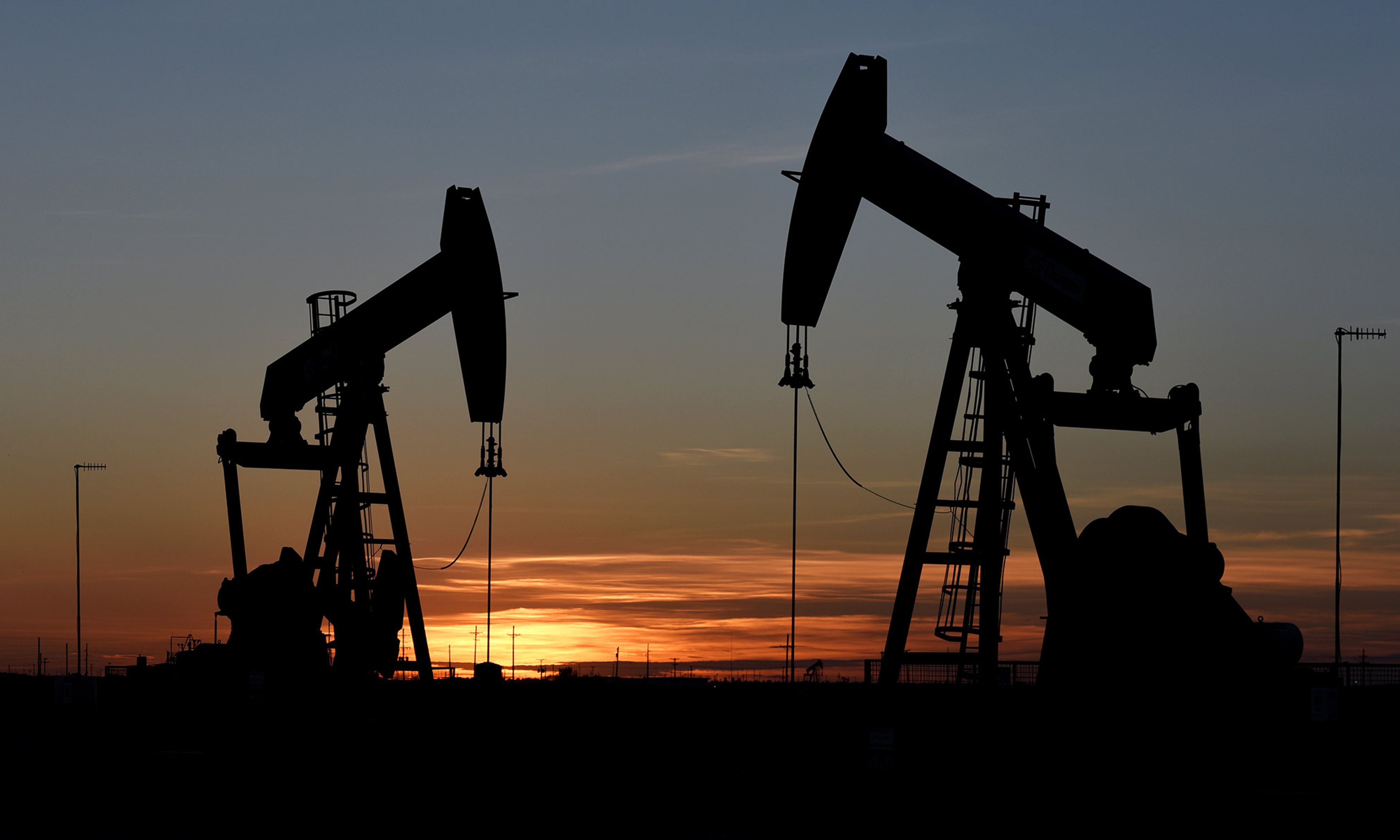
Kevin D. Williamson’s article “Pillars of Fire” (December 3) was an excellent description of the recent oil-and-gas boom in the Permian basin of West Texas. The oilfields of West Texas have an interesting history.
Early in the 20th century, the region was known for scam artists who made money selling leases of dry wells. Nevertheless, a pair of enterprising wildcatters and their friends managed to raise the money to secure the use of an old cable drilling rig and to hire a crew to drill a well just outside of Big Lake, Texas. The well was spudded in early in 1921. They began drilling into hard rock, so the bit drilled through a few feet per day. About five months later, the natural-lift well delivered a “gusher,” and the oil boom was on. Oil and gas wells are given a name and a number. The name of this well? “Santa Rita No.1,” after the saint of the impossible.
I recall working on a gas-well blowout outside Wink, Texas, early in my career with a crew from Boots & Coots. If y’all like to experience being in close proximity to a gas-well blowout, stand next to a jet engine at full throttle.
Dave Leidel Arlington, Texas
Correction
“TERF Wars” (Madeleine Kearns, December 3) stated that transgender British prisoner Karen White had raped other inmates. In fact, White, who was convicted of rape in a separate case, sexually assaulted the prisoners but was not convicted of raping them.












Comments