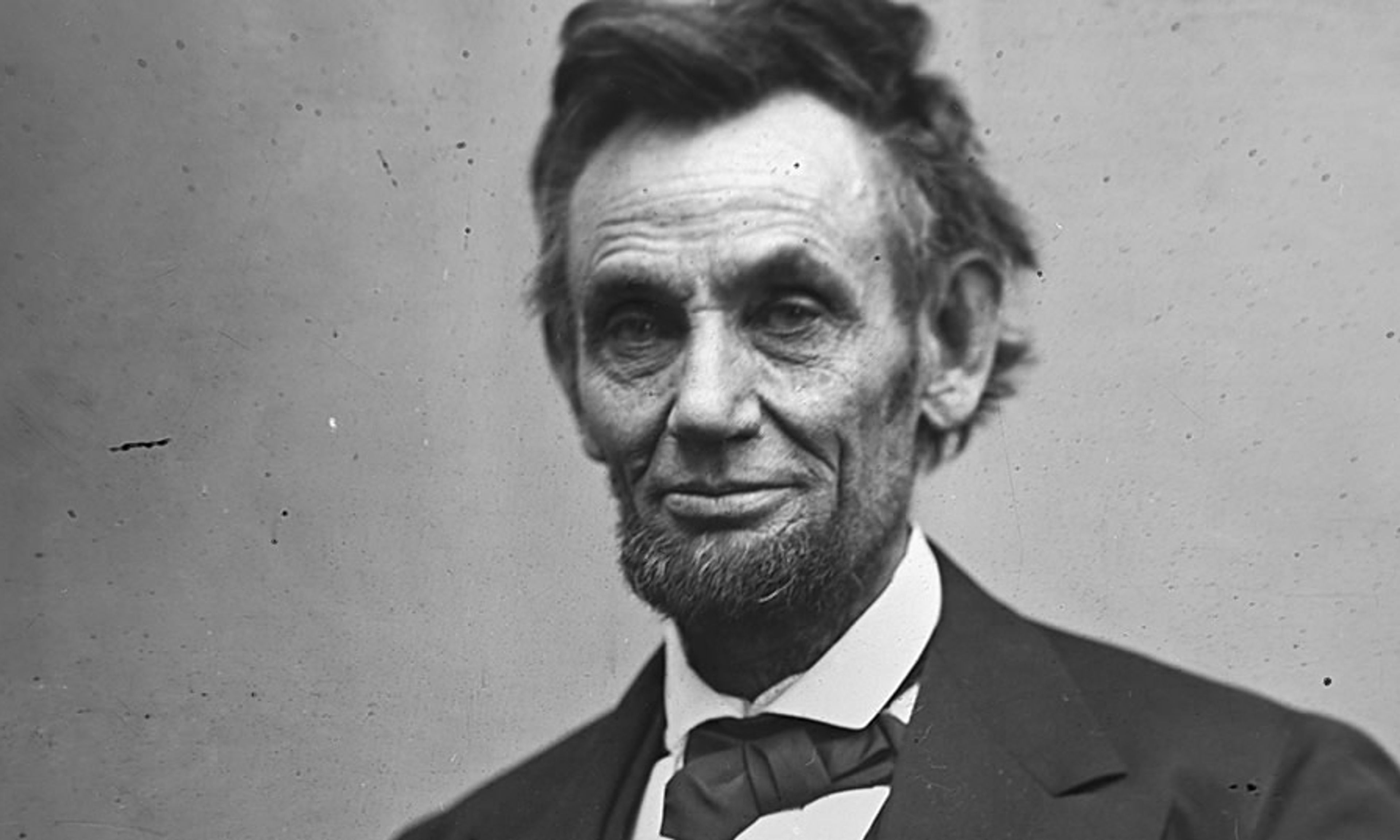
On December 6, 1864, less than one month after his reelection, President Abraham Lincoln sent to Capitol Hill what would be his final State of the Union address. As he neared the conclusion, he called for the House to pass, as the Senate had already done, a constitutional amendment to abolish slavery. He implored the lame-duck Congress to be bold before the session ended.
Congress answered the call. The next month, the Republican-plurality House of Representatives passed the 13th Amendment. In doing so, Lincoln and the 38th Congress etched their places in the pantheon of courageous Americans who made the Union more perfect. And though it was unnecessary, Lincoln signed the amendment before it was sent to the states for ratification. He did so to mark for posterity his allegiance to the nation’s founding principles and to the extension of them to black Americans.











Comments