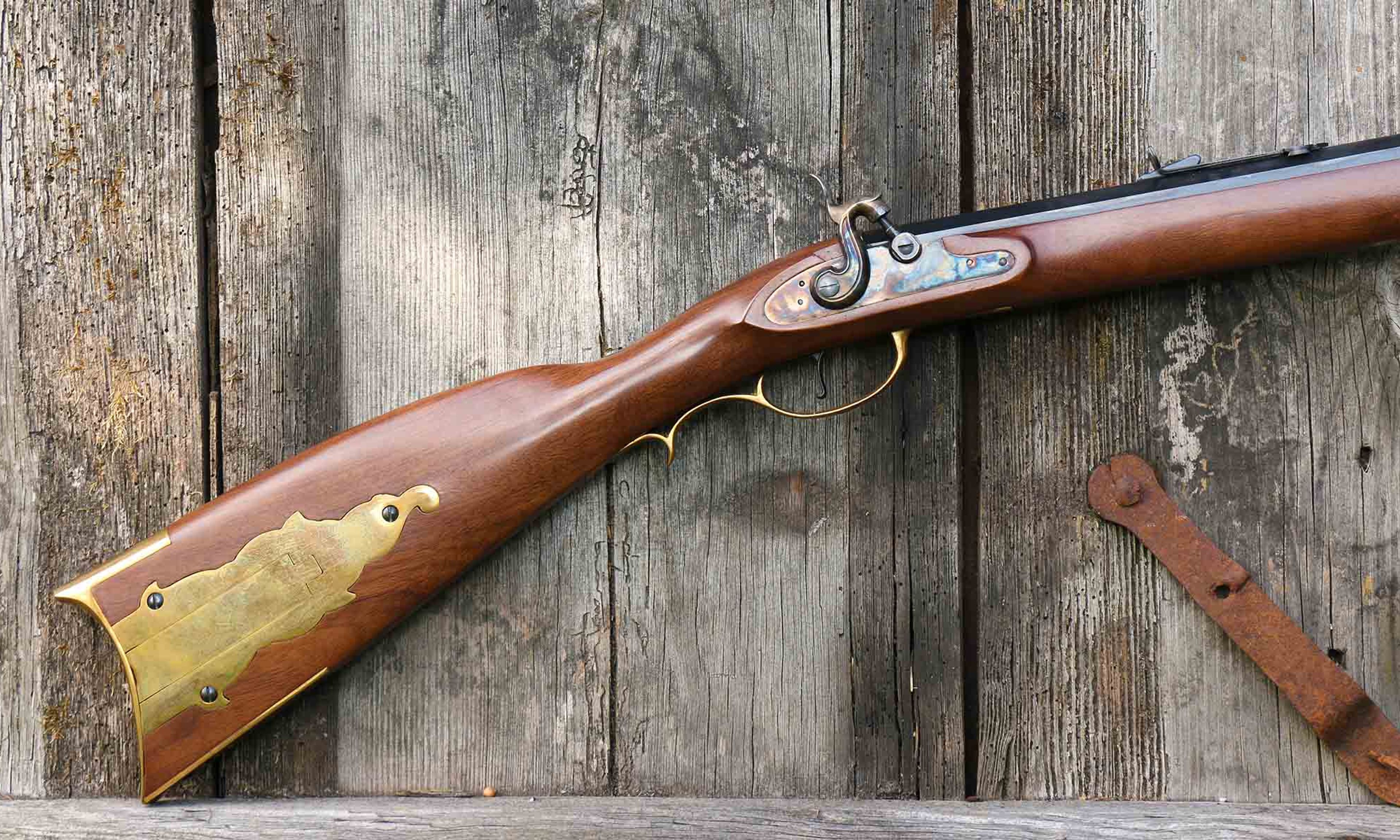
Pennsylvania-Kentucky Longrifles
I’d like, if I may, to correct some misperceptions about what I do and do not argue in my book American Rifle: A Biography — reviewed in the December 15 NR (“Politics in the Round”) and subsequently the subject of a letter to the editor (“Loaded History,” January 26) — that seem to have crept into the discussion.
First, letter-writer Charles Knapp is correct to say that the major battles of the Revolution were fought along “European” lines (that is, by Continental soldiers conventionally trained to advance in straight lines with bayonets fixed), not by riflemen using what might today be called the guerrilla tactics of hit-and-run, ambush, and sharpshooting — a distinctively “American” form of fighting borrowed from eastern-woodland Indians.
But he is incorrect to imply that I dispute this general truth. I spend a good deal of time highlighting the differences between the two styles, the circumstances in which combat occurred, and the bitter divisions within the American officer corps and political leadership over the issue. Red-hot radicals like Charles Lee disparaged the hidebound “Hyde Park” tactics and “puerile reviews” sacred to the British army, and called instead for an “active vigorous yeomanry, fired with noble ardour . . . all armed, all expert in the use of arms.” More conservatively (or Britishly) minded officers, like Alexander Hamilton and Gen. “Mad” Anthony Wayne, were adamant that, in the former’s words, “the nearer the soldiers approach to machines perhaps the better.”
Perhaps most important, however, is my insistence that while backwoods riflemen did not “win” the War of Independence, their frontier-derived characteristics of independent-mindedness, coolness under fire, self-discipline, constant shooting practice, and insistence on hitting their marks with a single shot profoundly influenced the subsequent evolution of American military doctrine, self-image, and worldview. One can hear echoes of the same controversies today in Iraq.
The other issue Knapp raises — the origins of the famous name “Kentucky rifle” — is an interesting etymological question. Knapp claims that “Kentucky rifle” was a term used only after the early 19th century; before that, it was called a “Pennsylvania rifle.”
These innately American arms were certainly called Kentuckies after Andrew Jackson’s victory at New Orleans, but they were informally known by that name in the 18th century, despite their origins in Pennsylvania. “Kentucky” at the time was shorthand for “wilderness,” which is where these weapons were used.
Truth to tell, the most precise way of describing them would be “Pennsylvania-Kentucky longrifles,” but for the sake of readers, I compressed the phrase to “Kentucky rifle” throughout the book.
I hope that clears up any confusion. If readers have any questions or comments about the book, they may contact me through my website.
Alexander Rose












Comments