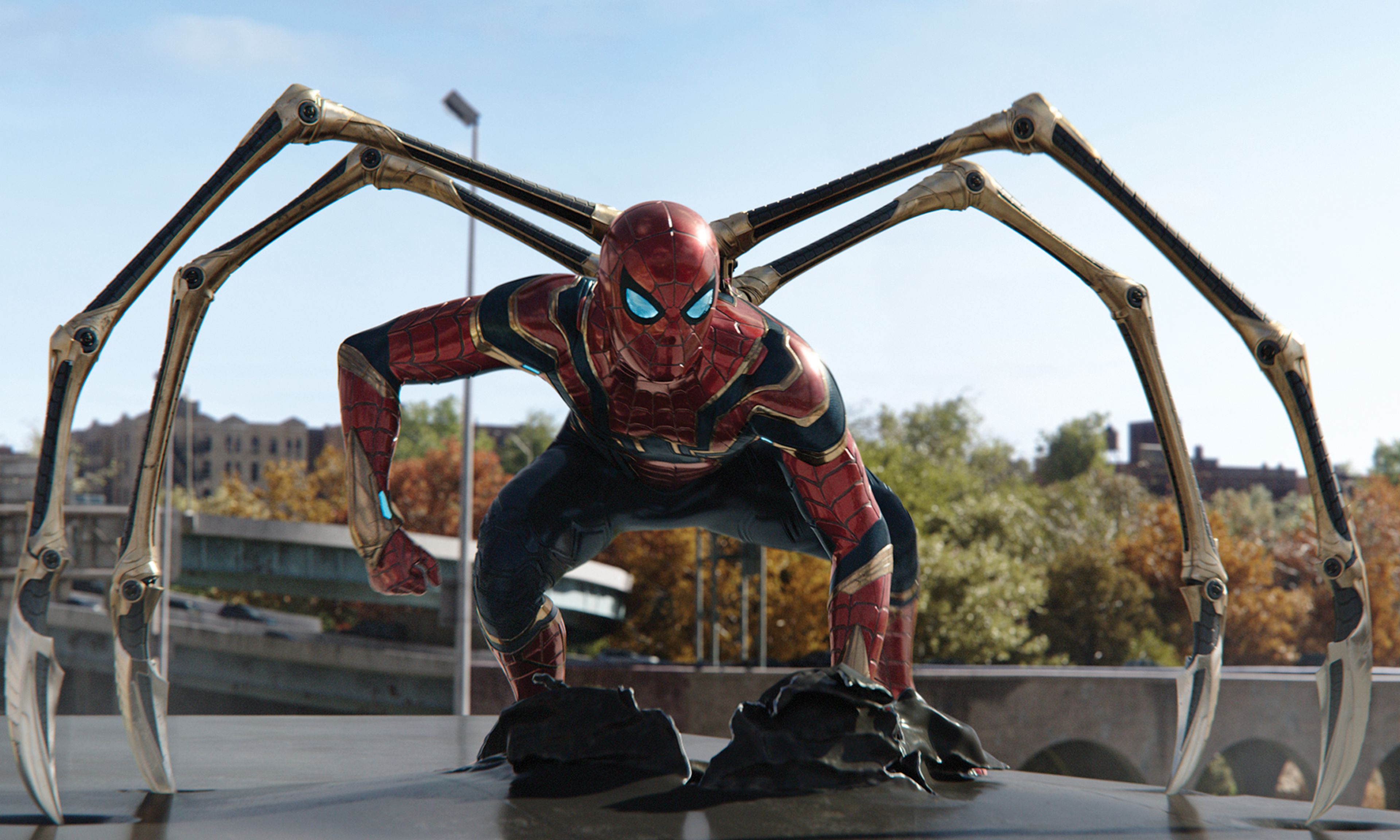
The biggest and most satisfying laugh I have ever heard in a movie theater was on my 15th birthday in 1981, at the Sack Palace Cinemas in West Springfield, Mass. Raiders of the Lost Ark wasn’t a comedy, so no one saw the gag coming when the scary guy with the scimitar started doing his drum-majorette routine with his big salami-slicer. When Indy pulled out his pistol and shot the guy, you couldn’t hear anything but laughter for the next 30 seconds.
Laughter, like coronavirus, does its best work in crowds. Would I have laughed at that scene while watching it on my couch? Yeah, but not like that. There are scary aspects of crowds, but there is also a certain animal joy to romping with the pack, laughing (or screaming or cowering or cheering or crying) with hundreds of fellow humans.
Which is why, throughout the pandemic, I’ve been dismissive of those who say moviegoing is dead. A month ago, Spider-Man proved me right: America is rushing to see No Way Home, which is now the fifth-highest-grossing movie in U.S. history (even though it isn’t one-fifth as good as Raiders of the Lost Ark). People were aching to see a fun, light-hearted adventure in theaters, and no germ, bug, particle, or CDC warning was going to keep them at home, even though there is far more innovative and interesting television programming on offer now than ever before. Culturally speaking, Spider-Man: No Way Home is the main event of 2021 — not the new Adele album, not the NFL season, and certainly not whatever picture wins the Oscar next spring while seven people watch on TV. Sony released the new Spidey only in theaters because Sony, unlike Warner Bros., isn’t stupid. (The Matrix Resurrections made about as much of a splash as a cotton ball in Lake Michigan, partly because fans could stay home and watch it on HBO Max and partly because the movie is a slog.)
When you’re my age and you’re a movie critic, the second most common thing you hear is “We never go out to the movies anymore.” Indeed, why bother? Encanto hit theaters on November 24 and was included on Disney+ a month later. (The thing I hear most often when people learn I’m a critic is “How many movies do you see a week?” I’ve answered this question 50 times, and given about 50 different answers, because “it varies” seems evasive. And “zero to 25” seems too broad.)
I’m 55, and so the people I meet tend to be in my age bracket, which is why I keep hearing about how no one goes to the movies anymore.
But I have news for my fellow Gen Xers and older generations: We’re almost irrelevant to the theatrical motion-picture business. The movie studios know we’re not going to show up very often, and they’re cool with that. If you’re the age I was when Raiders of the Lost Ark came out, the arrival of a new Spider-Man movie fills you with as much excitement as the arrival of a new Steven Spielberg movie did when I was in high school. (There happens to be a new Spielberg movie in theaters now, but nobody under the age of “getting an MRI on my knee next week” cares about West Side Story, which is why it is shaping up as one of the biggest flops of Spielberg’s career.)
For young people, the relevant comparison is not “Should I see this in theaters or should I see it on TV?” but “Should I leave the house tonight or stay home with my boring parents?” Moviegoing isn’t going away, because young people need to get out of the house and hang out with other young people. It’s social media and gaming, not the pandemic, that are the main threats to the theatrical movie business. If you can have fun with other people without leaving the house, you have less reason to leave the house. The weird/funny/tragic flip side of this is that young people seem to be getting less nooky than ever before.
But you can spend only so much time on Instagram or Xbox before you feel the urge to get out into the world and remember that you’re alive. The thing we tend to forget about movies is that they’re cheap. Two people can spend two and a half hours at a movie for $30 (not including popcorn). You’d lay out more money than that if you spent two hours at Applebee’s, or bowling, or having drinks. About the only conceivable social activity that would be cheaper would be hanging at a fast-food joint (which wouldn’t take two hours) or a trip to Starbucks (which could take two hours but would also scream “cheap date”).
Compared with all these other activities, though, movies are a lot more exciting. Sitting through a new Spider-Man epic means experiencing twists and laughs and excitement, and it’s a unique experience. If you’re the kind of person who likes Starbucks or Wendy’s, you’ve probably been to one hundreds of times, and the experience is pretty much always the same. Also, Spider-Man gives you something to talk about afterwards: Wasn’t that great when Electro said, “Gotta watch where you fall”? Even in a dismal year such as 2021, moviegoing was a $4.5 billion business in North America.
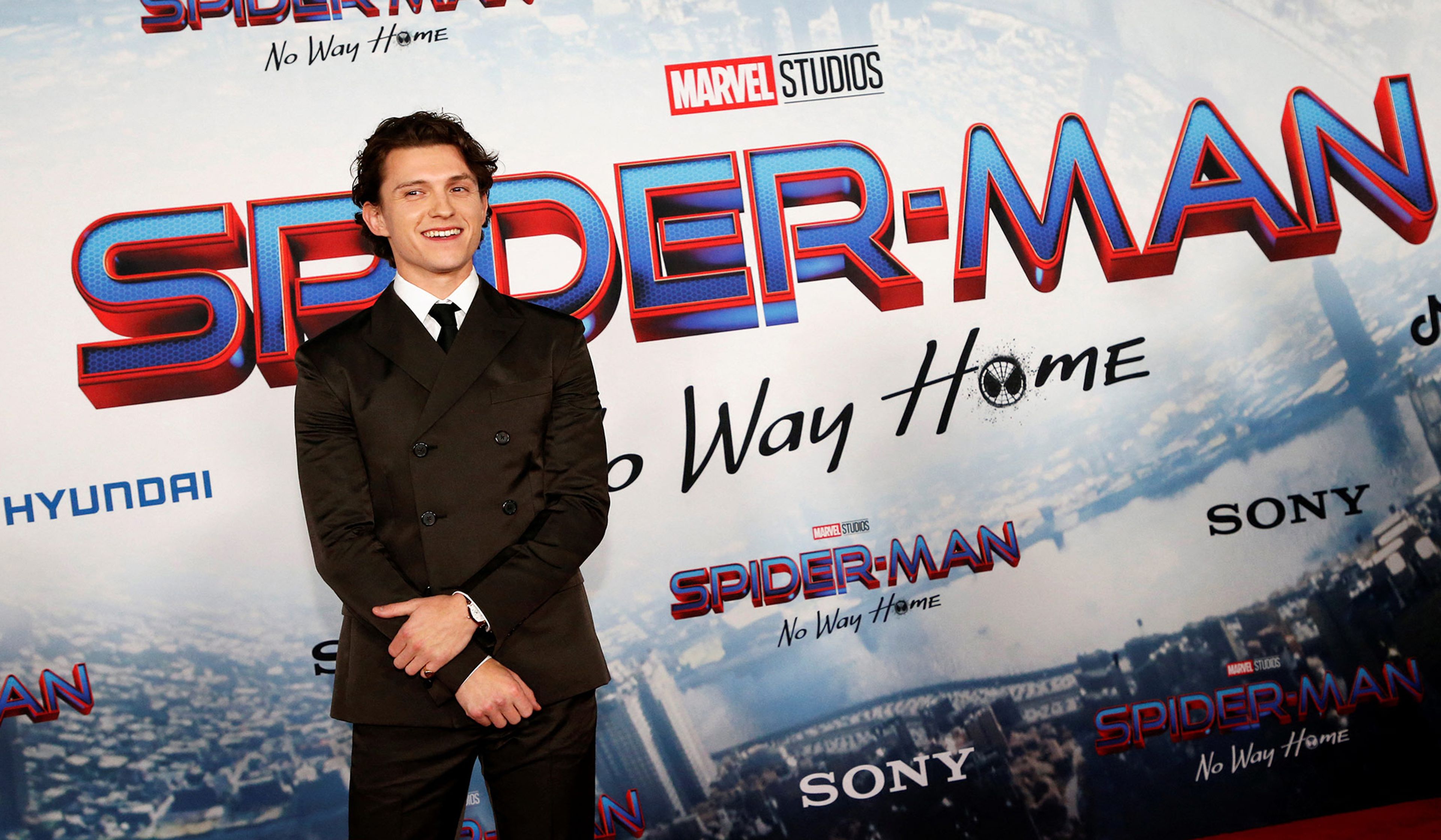





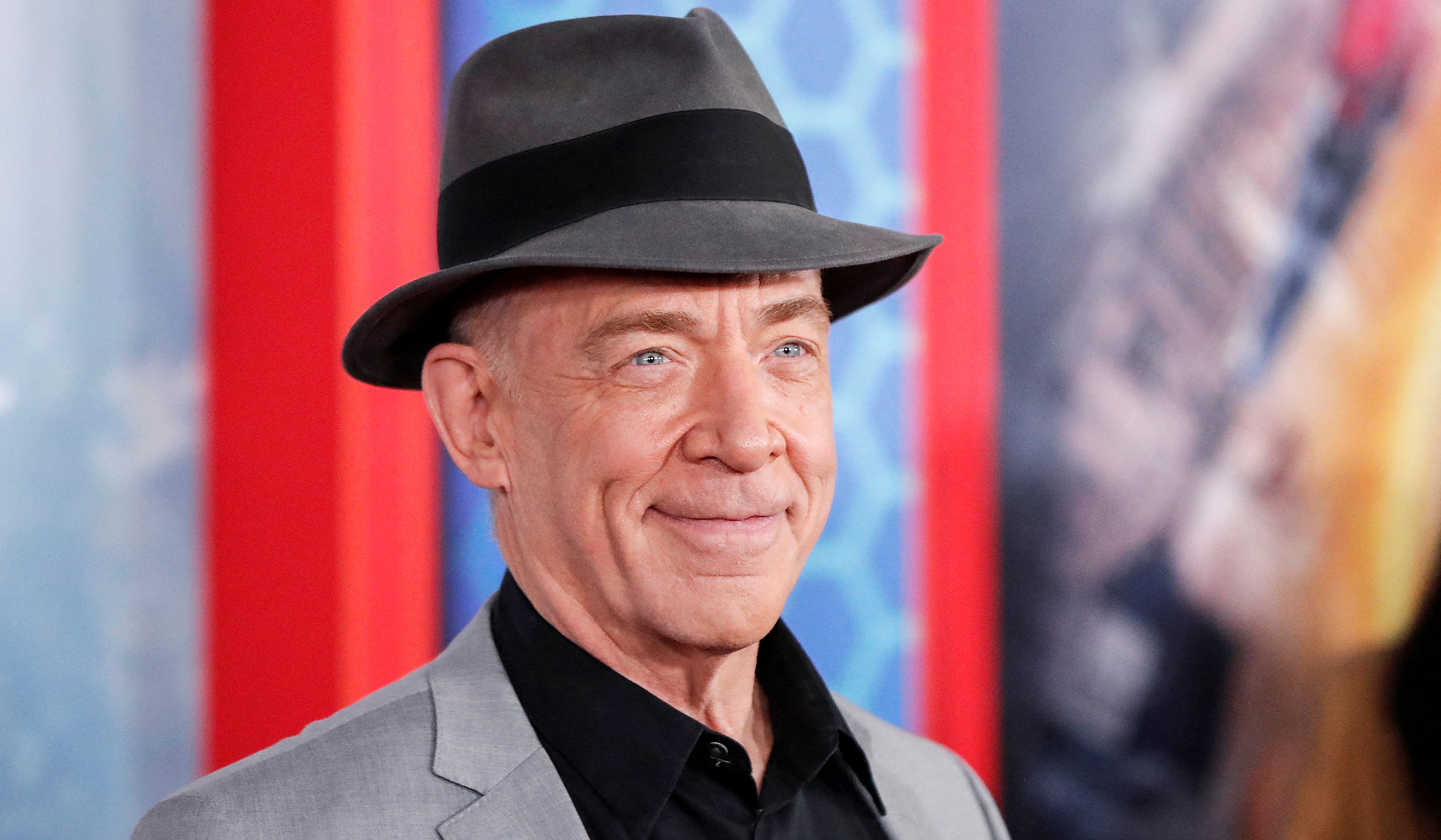
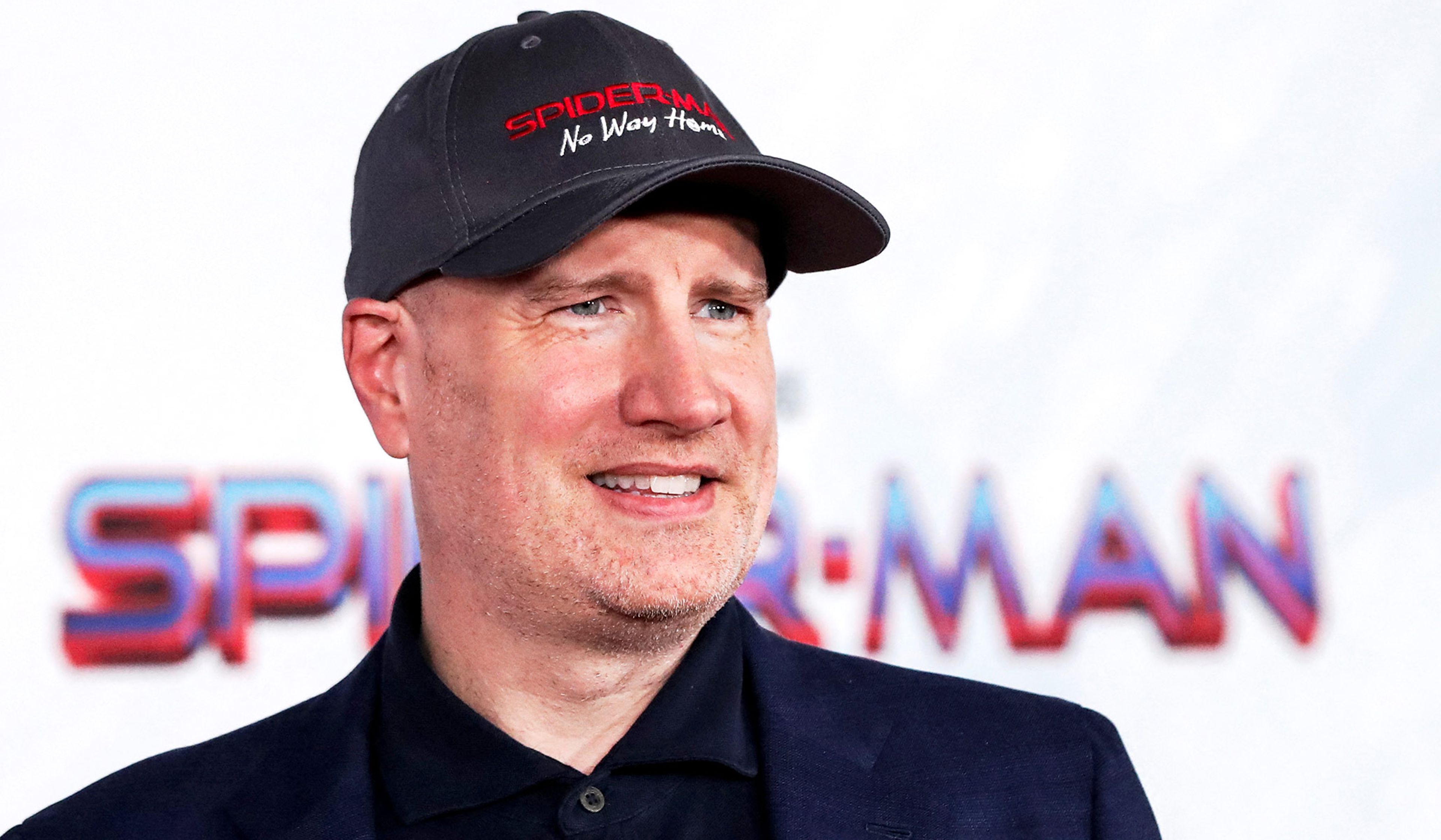
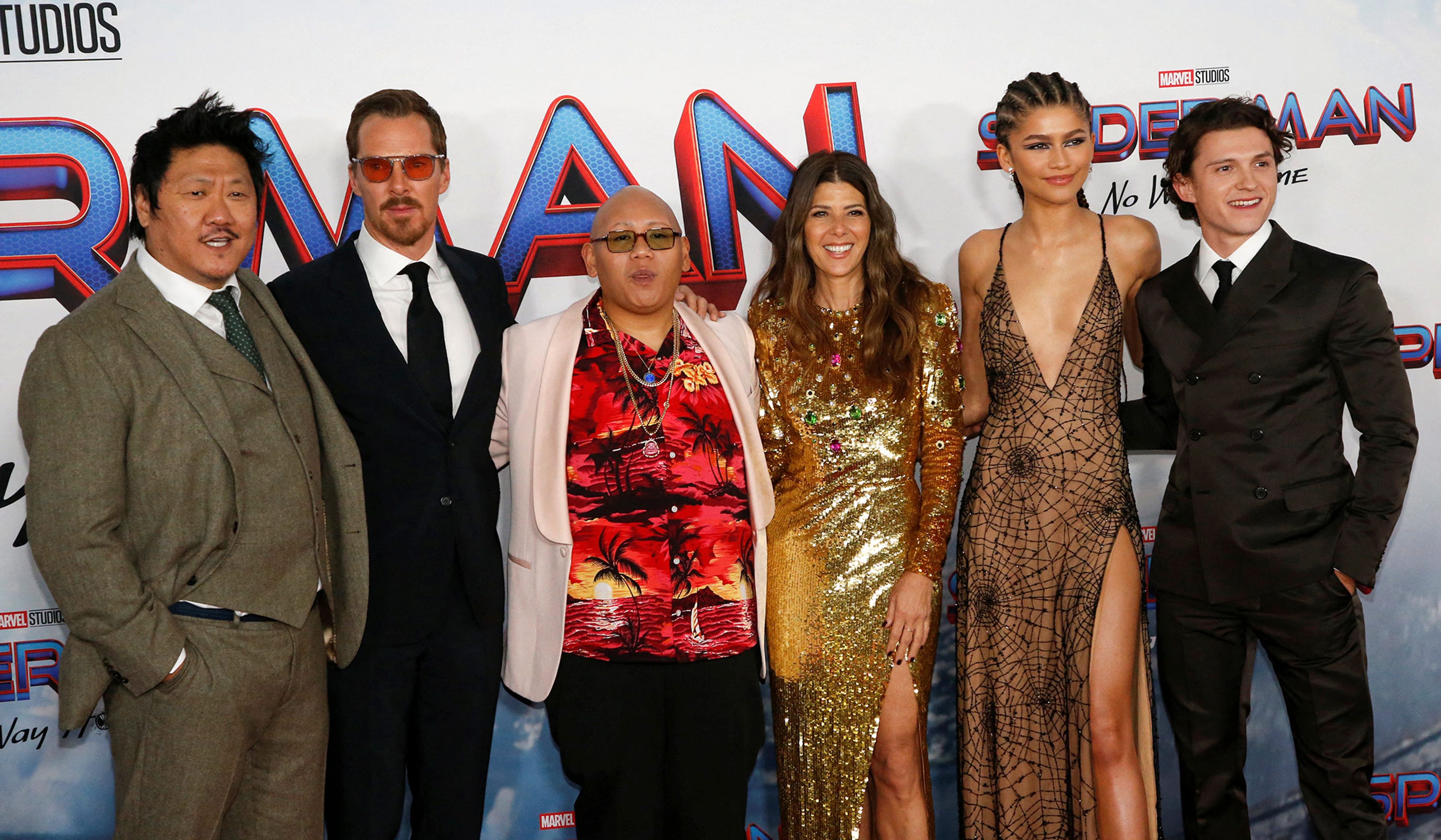
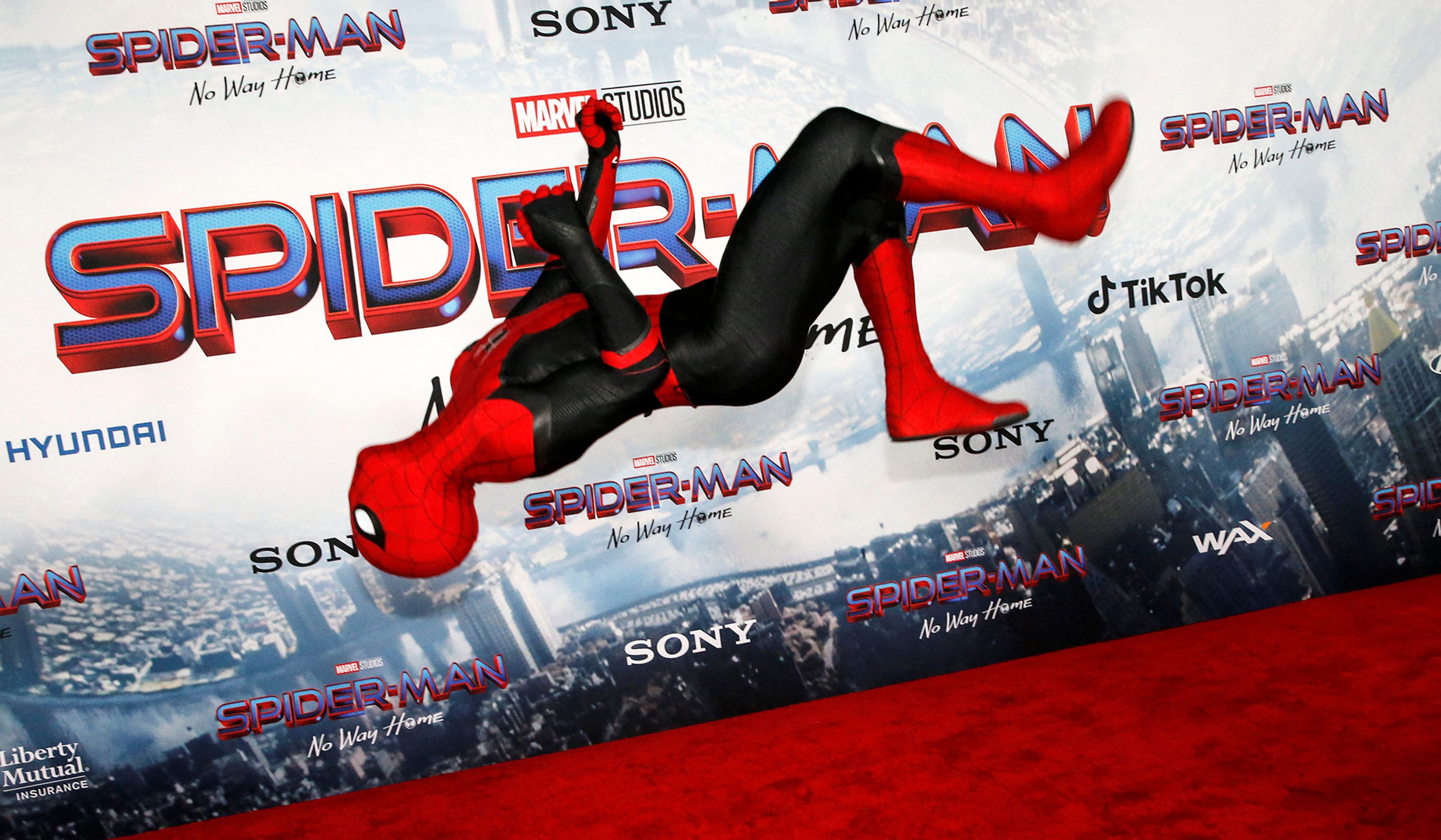
Star Tom Holland at the premiere of Spider-Man: No Way Home in Los Angeles, Calif., December 13, 2021.
Mario Anzuoni/Reuters
Many films grossed about half of what industry observers expected of them last year, but the disturbing aspect of the box-office chart is that the pandemic seems to have accelerated a trend that was much discussed before the pandemic: People are going only to blockbuster franchise pictures. Of the top ten highest-grossing movies domestically last year, nine were sequels or episodes in franchises; the only freestanding new movie, Free Guy, came in at No. 10. In an age in which we’re drowning in advertising, it’s almost impossible to sell people on something genuinely new at the movies.
But the news gets worse: Free Guy was a fantasy about a video-game character. Movies about real people attract no attention whatsoever. Twelve years ago, The King’s Speech earned $139 million domestically — something impossible to imagine happening today. The year before that, The Blind Side earned $256 million. Both of these movies seem very Netflix-y today. The highest-grossing movie of 2021 that was reality-based was The House of Gucci, No. 27 on the year with a pathetic $48 million gross. Awards-bait movies that used to build their audience as more and more people discovered them over the winter now seem to have no chance at the theatrical box office because the Oscar ceremony is no longer a celebration of quality middlebrow movies but merely a tiresome rehash of woke talking points barely disguised as entertainment. Last year’s Black Lives Matter Oscars essentially ordered the audience to drink castor oil out of a Champagne flute. Three hundred and twenty-two million out of 332 million Americans decided they had better things to do than watch what was once a mammoth cultural event.
Does it matter if offerings such as Sideways or Million Dollar Baby are now seen by audiences at home rather than at the movies? In a way, no: This season’s divisive end-of-the-world comedy Don’t Look Up is, by virtue of having been released on Netflix in December, a driver of cultural chatter in a way it probably would not have been if it had been released solely in theaters, where it would have attracted a minimal audience because people wouldn’t have wanted to risk the ticket price on such a dicey proposition as a satirical climate-change allegory. (The previous theatrical comedy from writer-director Adam McKay, the Dick Cheney comedy Vice, didn’t sell a lot of tickets, whereas Don’t Look Up is the second most watched original movie on the streaming service.)
As long as movies are still being made for adults, there’s no need to gripe about this: With the kids out of the house watching superheroes, we can settle down and marvel at the German expressionism of The Tragedy of Macbeth on Apple TV+. Theatrical movies for adults seem to have gone the way of poking around Pier 1 Imports for fun, but there’s something to be said for getting cinematic art delivered to you without leaving your easy chair.












Comments