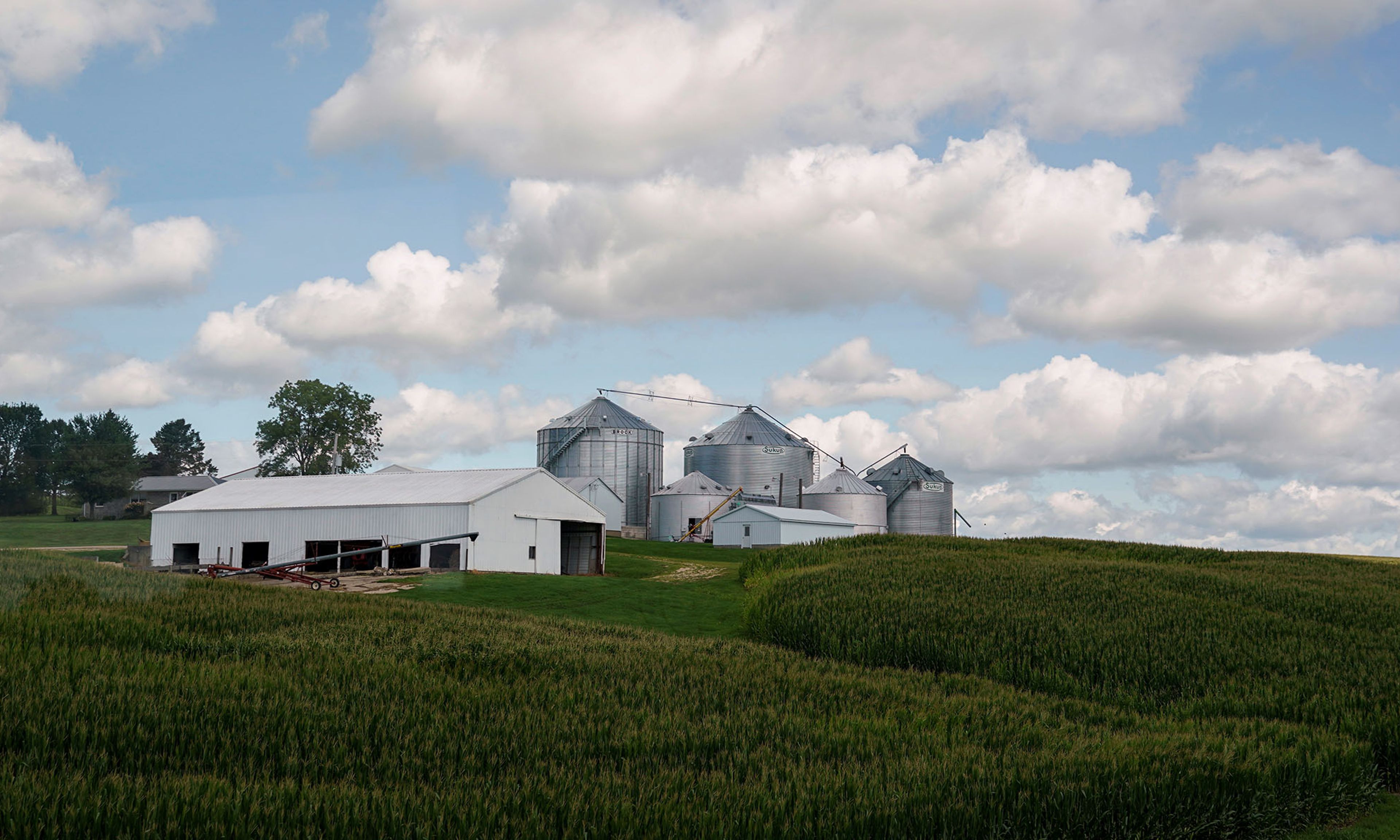
Farmers and their farm stands are the most obvious candidates for closing. Months ago the first frosts ended most growing, but there was still produce to be sold. Apples and cider; pumpkins for Halloween; roots and tubers — anything that stored well, wore a rind, or lived underground could march on until the snow piled up and the soil itself froze. Even black kale, whose broad leaves look like palm fronds in an old Bible illustration, can last, in a mild season, after Thanksgiving into December (the longer it lives the better it gets, but don’t tell old congressmen). There comes a time though when the gourds look haggard and the monstrous carrots seem merely freakish. Christmas trees are the stop crop, the “Attention Shoppers” announcement that the earth store will be closing in ten minutes. For three weeks the cars with Jersey plates roll homeward down the valley with fresh-cut ornament holders strapped to their roofs. Then it ends. One farm stand on the state route shuts down completely; the other stays open half time (they realized a few years ago that they could do some winter business with bird seed and animal feed). Empty fields lie brown, then white; silos stand like abandoned watchtowers.
At the edge of town an enterprising soul set up a barbecue stand in a corner lot at an intersection. Stove, fridge, and sales counter were in a large stationary wagon; you parked your car on the grass; customers who weren’t taking out could sit on picnic tables. Texas wasn’t worried, but Texas is hundreds of miles away. Stoves and barbecue are warm, so chefs and diners carried on bravely through shrinking days and the first flurries. But past a certain point what should be a simple meal would become heroism, so up went the sign closed back April 1.











Comments