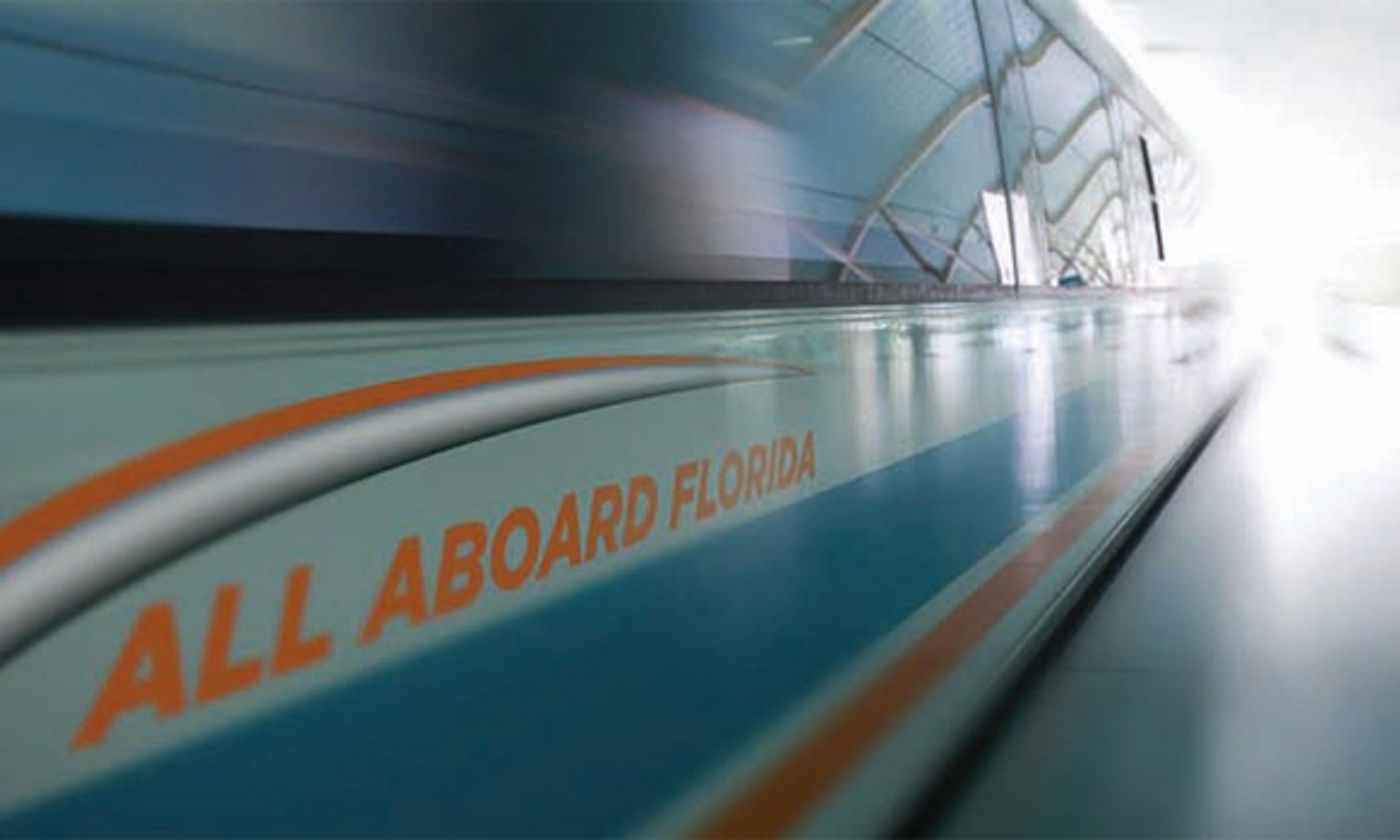
Miami, like many cities in America, was created by a railroad. Standard Oil founder Henry Flagler cobbled together several existing railroads to make the Florida East Coast (FEC) Railway in the late 19th century, and then he drove the line from Daytona Beach to the city that would eventually become Miami. Not content with reaching the bottom of the mainland, Flagler continued the line, which became known as the Overseas Railway, to Key West, nearly reaching the southernmost tip of the contiguous United States. For many years, rail was the travel mode of choice for vacationers and migrants making their way to what was then a fast-growing paradise.
Today, of course, South Florida is a very different place. Private passenger rail declined throughout the industrialized world after World War II, but the United States has had a particularly difficult time transitioning from being a market-driven rail system to being one run by politicians. The great railroads of the 19th and early 20th centuries practically invented American capitalism, but they struggled to survive the rise of the automobile. America’s suburban zoning patterns make viable mass transit difficult, and agencies such as Amtrak and their regulators have shown a unique ability to drive up costs while driving down the quality of service, reducing what demand still exists. South Florida is now a largely car-oriented region, with Amtrak trains arriving in Miami, unreliably, at a station many miles from downtown, far from the Florida East Coast terminal, around which the city grew.









Comments