Democracy Drifting Away
I read William Voegeli’s review of Soft Despotism, Democracy’s Drift (“Can We Outlast the Contradictions?” — June 22) with pleasure and genuine interest. His depiction of my book is for the most part accurate; his assessment, generous; and his criticism, cogent and consistent with the thoughtful analysis of the state of conservative movement that he has developed elsewhere.
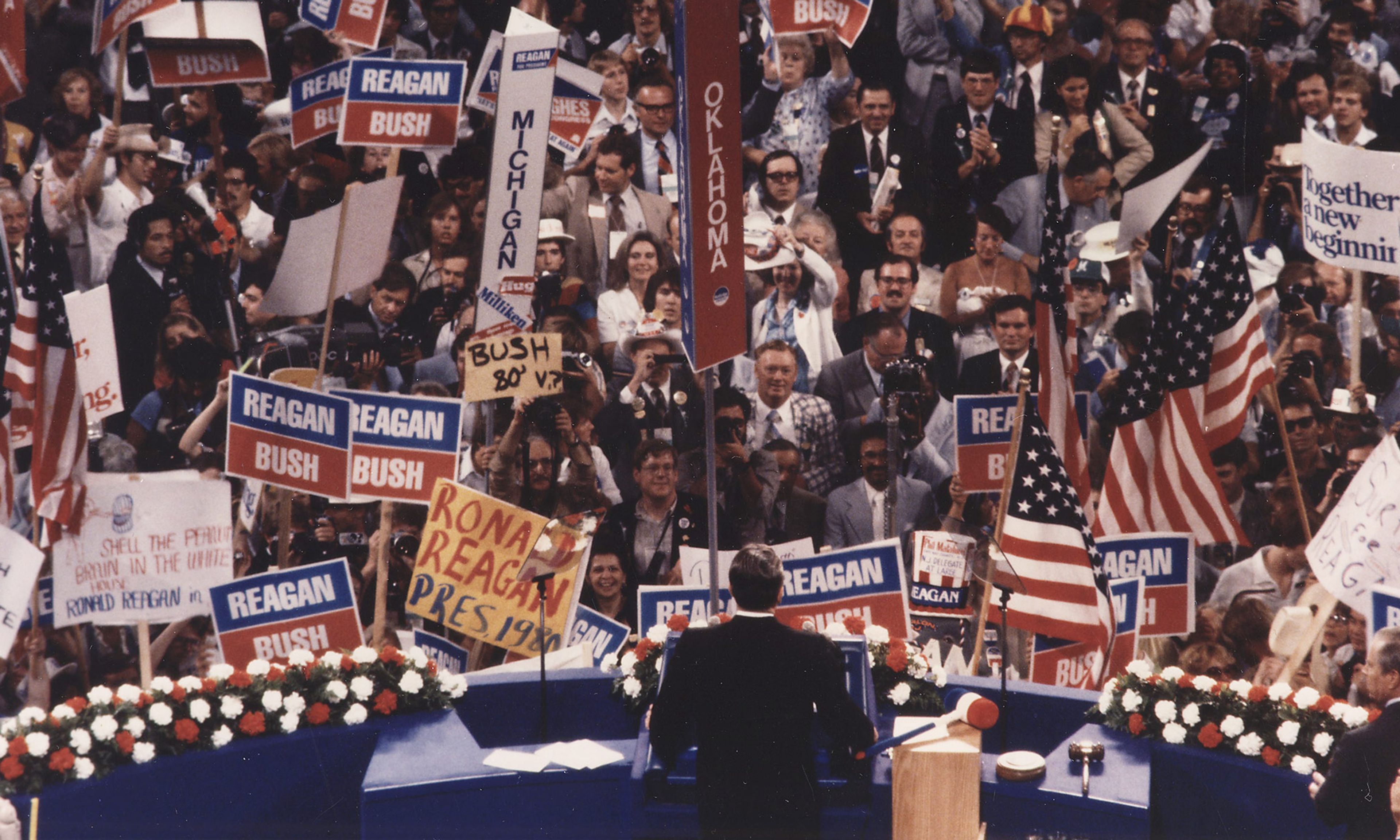
If I am unpersuaded by his argument that we should regard keeping “social and political conditions from getting worse” as “a signal achievement,” settle for seeing “conditions get worse slowly rather than rapidly,” and give up on the possibility of “effecting any significant, durable reversal of democracy’s drift,” it is because I am old enough to remember a time in which conservatives, such as Richard Nixon and Henry Kissinger, were inclined to think the advances made by Communism irreversible, and to believe that we should pursue a policy of preserving as much as we could in the face of its approaching victory. Ronald Reagan rightly regarded their policy as a recipe for defeat, and he showed us that democratic statesmanship has far greater scope than others supposed.
Alexis de Tocqueville was not, as Voegeli suggests, “an exemplar of philosophical . . . resignation.” In the face of tyranny he was defiant, for his was “a fighting faith,” and, by sketching out “a new political science for a new world,” he sought in profound ways to shape that world and to make straight the path for others more adept than he at what he called “the art of government.” The advocates of centralized administration are apt to overreach, and when, as at the present moment, they openly display their ambition to manage in fine detail the lives of their fellow citizens, resolute conservative statesmanship can accomplish wonders. The only certitude is that conservatives will not succeed at that which they do not try.
Paul A. Rahe
Charles O. Lee and Louise K. Lee Chair
in the Western Heritage at Hillsdale College
Hillsdale, Mich.
William Voegeli replies: Professor Rahe and I agree in principle — conservatives must choose their battles shrewdly, and then fight them heroically. We agree, moreover, that valor is usually the greater part of discretion. Our disagreement, if we have one, is over prudential questions: How do conservatives choose and fight their battles? I endorse his call for stout resistance to the current, audacious effort to Swedenize the United States before the 2010 midterm elections. And I reiterate my call for Professor Rahe to explain, in future publications, how conservatives can reinvigorate the family and community in an age transformed by feminism, mobility, and mass prosperity.












Comments