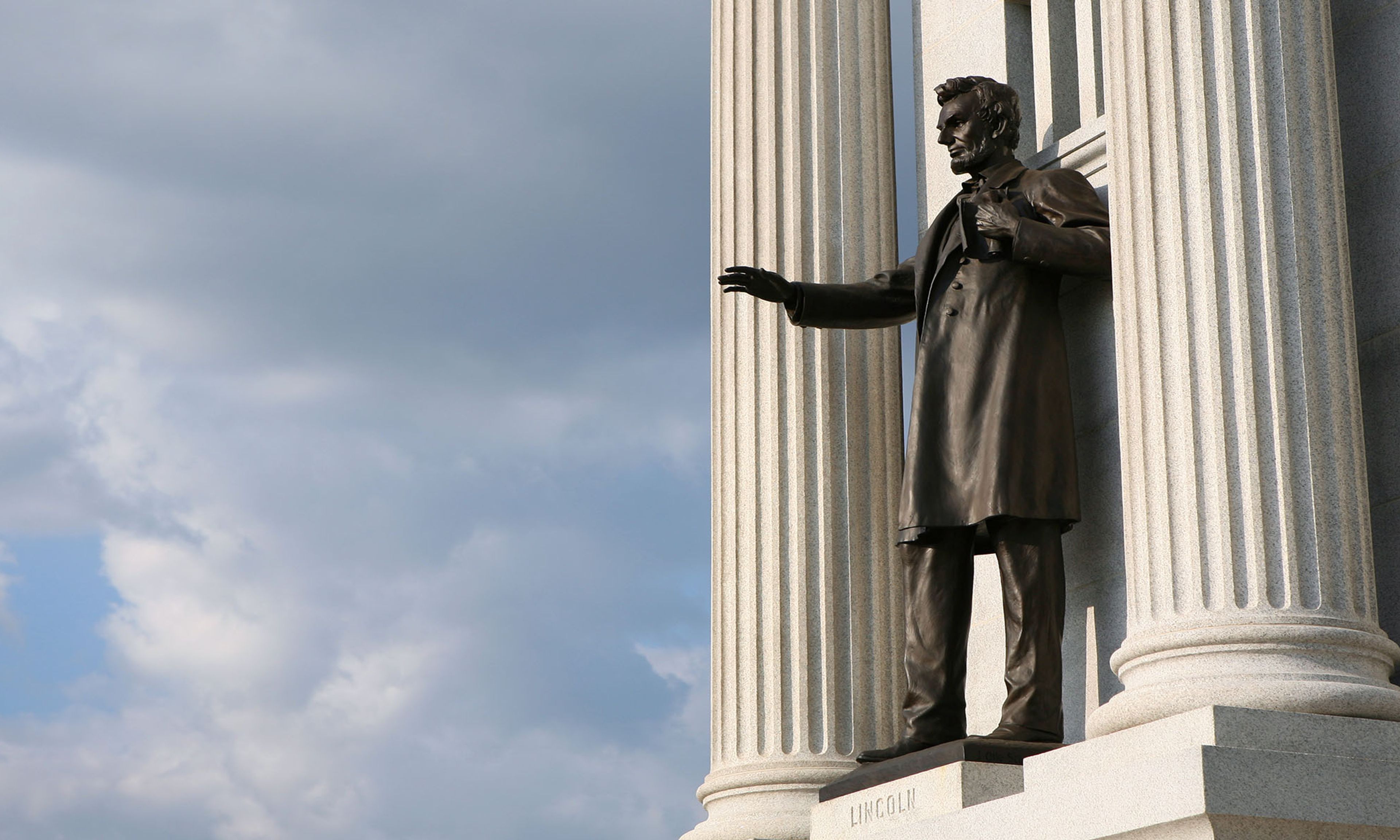
No man relied more on the power of words to rise to the peak of American politics than Abraham Lincoln. It is a testimony of Lincoln’s rhetorical skill that his greatest speeches remain the gold standard of American political oratory. In His Greatest Speeches: How Lincoln Moved the Nation, Diana Schaub, a professor of political science at Loyola University Maryland, shows how Lincoln’s genius as a wordsmith reflected a profound understanding of both the possibilities and the pitfalls of American self-government.
The greatest temptation of a self-governing people is the belief that because they are their own rulers, they need not fear the rise of a tyrant. In short, a political majority can do no wrong. The task of a statesman, therefore, is to enable fellow citizens to resist that temptation and instead pursue justice and the common good without neglecting the rights of the political minority. This theme takes center stage in an 1838 address of Lincoln’s that most scholars consider his first important speech. He titled it “On the Perpetuation of Our Political Institutions.” Known also as the Lyceum Address, as Lincoln delivered it before the Young Men’s Lyceum of Springfield, Ill., it warns against the increasing use of mob violence — instead of resorting to the slow, plodding gears of constitutional lawmaking and courts — to secure justice. Lincoln preached a “reverence for the constitution and laws,” what he deemed a “political religion,” as the surest way for a free people to maintain their civil and religious liberties over the long haul.
Schaub notes that Lincoln was not one “to impassion political life.” He argued that reason, not passion, must constitute the principal defense against the passion of mobs as well as of “men of ambition and talents” who would seek to rule at any cost in pursuit of glory. She shows how the reason and moderation of Lincoln constrained his own ambition and talents, and thereby enabled him to cultivate the reason and moderation of the citizenry. They could then identify and thwart the nefarious designs of the ambitious few. Schaub includes the lesser-known Lyceum Address along with the K2 and Mount Everest of Lincoln oratory — the Gettysburg Address and the Second Inaugural Address — because it deftly explores the responsibility of every generation of Americans to live up to their free institutions. (I would also include his 1854 Peoria Address as among his best.) She rightly observes that the “question of whether free government can endure — and what is necessary to make it endure — preoccupied Lincoln from the beginning.” That preoccupation would be subsumed in the 1850s by what he called “the great Behemoth of danger,” racial slavery.
While alluded to in the Lyceum Address, slavery would become central to Lincoln’s later speeches as he witnessed the nation grow increasingly divided over the future of the peculiar institution in America. That division ultimately produced a civil war out of which Lincoln would craft his two most famous speeches. The Second Inaugural Address makes America’s complicity in slavery the focus of Lincoln’s sublime attempt to fashion a post–Civil War reunification of the country. Schaub cleverly casts this speech as Lincoln’s “original and better 1619 Project” insofar as Lincoln dates American slavery to its introduction to the English colony of Virginia, which would eventually become one of the 13 original American colonies-turned-states. But unlike Nikole Hannah-Jones and the New York Times, whose project presents 1619 and therefore racial slavery as the driving force of America’s political development, Lincoln saw the birth of America’s true project in its assertion of political independence in 1776. Schaub finds Lincoln in profound disagreement with Hannah-Jones: “1776 was not a continuation of the spirit of 1619 but its antithesis.”
Where the Gettysburg Address famously dates the nation’s birth to the year of the Declaration of Independence (“Four score and seven years ago . . .”), the Second Inaugural Address highlights “the bond-man’s two hundred and fifty years of unrequited toil.” The signal tragedy of American history is that white Americans proved incapable of abolishing slavery through the peaceful, political means of constitutional self-government. Although Lincoln understood the Founders to have put slavery “in the course of ultimate extinction,” by August 1855 he confessed, “I think, that there is no peaceful extinction of slavery in prospect for us” because on “the question of liberty, as a principle, we are not what we have been.” He concluded, “May God, in his mercy, superintend the solution.” These private remarks would find a public resolution in his Second Inaugural Address. After a war that no one seriously expected to be as long and as devastating as it became, and that produced an emancipation that even he did not anticipate at the outset of his first term as president, Lincoln surmised, “The Almighty has His own purposes.”
Schaub shows how “Lincoln strives to create a public sentiment . . . that will support the practical and immensely difficult work ahead,” that work being Reconstruction, a subject that Lincoln leaves for the final sentence of his 701-word speech. Apparently, there is no moving forward as one, re-United States of America without looking back and forging a public memory both of the justice of a Union victory in the war and of emancipation. However, instead of citing his reelection as president as affirmation of the Almighty’s favor, Lincoln identifies both North and South as responsible for the sin of “American Slavery” and therefore as the just recipients of God’s wrath in the form of “this mighty scourge of war.” Lincoln does not claim to know that the Civil War was an instrument of divine punishment, but he presents it as a supposition that best explains the inexplicable to those who, like himself, “looked for an easier triumph, and a result less fundamental and astounding.”
Ultimately, as Schaub notes, Lincoln’s Second Inaugural Address is a speech about mercy. While the biblical God would have been just, in Lincoln’s account, to sink “all the wealth piled by the bond-man’s two hundred and fifty years of unrequited toil” in a costly civil war, a war that could also require that “every drop of blood drawn with the lash . . . be paid by another drawn with the sword,” the war’s imminent close after only four years suggested that a full reckoning for 250 years of American slavery would not be exacted. If the Creator withheld the full penalty for American slavery, Americans on both sides of the conflict — described by Lincoln as “the believers in a Living God” — ought to imitate the divine example. With this theological interpretation of the Civil War, Lincoln could then turn to the future, and exhort his fellow citizens to act “with malice toward none; with charity for all.”
If Lincoln’s Second Inaugural Address stands as his greatest speech, the Gettysburg Address remains his most famous, and likely the most famous in American history. Schaub comments that its very familiarity makes it somewhat difficult to appreciate both its content and its method. Suffice it to say, she provides a master class in how to read a speech, demonstrating that even one so short (ten sentences comprising 271 words) is capable of conveying layers of meaning that bear the slow read she gives it.
She astutely advises, “Whenever a difficulty in interpreting Lincoln arises, the Bible is a good starting place.” For a speech that never quotes the Bible directly (unlike the Second Inaugural Address, which quotes both the Old and the New Testament), its diction, cadence, symbols, and themes are redolent of the Good Book. In particular, the birth, death, and rebirth imagery convey a Christian sensibility that Lincoln was keen to draw upon, even though, as he would show more profoundly in his Second Inaugural Address, people on both sides of the conflict “read the same Bible and pray to the same God” but draw opposite conclusions about the morality of slavery. At bottom, Schaub argues, “the generative imagery” of the Gettysburg Address “conveys the message that each successive cohort of Americans is essential to the maturation or completion of the founding.” Each must “live out the timeless truth to which the nation has been pledged.” In this way, what the Declaration of Independence calls a “self-evident” truth — that “all men are created equal” — can be fairly translated by Lincoln into a “proposition” in need of demonstration. If the American Civil War proves victorious for Lincoln, Schaub concludes, “the Union preserved will constitute the needed proof that a nation conceived in liberty and dedicated to the proposition of equality can indeed endure.”
Surprisingly, though Schaub acknowledges that the Gettysburg Address was delivered in the Year of Jubilee, a year that commenced with Lincoln’s issuance of the Emancipation Proclamation, she does not interpret his call for “a new birth of freedom” as a clear allusion to the freedom of over 3 million formerly enslaved black people that Lincoln as commander in chief had recently pledged the armed forces to secure. The Chicago Times, a Democratic newspaper, certainly read the speech that way. It accused the president of inserting “political partisanship” into a “funeral sermon” on the dedication of a national cemetery. The partisanship owed to Lincoln’s assertion that the Founders established a nation “dedicated to the proposition that all men are created equal.” The editorial deemed it “a perversion of history” and a “misstatement of the cause for which” Union soldiers died at Gettysburg. The Founders were “men possessing too much self-respect to declare that negroes were their equals, or were entitled to equal privileges.” Clearly, the Chicago Times disagreed with Lincoln about the meaning of the Constitution and the American union in the post-Emancipation era.
All in all, though, each chapter of Schaub’s commentary is chock-full of insights, eloquently presented. In His Greatest Speeches, Schaub shows how Lincoln became the greatest defender of human liberty by becoming the greatest defender of human equality. Americans can do no better than to reacquaint themselves with the mind and character of Abraham Lincoln. Or, as Schaub concludes her book: “His spirit abides. If we listen and reflect, all may yet be well.”
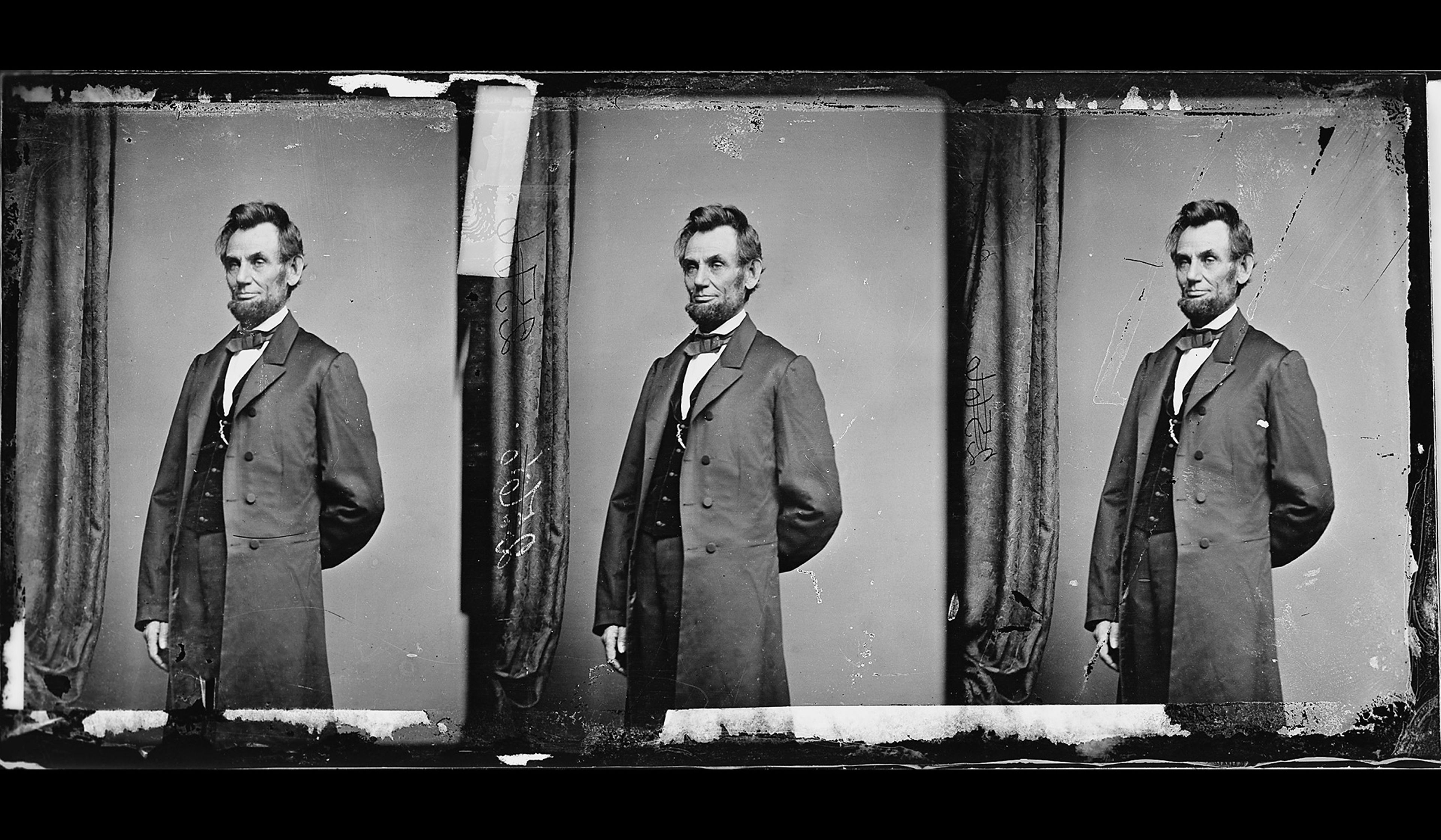
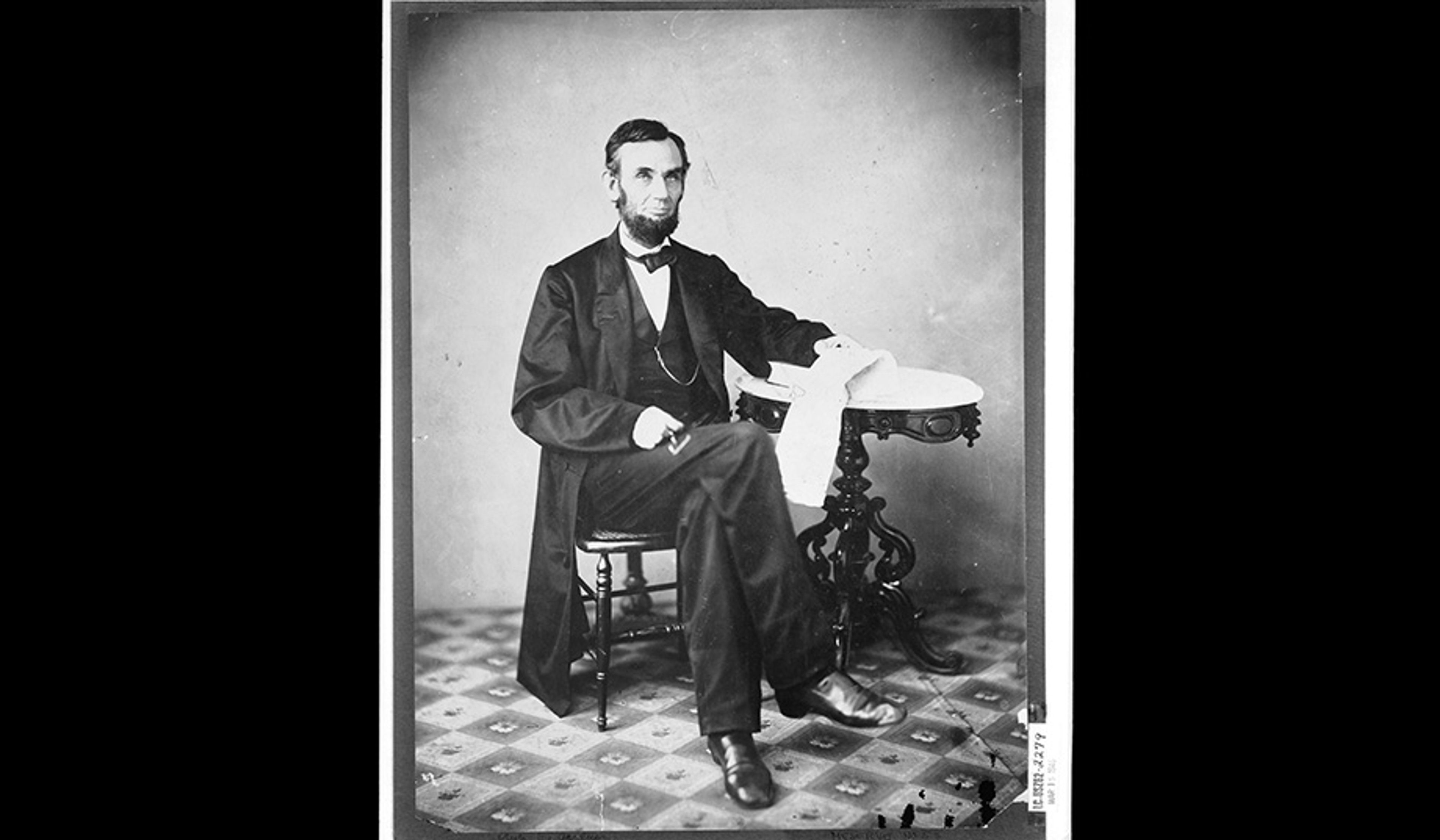
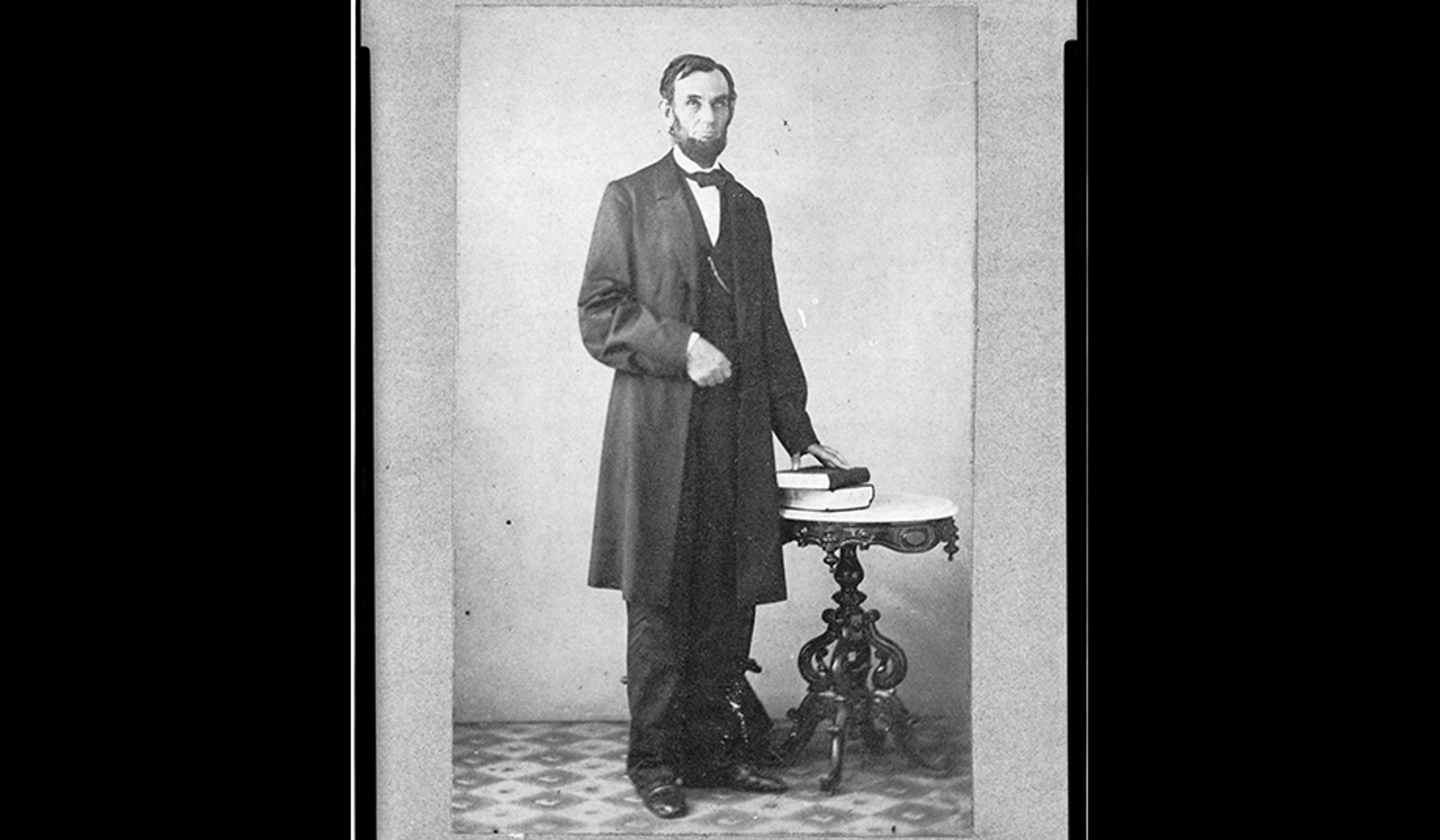
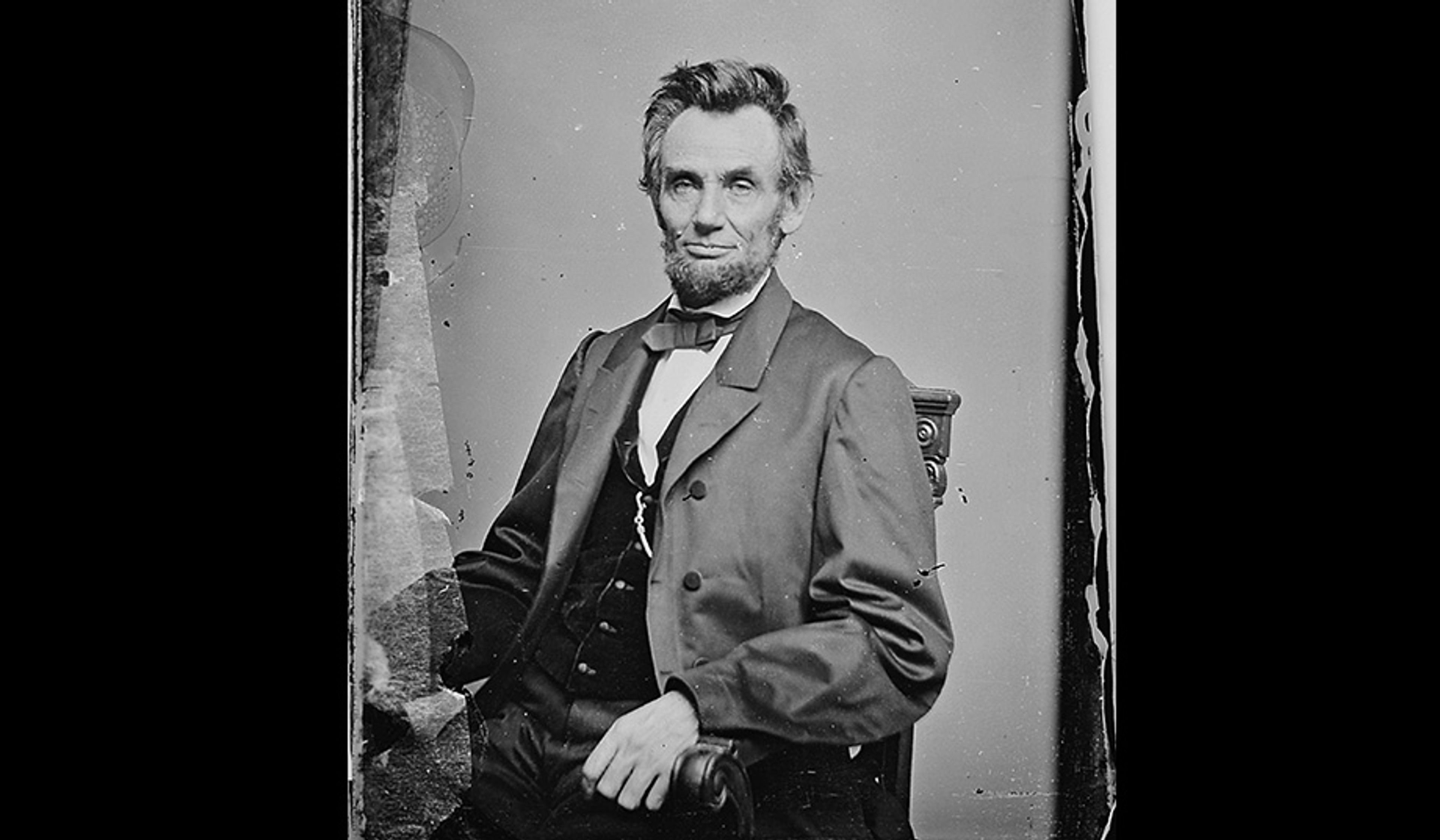
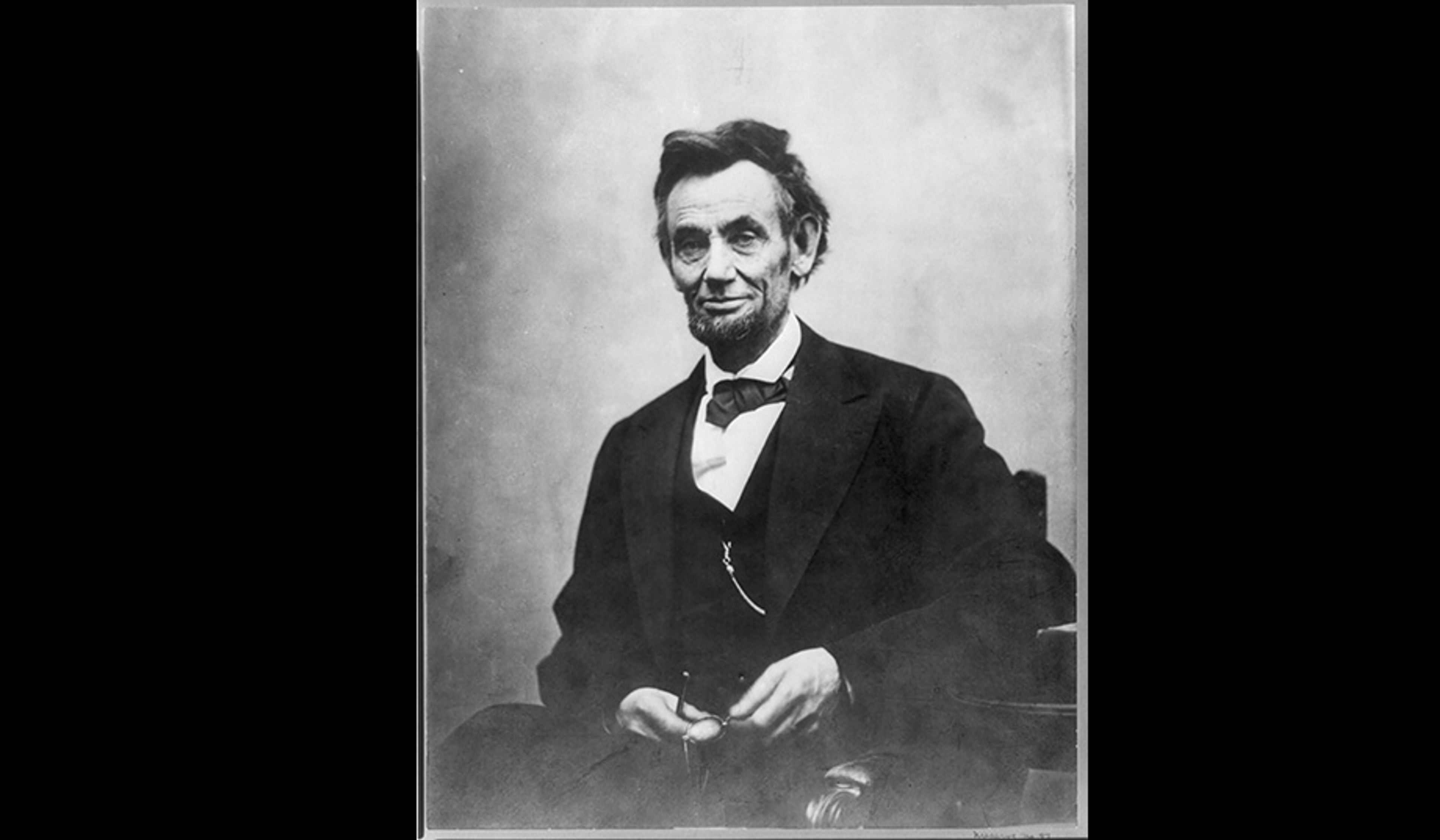
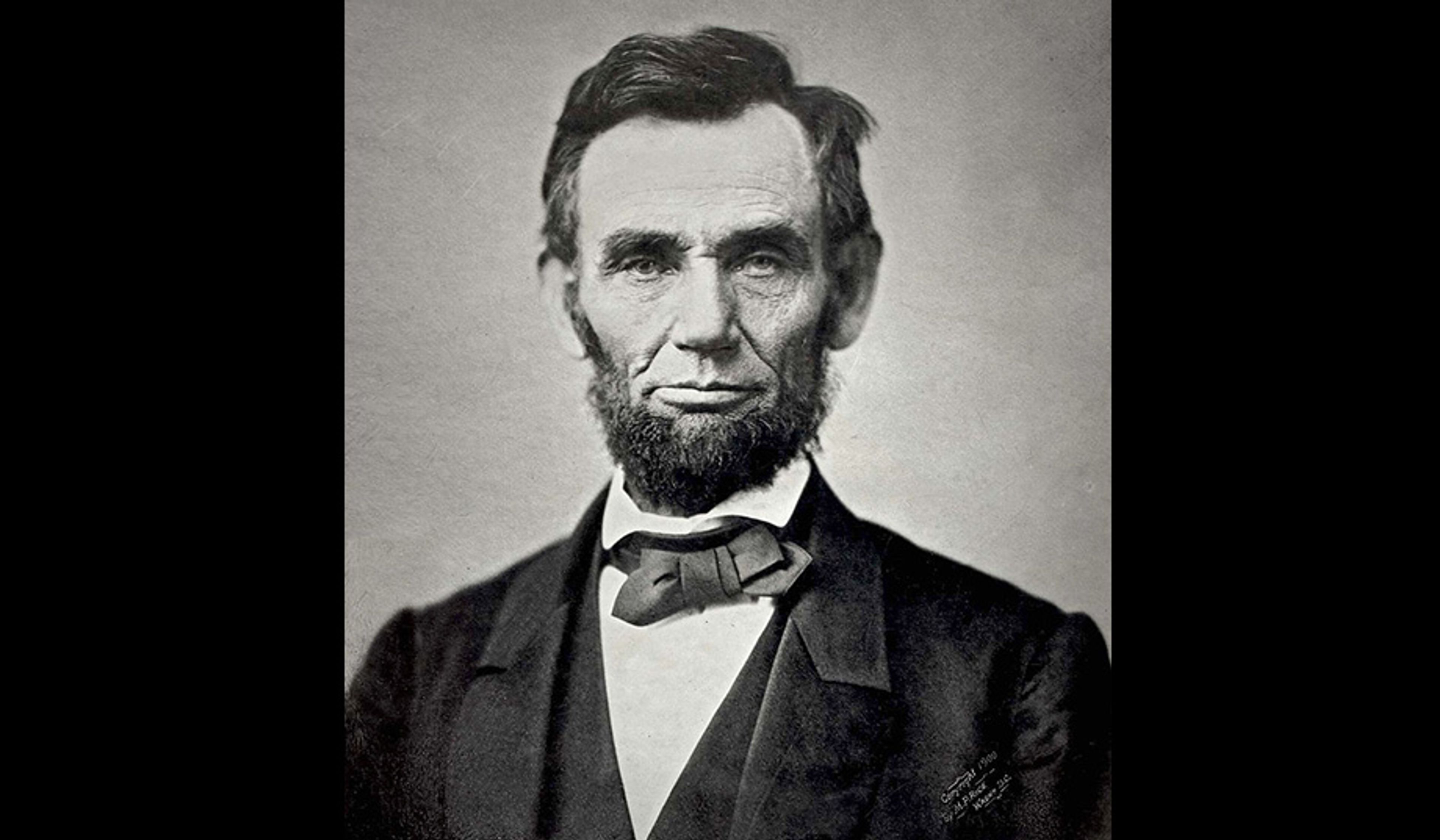
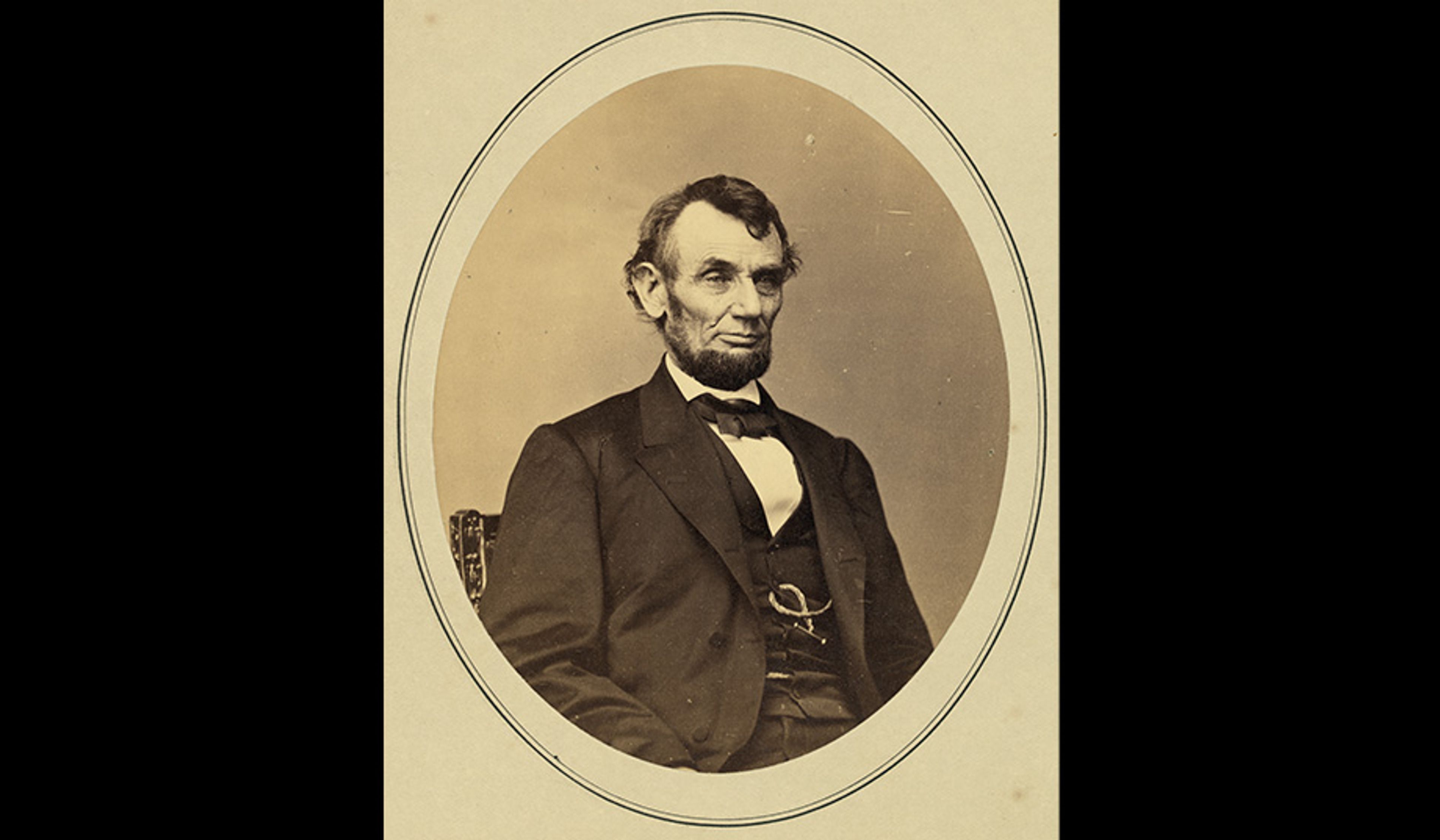
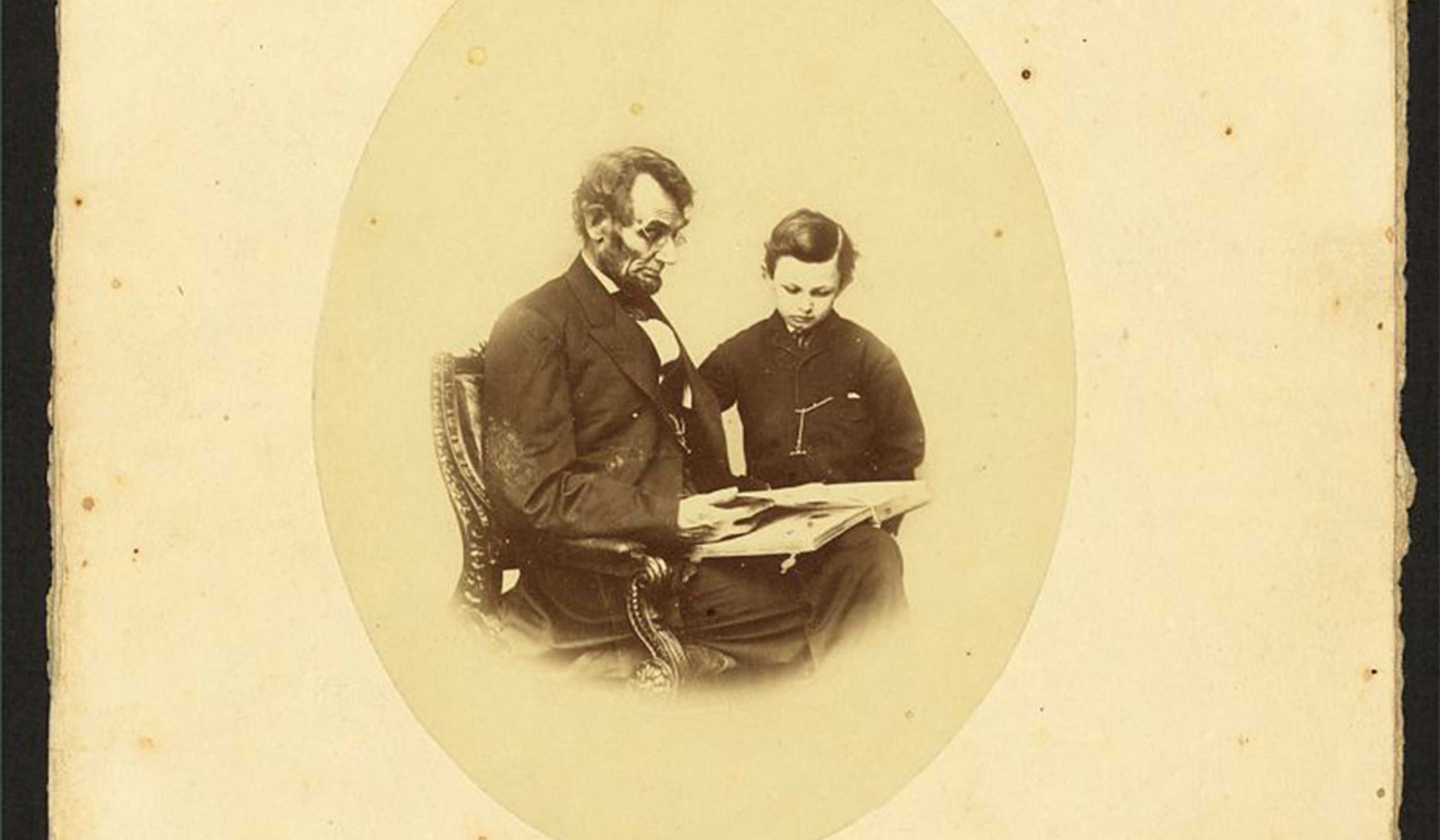
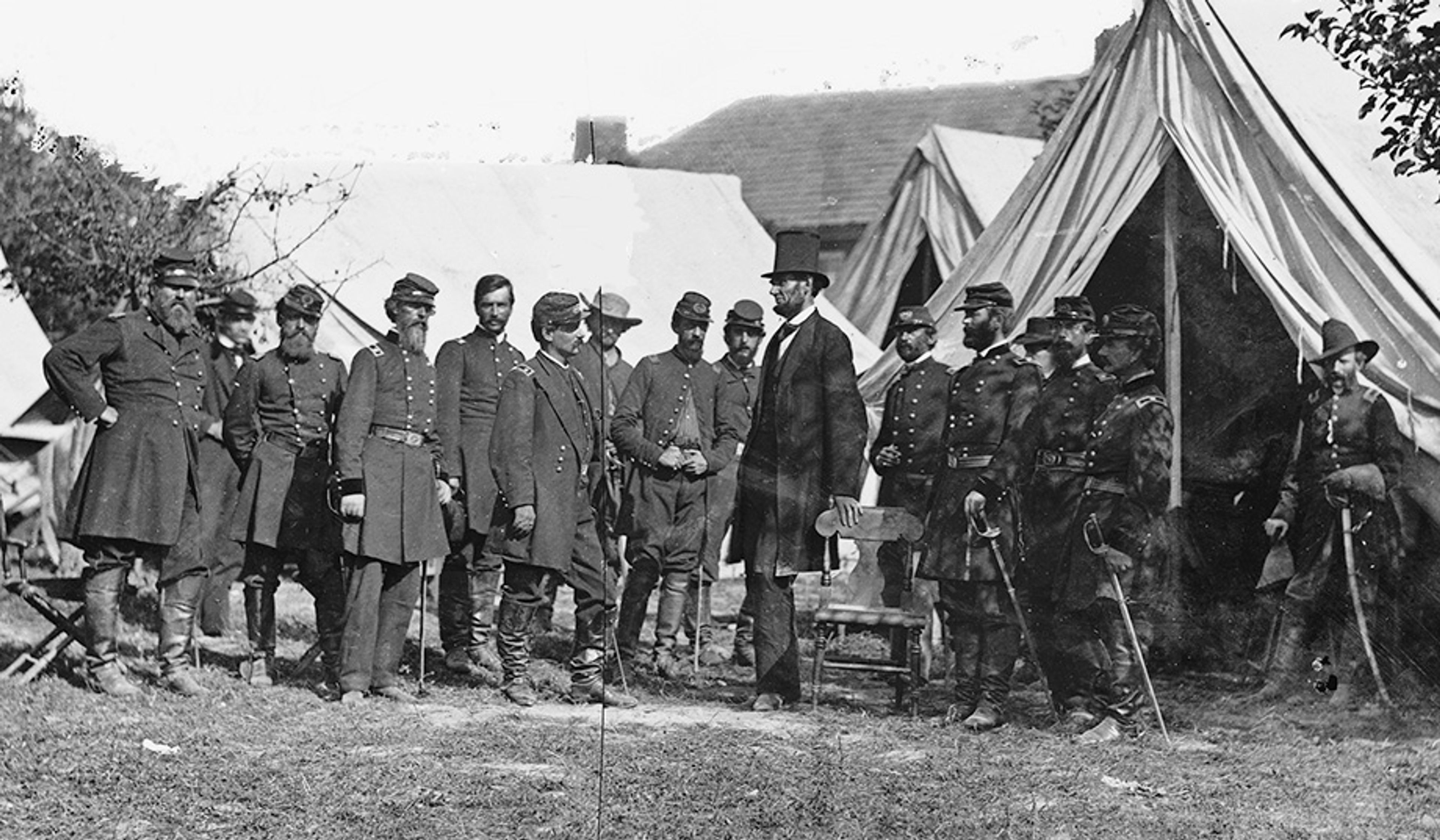
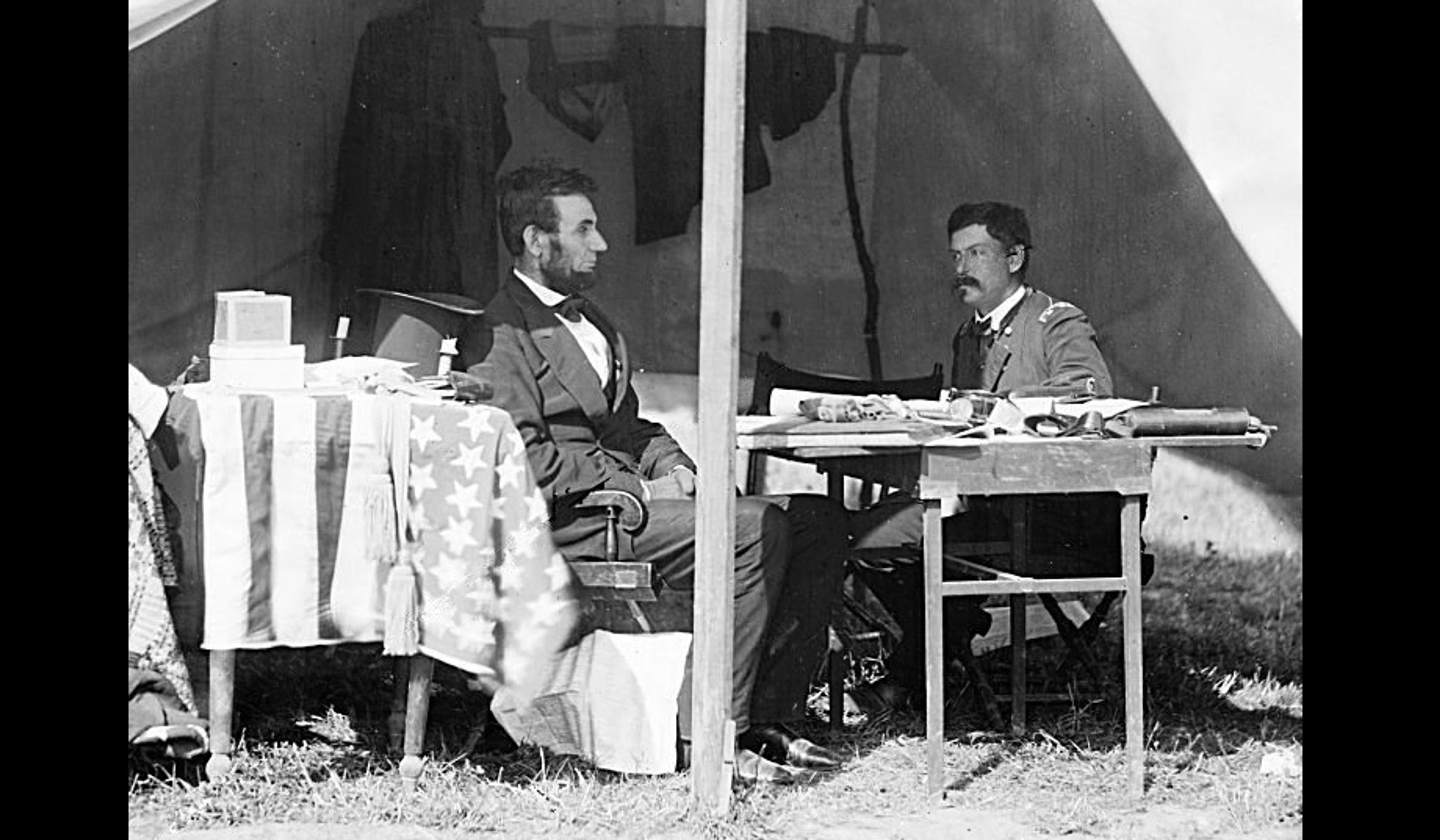
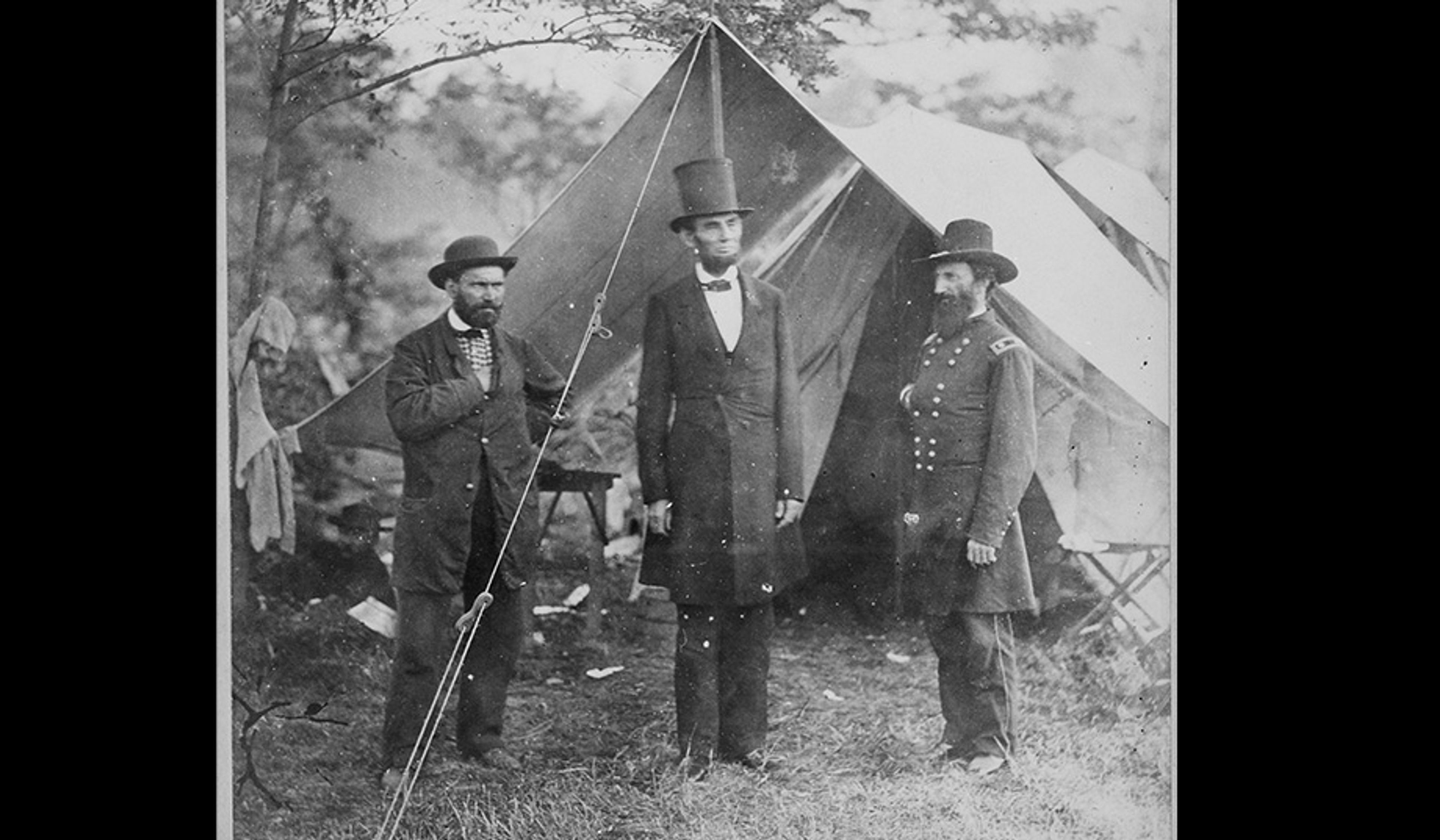
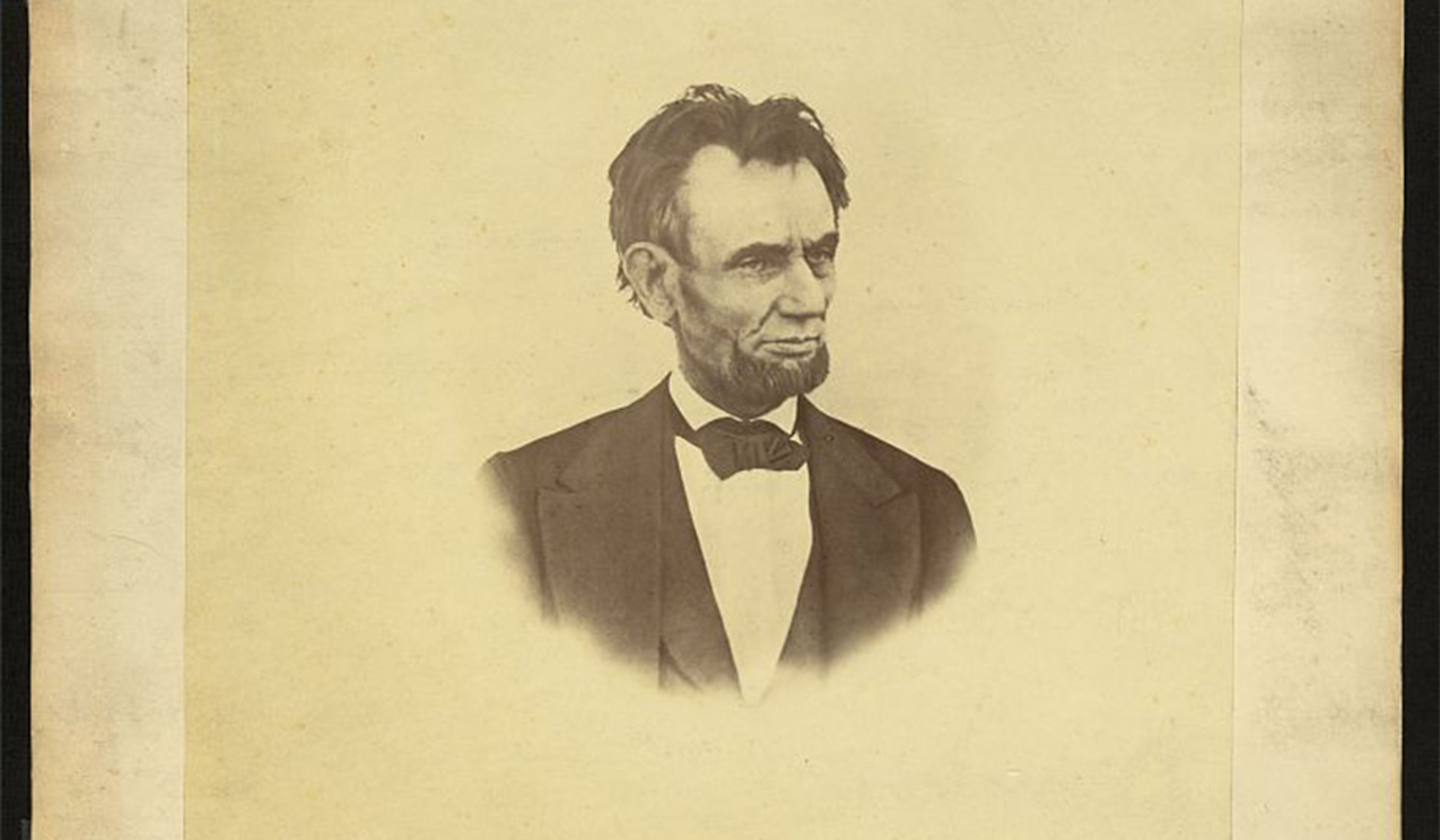
A series of standing portraits of President Lincoln taken by Mathew Brady, c. 1863.










Comments