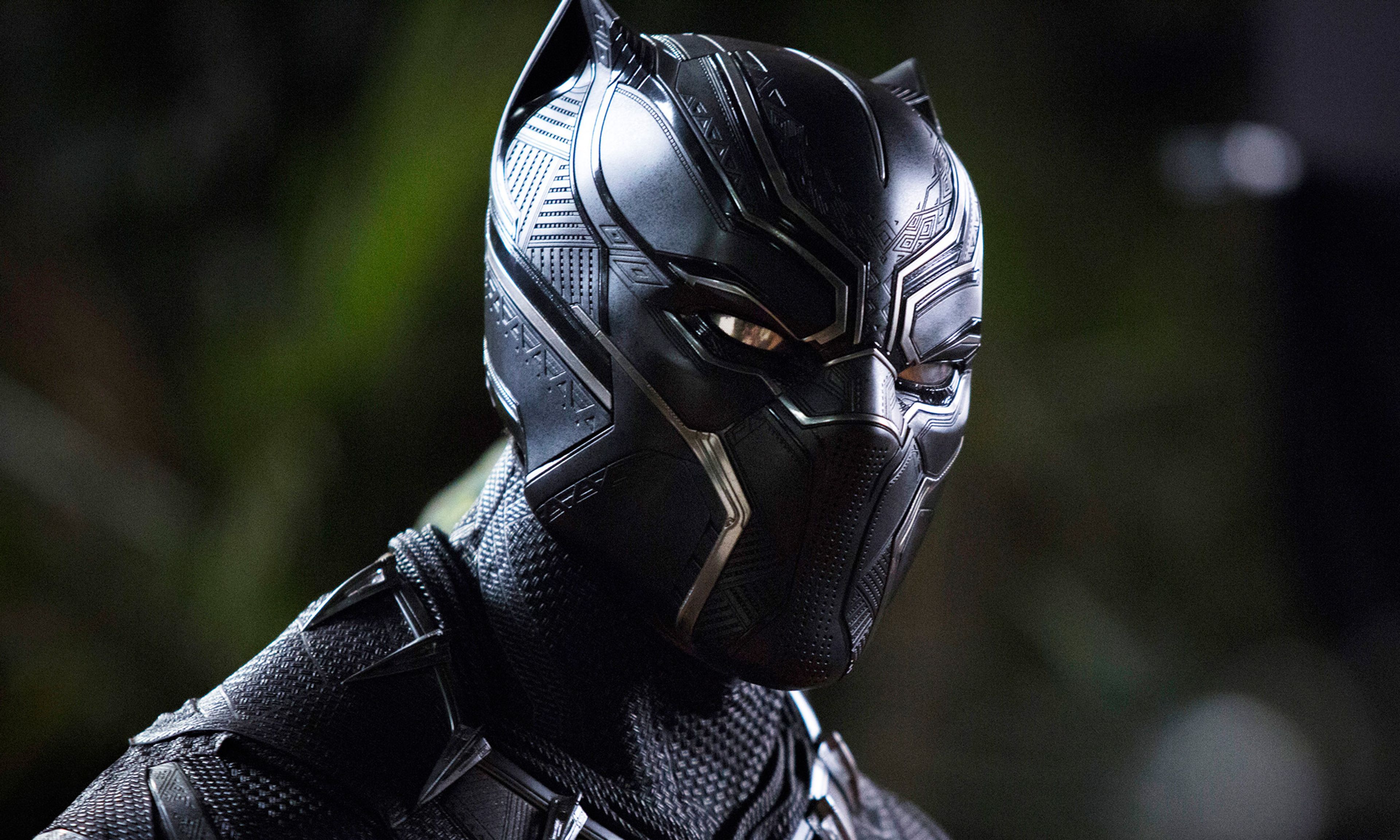
Like Wonder Woman before it, Black Panther arrived in theaters as something more than just a movie. It is a vessel for liberal piety and multicultural hope, a blockbuster attempt to effectuate the union of our era’s defining Hollywood genre, the comic-book extravaganza, with the identity-politics concerns that dominate the Trump-era Left. The fact that it is not technically the first blockbuster featuring a black superhero, as Wonder Woman was not technically the first to feature a superheroine (let alone a female action hero), is irrelevant to the excitement: What matters is that they’re the firsts of this moment, the first attempts to harness the power of Marvel and DC for the causes of anti-racism and “the future is female,” the first chance to make the superhero genre into an auxiliary of anti-Trumpism.
For conservatives inclined to be skeptical of such politically engineered Moments, the actual movies have come as something of a relief. To the extent that there were real politics in Wonder Woman (as opposed to politics just superimposed upon it), they were the neocon-hawkish “no appeasement of the Germans” sort, with some traditional romance instead of the original comic’s kinks and a star who combined a very modern vision of female physical omnicompetence with the old-fashioned virtue of being insanely hot.











Comments