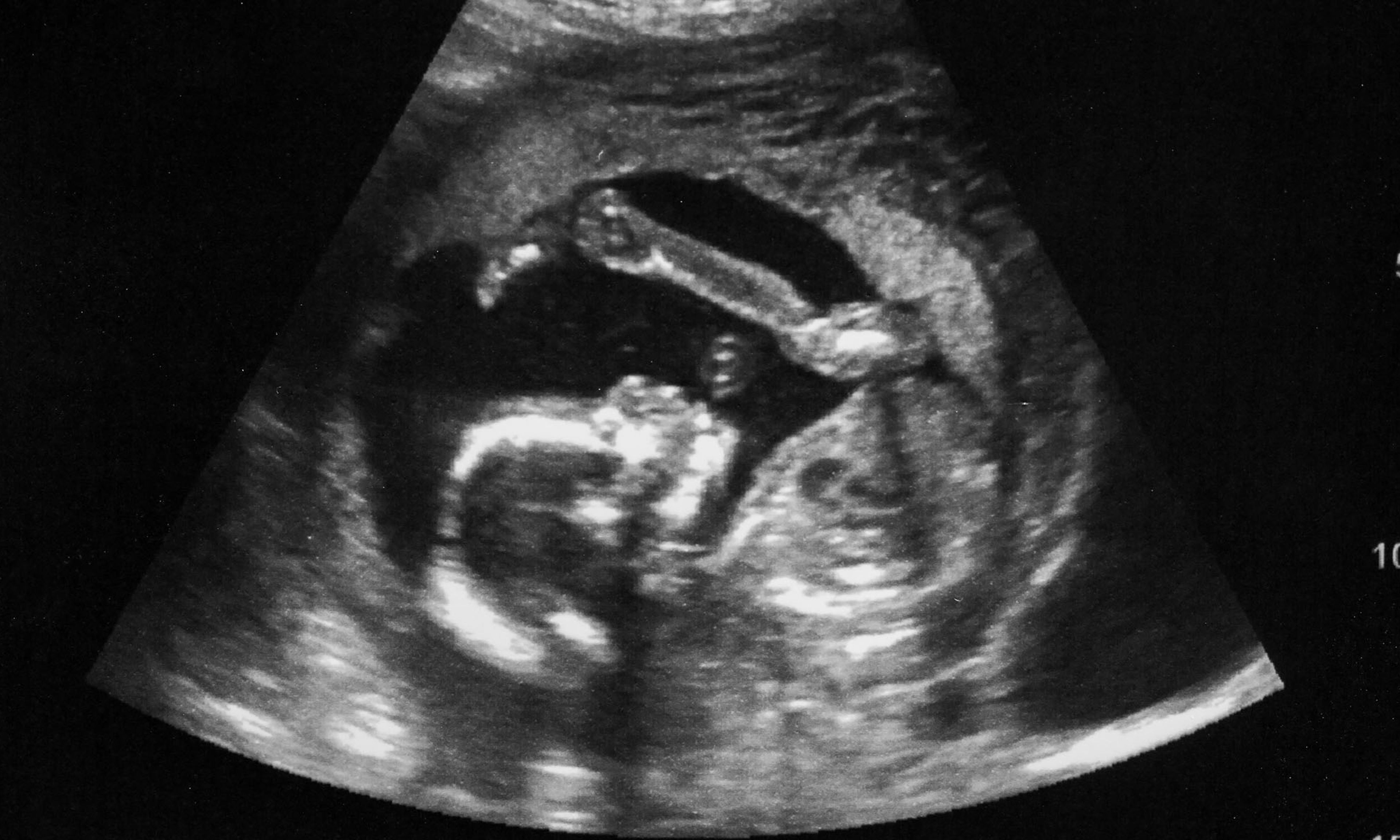
In September 2016, novelist Ian McEwan published a curious little book called “Nutshell” that re-envisioned Hamlet as a kind of 21st-century psychological thriller. Instead of a Danish prince, the protagonist is an unborn child in England — not quite an Englishman in the legal sense, but getting there. The book is full of beautiful reflections about human development at its earliest stage, narrated by the preternaturally lucid and intelligent baby. “Long ago, many weeks ago, my neural groove closed upon itself to become my spine and my many million young neurons, busy as silkworms, spun and wove from their trailing axons the gorgeous golden fabric of my first idea,” he recounts. “My eyes close nostalgically when I remember how I once drifted in my translucent body bag, floated dreamily in the bubble of my thoughts through my private ocean in slow-motion somersaults.”
McEwan is a very creative author, but passages like these bear the fingerprints of another artist: Lennart Nilsson, the Swedish photojournalist, who died on January 28 at age 94. Nilsson is credited with changing how we think about the unborn because he took the photos for a 1965 cover story in Life magazine titled “Drama of Life Before Birth.” The article included the first photograph of a living fetus in the womb, taken from one inch away with a wide-angle endoscopic camera. It is a striking, simple image, capturing the downturned head of the 15-week-old baby, surrounded by the chiaroscuro darkness of the womb. The baby’s eyes are shut. Branching networks of blood vessels are visible on eyelid and temple. A laurel of thin white hair marks an eyebrow. Faint, wavy lines on the forehead are woolly hairs called “lanugo” that cover the whole body and fall away before birth. Other images in the Life story depict the rest of the development process, from a three-and-a-half-week-old translucent curve of flesh that to the untrained eye merely suggests the human, to the ghostly visage of a 28-week-old fetus shrouded by the amnion.










Comments