
It is no wonder that the song is popular with entry-level barbershop quartets. It is easy, lively and amusing, even though the subject — jilting a pickup — is, when you think about it, Roald Dahl mean. In the home stretch the two tenors and the baritone sing, one after the other, “So goodbye . . . farewell . . . so long for-ev-er,” whereupon the bass injects a little upbeat, and all join the concluding chorus. Before one high-school concert my fellow singers unfolded the following plan. After each goodbye, they would exit one by one stage left, as if leaving the auditorium. When the bass (me) sang his cue, they would burst back for the finale. What they did instead was stay in the hallway, leaving me alone and puzzled. It was a funny bit, even though I was the butt of it.
So much for the song. Why are end-of-life farewells so important? Either heaven awaits, in which case they will shrink to ripples, far briefer than a bass’s pickup, before immeasurable bliss. If not, then everything ends. Yet biographers carefully record last words, publishers anthologize them. What, the flames already? Kiss me, Harvey. Either this wallpaper goes, or I do. Most poignant was the noblewoman who begged her guillotiner, Un moment, juste un petit moment. A moment, just a little moment. Philosophers and the faithful believe in premeditation so that the little moment may be filled with meritorious sentiments. Stoics calmly open their veins, saints tell their assembled loved ones of their composure and their confidence in Him who made them. This is supposing that the dying are unracked by nausea, fever, or insanity, or not terminated by war or interrogators, earthquakes or tempests, car crashes or burning houses.
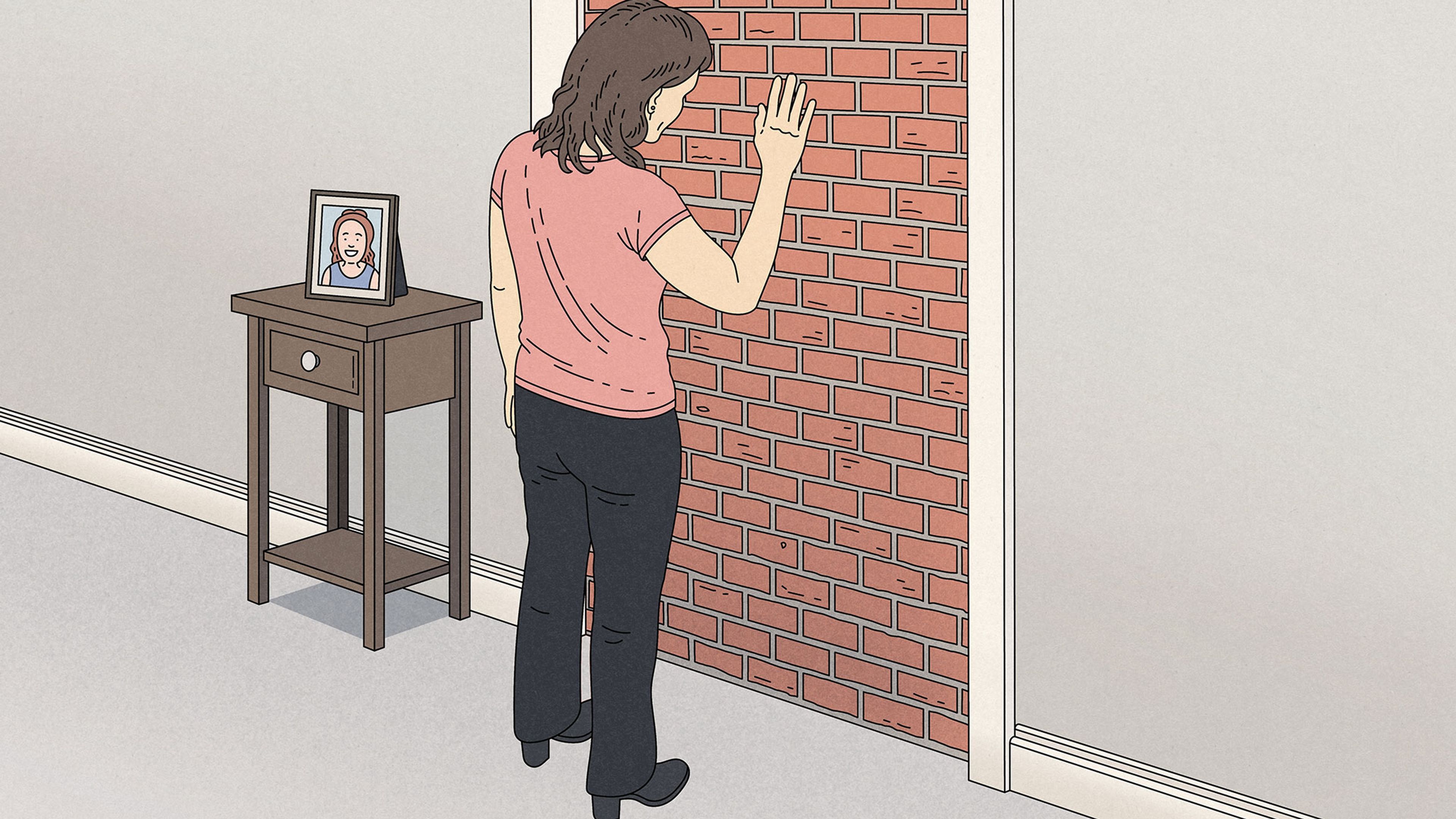
These thoughts follow the exit stage left of two friends of mine, special friends of my wife. No need to describe the relationships except to say that they were long and intimate, personal far more than professional. They leave a vivid afterimage, like the green, black, and yellow flag you see on a white surface after staring at the stars and stripes. When someone you have known for decades dies, so does that part of your own life. Gone are the occasions that only you two remembered, the punch lines that no one else now understands. The survivor suddenly becomes a stateless person, a South Vietnamese in 1976, a Saxon in 1067.
Worse for my wife was that she heard no last words because she had not been in touch with either friend for years. Illnesses had played a sundering role, but the main cause of estrangement had been estrangement itself, those interpersonal icebergs that rip holes in the strongest hulls. The fragility of friendship, like its value, is a product of adulthood. When we are kids our friends are who we know — the cohort of pint-sized neighbors and schoolmates. Looking back, you realize you did not even like some of them, but there they were, for dodgeball and duck duck goose, kids’ birthday parties and mandatory classroom exchanges of valentines. Everyone had to get one. I remember kid-size cards and/or chewable colored hearts imprinted with tiny messages. What do kids exchange now? DMs?
With age comes individuality and choice. The latter first shows itself in the most extreme forms: passionate attachments and insane exclusions, usually based on nothing at all. Were the unpopular girls actually so odious? No. The hot boys so admirable? Never. We chose them because we could, we chose badly because we knew nothing of the world, little enough of ourselves.
With age and luck we make better choices. We see the heart behind the prole or snob accoutrements, the icicle beneath the golden hair. Two acquaintances of mine bonded in college when they were standing together in a line of freshmen and one of them noted that it did not flow continuously but moved by increments. One oddball observation, followed by many more, and they were Damon and Pythias. We prize people for who they are, what they see, what they love. As time together passes, we come to prize them for what we have loved together.
And when we or they change? When a life event — children, divorce, success, failure — like the appearance of a huge, dense planet, sucks attention, bends an orbit? When an underground cavern, excavated long ago, becomes a psychological sinkhole, against which one struggles in vain, or not at all? Then we the companions, now suddenly bystanders, choose — since we are not in third grade anymore — to let even long friendships go. The embarrassed and the dishonest may offer geographical explanations for these separations — I moved to Minnesota. Sorry, the pony express has been serving Minnesota for a long time. A continent can also yawn between city neighborhoods 40 blocks apart.
So friendships can fade before friends do. Then the death of the friend annihilates even the fantasy that things might revert at last. It also highlights the wasted years that might not have gone to waste, if only . . . And what does the impartial observer — God or reflection — say of our own role in all this? Did we judge too quickly, not go the extra mile? Or were we wise because the person we had once picked and who picked us no longer existed, and the extra miles would have been endless?
The other day as we were leaving a diner a little girl in a pink jacket came through the door, shepherded by her father. She had just learned a new word. “Hello!” she said, beaming, and then, after we had returned the greeting and passed on, “Hello!” to the next person she saw. With discrimination and habit we lose the toddler’s impulse to hail everybody. We ought to keep some in reserve, though, because new friends can lie in wait. The friendships we form with them will be shorter than some old ones, because time is limited. But we should keep on the lookout, because our old friends are being winnowed.











Comments