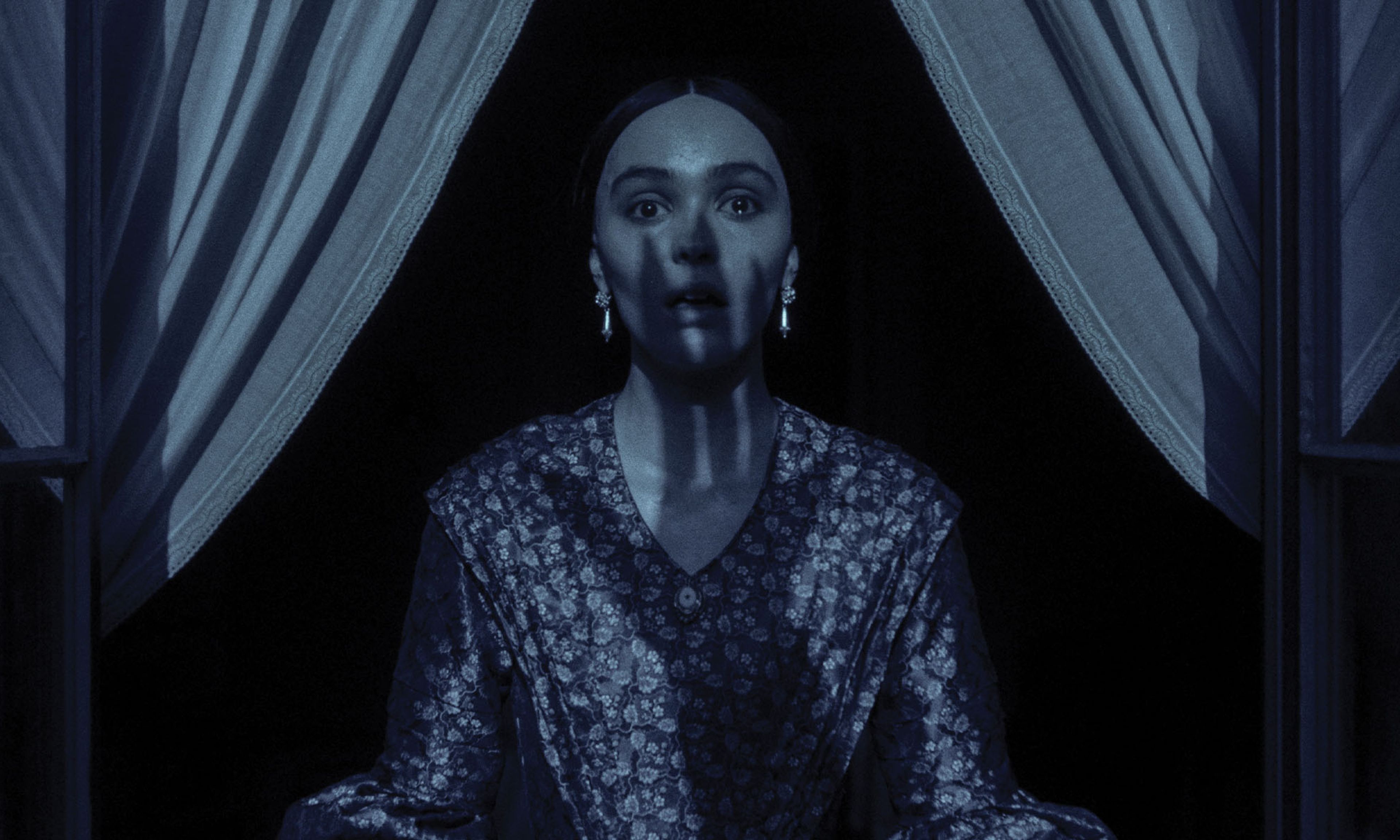
Robert Eggers is not necessarily the best of the serious directors working nowadays, but he might be the most significant, in the way that his interests and ambitions map onto our cultural terrain. America at this hour finds itself looking beyond the liberal era, peering through a glass darkly, haunted once again by the supernatural even as we anticipate extraordinary technological leaps. And Eggers more than any other major filmmaker is self-consciously trying to tell stories that cohere entirely outside the liberal weltanschauung, that reopen us to worldviews other than our own — with a movie about witches to chill a real 17th-century Puritan, or a Viking epic for actual Vikings, or now a vampire movie purged of all sexy affectations and returned to the legend’s demonic roots.
This is Nosferatu, a version of the familiar Dracula story but adapted from the 1920s F. W. Murnau silent-movie rip-off of Bram Stoker rather than from the original novel. So, like Murnau, Eggers has transplanted the tale from late-Victorian London to 1830s Germany, to the fictional city of Wisborg — a gloomy, slate gray locale, like Hamelin waiting for its piper — and given his characters Germanic names: Thomas Hutter instead of Jonathan Harker, Wilhelm Sievers instead of John Seward.
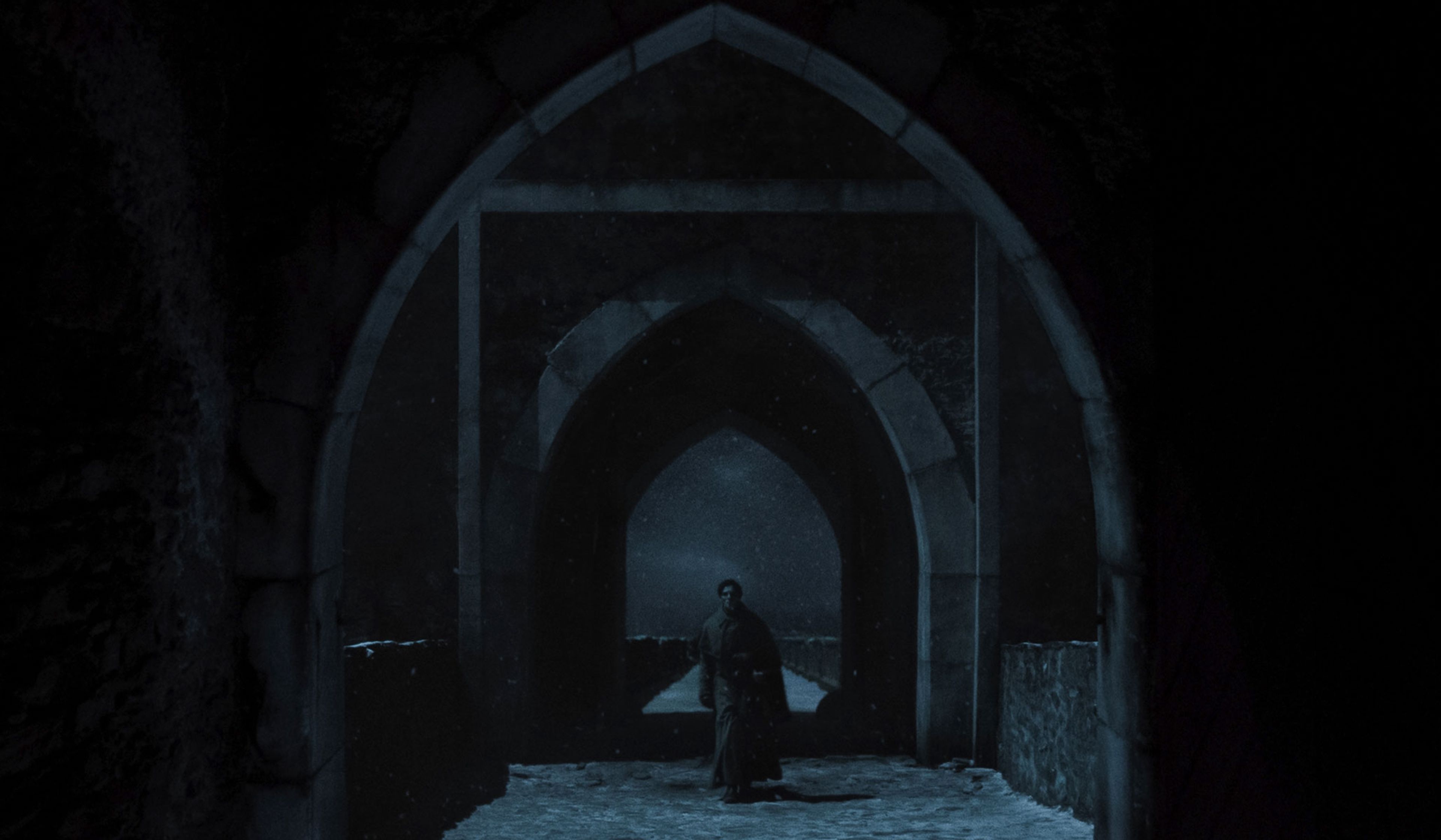
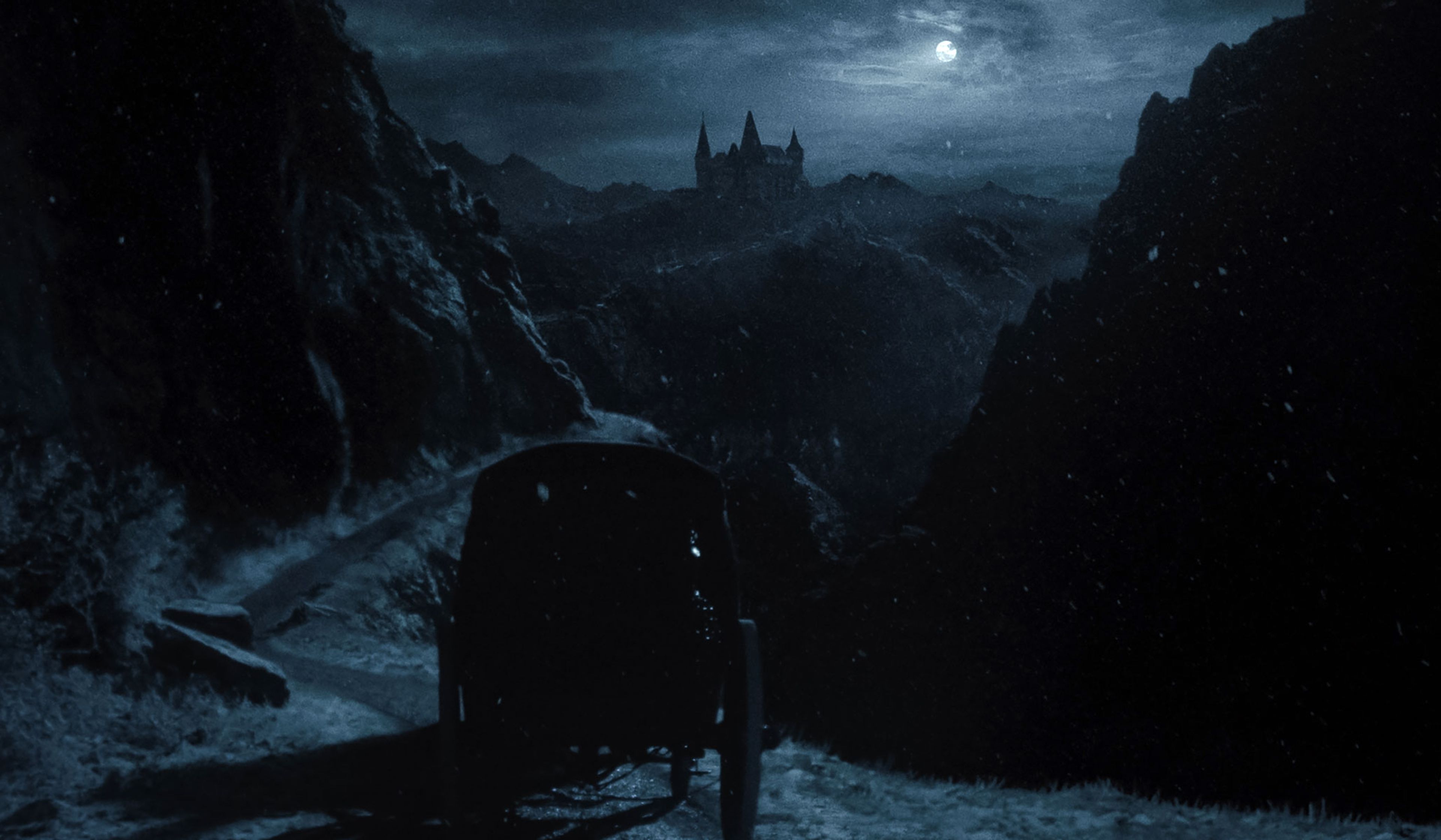
But the structure is still the familiar one. Young Hutter (Nicholas Hoult), a newly married solicitor, is dispatched to close a real estate deal with a mysterious nobleman in an obscure Carpathian kingdom, ignoring ill omens and peasant warnings along the way, and soon finds himself immured in a crumbling ruin with Count Dracula — sorry, Count Orlok (Bill Skarsgård) — taking nightly blood draws from just below his heart.
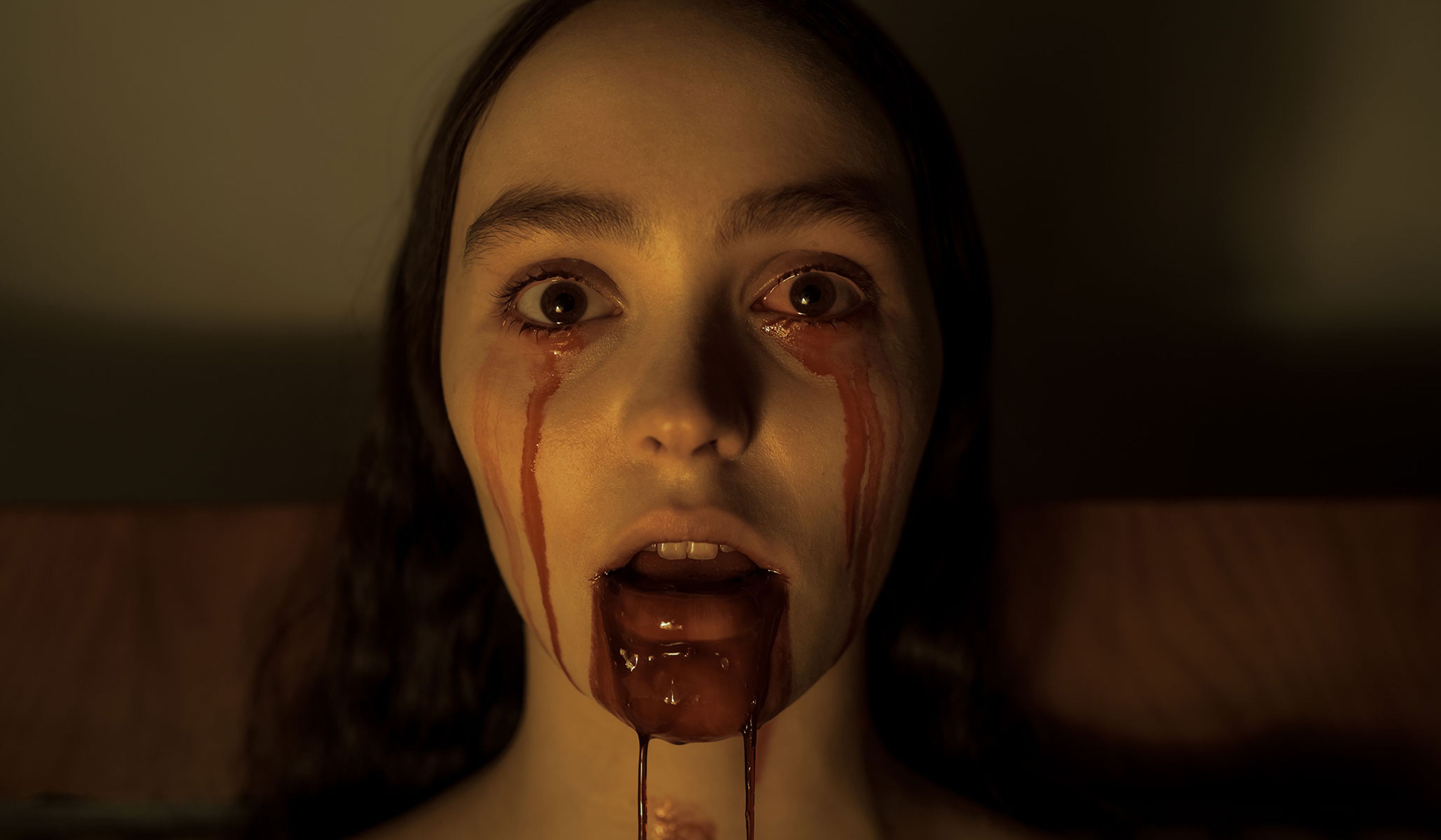
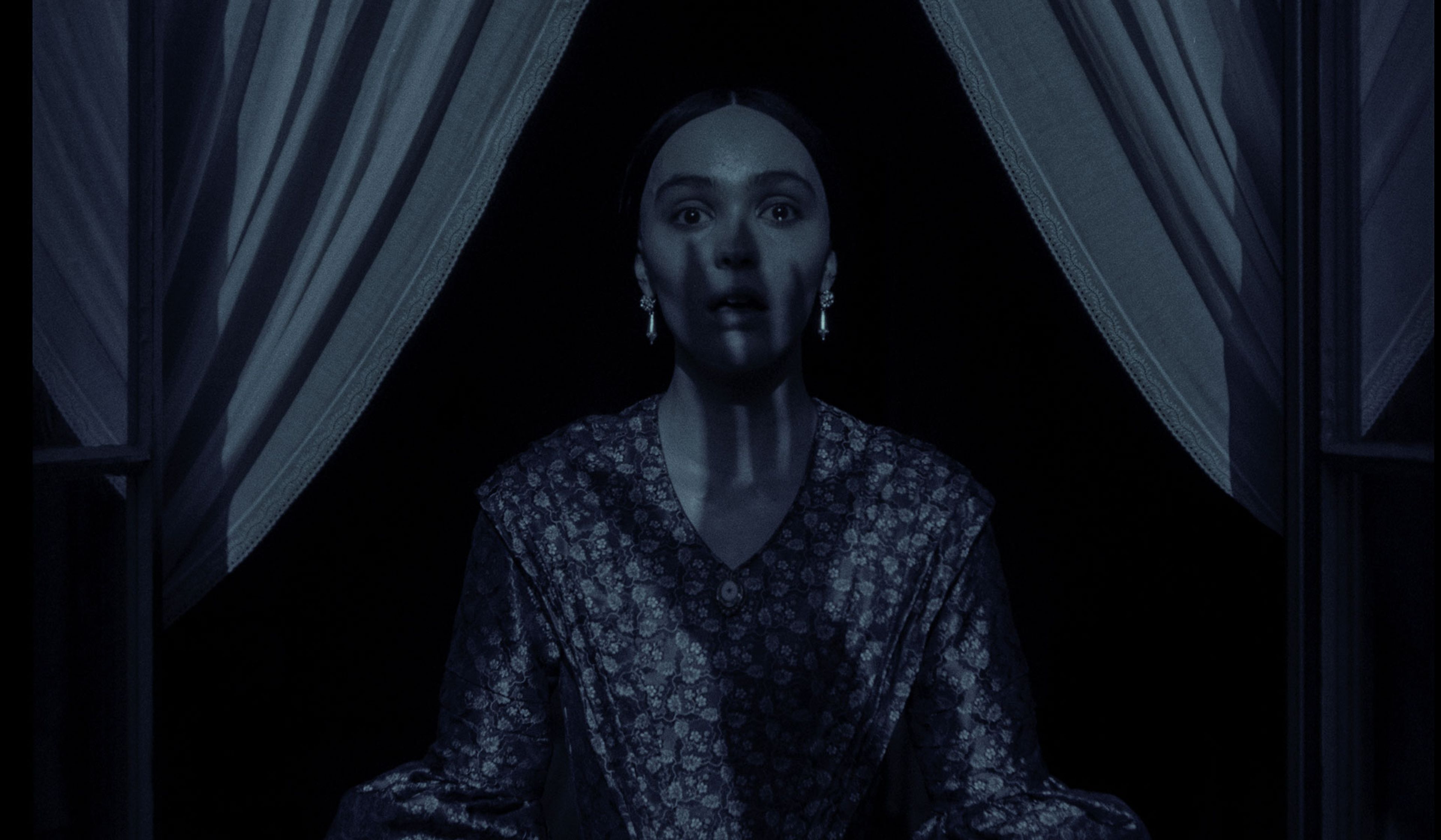
There is no suavity in this incarnation of the count: Orlok is hulking, mustachioed, his voice all grinding Slavic gears, his flesh beset by grave rot, his feeding bestial rather than a kiss. But there is passion of some sort: Orlok nurses a special desire for Hutter’s wife, Ellen (Lily-Rose Depp), a supernaturally sensitive creature who as a child, we learn, unwisely reached out into the psychic ether and may have actually awakened the count from his slumber in the Eastern European earth. Her marriage to Hutter snapped their long-distance link, but Orlok has a legalistic scheme (always read the fine print, especially when it’s written in antique Dacian!) to replace the husband with himself, once he’s made his way to Wisborg via ship and set about preying on its haplessly rationalistic denizens.
As noted, Eggers likes pre-modern settings, but the Nosferatu story is a bit different from his prior works because it includes the 19th-century version of liberal moderns as its protagonists: the drama lies in watching their illusions torn away. Here the part of re-enchanter is played by Willem Dafoe’s version of Van Helsing, Herr Doktor Albin Eberhart von Franz, who shows up to chew the scenery, rant about “the gaseous light of science,” and shout: “I have seen things in this world that would make Isaac Newton crawl back into his mother’s womb!”
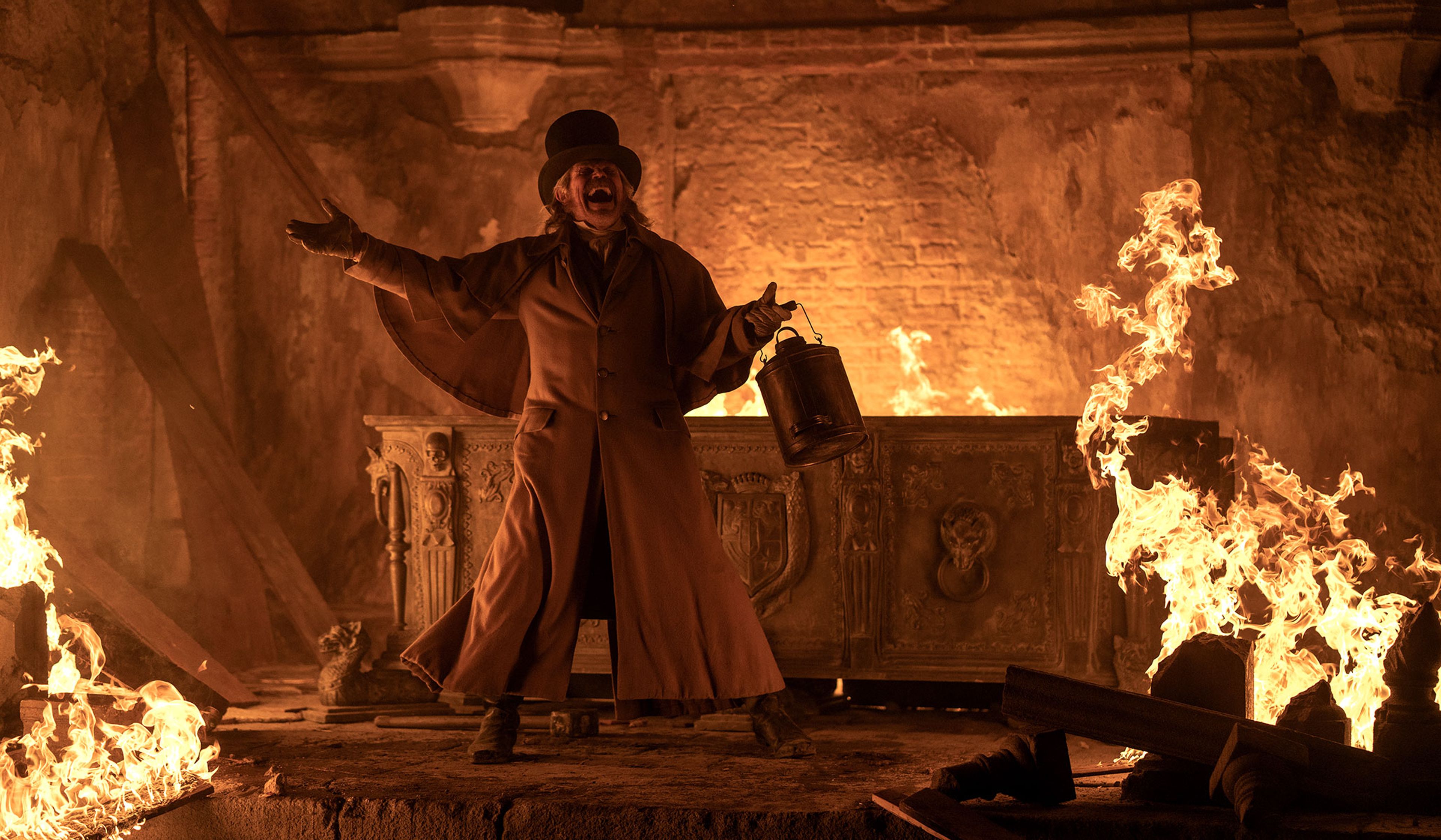
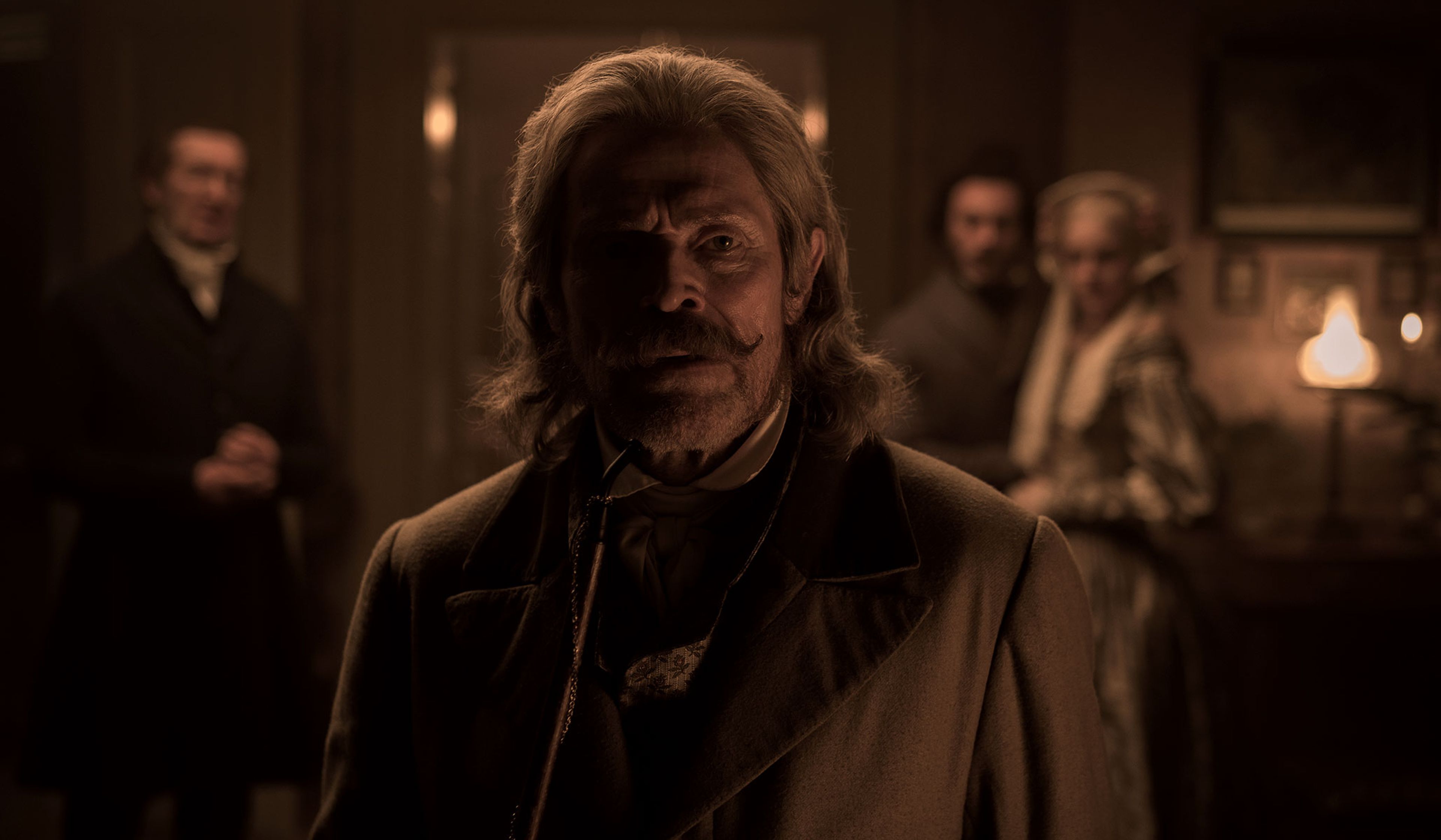
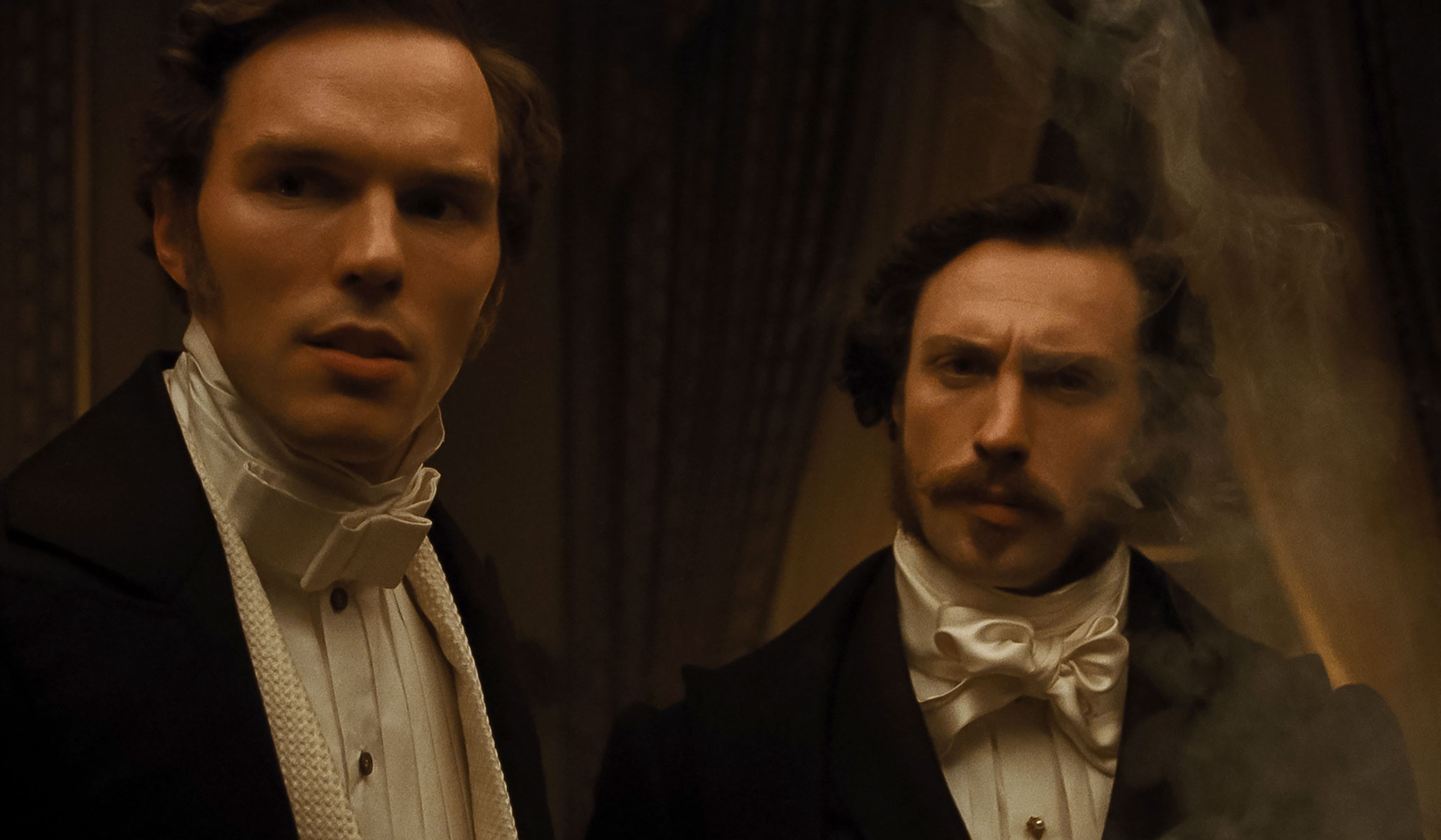
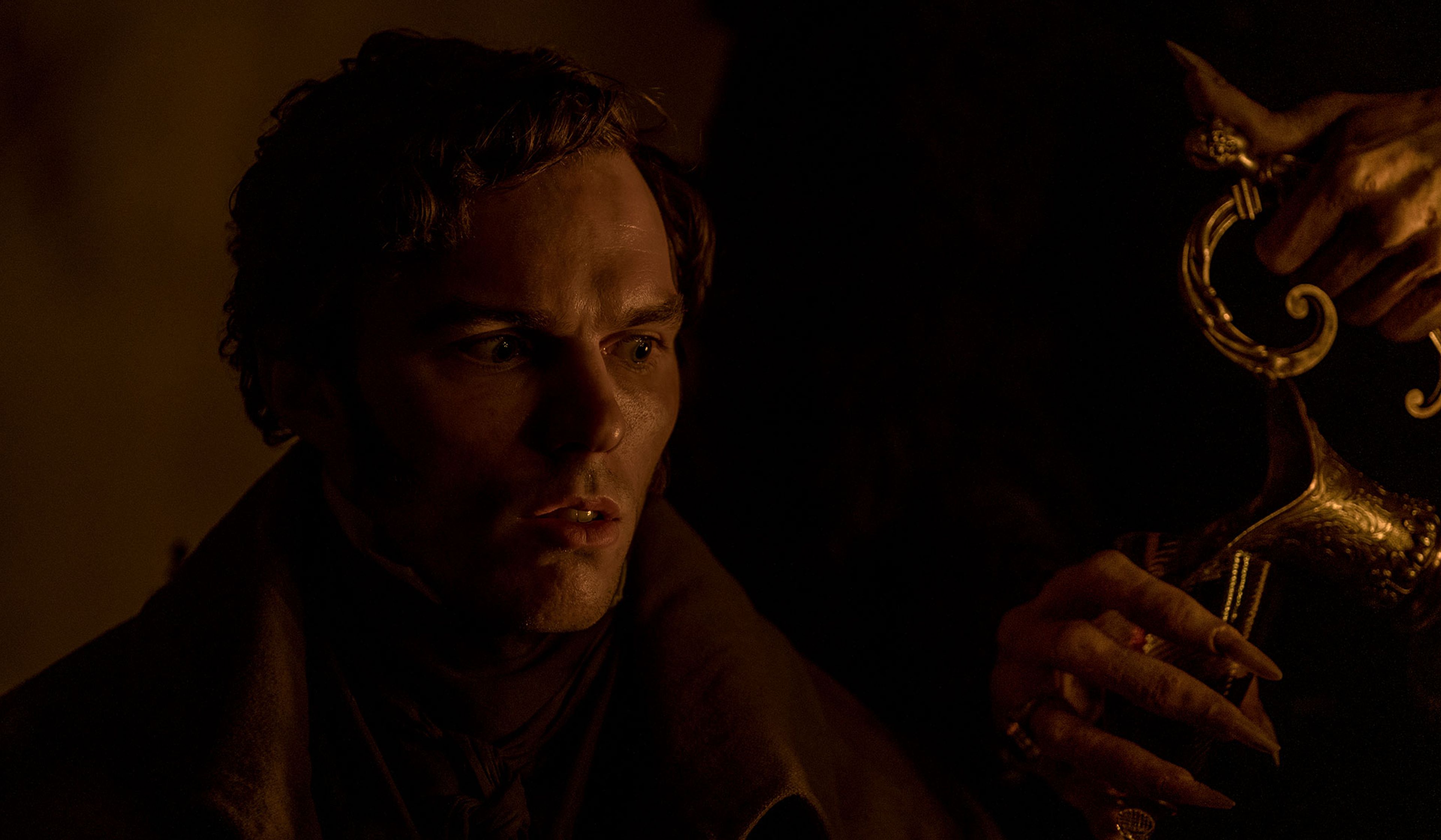
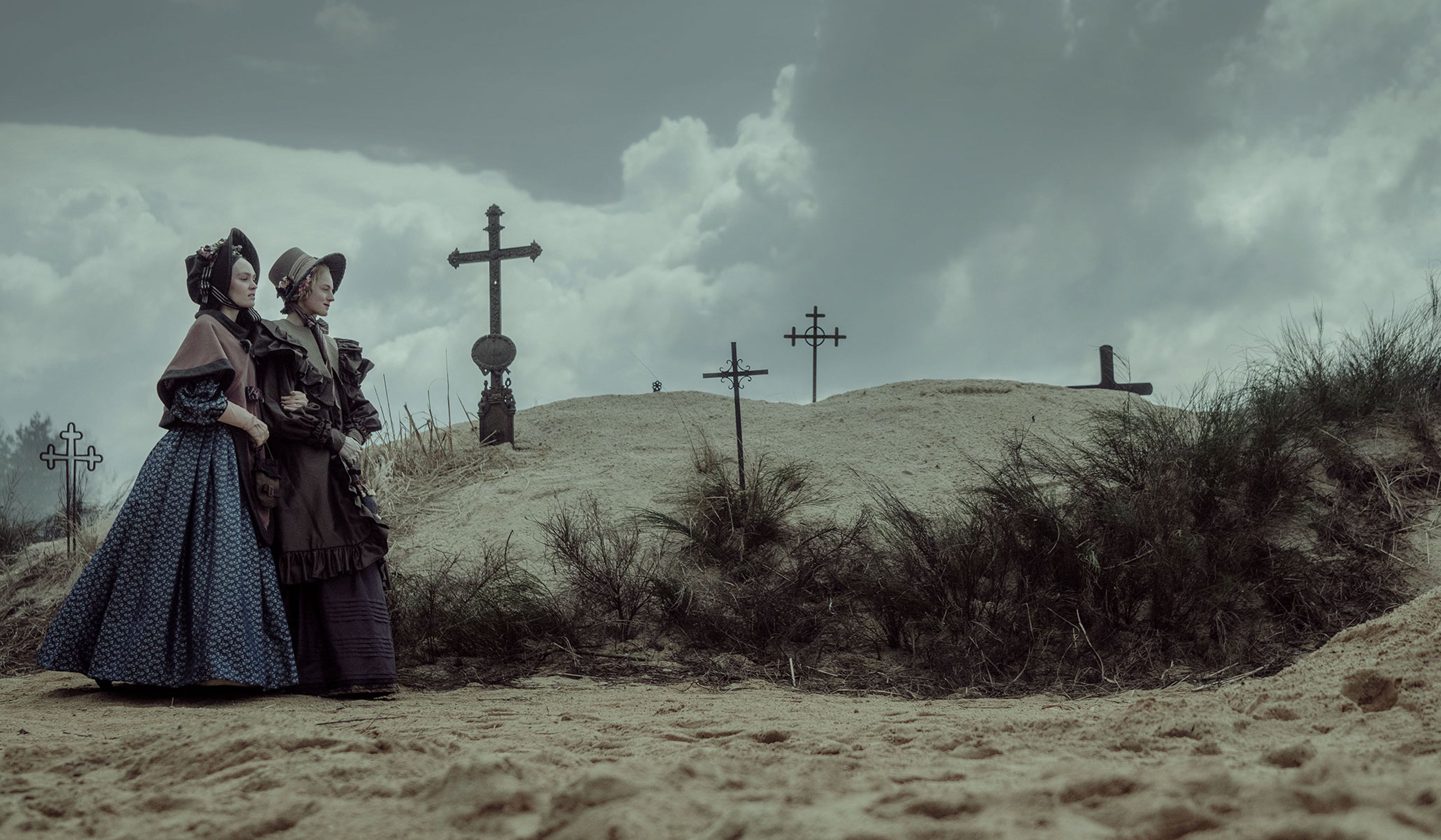
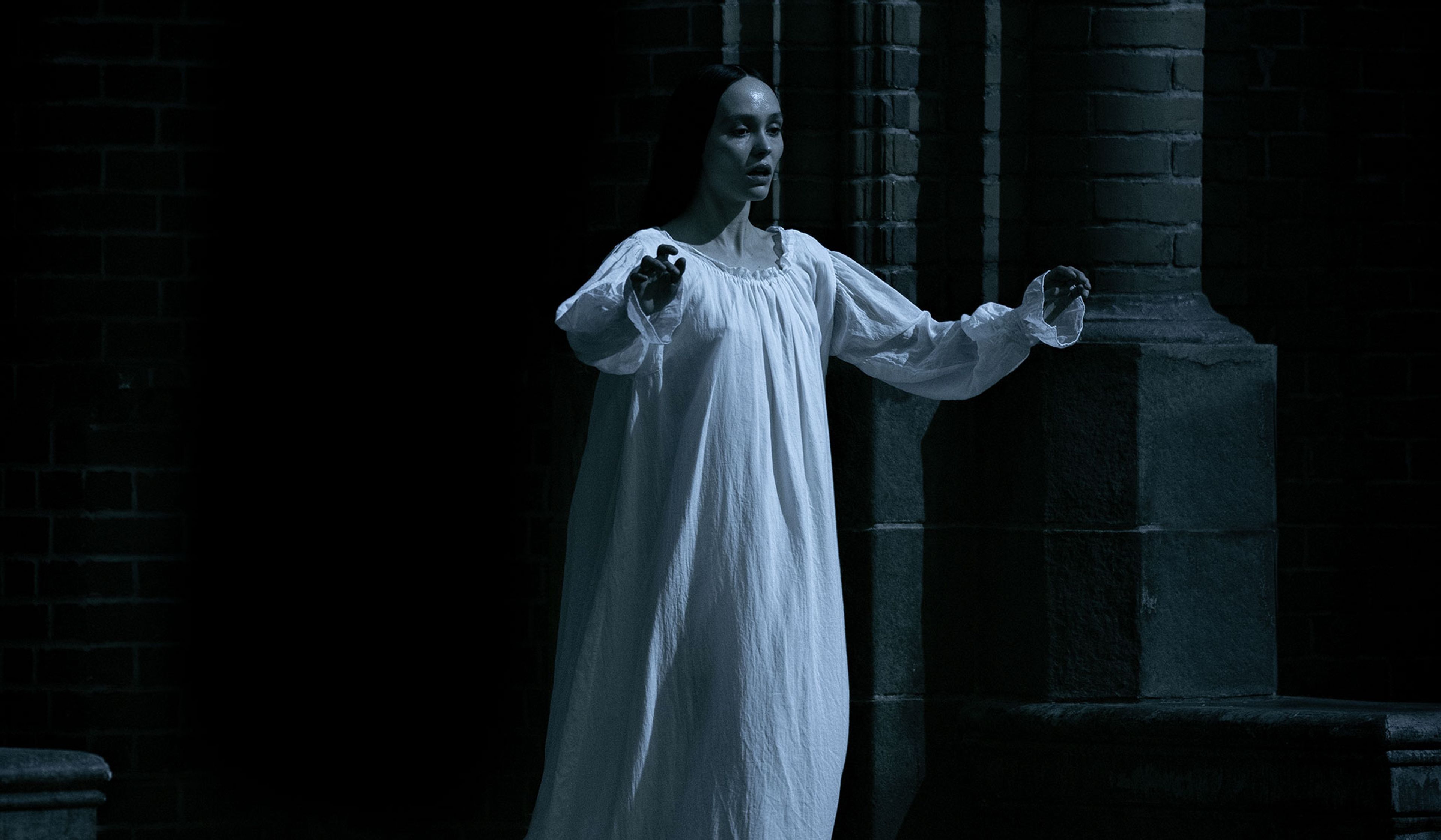
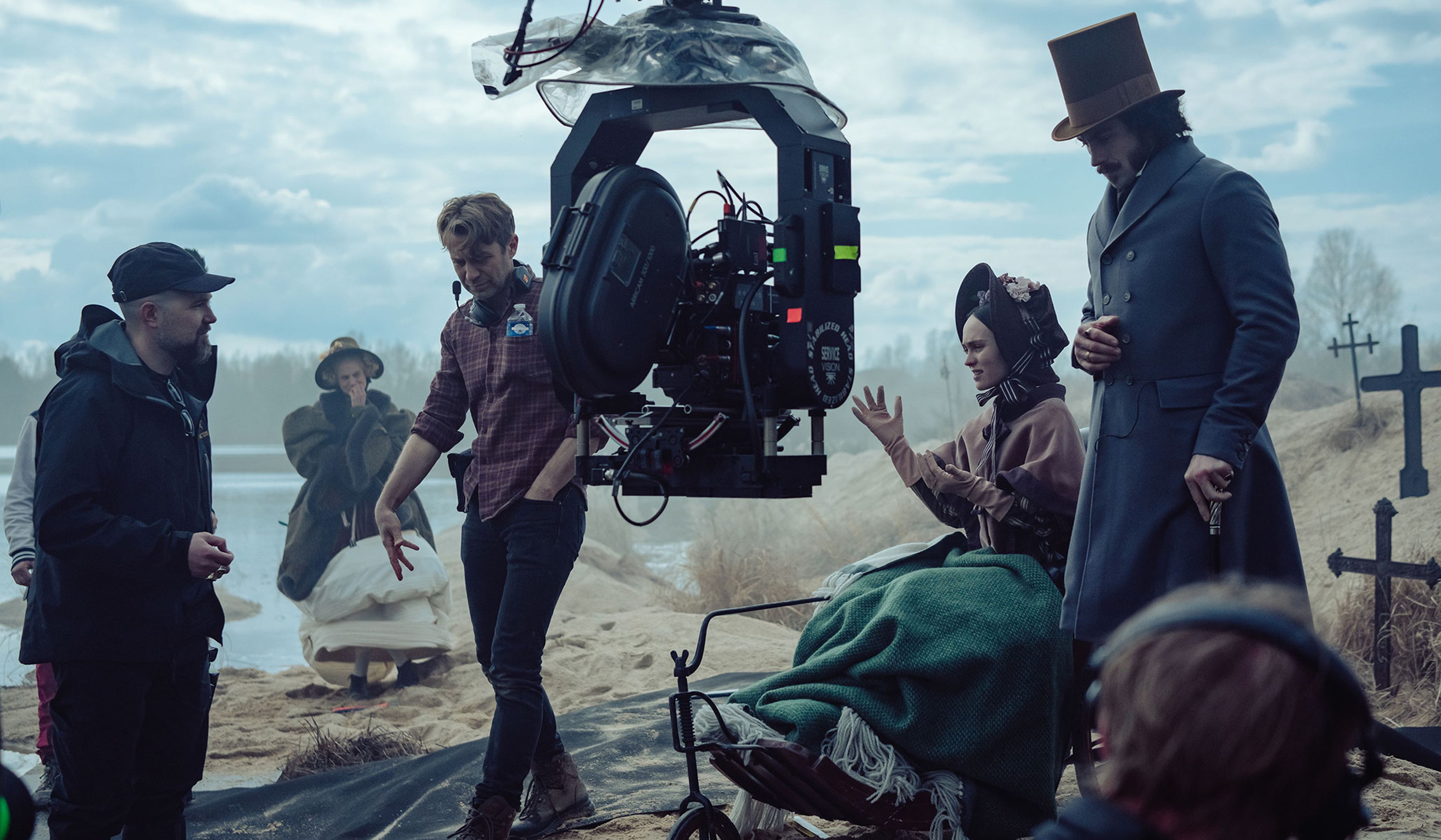
Willem Dafoe in Nosferatu
Aidan Monaghan/Focus Features
An alchemist and magician, Von Franz is determined to find some power capable of defeating Orlok, some white magic that he insists — like a Jungian avant la lettre — can be obtained only by going some way into the shadow. (“Angels and demons protect us!” he cries in one telling ejaculation.) And here we have the decisive difference between Eggers’s story and the Stoker original. Where the novel is intensely Christian, the 19th-century world of Nosferatu seems to have forgotten that Jesus Christ exists. People invoke God but not his son, nobody in Wisborg ever thinks to send for a priest or search out holy water — even though an Orthodox monastery offers protection from the vampire and nurses Hutter back to health — and Von Franz invokes angelic hierarchies and hermetic secrets but never addresses the vampire in any kind of Christian terms. (I think here Eggers does not succeed in fully inhabiting a vanished mind-set: However attenuated their liberal Protestantism, someone in 1830s Germany would have thrown the name of Jesus at the monster.)
All of this sets up an ending that is functionally pre-Christian, in which a blood sacrifice is the only way to unmake the vampiric threat. And it suggests two competing interpretations of what Eggers is up to. You could read Nosferatu as a warning about what can happen when true religion is forgotten and demons rise anew; in this reading Dafoe’s character is as much a villain as Orlok (and the movie definitely plays around with them as doubles, mirror image bearded magicians) for embracing the devil’s methods in order to fight against the dark.
Or you could read it as an endorsement of Von Franz’s hermeticism, which looks ahead to a world in which disenchantment is accomplished via syncretism instead of Christianity — with elements of different traditions jumbled up together, a new white magic for a new millennium.
Which reading you find persuasive will depend, in part, on your reaction to the ending, whether it seems meant to carry a sense of tragic necessity or a feeling of unabated horror. For me it was horror all the way down — making Nosferatu seem at once too important not to wrestle with, and too unclean to watch.











Comments