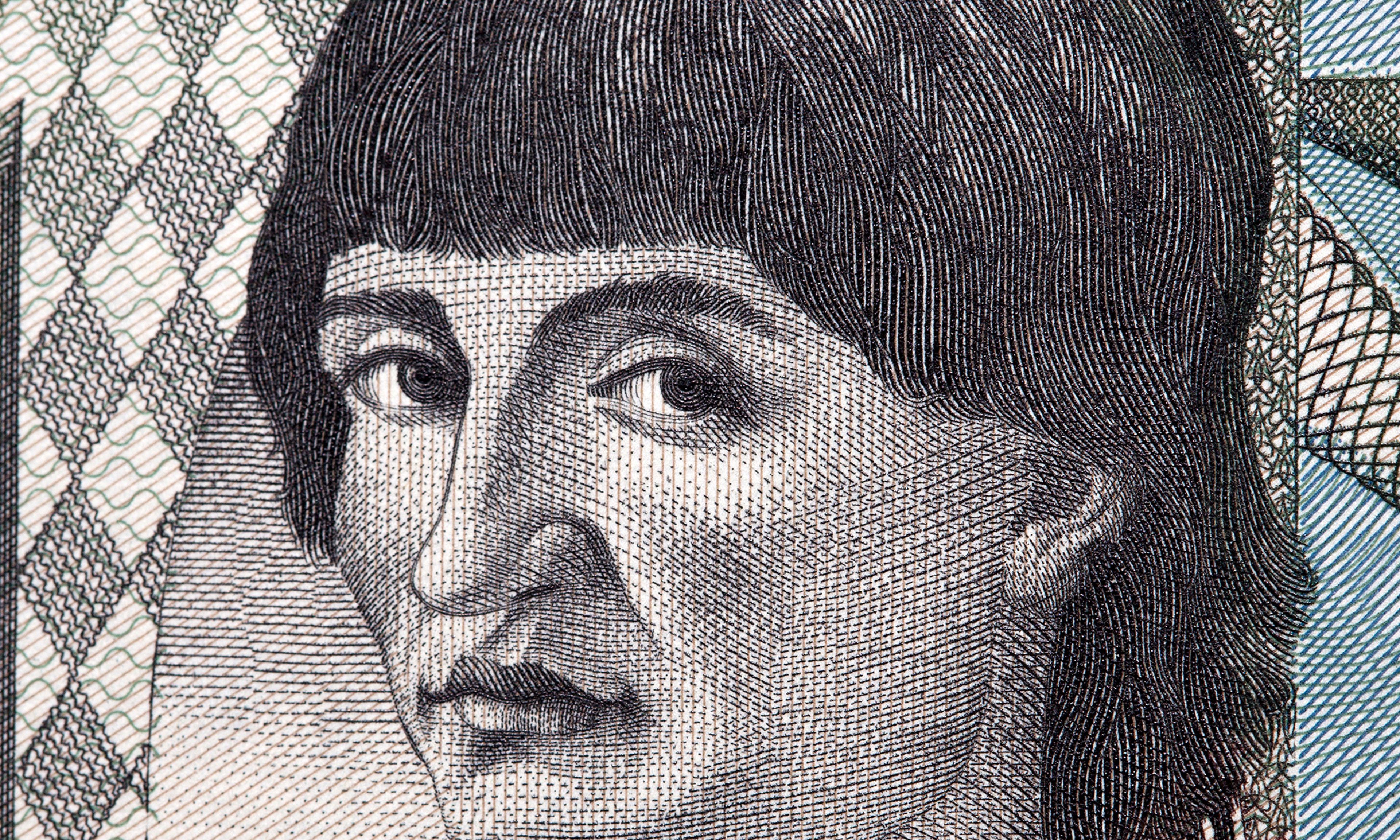
The best way to understand modern political theory is to read the primary sources. The second-best way is to read Harvey C. Mansfield’s The Rise and Fall of Rational Control (Belknap Press, 336 pp., $35). The book is based on an introductory class that Mansfield taught at Harvard every other year for more than half a century.
What’s “modern”? According to the professor, the modern idea is that man is not a political animal by nature (as the premoderns, such as Aristotle, argued). Man becomes political by necessity and by choice, using his reason to escape the tyranny of nature. This idea originated with Niccolò Machiavelli in the 15th century and, Mansfield argues, has been the basis, foil, mirror, or target of political philosophers ever since. It is in this escape from nature that Thomas Hobbes and John Locke seek a measure of liberty. “Man is born free, and everywhere he is in chains,” is how Jean-Jacques Rousseau inverts things in 1762, in the first line of The Social Contract: our manacles — our necessities — are in fact man-made and yet unshakeable. Friedrich Nietzsche then shook them. We’re now stranded with a postmodernism that cannot part with the “modern” and is incapable of defining itself.









Comments