What is the cinema of Covid-19? Presumably such a thing will eventually exist, but so far we don’t have a lot of great examples. Since the entertainment industry got back to work after its 2020 hiatus, Hollywood has mostly offered escape rather than interpretation and illumination, pushing its TV shows into a post-Covid era — this is “a fictional, post-pandemic world which represents our hopes for the future,” was how Gray’s Anatomy introduced its fall season in 2021 — even as the virus continued to circulate in this one, filming stories where life is basically normal on sets where everybody wears a mask. Of the year’s Best Picture nominees, only Don’t Look Up, with its long furious howl of “listen to the SCIENCE,” will be recognizable as an of-the-Covid-era movie 20 years from now.
One issue is that Covid restrictions are effectively anti-cinematic. Are you going to hire a famous action star and stick his face behind a mask? Make a comedy where everybody looks like Bane in The Dark Knight Rises? To the extent the pandemic engenders dramatically interesting situations, they are inherently claustrophobic: You could imagine endless variations on Sartre’s No Exit set in Brooklyn in 2020, and a few filmmakers have gone this route — though certain key examples, such as the Brazilian sci-fi film Pink Cloud or the American thriller The Woman in the Window, were actually filmed before the pandemic hit. Or alternatively, you have a case such as Mike White’s HBO miniseries The White Lotus, an unhappy-rich-people story filmed entirely on a single Hawaiian resort for Covid-19 reasons, which clearly plays as a commentary on class and race in the Covid era even though it never directly addresses the pandemic.
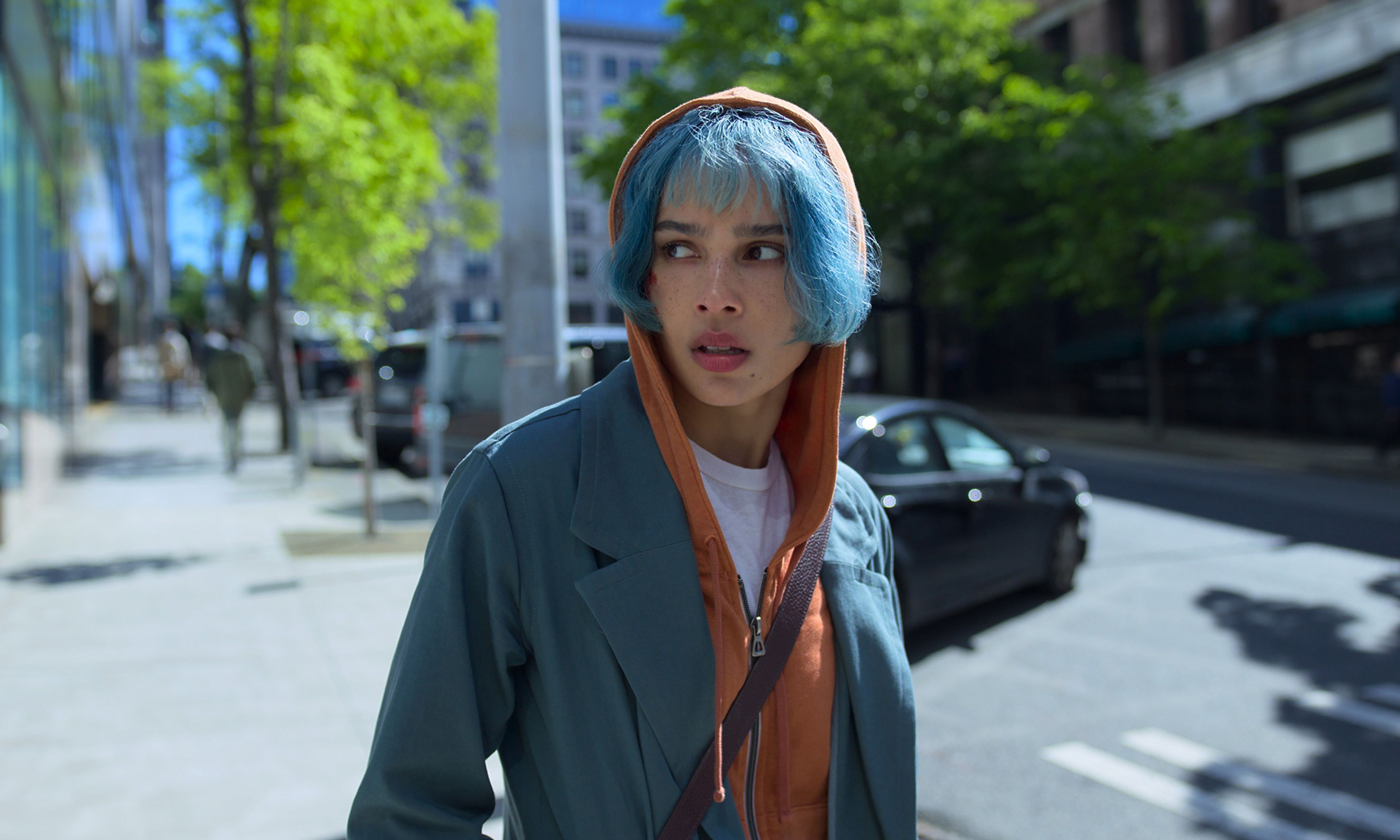
But now we have Steven Soderbergh, who made the Covid-anticipating Contagion that everyone rewatched in the spring of 2020, stepping into the ring with Kimi, a spare little Hitchcockian thriller that makes the most of its late-pandemic setting. The star is Zoë Kravitz, who plays Angela Childs, a tech worker inhabiting an expansive Seattle loft (her late father’s place, it seems; I kept thinking that maybe he died of Covid, but the movie doesn’t say), which she hasn’t left for a long time. She has a mom and a shrink and a dentist all checking in on her via video calls, a part-time lover who visits from the apartment building across the street, and a carefully curated Instagram feed in which she pretends to visit local hot spots. But some combination of personal trauma, agoraphobia, and pandemic paranoia has kept her stuck in permanent lockdown, looking down as people in masks circulate around the food truck every morning, unable even to make it to the dentist’s office to get her toothache checked.
Fortunately she has one of those laptop-class jobs where you never have to go outside: She works for a company that makes an Alexa-style product, the titular “Kimi,” and her job is to listen to communication errors and correct them — this supposedly being the product’s competitive advantage, that it has real human beings fixing its bugs and not just algorithms. But being a real human being, Angela notices when one of the recordings of a communication error between a Kimi and its owner seems to capture an act of violence. And when she somewhat naïvely reports it up her company’s chain of command, she ends up quickly entangled in an extremely life-threatening situation.
The details of that situation do not entirely hang together, and in general the movie is more committed to its pandemic-era vibes than to perfect plausibility. (You may find yourself asking, for instance, why the head of a big-time tech company headed for an IPO is stuck doing important Zoom calls from inside his crowded suburban garage like some ordinary middle manager.) But as an exercise in capturing those creepy vibes — the masks, the life lived on screens, the spread of surveillance — the movie is a great success, both in its locked-down Rear Window phase and once it gets Angela out of the apartment and sends her scurrying, her face hidden, through a dystopian Seattle.
It’s also a success in simply being taut and spare and propulsive, zipping past its implausibilities and wrapping everything up in 90 minutes flat, with a grisly, blackly comic final sequence that has just a touch of the Coen brothers. Kimi doesn’t have all that much that’s original or daring to say about the pandemic era, in the end, but that’s okay — it’s here to bear witness, capture a mood, turn it to Hitchcockian purposes, kill some people, and go home. The great, era-defining coronavirus movie this definitely isn’t. But sometimes getting the vibe right is enough.
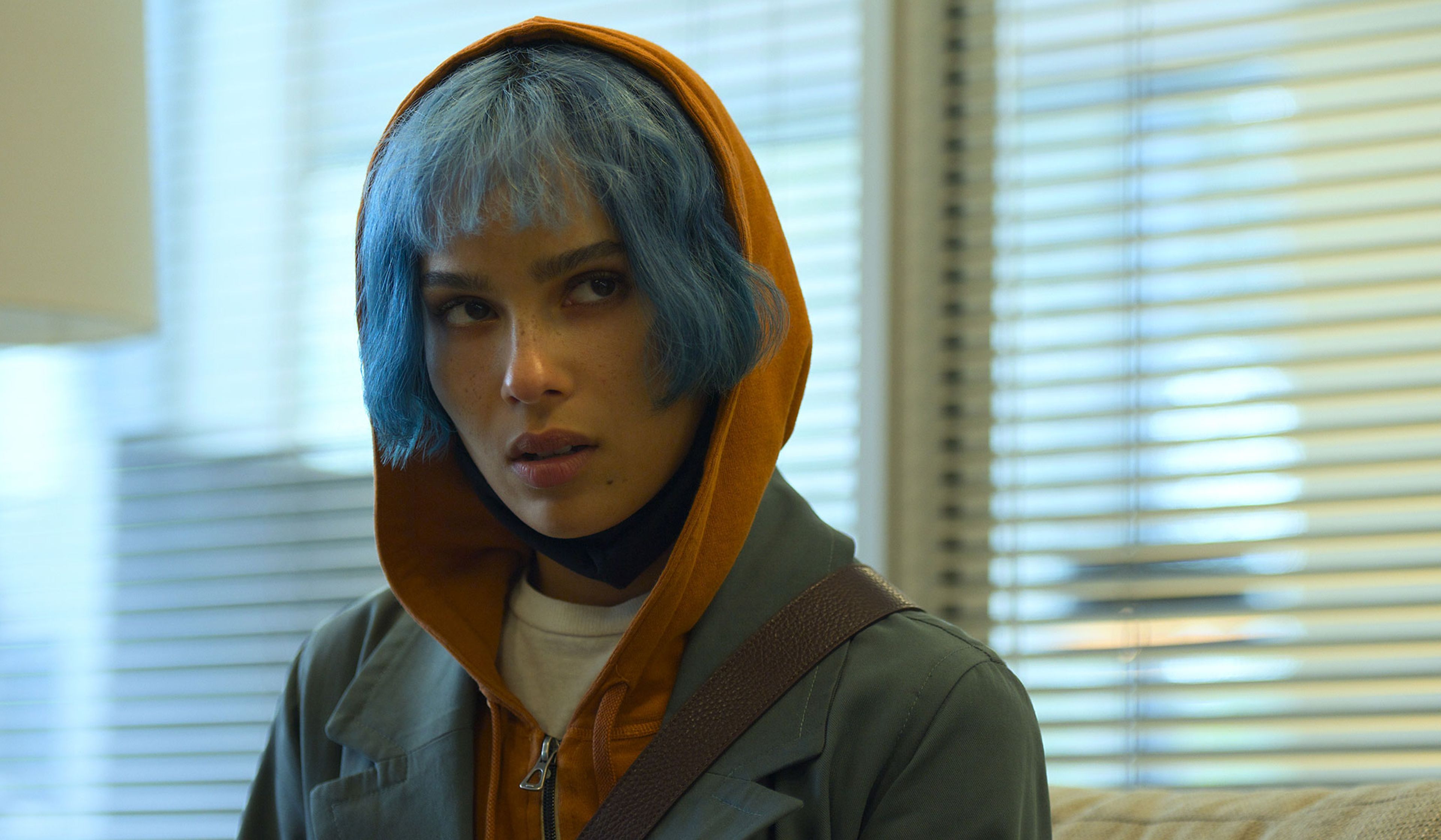
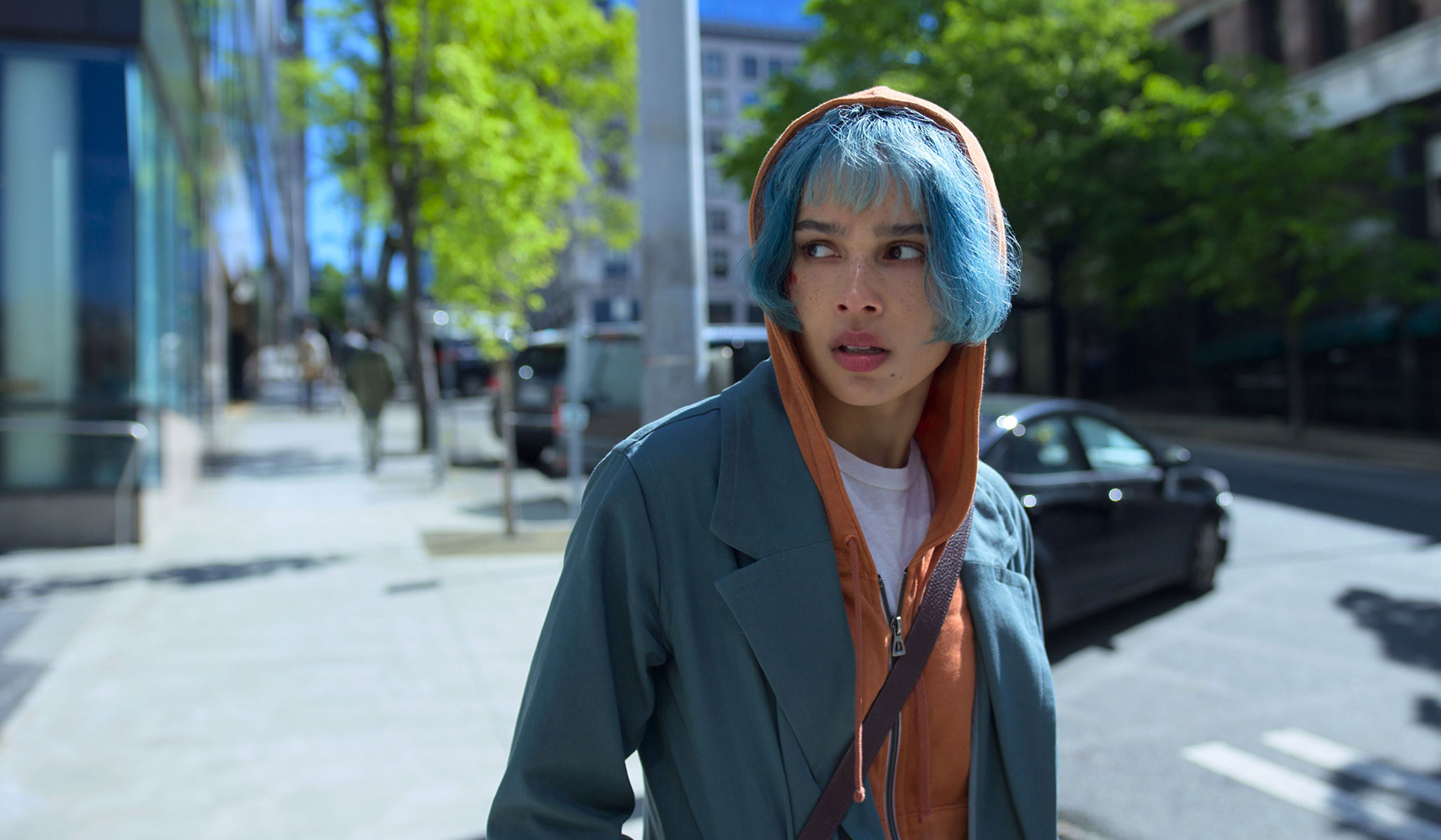
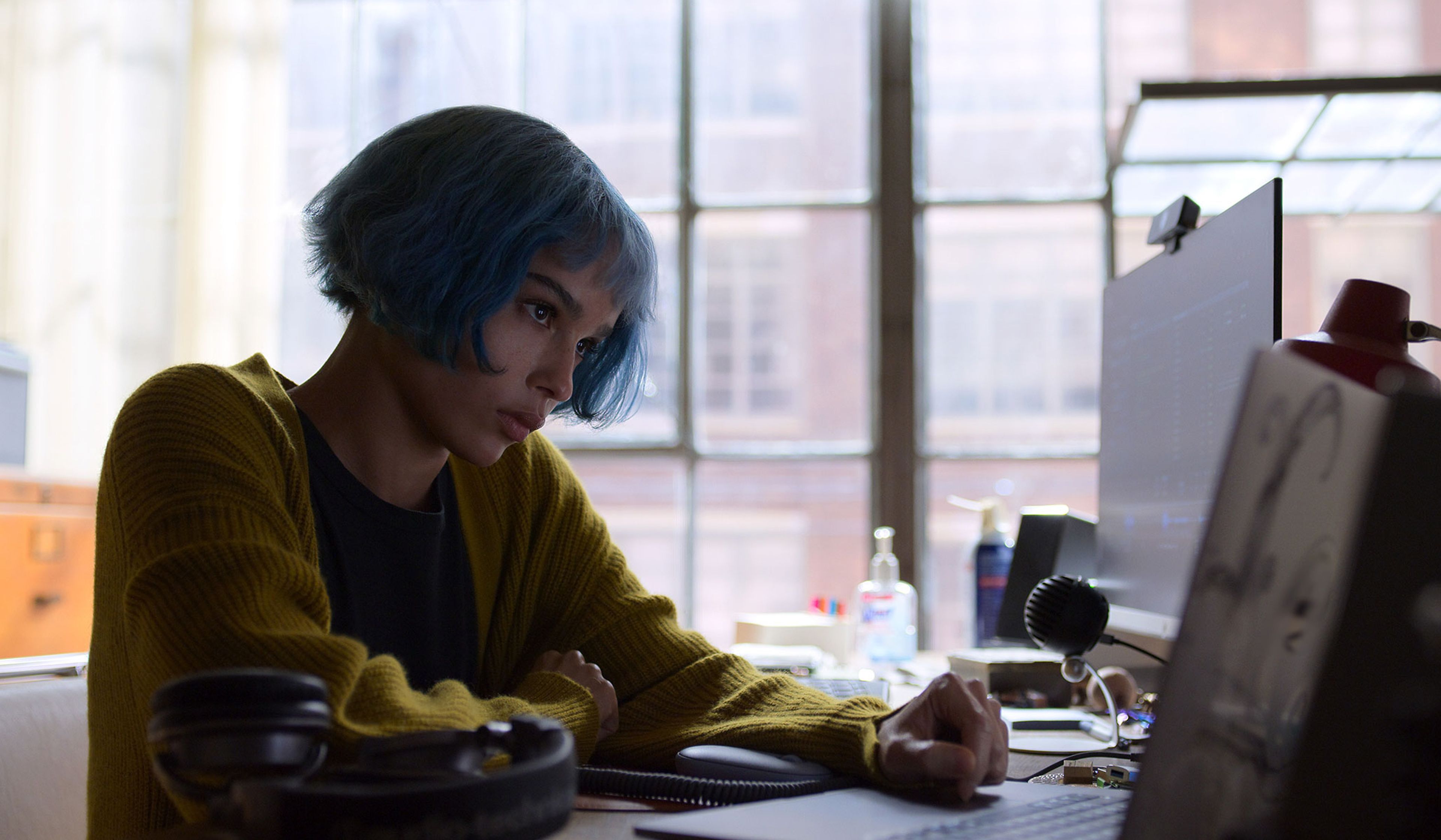
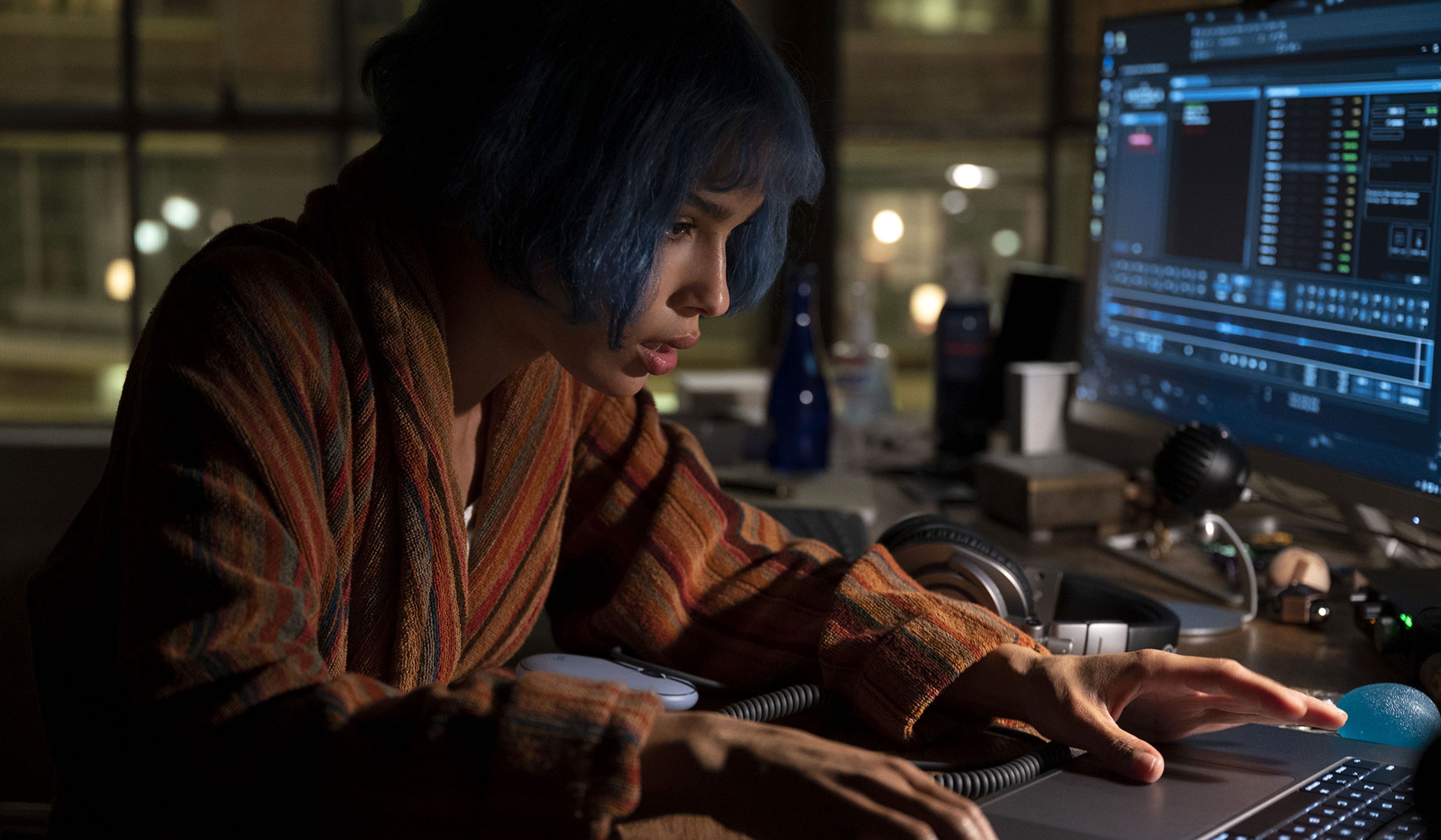
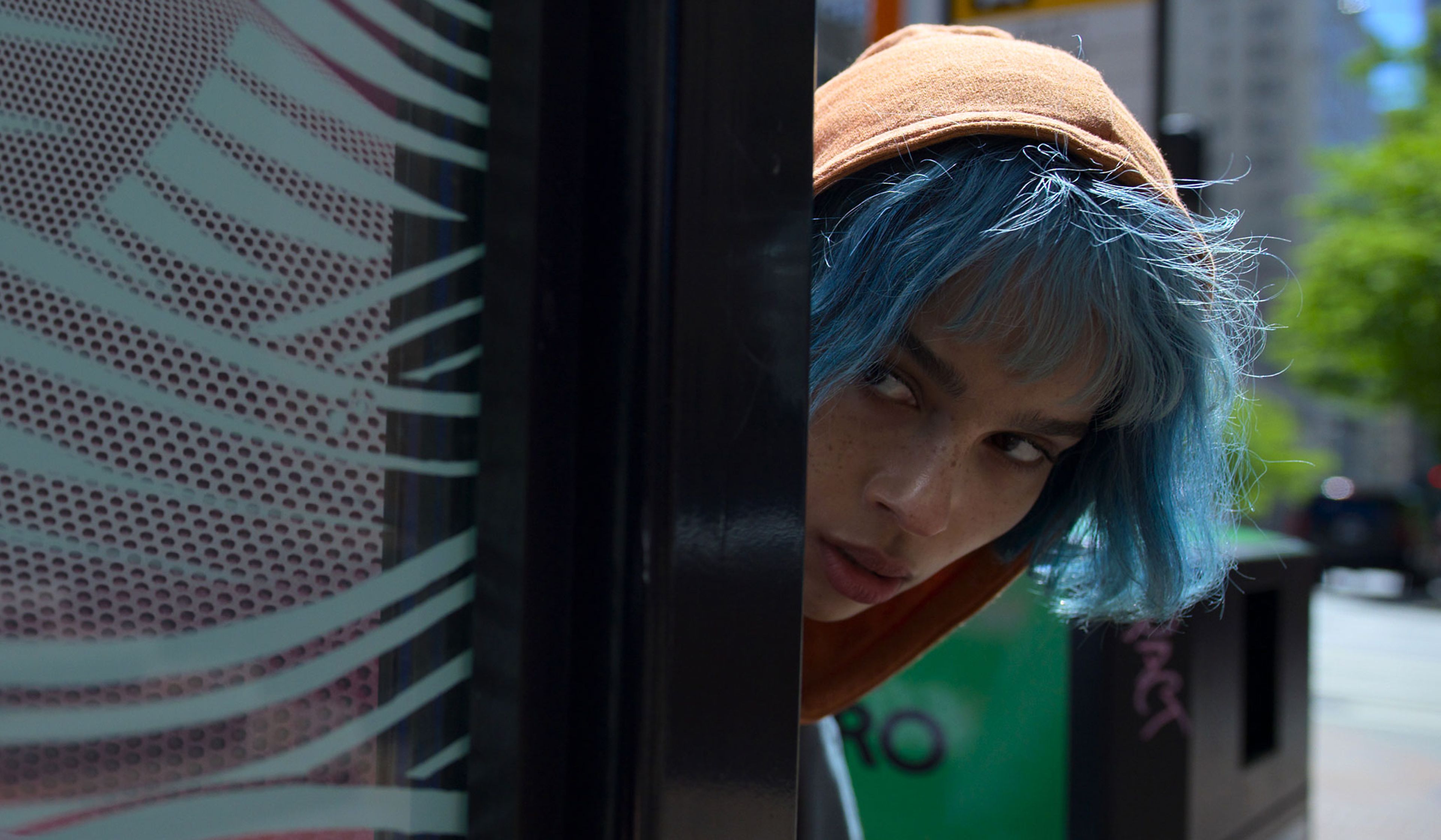
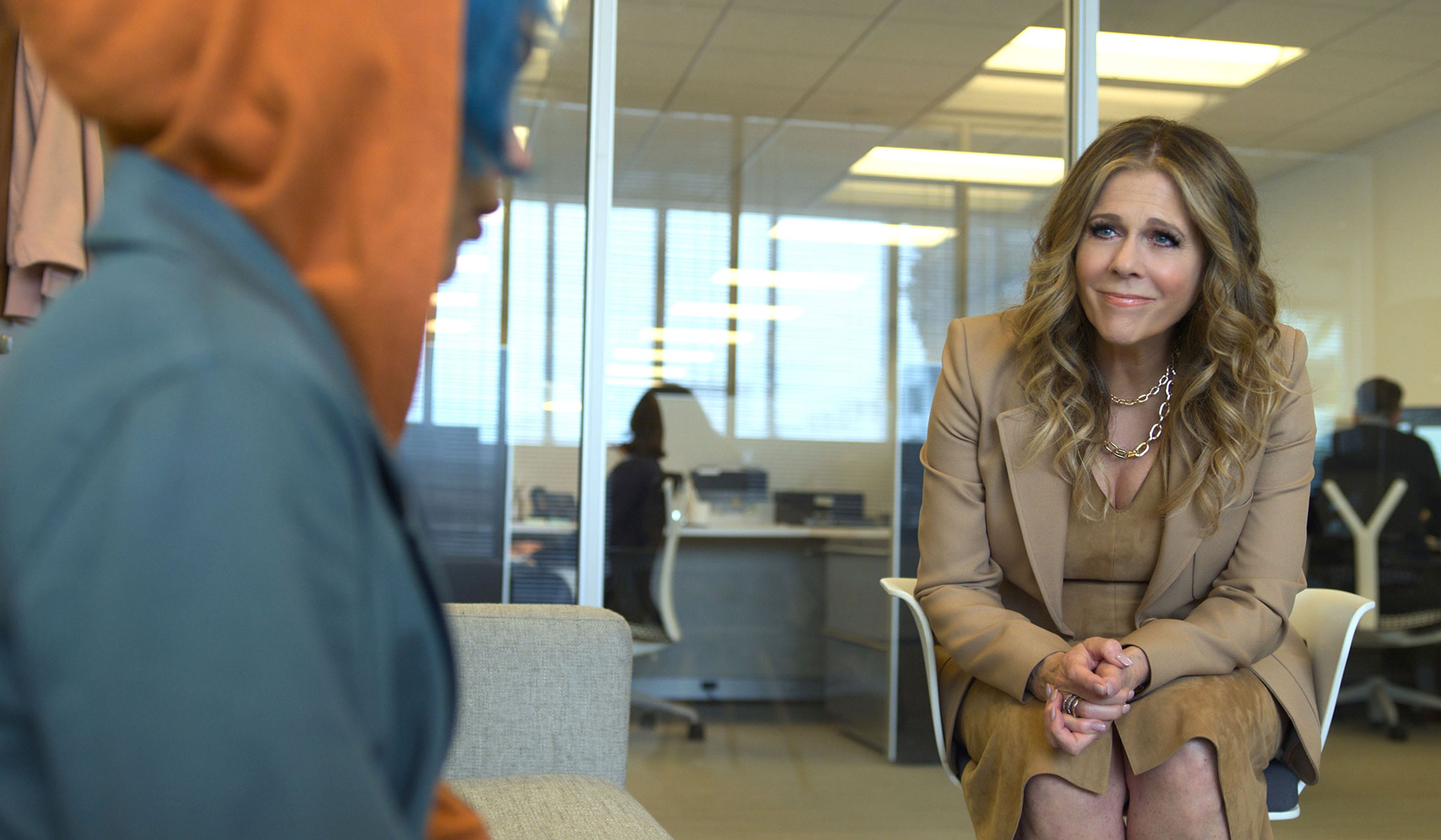
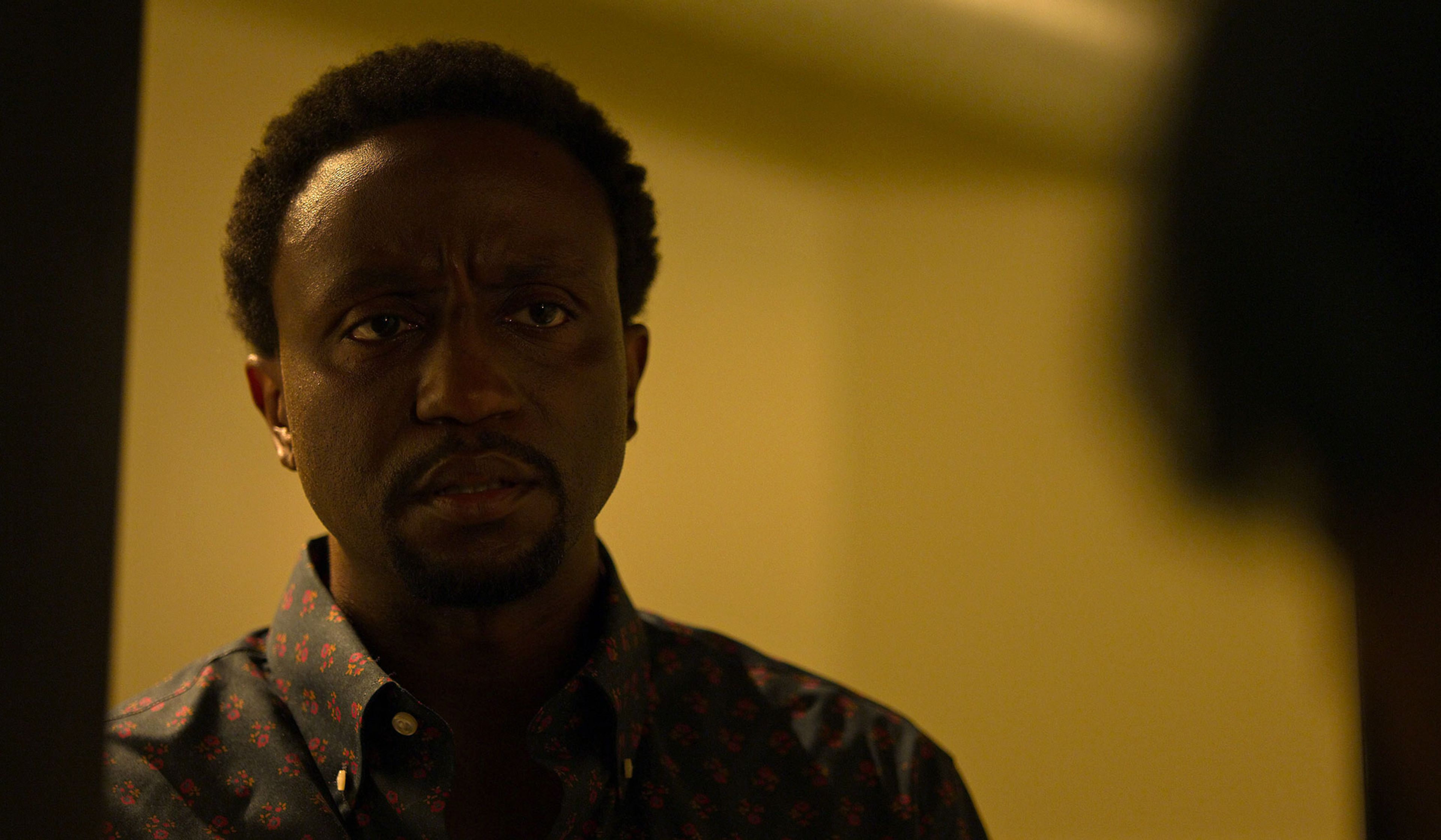
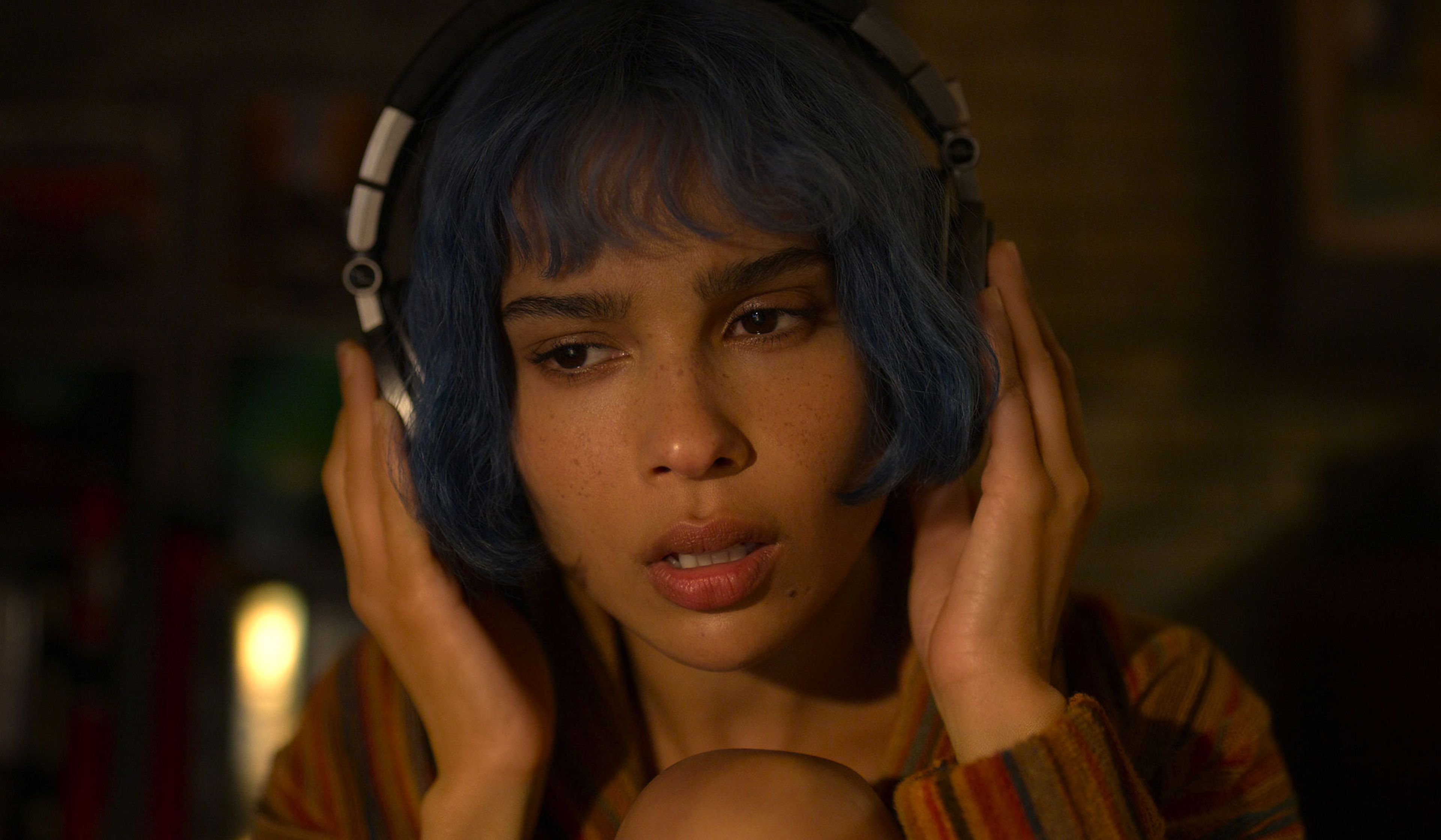
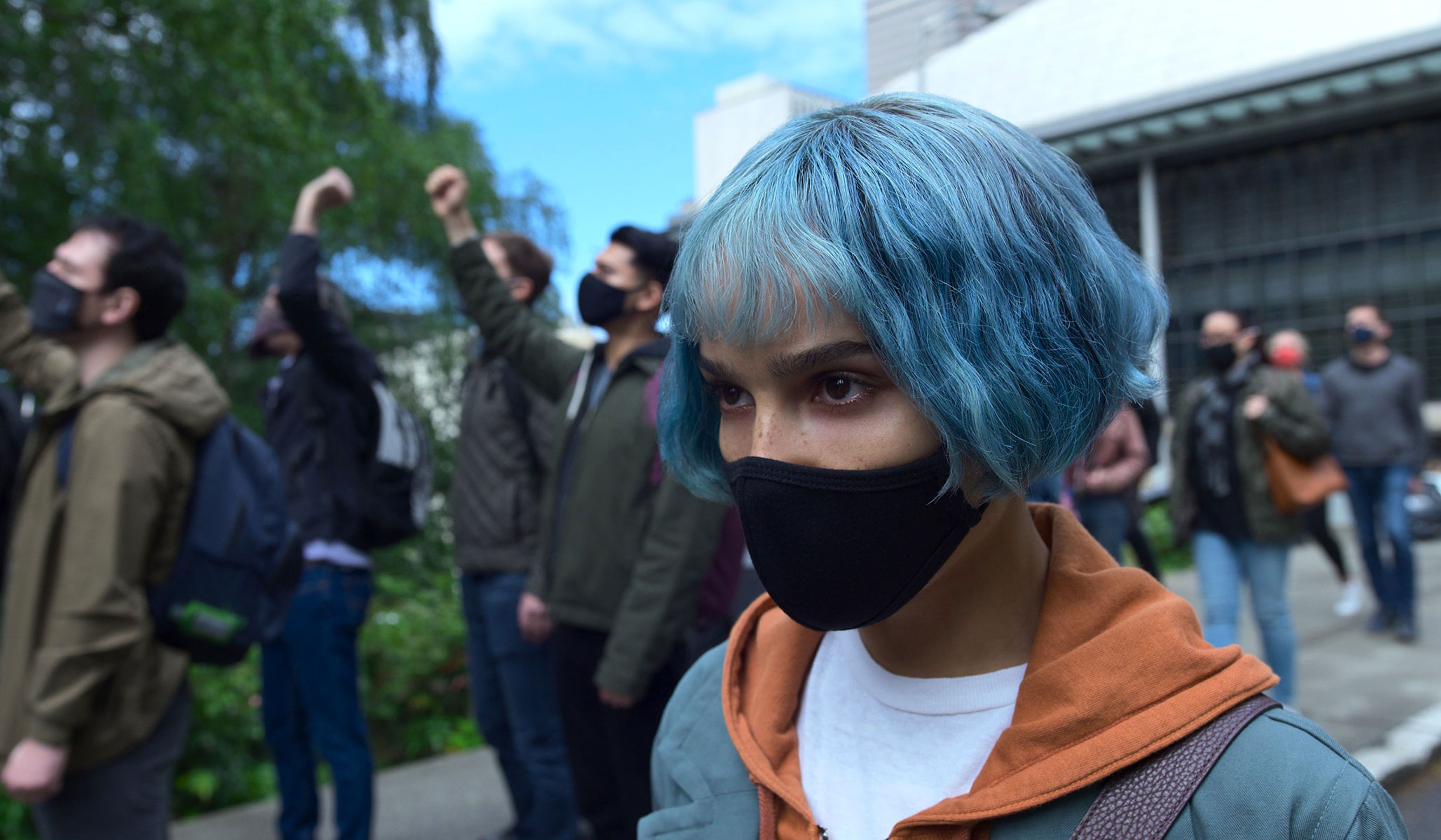
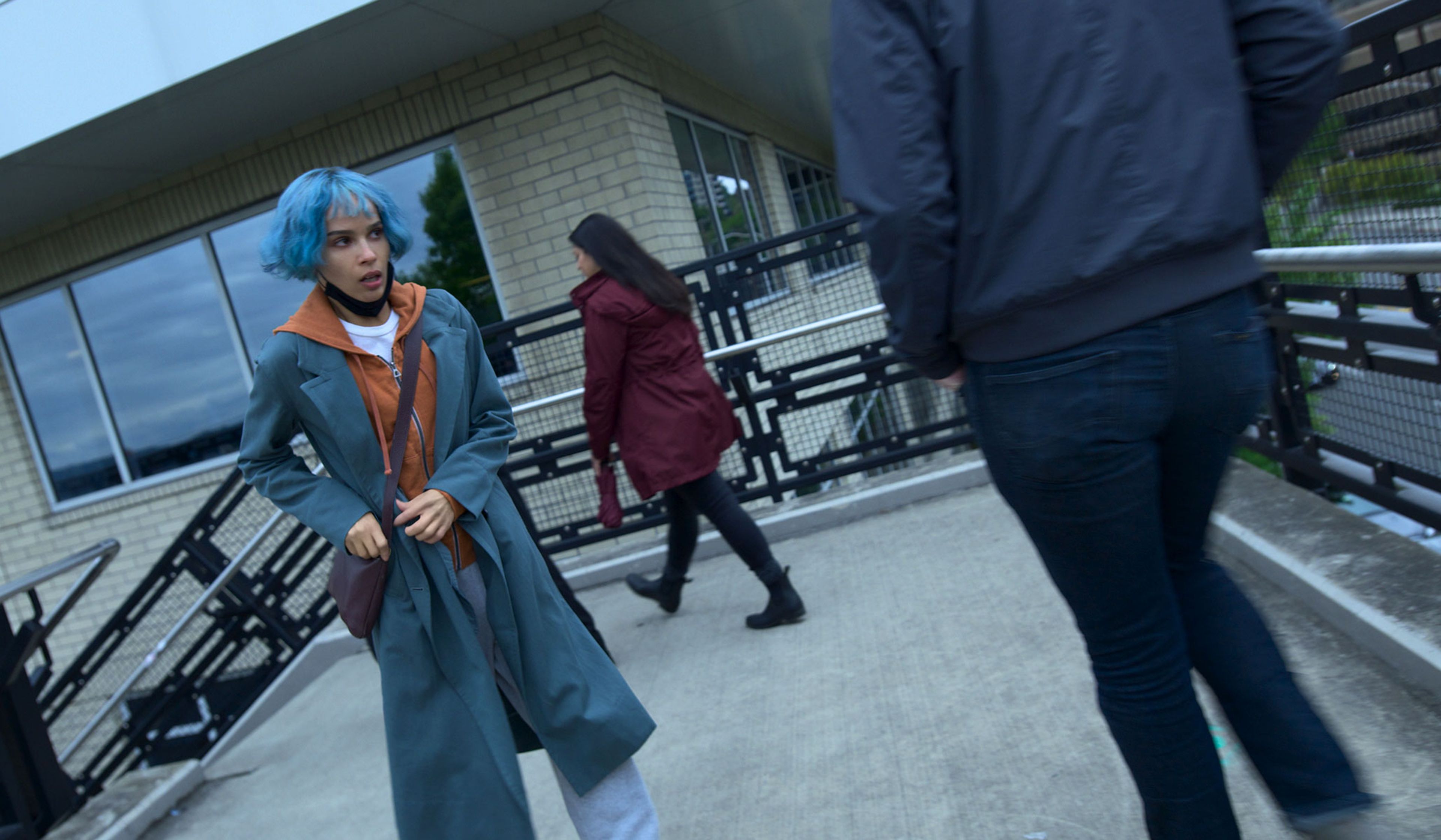
Zoë Kravitz in Kimi.
Courtesy HBO Max and Warner Bros. Pictures












Comments