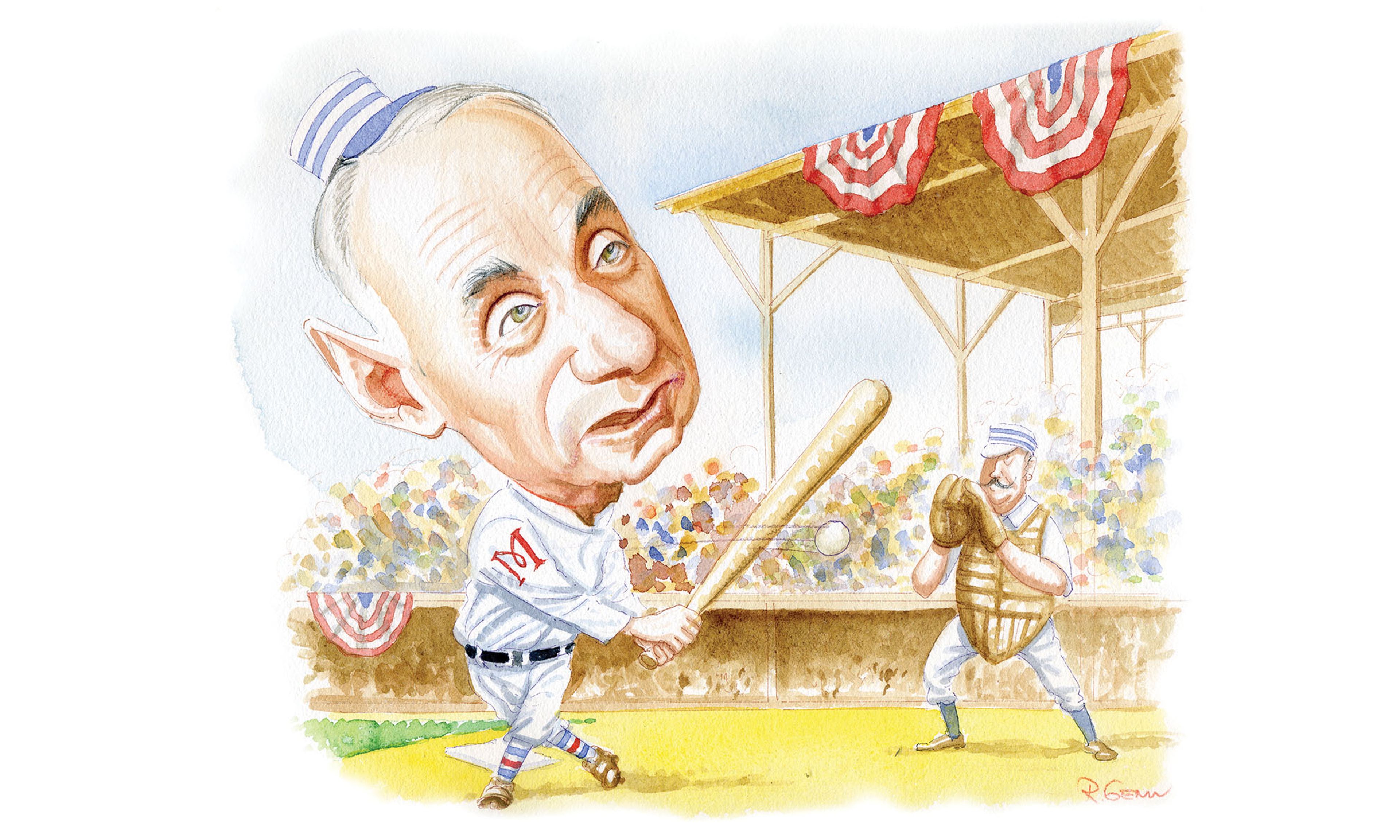
• Data show that church membership has declined rapidly over the last two decades. Oh well; at least everyone is much happier.
• That was quick. Roberta Jacobson, the former ambassador to Mexico whom Biden appointed as his “border czar,” will step down at the end of April, after 100 days on the job. Mission accomplished? Hardly: Jacobson’s envoi came a day after the administration announced a record number of illegal border crossings in March, including a record number of unaccompanied children (18,800, versus 11,000 in May 2019, the previous high). Jacobson made one faux pas at a White House briefing when she said in Spanish that the border was open, having meant to say instead that it was closed. But blame not her. The deluge was triggered by the victory of her boss. Biden made an exception for minors in Title 42, the public-health authority that was used to turn away migrants during the pandemic, creating an incentive for families to send them. And he’s ripped up the Migrant Protection Protocols (MPP) whereby asylum seekers from Central America remained in Mexico while their cases were adjudicated. This foreclosed the option of crossing the border, being released for a later hearing, and then vamoosing. The number of migrants showing up at the border diminished accordingly. Now, the border is running out of control, with worse likely to come. There was little Jacobson, or anyone, could do given President Biden’s priorities. This buck stops in the Oval Office.
• Biden’s “American Jobs Plan,” billed as an infrastructure initiative, is stuffed with provisions that have little to do either with creating jobs or building infrastructure. The proposal attempts to make unionization easier, which will retard both job creation and infrastructure production. It raises corporate-tax rates so that they are back above those of most developed countries; there is substantial evidence that wages will grow more slowly in the long run as a result. The president is promoting the plan by exaggerating the defects of our roads and bridges, and by talking about high-speed trains and supersonic travel that (a) could not possibly work as he describes them, given the laws of physics, and (b) would not be funded by his bill anyway. All things considered, it is probably his best sales pitch.
• During the campaign, Biden avoided taking a stand on the Left’s call to pack the Supreme Court by saying he would have a commission study the issue. Now he has appointed 36 commissioners. Republicans are calling it the first step in a plot to wreck the judiciary. But the loudest proponents of Court-packing are angry that some commissioners are conservative and that the commission has been charged with issuing reports but not recommendations. They say Biden isn’t “serious” about changing the Court. More likely: He knows this idea isn’t going anywhere, and he is taking it only a bit more seriously than it deserves.
• Prosecutors in the trial of Derek Chauvin have clearly surmounted their first hurdle, proving that the police caused Floyd’s death in the relevant legal sense. The defense predictably stressed Floyd’s array of health issues: coronary disease, high blood pressure, and arterial blockages, exacerbated by drug abuse and the adrenal rush of resisting arrest. But it is undeniable that Floyd wouldn’t have died last Memorial Day but for the decision to restrain him, handcuffed behind the back, in the prone position even as his breath grew shallow, his speech got muffled, and his pulse stopped. The remaining question is intent. Chauvin and the three other cops, who summoned an ambulance, did not intend to harm Floyd. But as his breathing slowed and his heart gave out, maintaining him in the prone position — against police training — was clearly excessive. Minnesota law makes excessive police force a criminal assault. An unintentional homicide effected in the course of committing another felony, such as criminal assault, is murder in the second degree. Such a finding would be a reasonable verdict. So would manslaughter (negligent homicide), a result Minneapolis should brace for.
• A new study has produced a difficult result for the Black Lives Matter movement. BLM’s protests, according to the analysis, reduced police homicides by about 300 between 2014 and 2019. But the protests increased everyday murders by far more, somewhere around ten times that number. The study is consistent with plenty of other evidence that viral policing incidents often set off a chain of events including protests, “depolicing” (backing off by the cops), and increased violence. There is a First Amendment right to protest the government’s actions, and police who use force without justification need to be held accountable. But with these ill effects in mind, activists should choose their cases and rhetoric carefully, legislatures should move to address legitimate grievances with police departments, and departments should keep enforcing the law even when officers are under scrutiny.
• “From each according to his ability, to each according to his needs.” So wrote Karl Marx in his Critique of the Gotha Programme. Patrisse Cullors, 37-year-old co-founder of Black Lives Matter, has undoubted ability as an organizer and publicist: In eight years BLM has become a worldwide movement and slogan. Cullors needed a house in Topanga Canyon, a gentrified hippie enclave in Los Angeles, and she now has one (three bedrooms, three bathrooms, guesthouse, quarter-acre lot, $1.4 million price tag). Since she grew up in Pacoima, a hardscrabble LA neighborhood, her rise would be a capitalist success story — except that she is an admirer of Mao, Lenin, and their progenitor, Marx. Maybe the dialectic provides an answer.
• Displaying tactics usually reserved for the basest of political campaigns, 60 Minutes (CBS) attempted to smear Governor Ron DeSantis of Florida by linking the news that he had received $100,000 in campaign donations from the supermarket chain Publix to the state’s decision to involve Publix in its vaccine rollout. In order to do this, it had to cut out DeSantis’s full explanation, in which he noted that Publix was one among many businesses to be involved; it had to ignore Florida’s Democratic emergency-management director, who called the story “malarkey”; and it had to ignore the Democratic mayor of Palm Beach County, who called the story “intentionally false.” Given how deceptively the story was framed and edited, it seems likely that 60 Minutes knew that its theory was false within . . . well, within about 60 minutes of investigating it. It continued nevertheless because, like so many other journalists during the COVID pandemic, it had started with an anti-Florida, anti-DeSantis political conclusion that was simply too tempting to pass up.
• GOP gotrocks attending an RNC powwow in Palm Beach shuttled from the Four Seasons, where the event was mostly held, to Mar-a-Lago to hear an address by former president Trump. He was in classic form, predicting victory in the 2022 midterms and in 2024, then doing his best to make it difficult by whining about 2020, insulting Mitch McConnell (“dumb son of a bitch,” “stone-cold loser”), and sneering at Mike Pence (“I wish that Mike Pence had the courage to send” the vote of the Electoral College “back to the [state] legislatures”; “I was so disappointed”). Here was the man in full: compelling, competitive, petulant, ignorant of basic constitutional and partisan realities. Whether he becomes a three-time candidate or continues taking his blunderbuss shots from retirement, the GOP will have to deal with him for at least three more long years.
• Representative Matt Gaetz (R., Fla.) is a classic case of TES (Trump-enchantment syndrome). The latest outbreaks were his claim that the 2020 election was stolen and his trip to colleague Liz Cheney’s home state to denounce her. His Little Richard look — upswept hair, snazzy suits — adds to his anti-gravitas. But Gaetz is significant nonetheless. His credo, “If you aren’t making news you aren’t governing,” is partly correct, since leadership is an aspect of governing, presentation is an aspect of leadership, and newsmaking is an aspect of presentation. If you told Abraham Lincoln, “If you aren’t photographed by Mathew Brady you aren’t governing,” he would have thought you insane — yet he took care to be photographed by Mathew Brady. A quicker and more brutal way not to be governing is to show House colleagues videos of your hookups wearing only Hula-Hoops. The rumors that Gaetz has done this, and worse, stem from a federal indictment of Florida pal Joel Greenberg for bribery, fraud, and sex-trafficking. Gaetz, who has not been indicted for anything, loudly maintains his innocence. We hope he is right. Surely, this is news he has not enjoyed making.
• It was a rout. Workers at the Amazon facility in Bessemer, Ala., voted by a large margin to reject an attempt to impose a union on the operation’s workers. Some 70 percent of the workers voted against collectivization under the auspices of the Retail, Wholesale and Department Store Union. It wasn’t a good-guys/bad-guys story: American labor unions are corrupt and ineffective, and Amazon is a book-banning exemplar of woke capital — but one that pays pretty well and offers its employees good benefits. Amazon’s workers seem to have calculated, correctly, that having union bosses skim their paychecks is less likely to contribute to their prosperity than a thriving Amazon is. Old-line labor unions have all but died in the private sector, holding on mainly in a few old industrial operations (the UAW) and in a few heavily regulated fields. The growth — and the political clout — of American labor unions is mainly to be found in the public sector, from which unions such as AFSCME derive the money and power that give them effective control of the Democratic Party. The would-be organizers at Amazon may talk like 1930s steelworkers, but their effort — and its failure — points to the future rather than to the past: Will we have an economy that looks more like Amazon, or one that looks more like the Department of Motor Vehicles? The choice is ours, and the Amazon workers in Alabama chose intelligently.
• Biden has launched his gun-control agenda with a set of executive actions. Some are innocuous — a government report here, some federal grants there. Another is troubling but not too surprising: David Chipman, a gun-control advocate with a poor understanding of the Second Amendment, has been nominated to head the Bureau of Alcohol, Tobacco, Firearms, and Explosives. And two of the measures instruct the Justice Department to tighten up gun laws: The department will propose new rules governing “ghost guns” (serial-number-less weapons made at home from kits sold without a background check) and “stabilizing braces” for pistols (which allegedly turn handguns into highly regulated short-barreled rifles). On the legality of these last two moves, we await the actual text of the DOJ’s proposed rules. Of their effectiveness in preventing gun crime, we are extremely dubious.
• It is a measure of just how onerous America’s proposed new corporate-tax regime is likely to turn out to be that the administration is seeking to make it workable by urging countries across the world to agree to a minimum corporate-tax rate of 21 percent, in essence creating an international tax cartel. Taxation is one of the key prerogatives of a sovereign state. If a minimum tax of this type is to have any meaning, it will have to be binding. Any country, including, incidentally, this one, that signs up for the agreement establishing such a tax will, for as long as it chooses to remain bound by it, have accepted a derogation from its right to govern itself, and will have done so based on the fiscal priorities of one American administration. That, for some nations, will be a lot to swallow, whether as a matter of policy, of pride, or of both, and so this proposal comes with a carrot — and a stick. The stick will be less favorable tax treatment for companies based in those countries that hold out. The carrot will be a rearrangement of the taxation of the largest multinationals, many American. They may well end up paying more where they operate and less back home. The U.S. government will, however, recoup its losses as a result of the higher U.S. rates and its increased ability to enforce them, meaning that American taxpayers will be subsidizing a cartel designed to keep their taxes high. Different countries have different ways of selling themselves. Competing on the basis of lower taxes is one of them, something that also acts as a restraint on greedier governments elsewhere. The idea of a global minimum tax is an attack on both the virtues of competition and national sovereignty.
• In 2017, Republicans put a cap on the state- and local-tax deduction. Taxpayers can deduct $10,000 of their state and local taxes from their federal taxes. Democrats want to get rid of the cap. It’s what they would ordinarily call a “tax cut for the rich” — it’s only relatively high-earning households that owe more than $10,000 in state and local taxes — and one that would do nothing for economic growth. But it’s a tax cut that would go to Democratic voters and donors, since it would mostly benefit people in high-tax jurisdictions. And it would make it easier for states and localities to raise taxes, which pleases public-sector unions. Many Democrats in Congress want the “infrastructure” bill to eliminate the cap. As traditionally defined, infrastructure helps citizens get where they want to go. The new, broader definition gets the Democratic machine where it wants to go.
• As Russia amassed troops on its border with Ukraine and China sent its largest aerial incursion yet into Taiwan’s air-defense identification zone, President Biden announced his defense-budget proposal for fiscal year 2022. The sum comes out to a disappointing $715 billion for the Pentagon, a decrease after accounting for inflation. Why the White House proposed to curtail defense spending at this perilous time is anyone’s guess. Progressives who had lobbied for steeper cuts were unhappy, and it’s conceivable that the decision not to raise military spending further was designed to avoid drawing too much fire from that left flank. In any case, the low figure contradicts the recommendation of a 2018 panel on which Biden’s deputy secretary of defense Kathleen Hicks served. Calling for annual increases of 3 to 5 percent above inflation, Hicks and other experts had an ominous warning: The costs of failing to adequately fund national defense “will be measured in American lives, American treasure, and American security and prosperity lost.”
• Now that the vaccines are upon us and becoming more easily available, we confront the questions of what situations should require a shot, and how someone might prove himself vaccinated. Behold, the argument over “vaccine passports.” Some states are rushing to create documents and apps that prove vaccination; others are rushing to ban government agencies and even private businesses from participating in such a thing. Vaccine requirements may make sense in settings that lend themselves to serious outbreaks — such as, say, nursing homes or college dorms — and other private facilities should be free to turn away customers if they want. But in general, checking vaccinations at the door causes more inconvenience and alienates more patrons than it’s worth. Anyone who wants the robust protection these shots provide can simply get one, and soon enough, enough people should be inoculated that the threat of COVID-19 wanes. As we approach that point, we should not turn vaccines into more of a culture war than they already are.
• In early April, all Vermonters 16 and older who are BIPOC — “black, indigenous, or people of color” — and members of their households were declared eligible to be vaccinated against COVID. Vermonters of other races needed to be 40 to be eligible. The state government justified the policy by saying that minority Vermonters tend to work jobs that expose them to infection. “In addition to the greater risk of hospitalization among BIPOC community members, the pace of vaccination for these individuals is too far behind the white population,” Republican governor Phil Scott said in the statement. Later he described his critics as racist. All the people who usually yearn to denounce “racist Republicans” would have some justification this time, if they were interested.
• The Arkansas state legislature overrode Governor Asa Hutchinson’s veto to enact a law banning the use of drugs and surgeries on children as part of “gender reassignment” therapy, a euphemism to describe the reckless prescription of hormonal drugs by gender clinicians, and the mutilation of healthy sexual organs and their replacement with nonfunctioning facsimiles by surgeons. This is the right decision, and every state should follow Arkansas’s example. Hutchinson invoked the cause of “limited government” as his rationale for vetoing this bill. But, if states have an interest in protecting children from those who would sell them drugs and alcohol, as they do, certainly they have the same interest in halting therapies that can result in irreversible damage to their minds and bodies.
• In Ohio and Montana, Republican lawmakers are trying to regulate chemical abortions, which are carried out in the first ten weeks of pregnancy and account for about 40 percent of abortions in the U.S. each year. In both states, the laws would prohibit chemical abortions prescribed via telemedicine rather than in person. Ohio’s effort has been blocked in court, while Montana’s legislation awaits a gubernatorial signature. These attempts come as abortion advocates work to expand access to this form of abortion, having successfully lobbied the Food and Drug Administration to remove the requirement that women see a doctor in person before taking the first of the two drugs, which have been known to cause prolonged bleeding and, in some cases, to require follow-up surgical abortion. Supporters of abortion claim to champion “women’s health,” but it is an afterthought compared to the imperative to promote abortion by any means possible.
• The State Department released its annual report on human rights around the world. These reports have been valuable in administrations of both parties. Secretary of State Antony Blinken could not, however, resist taking a shot at his predecessor while lauding the latest report. Mike Pompeo’s human-rights commission, he said, had wrongly suggested that there is a “hierarchy that makes some rights more important than others.” Pompeo’s commission had not actually said that. But the proposition Blinken is at such pains to deny is true, and at some level everyone knows it. Blinken, like Pompeo, understands that some rights are more important than others: that a government that blocks a religious group from gathering in prayer is repressive and unjust in a way that a government that denies 16-year-olds the vote is not. Progressives and conservatives alike deny that some asserted rights are valid rights at all. Blinken is catering to left-wing human-rights groups that want to see the U.S. lean on other countries to advance abortion and same-sex marriage while making religious freedom a lower concern. What’s wrong with that view is not that it is hierarchical. It’s that it’s upside-down.
• “Li Yuese” (a pseudonym) would bash himself against the walls of the windowless room he was held in for ten months because death seemed better than life in a sunless hell. He is a member of a house church in Sichuan, a province in southwest China, and had been picked up by the state-security police during a raid in 2018. After releasing him from criminal detention for church-related activities, the police delivered him to a “transformation” center in a basement somewhere for refusing to renounce his faith. In a report from Radio Free Asia, he testifies of having been beaten, verbally abused, and “mentally tortured.” He would receive two meals a day and was given “no ventilation” or “time outside.” The mobile centers are run by the Chinese Communist Party’s United Front Work Department and are used for the brainwashing of Christians, with priests known to have disappeared for “five, six, or even ten years at a stretch,” according to the report. Others endure persecution in other regions of China, subject to torture methods similar to those used against the Falun Gong. This is what the CCP is.
• In the wake of the WHO–China joint study on COVID origins, two dozen scientists have called for a complete and trustworthy investigation: in other words, exactly what hasn’t happened. In a letter following the WHO report’s release, they note the study’s inadequacies. It was based on data collected on the Chinese side but not shared with the public. The researchers put too much stock in an implausible theory positing that the virus reached humans from bats by way of an intermediate host animal. The critical scientists also pan the panel for calling the possibility that COVID leaked from a lab a “conspiracy theory” in one of the report’s annexes, and they praise WHO director general Tedros Adhanom Ghebreyesus for contradicting the report’s findings and demanding a further look at the possibility of a lab leak. The purpose of a future investigation would be “to leave no stone unturned in seeking to understand how this catastrophe began,” the researchers write. Sadly, Beijing and scientists with funding on the line seem prepared to do everything in their power to prevent the world from learning how this calamity began.
• For seven years, there has been a land war in Europe: the Donbass War, in eastern Ukraine, between Ukrainian and Russian troops. So far, 13,000 people have been killed in that war, and 30,000 wounded. In recent days, Russia has escalated, sending more troops and more matériel to the region. Vladimir Putin, once more, is testing the West — and perhaps testing the new U.S. administration in particular. Can Ukraine hang on to its democracy and its sovereignty? The country’s parliament approved and issued a statement, asking other democratic governments to increase “political and economic pressure on Russia.” Yes, whatever tools our governments have, they should apply.
• The leader of Russia’s political opposition is now the country’s leading political prisoner. Alexei Navalny was arrested last January. In recent weeks, his health has taken a terrible turn. In response to mistreatment, he went on hunger strike — as political prisoners in Russia, and other countries, have done for generations. Bill Browder has an idea, and a good one. Browder, remember, is the chief campaigner for “Magnitsky acts”: laws that allow governments to sanction individual human-rights abusers. If you want to save Navalny, Browder says, impose sanctions on the key oligarchs who prop up Vladimir Putin — who ensure that Putin is fabulously wealthy. Freeze their assets and deprive them of visas. Then, you may well find that the ice cracks.
• The Grand Hotel in Vienna is the unlikely arena in which the United States has been deciding whether to appease or confront the Islamic Republic of Iran over its nuclear program. Much of that program takes place at Natanz in the province of Isfahan. Hassan Rouhani, the president of Iran, spoke there to celebrate the installation of new and more powerful uranium-enrichment centrifuges, a key component of the program. By coincidence, the very next day an explosion destroyed the new centrifuges. That morning, a spokesman was talking about accidents, but by the evening he was referring to sabotage and “nuclear terrorism.” Once before, Israel had taken responsibility for the so-called Stuxnet virus, which for quite some time stalled nuclear developments. Israelis are now admitting nothing, and Iranians are certain that coincidences can be premeditated.
• After a multimillion-dollar effort to install gender-neutral bathrooms at the Royal Military Academy and other training bases, the army has now banned the words “lads,” “mankind,” and “sportsmanship” after the defense ministry’s equality, diversity, and inclusion unit deemed them insufficiently inclusive, even when no women are present. The former Good Morning Britain presenter Piers Morgan tweeted in response that “anyone that easily offended should not be in the British Army.”
• When in October 2018 Kieran Bhattacharya, a student at the University of Virginia’s School of Medicine, attended a panel discussion on the topic of microaggressions, he was dissatisfied with the definition that had been offered for it. As any inquisitive student might, he raised his hand and asked the presenter, Beverly Colwell Adams, for clarity. “Is it a requirement, to be a victim of microaggression, that you are a member of a marginalized group?” he asked. “No,” said Adams. This sparked a polite back-and-forth over the term’s definition. And that, evidently, was too much for at least one person in the audience. After the event, Nora Kern, an assistant professor at UVA, filed a “professional concern card,” writing that “Bhattacharya asked a series of questions that were quite antagonistic toward the panel,” adding, “I am shocked that a med student would show so little respect toward faculty members.” Receiving the complaint, the Academic Standards and Achievement Committee decided to send Bhattacharya a note, reminding him to “express yourself appropriately.” They suggested that he seek counseling, too. Before long, though, that suggestion had become a mandate: Bhattacharya was notified that he must be evaluated by psychological services before returning to class. He pushed back, objecting to the description of his behavior, and finally, after a hearing, was suspended for “aggressive and inappropriate interactions in multiple situations.” By late December, the UVA police had ordered him to leave campus. Yes, you read all of that correctly. Bhattacharya later sued the university on First Amendment grounds. Thankfully, a federal judge recently ruled that the suit could proceed.
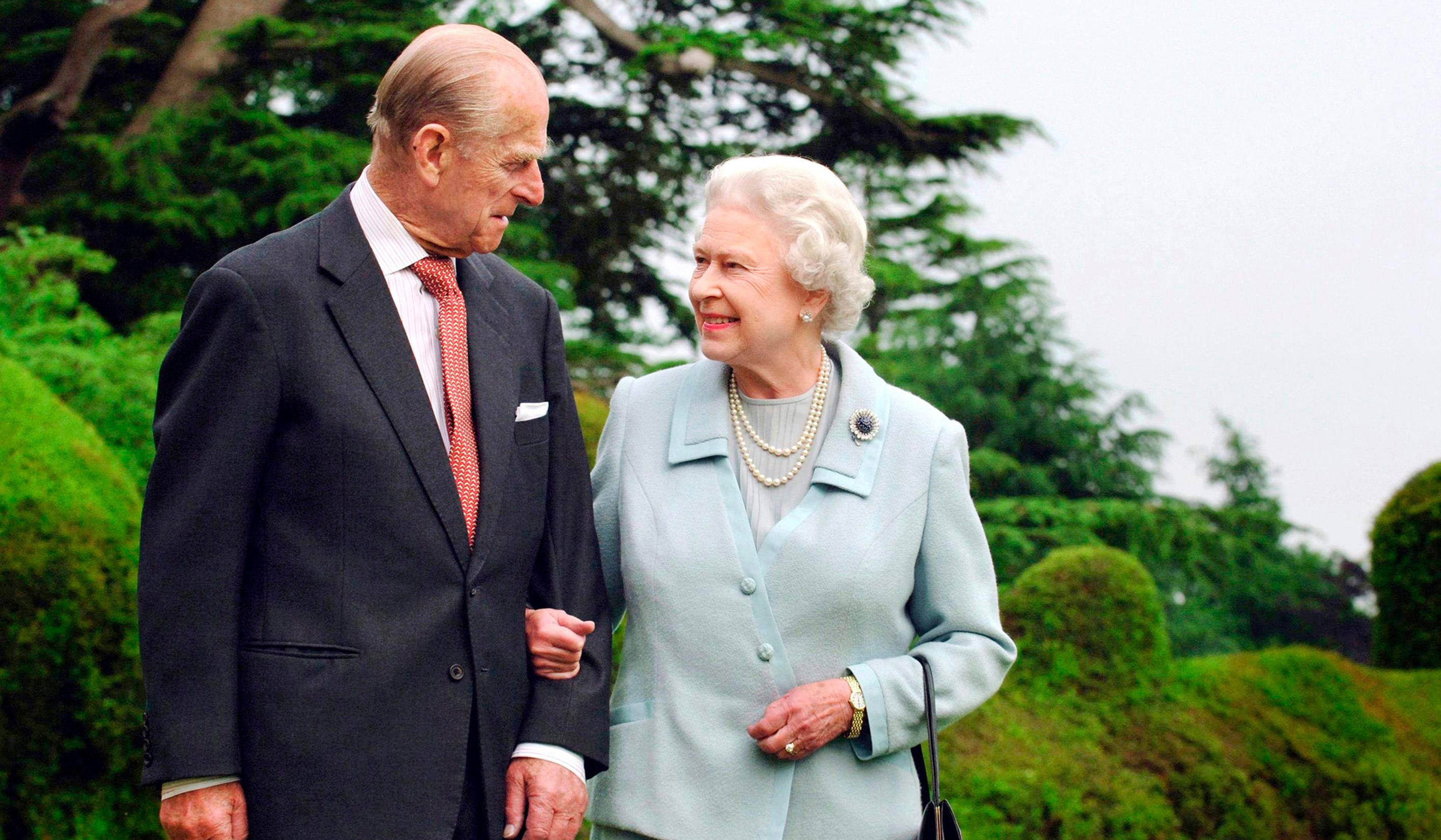
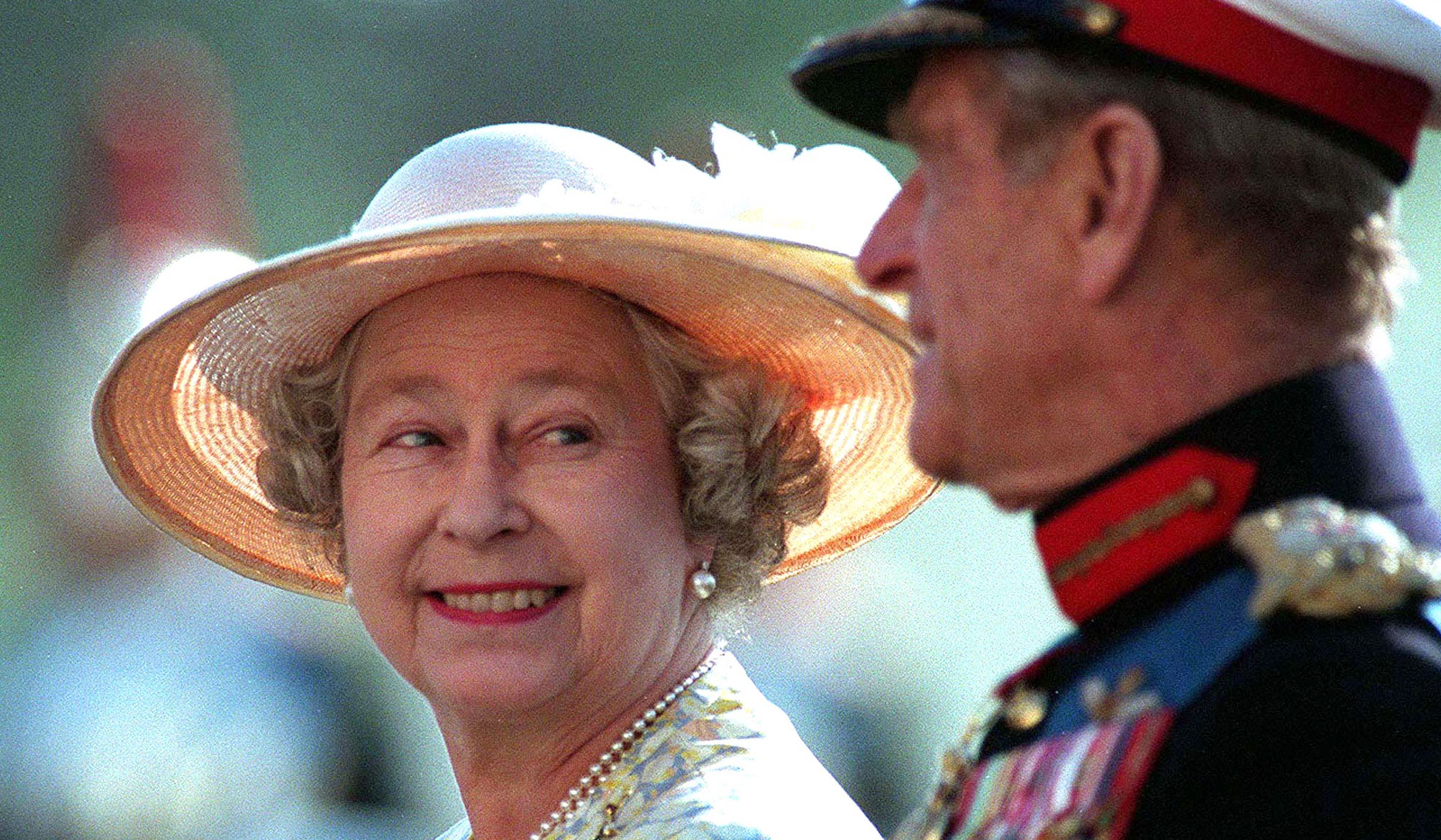
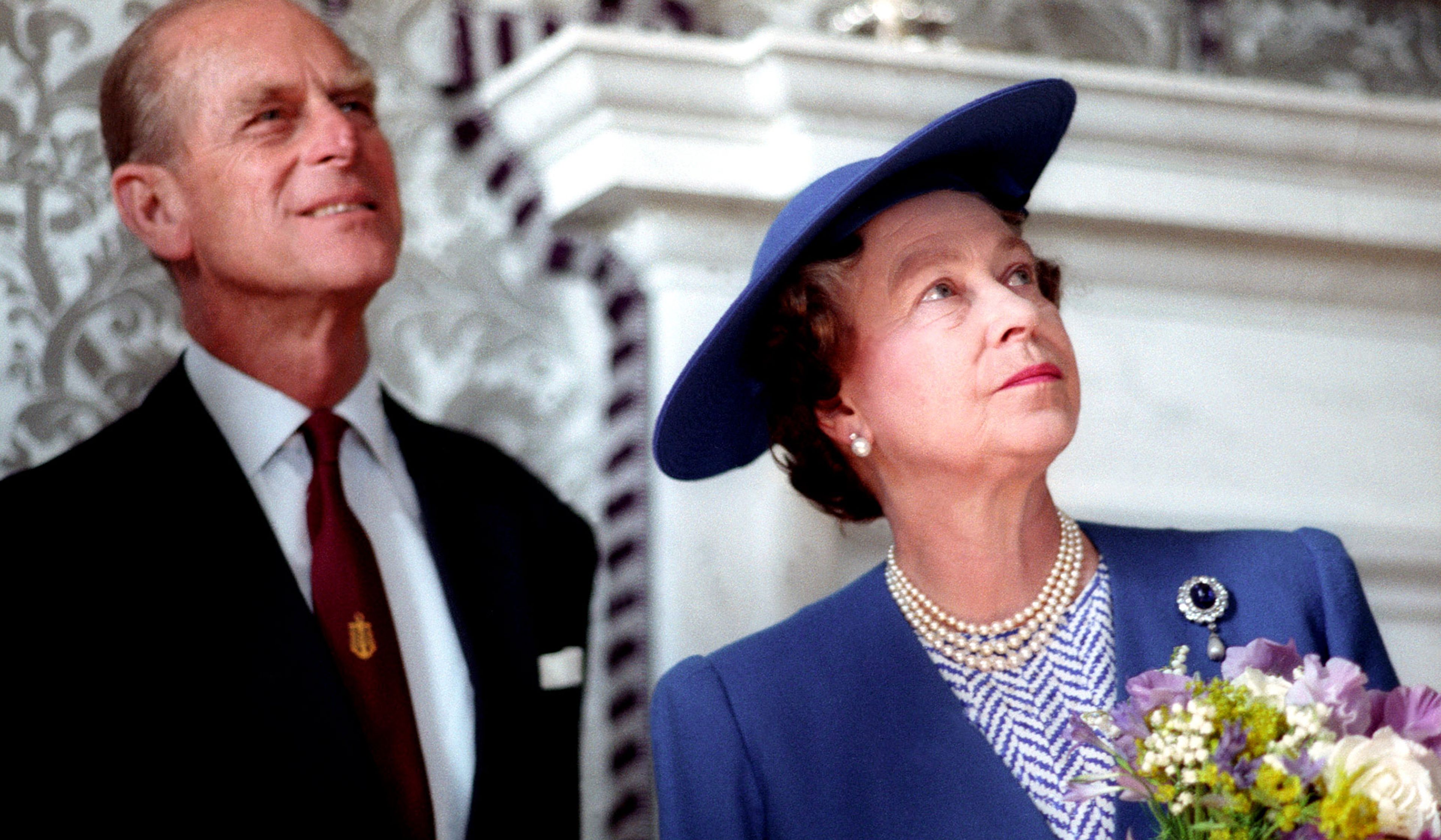
• The marriage of Queen Elizabeth and Prince Philip has been one of the wonders of modern Britain. For no less than 73 years, Philip had to play the difficult exemplary role of prince consort. He was born in 1921 into one of those princely German families that provided Europe with monarchs. (When asked whether he wanted to visit the Soviet Union, he replied that he would, but “the bastards murdered half my family.”) Educated in Britain, he was 17 when he joined the Royal Navy, and he saw active service as deputy commander of a destroyer. Asked about his role as prince consort, he is known to have answered that he would have preferred to stay in the navy. As it was, he found a way of walking a yard or two behind his wife while also being his own man and a leading actor in the human comedy. Using his title, he set up the Duke of Edinburgh’s Award, which has benefited millions of the young in 140 countries. For almost two decades, he was president of the World Wildlife Fund. Striking the balance between tradition and modernization, he adapted the monarchy to the Britain of the day. As he expressed himself, it was “a complete misconception to imagine that the monarchy exists in the interests of the monarchy. It does not. It exists in the interests of the people.” Died two months before 100, R.I.P.
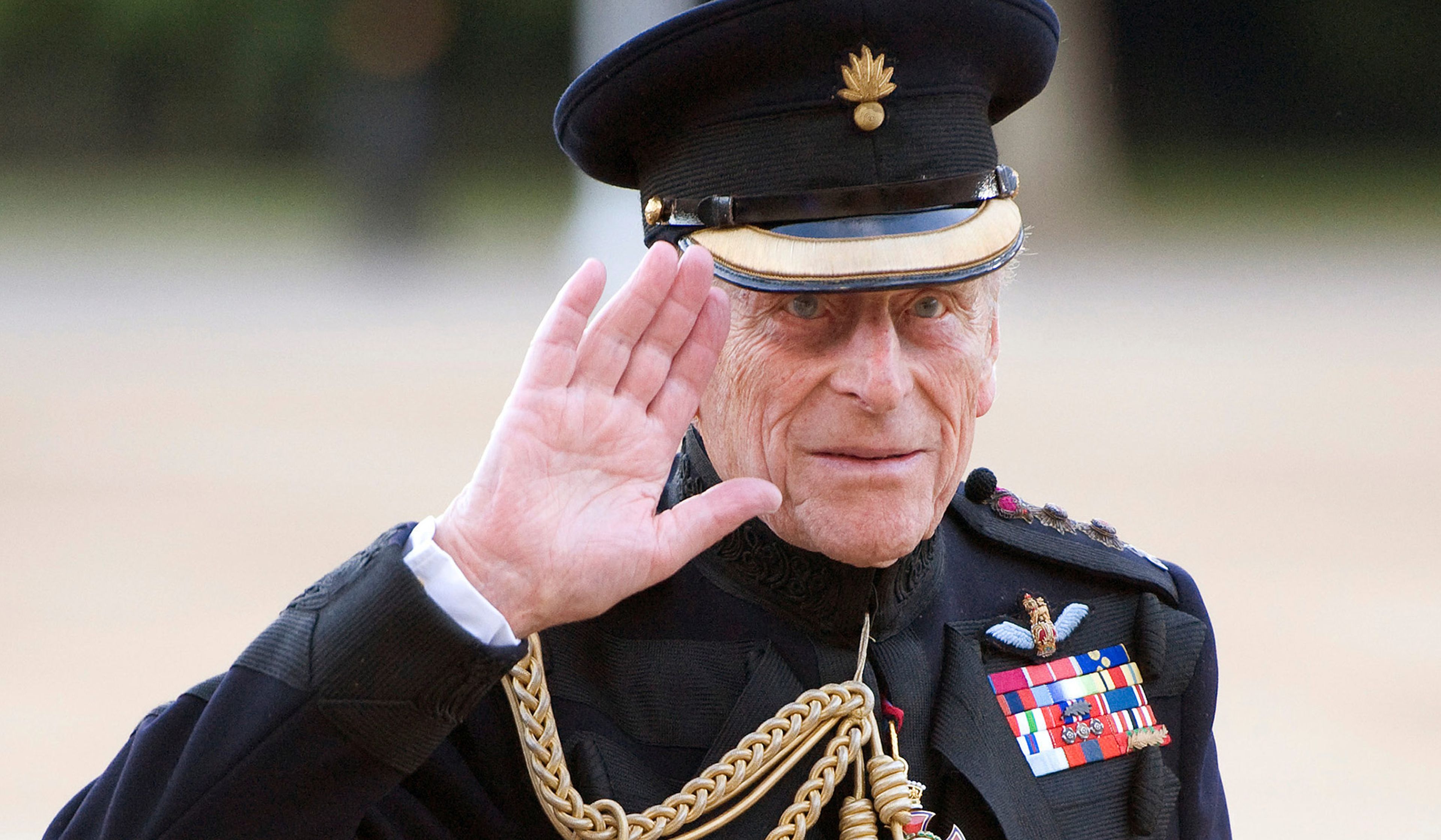


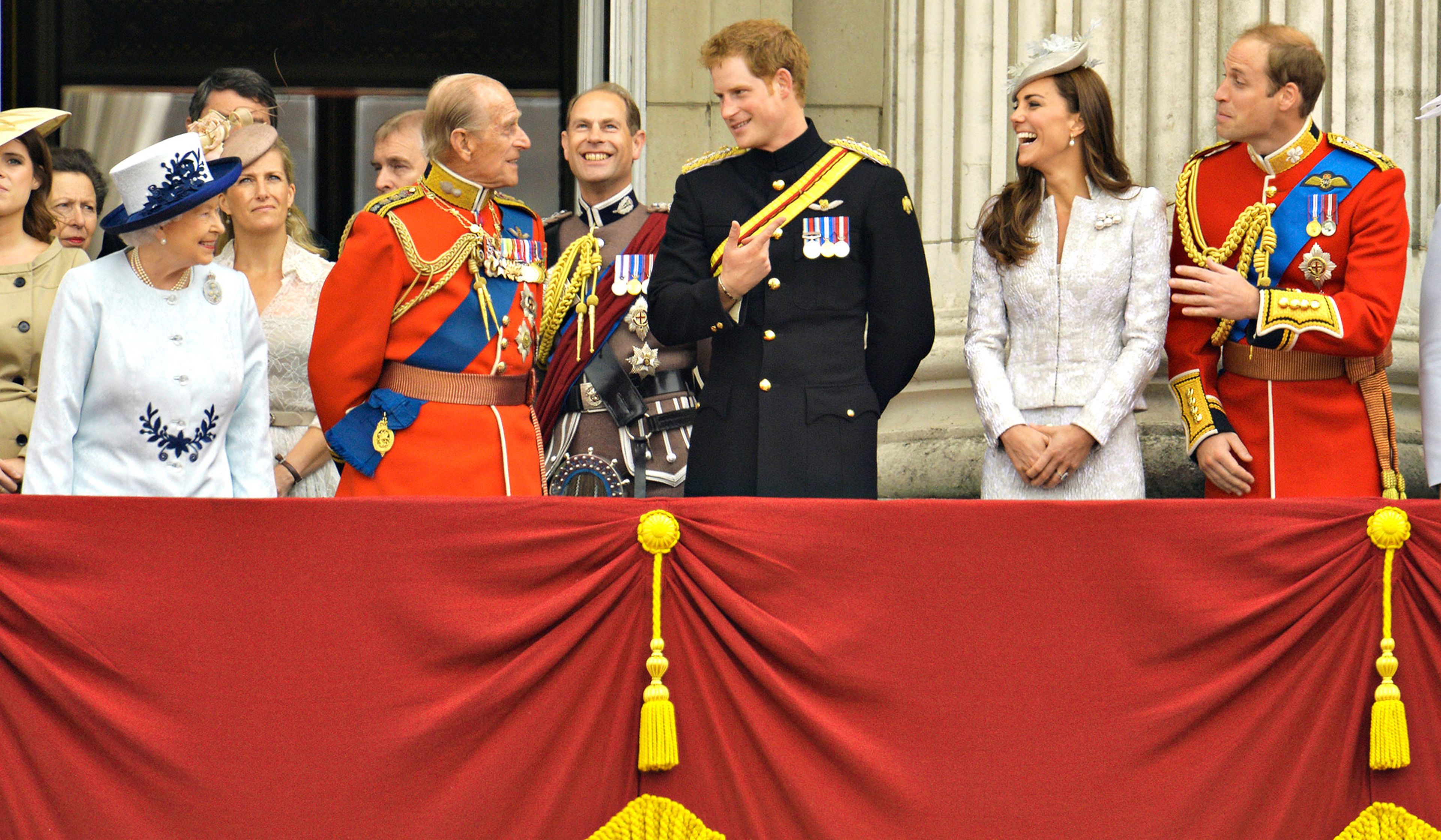
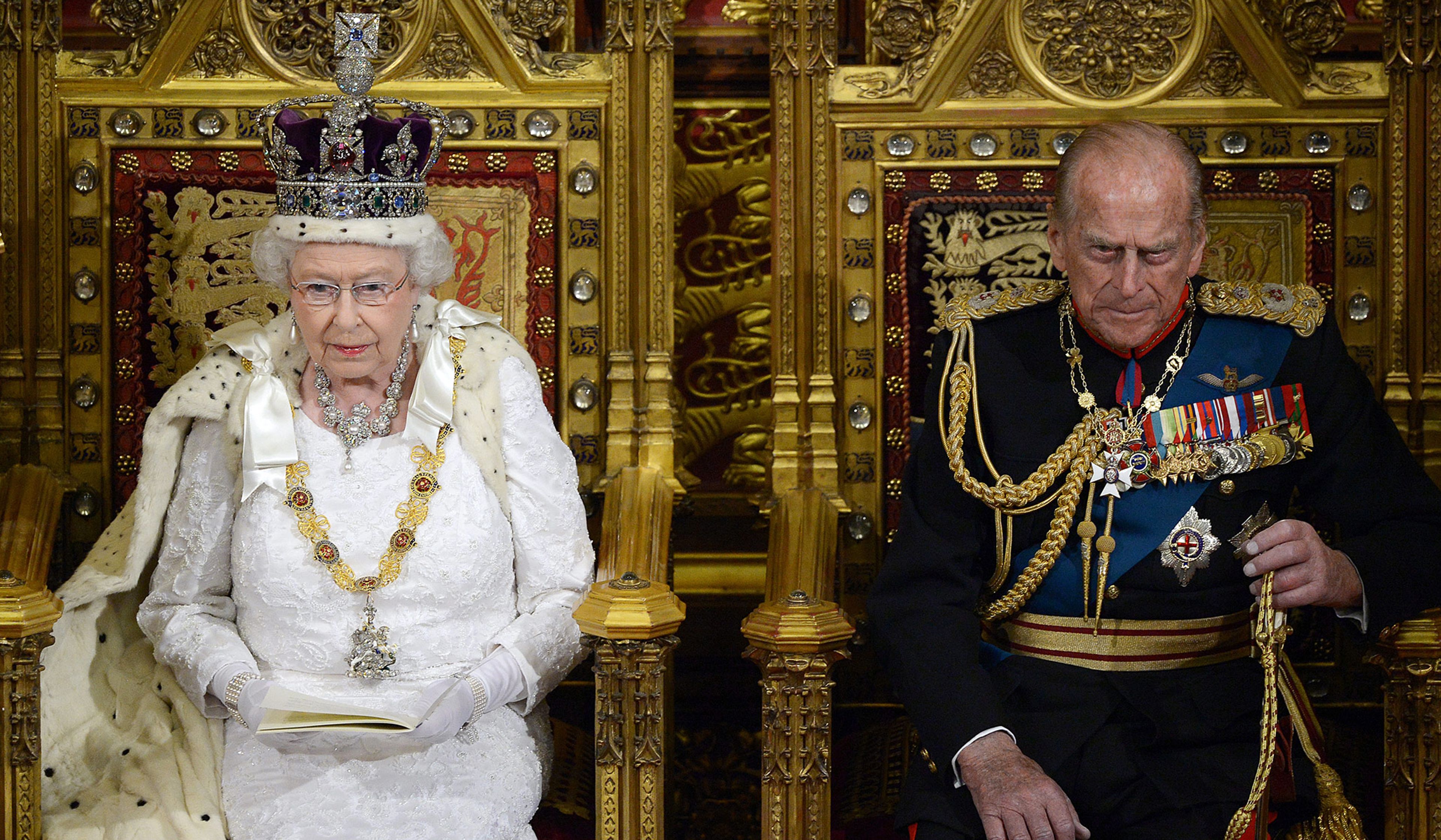




Britain’s Prince Philip arrives on the eve of his 90th birthday to take the salute of the Household Division Beating Retreat on Horse Guards Parade in London, England, June 9, 2011.
Paul Edwards/Pool/Reuters
• “This is what I would call a New Frontier man of the Catholic Church,” President Kennedy said, introducing Hans Küng to a gathering of dignitaries at the White House. The Swiss professor, 35, had recently been appointed an adviser to the Second Vatican Council. He shuttled between Rome and Tübingen, Germany, where he cut a dashing figure in the university’s storied theology faculty. At his urging, Tübingen hired his fellow Council peritus Joseph Ratzinger in 1965. Nine years later, Küng published his magnum opus, On Being a Christian. He rejected both the doctrine of papal infallibility and the discipline of priestly celibacy. He argued for women’s ordination. In 1979 the Vatican withdrew his license to teach Catholic theology. He called Pope John Paul II “authoritarian.” As Pope Benedict XVI and now a frenemy, Küng’s old ally Ratzinger also got an earful from the contrarian scholar on occasion. “It’s clear that we have different positions,” Küng said of his relationship with Benedict. “But the things we have in common are more fundamental. We are both Christians, both priests in service of the Church, and we have great personal respect for one another.” Dead at 93. Requiescat in pace.
• The Nobel Prize–winning economist Robert Mundell died on April 4, having helped father both supply-side economics and the euro, a legacy that is as impressive as it is mixed. In the 1970s he stressed how wide and how devastating the corrosive effect of inflation could be, not least in the way that it increased the effective tax burden (through, for example, the creation of illusory capital gains). His prescription? Tight money and a switch to structurally lower taxation. A sharp reduction in tax rates would help soften the pain caused by a rigorous monetary policy, and would reduce inflation in its own right by generating more goods and services for money to chase. A low-tax regime, he argued, would do more to help the poor than a high degree of redistribution and the slower growth that was its consequence. These are all lessons that now need to be relearned. Mundell’s contribution to the creation of the euro has, on the other hand, been somewhat overstated (the single currency owed more to political calculation than to economic theory). He definitely gave it considerable intellectual cover. His support for it was somewhat surprising, given that the currency union that emerged in the late 1990s fell far short of the “optimal currency area” that he had been discussing since the 1960s. Nevertheless, Mundell stuck with it even after disaster struck. Supporters and opponents of his ideas, and those in between, ought to be able to agree on one thing beyond his remarkable intellectual gifts, and that’s that Mundell was clearly one of the most influential economists of the 20th century. R.I.P.
• Ramsey Clark was one of the most peculiar figures in recent American political history. The son of a Supreme Court justice, he became attorney general in 1967, under Johnson. Thereafter, he opposed the Vietnam War. The air strikes and other military action in Libya. The Gulf War, and then the Iraq War. U.S. intervention in the Balkans. Etc. All of this is unremarkable. But Clark supported the Vietnamese Communists, Moammar Qaddafi, Saddam Hussein, Slobodan Milosevic — monsters all. He did not merely offer them a defense — everyone deserves a legal defense — he positively championed them. It made no moral sense. Ramsey Clark has died at 93. R.I.P.
Georgia Unbowed
The debate over Georgia’s new election law has illuminated many things, the actual contents of the bill not being one of them. Georgia Republicans did nothing to restrict the franchise, and passed legislation more modest than some early proposals. The law takes several steps to make voting easier and more accessible. It expands weekend voting statewide, permanently authorizes ballot dropboxes, expands eligibility to be a poll worker, lets illiterate people have others help fill out their absentee ballots, and requires jails to give access to eligible inmates to apply for absentee ballots.
In other ways, it tightens voting requirements, particularly compared with “temporary” pandemic procedures: partly in pursuit of uniformity across the state, partly in pursuit of giving mail-in balloting comparable security to in-person voting. For example, fewer dropboxes are provided than in 2020, in the hopes of encouraging in-person voting, where photo ID is checked. Georgia now requires identifying information such as a driver’s- license number on an absentee-ballot envelope, with the aim not only of securing the ballot, but also of eliminating the subjectivity of signature-matching procedures that have resulted in controversy and litigation.
No adult should have difficulty voting under the new rules, which also marshal new state powers to reduce lines at polling places and reduce local malfeasance. On the whole, the bill creates broader access to voting in Georgia than existed before 2020, and bars nobody from voting. It also adds more state oversight of local officials and requires pre-canvassing of mail-in ballots to expedite vote counting on Election Night.
Yet, we have been treated to the unedifying spectacle of President Biden branding these advances “Jim Crow on steroids.” Democrats have been particularly shameful in demagoguing the state’s ban on approaching voters in line to offer them food or water, given that longstanding laws ban similar conduct in many states, such as New York, and more than a few ban approaching lined-up voters for any reason.
The Democrats’ propaganda campaign is being used by the White House and by Marc Elias, the Democrats’ chief lawyer, to jawbone dozens of corporations into taking punitive action against Georgia. This campaign expands an unseemly and undemocratic trend of corporate managers using the assets they hold in trust for shareholders as a club with which to browbeat their cultural foes and curry favor with elected Democrats. Major League Baseball pulled the All-Star Game from Atlanta, harming small businesses in Democrat-dominated Cobb County in an effort to bully Georgia out of democratic self-governance.
Instead, Governor Brian Kemp has been defiant. That has left Biden and Georgia Democrats scurrying to distance themselves from their own Frankenstein’s-monster boycotts. Even Stacey Abrams now claims to have been against boycotts. It would have been better not to smear the election law in the first place.










Comments