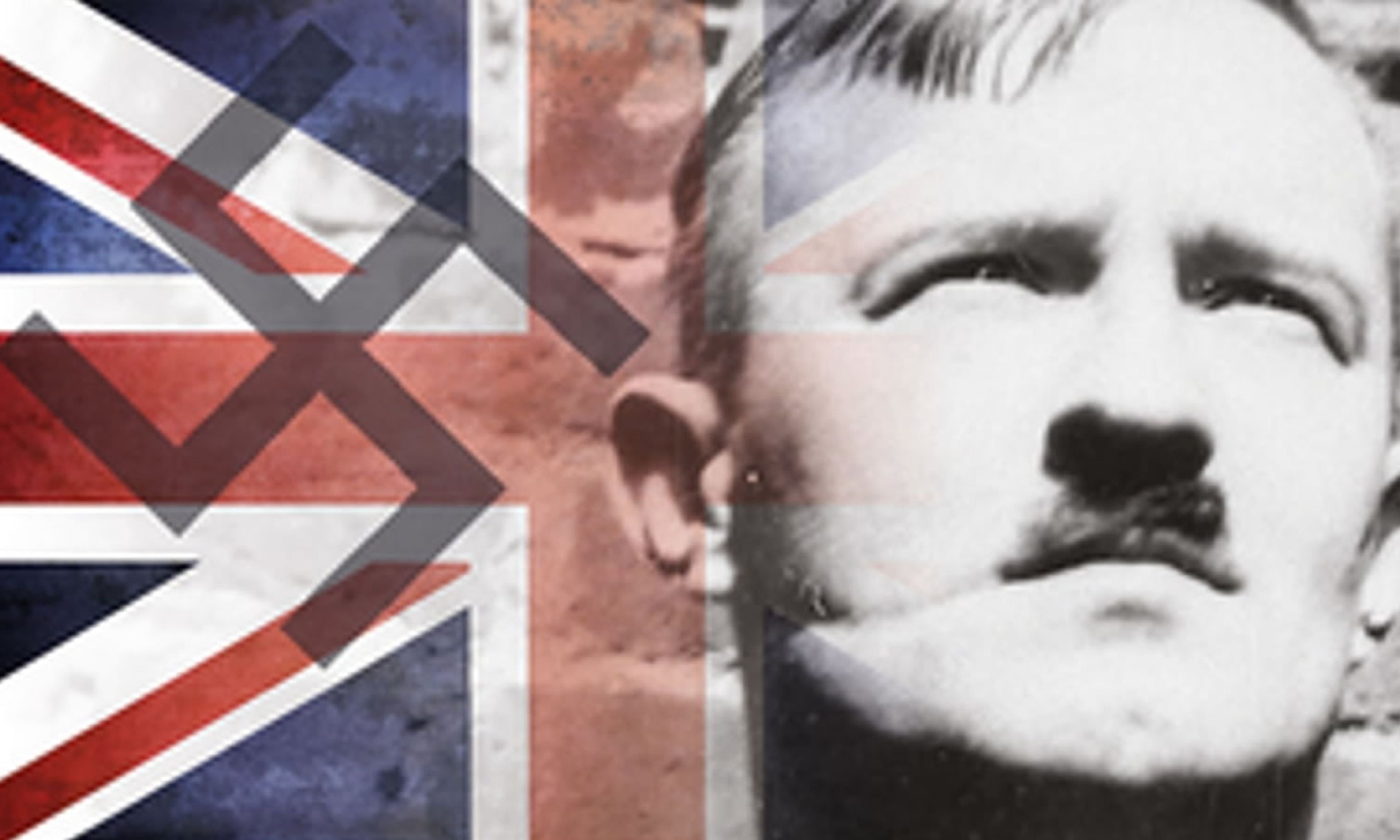
William Joyce spent World War II in Berlin, where he devoted his considerable talents to broadcasting Nazi propaganda to the British. Speaking with an idiosyncratic accent that made him familiar to the public as Lord Haw-Haw, he knew how to play on national anxiety and defeatism, especially in the early years of the war, when the Wehrmacht was blitzing country after country. His employer, Josef Goebbels, the minister of propaganda, noted in his diary in March 1941 that Joyce was “the best horse in our stable.” Man and master were two of a kind. Both had a way with words and put it to the service of fanaticism. Joyce was the Goebbels of the English language, and as such became an object of hate unrivaled in British history. After the war, he was tried for treason, found guilty, and hanged.
Posterity has acquired its image of Joyce from Rebecca West’s book The Meaning of Treason, a brilliant piece of reporting. She had attended his trial and saw him as an oddity, a misfit as pitiful as he was sinister. “He was a tiny little creature,” she wrote, “and, though not very ugly, was exhaustively so.” His extremism, it is suggested, was a form of compensation for inadequacies. Several subsequent biographies have taken much the same line.











Comments